

Retail is seeing a growing concern of burnout among store managers due to operational pressures and the need for empathetic leadership. Miriam Feldman, a partner at fishRecruit for digital and retail practices, and Jeff Wahl, retail consultant at The Architect, share insights of retail burnout among managers. Here they dive into the issues, repercussions, and strategies.
Unveiling the signs of manager burnout

Burnout begins with subtle changes in behaviour and performance, as Wahl says: “Typically, dedicated managers start calling in sick more often than they were before … if that starts happening, then leaders need to check in.” This early warning sign, mixed with unexplained decreases in store performance, lack of energy and joy in their work, decreased productivity, not completing tasks on-time, changes in body language, less engaged with customers are all signs of burnout and are from deeper rooted issues within the retail industry.

“We are really only going to be able to see this if regional and district managers have boots on the ground. When you walk into a space, you can kind of tell the level of positive engagement from the leadership just by how everyone is engaging you as a customer,” says Wahl. “We just walked in with a customer lens and everyone’s body language is held back, are on their phones, or are not really as engaging as you expect them to be – that is coming from leadership and is a sign of burnout.”
Wahl and Feldman say it’s important for retailers to recognise these early indicators to take critical steps towards intervention, and a proactive approach in supporting retail managers navigate through the pressures of their role.
One person, multiple jobs
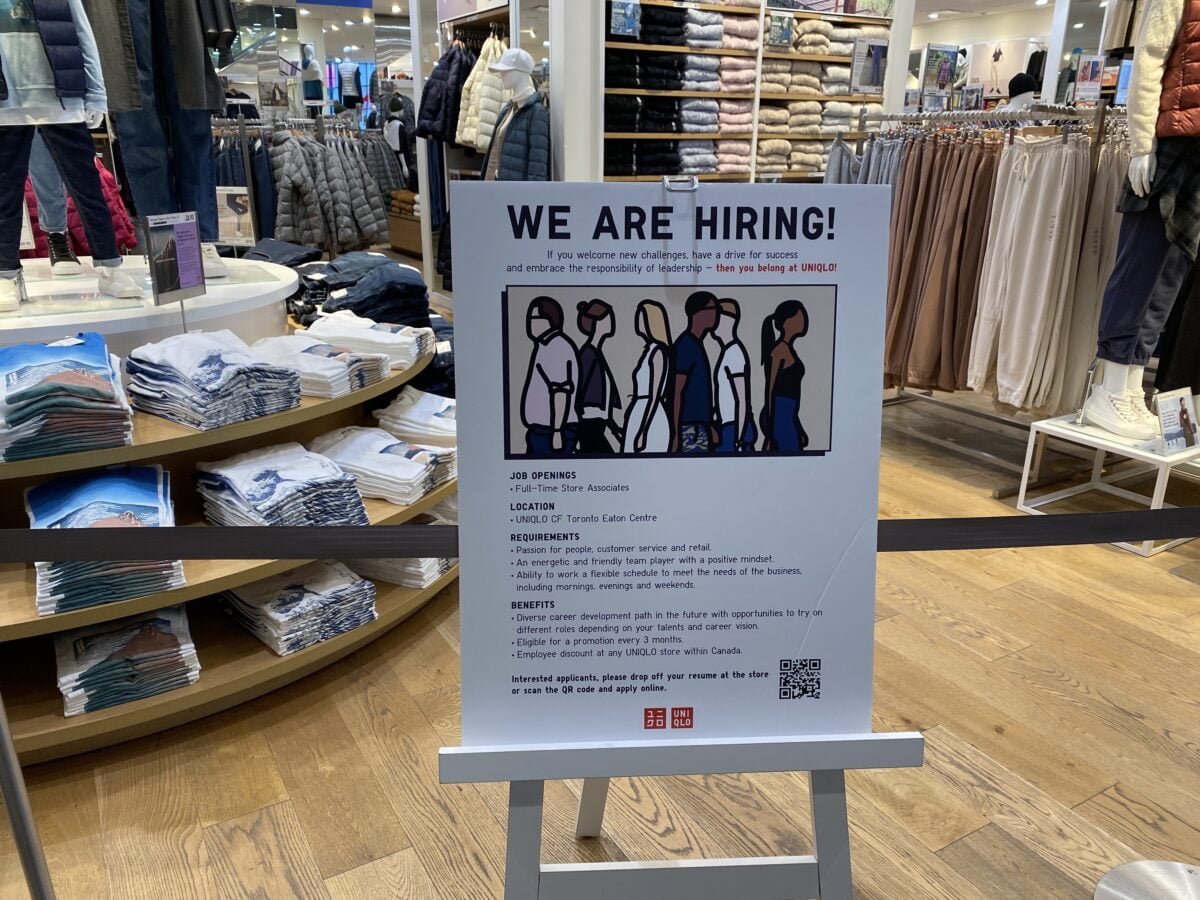
“The store manager is literally doing everything … The manager is the cashier, the receiving person, the person handling customer complaints. If someone is on break then they also have to answer the back door if there is a shipment. The reality is, the store manager does bear the brunt of the work and these big stores that we are accustomed to with these robust teams just don’t exist anymore. It is very hard, and this is even before we start talking about things like violence, theft, loss prevention, and mental health issues of the team – so it is just a tough business, the leader has to wear so many different hats and they are pushed and pulled in so many different directions,” says Feldman.

Feldman says this type of environment is not seen in luxury stores where the retailers have the budget for more staff – but mostly seen in middle class stores such as Old Navy where staff is minimal and budgets are lower.
Middle-class stores usually experience higher foot traffic than luxury stores, leading to a greater volume of transactions and customer interactions, resulting in a more hectic work environment with managers and staff facing pressure to meet sales targets, manage customer service effectively – with fewer resources.
“Lipstick on a pig”
Wahl says there are some things retailers can do such as offering financial rewards such as employee compensation or bonuses.
“I think the hottest potato we can talk about is the financial rewards. I think that saying the answer is ‘if you pay people more it cures it’ is wrong – it is not the answer, just to come in and say ‘we are going to give everyone a 20 percent raise does not all of a sudden make people more dedicated, there needs to be different solutions,” says Wahl.
The problem lies in the nature of retail challenges – ranging from meeting sale targets to managing foot targets. When store performance is low and traffic is lower than expected – the quickest reaction involves cutting labour costs, a strategy Wahl says is “short-sighted.” This approach not only increases pressure on staff, but damages the customer experience.
“You are squeezing labour, but you are still spending millions on marketing, that approach is kind of like lipstick on a pig. If you are driving traffic into that space, but you have squeezed the labour, that experience is not going to be where it needs to be. So guests are going to be driven in there from these marketing initiatives, but their experience is not going to be there and service levels are going to be destroyed. If that is the customer’s first experience with that brand – you may never see them again,” says Wahl.
From Wahl’s experience, he says it requires more dedication and support from the regional and corporate teams to come in and make sure the store is where it needs to be.
Leaving the retail industry altogether
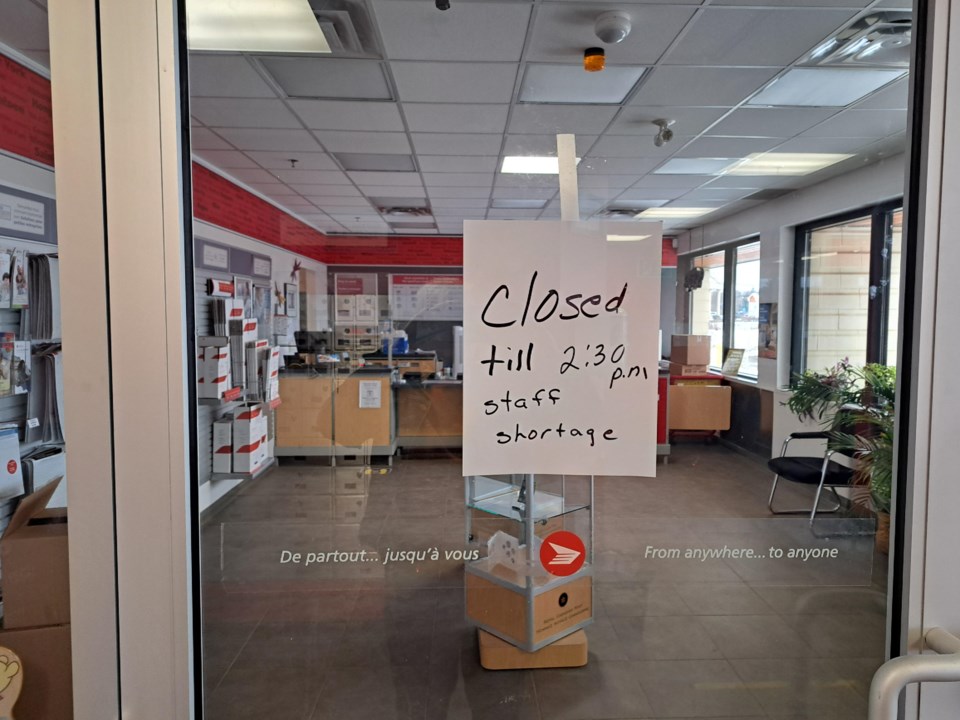
Wahl says he has seen quite a bit of people suddenly leave the industry as “they no longer see a future for them.” Wahl says there are a couple of reasons for this, but these people are generally leaving to join another industry, such as an office job, for a balanced lifestyle.
“I see a lot of women doing this because a retail schedule and being a parent is very often not a cohesive marriage. If you are a single parent – forget about it. I was able to navigate having a retail manager schedule and being a parent because I had a partner who was able to pick up a lot of the heavy lifting when I couldn’t be there – now being a single parent, I can’t do that. Anyone who has kids and has to do it on their own, trying to work a retail schedule is almost impossible,” says Wahl.
As daycare is costly, Wahl says this is also a reason why people, primarily women, are having a difficult time having a retail career as “it is a huge out of pocket expense for them and also the amount of time they are not spending with their children that they want to – it is pulling a lot of very talented people, primarily women, out of the retail workforce. Another reason for managers leaving is job hunting to get a quick pay increase.
“It just seems that it is becoming less and less of an attractive career,” says Feldman. “It is really about service, and you need to pay people to deliver good service and I do not see this happening.”
Ripple Effects: From individual burnout to team disengagement
The fallout extends beyond the manager as it affects the entire team’s engagement levels and productivity: “As soon as a manager decides to check out, the rest of the team will have checked out within two to four weeks,” says Wahl.
Manager burnout can decrease team spirit and provides lack of support and motivation. A few weeks later, a retail store might have both a burnout manager and associates, causing a damaging effect to the consumer experience – driving away business and damaging the store’s reputation. By keeping communication open between managers and corporate leaders, retailers hopefully can reduce the amount of burnout and pinpoint when burnout symptoms start so they can get ahead of the problem before it affects the entire store team and starts to lose customers.
“If you have an employee and a team that is very engaged and creates a positive energy, then customers are going to spend more versus if you are not taking the time and not giving a great service to every single customer,” says Feldman.
“Million dollar question” – What can retailers do?
- Enhance support and empathy: Having support can significantly reduce anxiety levels and prevent feelings of isolation. “When you have a very positive person, very constructive, and a very collaborative relationship with your district or regional manager, that is when anxiety levels go down and can lower the chances of burnout,” says Feldman.
- Compensation Strategies: As discussed, simply raising the salary or handing out bonuses is not enough, this strategy could be successful if included in a broader plan that addresses burnout.
- Operational Adjustments: Retail managers, as Feldman points out, have to wear multiple hats due to high workloads and under-staffing. Strategies to alleviate these pressures could include optimising work schedules, “adequate coverage to prevent overwork,” and also adjusting expectations. Retailers also need to ensure its cost-saving measures are not damaging staff or service quality.
- Invest in employee development: Engaging personal and professional growth can also rescue burnout. This includes offering training, opportunities for advancement, and creating a culture that values learning and improvement – making the workplace more engaging and motivating.
- Open Communication: Having open communications in the workplace can make employees feel comfortable sharing concerns without fear of consequences. This can help both managers, district managers, and regional managers understand more about burnout, symptoms, and how to address them.
- Work-life balance: Encouraging a healthy balance between work and personal life is essential to preventing burnout.
“If you feel like you are abandoned, or you don’t have that connectivity with corporate – that is when you start to see anxiety levels rise. That is when the feeling of hopelessness starts and the thought of ‘what am I doing here starts. This is a people business, you need to be people focused first. If that relationship dynamic is not present, you are going to see burnout, you are going to see turnover,” says Wahl.
“I think the buzzword that has come out over the last few years, but is so true, is having a leader, whether that is a district manager, a store manager, is having a leader with empathy and who knows how to validate people’s emotions. Empathy is just a crucial skill. Finding a leader that can hustle and have empathy is a bit of a magical formula,” says Feldman.
“Have a robust exit interview”
As for advice for retailers who are seeing managers burning out, Wahl says retailers need to have a “robust in-depth exit interview.”
“A lot of people don’t feel confident to express their concerns with senior leadership and they don’t think it will be taken seriously, or somehow hurt them in some way by being fully honest. So if you don’t already have that infrastructure setup or that culture in place to have open feedback, you may never understand why managers are leaving. So the easiest thing you can do is to have a productive exit interview so you can take that feedback from an outgoing leader and implement change,” says Wahl.
As the retail industry faces the ongoing issues of burnout, they have to make improvements. By choosing to invest in its people – through strategic, empathetic, and proactive measures – retailers ensure a vibrant future. By embracing change, having a supporting environment, and prioritising well-being of managers and employees – the retail industry can navigate the storm of burnout.
“There is so much room for improvement in training and development – starting with proper onboarding, giving your manager the tools and confidence to execute their job with continuous training and development so they can acquire new skills. If they feel invested, it will be a huge help in reducing burnout. But to anyone who is reading this, I don’t want to convey negativity – retail is fantastic and I genuinely enjoy it. If you are someone that is fast paced, dynamic, and likes to connect, it is a fantastic career,” says Wahl.












That is a great article and becoming ever so prevalent in todays workforce . Its got to change .