Veteran retail executive Walter Lamothe has run several multi-million dollar national businesses during his career in the industry.
Growing up on the family farm, just outside of Ottawa, gave him some strong roots to establish himself and thrive in the business world.
To this day, Lamothe, the President and CEO of Bentley, still spends time at the farm where he can think about the business and where it’s going.
The family farm is part of the Ottawa Valley on Calumet Island on the Ottawa River. One side of the river is Ontario, the other side is Quebec. A very Irish, French and English community where he grew up on the Quebec side.
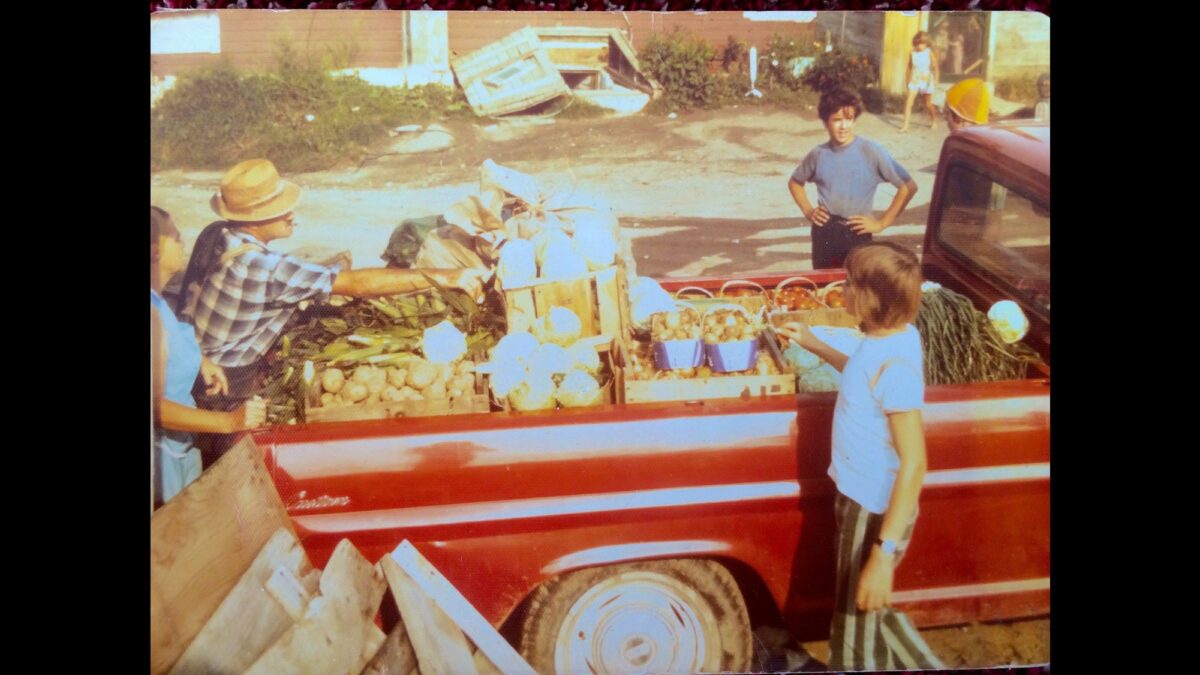
He initially grew up on the dairy farm but his father decided to pivot because of the rising costs in the industry and the farm began growing and selling vegetables .
“There was always a huge influence on the positivity of hard work. The biggest lessons I’ve carried through is when we went into the market gardens it was a direct contact with the consumer. If I look at what we were doing in dairy, we were a cog in the wheel . . . You don’t know where the end product is. You don’t know who the end consumer is,” said Lamothe, who owns the property today with his brother.
“But when we became a market garden we had to actually prepare, grow and deliver produce that the customers were looking for. I joke around because I say we did product development, we did merchandising, we did home delivery – Amazon wasn’t the first to do home delivery, we were way before them.
“And customers gave you instant feedback. I hate this. I love this. They bought it or they didn’t. They could rely on us. Every Tuesday it was at a town called Campbell’s Bay and we would deliver our vegetables and we would stop in the middle of the street. Women were home at that time. As a kid, I would knock on all the doors, they would come out and they would come out to the truck and we sold our goods. And on the way home we would find a place where we would go and sell the last of what we couldn’t sell during the day with somebody who wanted to bargain over the last bag of potatoes or something like that.”
Hard work and paying attention to what the customer wants were key lessons he learned at an early age.
At the age of 17, Lamothe became a welder and moved out to Alberta where he lived for two and a half years.
“I loved the province but hated the job,” he said. “So one time after about two years of trying to figure out what I’m doing wrong I decided to kind of flush everything and kind of start anew in Edmonton. I probably picked the wrong month. It was January. Minus 20 degrees. And probably not the best work market either. I didn’t even know what to do. I’m actually one of the few guys that got refused by the army. The reason why they refused me is they asked me what my home address was. I told them I didn’t have one. They asked me what my job was. I told them I didn’t have one. They said when I had both they would take me in a minute.”
He then started his journey in the retail sector as a stock boy in a Jack Fraser store.
“It was a strange world for me. I didn’t own a suit. Didn’t wear a tie. I broke in doing 15 hours a week at $3 an hour. I said I like the prospect of this and stuck around. Did a few other things in between and sometimes worked three jobs to make ends meet including selling life insurance at the time,” said Lamothe.
When he moved back East, he took on a job with Tip Top Tailors as manager of a store at 21 years old in Hull, Quebec. After 12 years there in various roles and places, he went to work for Shirmax, a specialty retailer of fashion apparel.
“I learned a whole new set of lessons as to how to adapt and what a big corporation was doing to a small business,” he said.
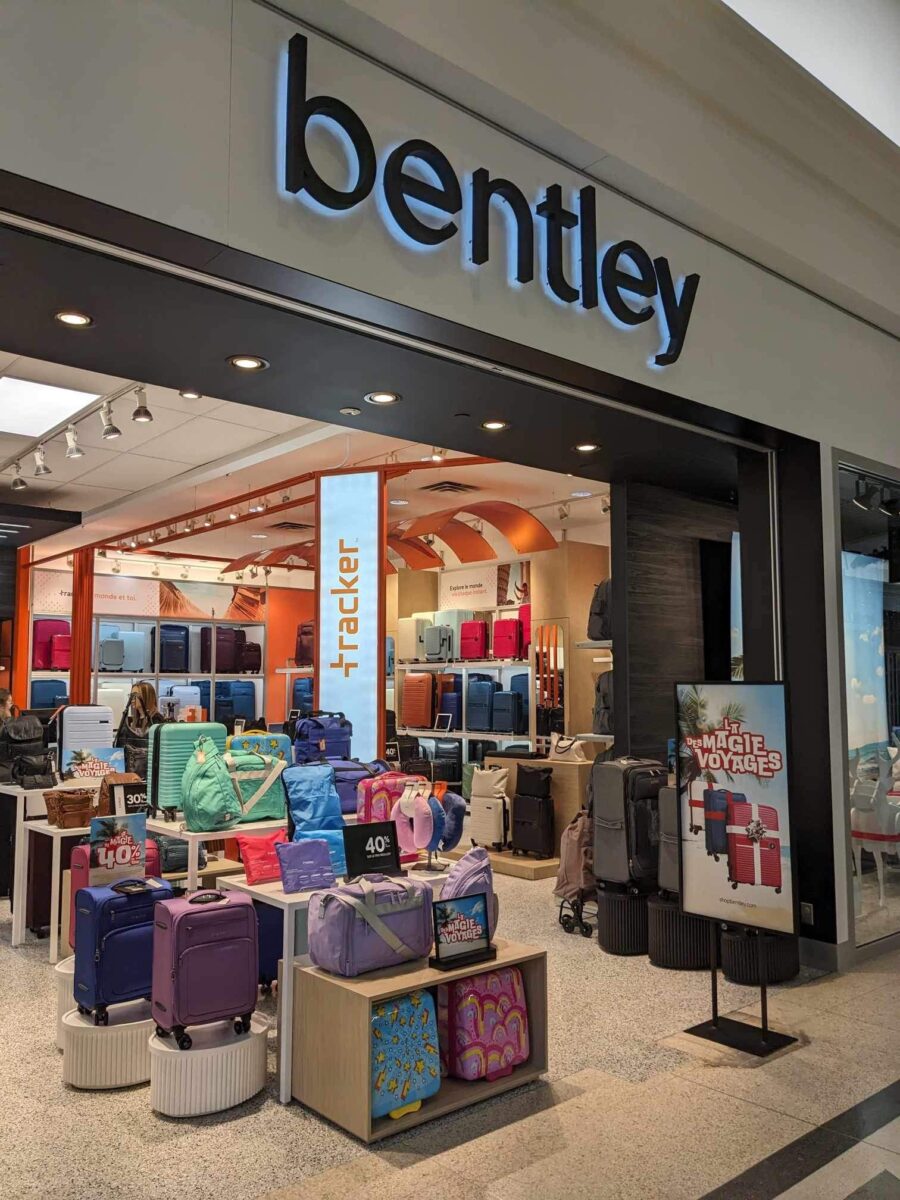
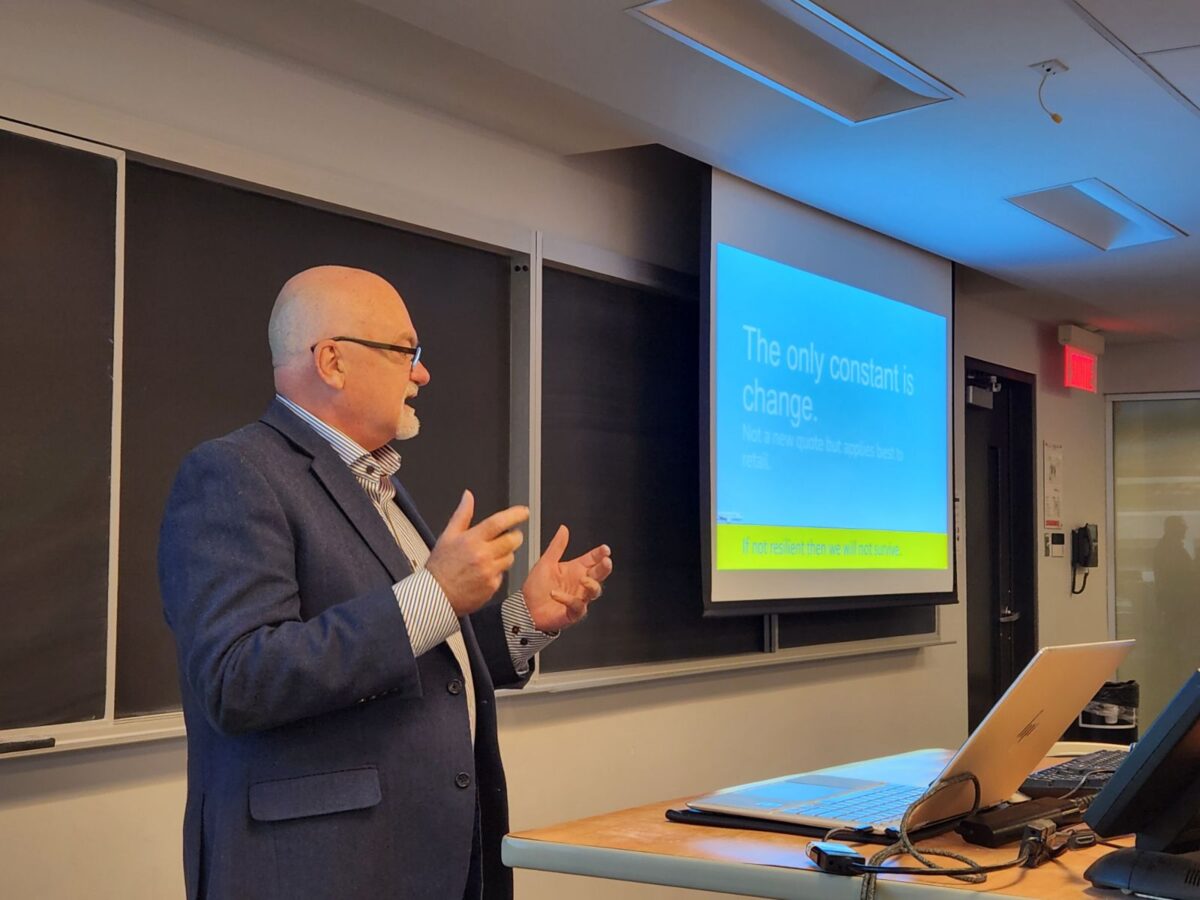
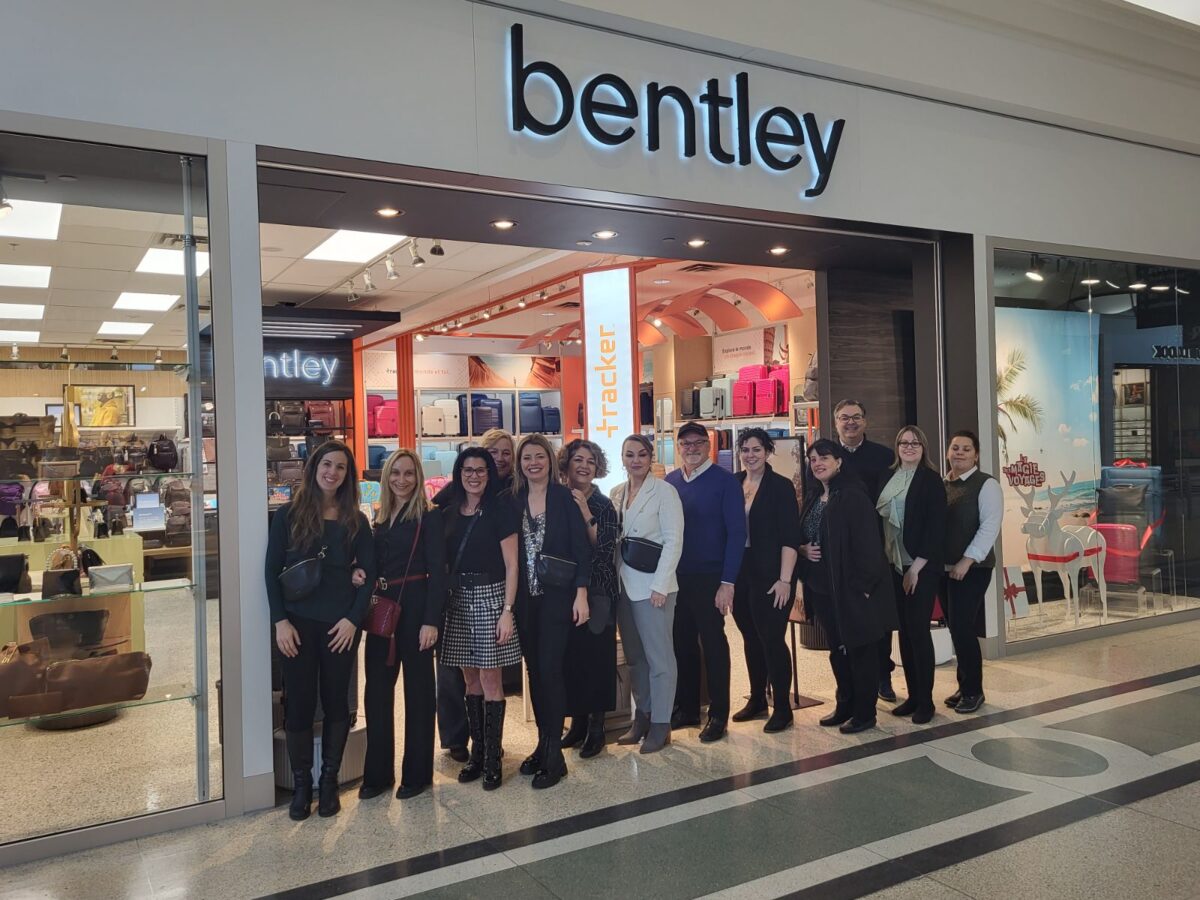
That led to executive jobs at Mexx Canada, Reitmans Canada and now Bentley, which has 158 locations across the country.
“You don’t have to be crazy to work in retail but it helps,” laughed Lamothe.
“The biggest thing has always been the customer. It has always been what is it that you can do. I’ve been a turnaround guy from store manager days. Just going in and seeing what the potential of the business could be, who the customer is, who the customer should be. Sometimes that’s not the same answer. And what is the white space that you can develop towards. And also managing towards the changing times.
“This whole COVID and post COVID and whatever the heck we’re in now. All of this is really just basically understanding how the consumer behaviours are changing. Never a dull moment. Then you have technology and everything to do with social media and how the consumers consume video and how that’s just a different delivery system.
“So when I look at retail today, I look back and say what’s different. Well back in the day when I was selling vegetables door to door it was still produce the best product, deliver to the customer, it was still get your feedback from the customers and get paid what you deserve. And you improved yourself year after year. It’s no different today. The only difference is how the delivery system is working. So instead of somebody showing up at your door selling the vegetables, you’re getting Walmart delivering it by ecom.”
There have been some tough times as well for him in the industry. But he said two things motivate people and himself. “Is what we’re doing worth it?” That’s the first thing. If it’s worth it, it’s a question of time, energy and finances. “If it’s worth it, who do you bring along for the ride?” Not just the employees who are important but anyone associated with the business. That’s when people pull together.
Everyone has their own philosophy of being a manager but to Lamothe it’s being open and “telling it as it is.”
“I often say I don’t have two agendas, I’m not smart enough,” quipped Lamothe. “Just be honest. Be forward. For me, don’t take anybody for granted. Tell it as it is. People are pretty mature and grown up and they appreciate that a lot better than saying everything’s fine when it isn’t.”
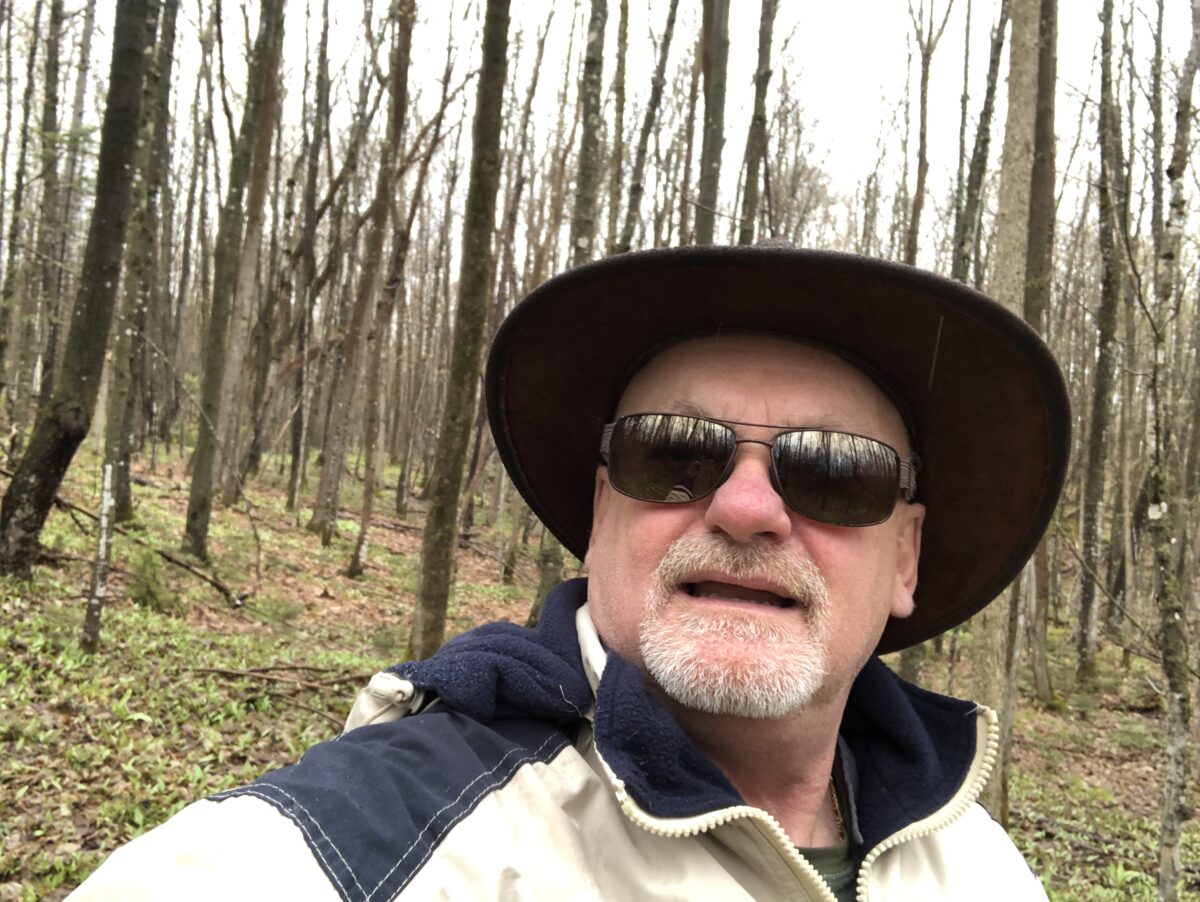
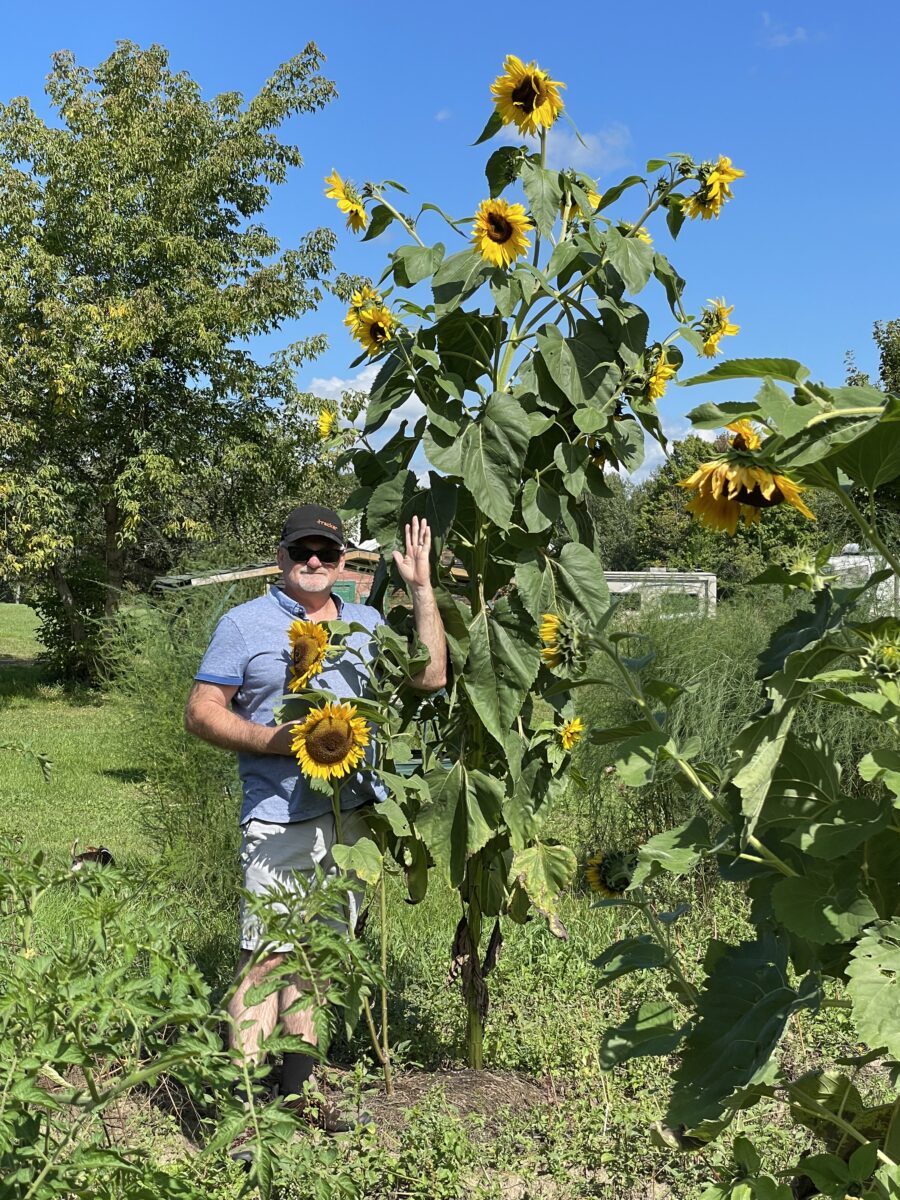
Lamothe continues to enjoy being on the farm. A place to fish and do other outdoor activities. It is his refuge.
“It’s a 150 yard driveway. You go into another universe . . . I do too big a garden and I cut too much grass and I like to have fires . . . When you’re in the job day to day, thinking about the item you just developed, or you’re thinking about the minutiae of the business, as soon as you’re away you’re thinking more about the three-year run of this thing. And there’s nothing better than gardening to do that. I like to control my thinking and say I want to think about this, there’s something I need to think about. So that’s what I will think about while I’m doing this task. I can actually control what I’m going to be thinking about.”