Vivobarefoot is opening its second Canadian store on Toronto’s Queen Street West as barefoot-style footwear continues gaining momentum among consumers seeking a blend of wellness, performance, and fashion.
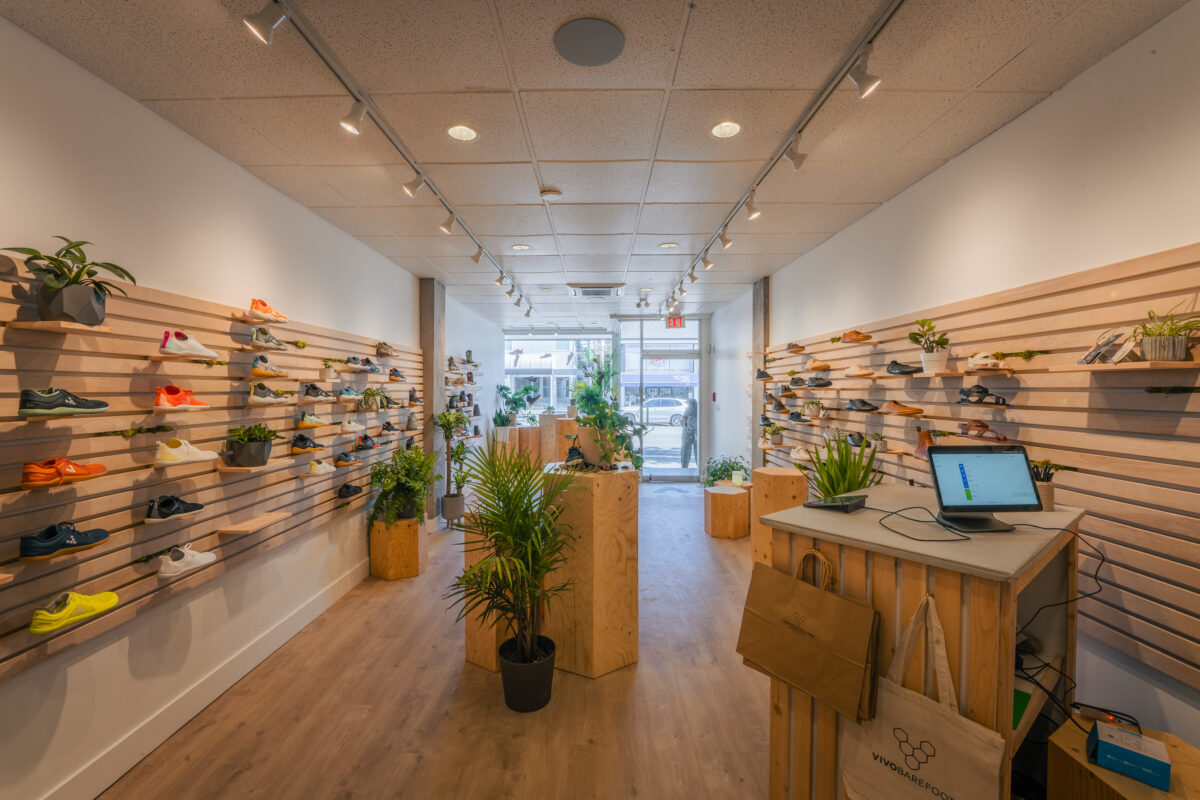
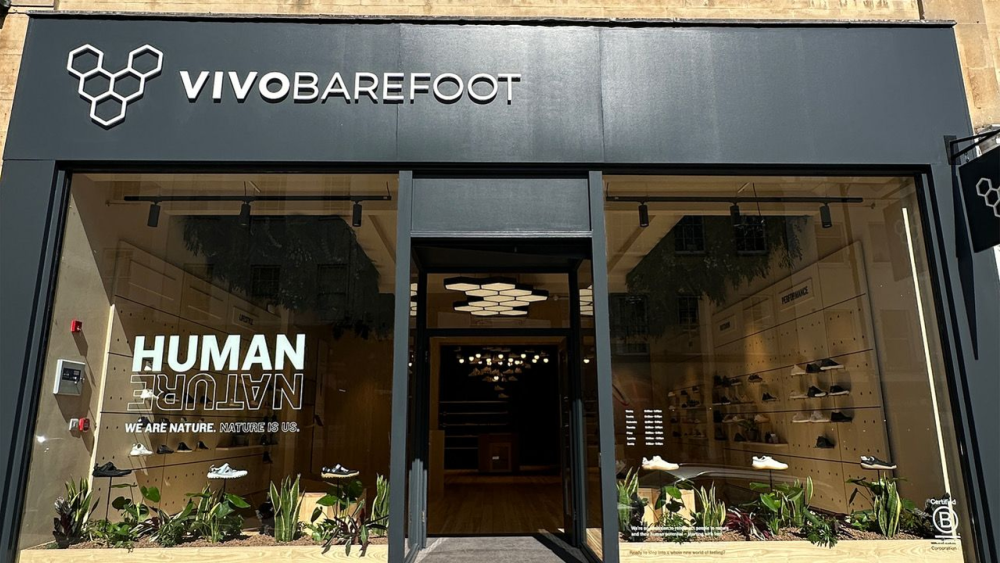
The British footwear brand will open at 666 Queen Street West in the former Oak + Fort space, marking the company’s biggest Canadian expansion move since entering the market with a Kitsilano store in Vancouver roughly three years ago. The Toronto location, expected to open June 20, will span approximately 1,200 square feet.
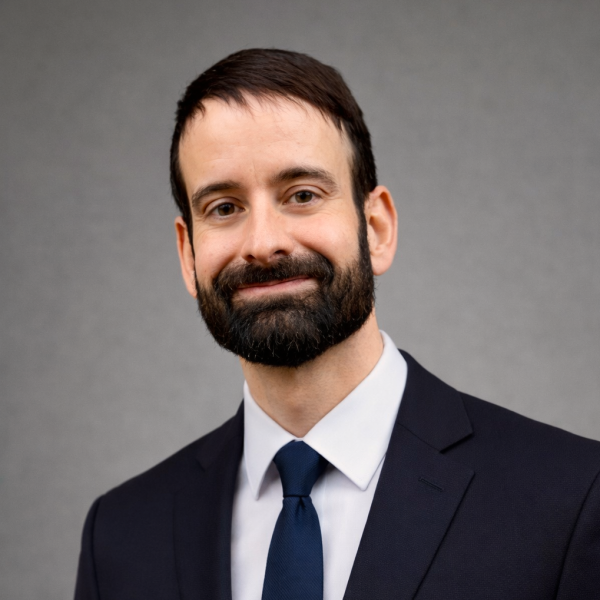
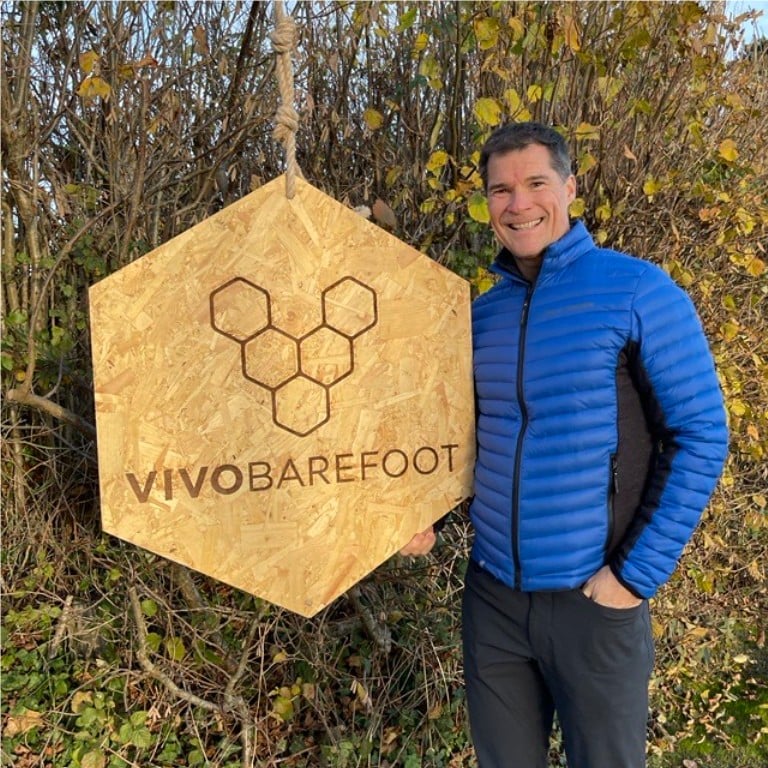
For Andrew Bentley, who holds the exclusive Canadian distribution rights for Vivobarefoot, Toronto represented the obvious next step as awareness around minimalist footwear continues to grow.
“There’s a natural pull toward Toronto,” Bentley told Retail Insider in an interview. “It’s one of North America’s leading cities, and people here understand fashion, wellness, and new consumer trends.”
Bentley said the Queen West location was selected because of the area’s combination of fashion-conscious consumers, strong pedestrian traffic, and wellness-oriented demographic, particularly around nearby Trinity Bellwoods Park.
The company also saw similarities to Kitsilano in Vancouver, where Vivobarefoot established its first Canadian physical retail presence.
“It’s a community where people care about health and movement, and they’re willing to invest in those things,” Bentley said.
Toronto Store Builds on Vancouver Momentum
Bentley said the Vancouver store helped demonstrate that Canadian consumers were increasingly open to footwear concepts that combine function, lifestyle, and fashion.
“We’ve continued to see double-digit growth from the Vancouver store,” he said. “A large percentage of customers are still discovering the brand for the first time, which tells us there’s growing awareness around the category.”
The Kitsilano location has also become a destination for travellers already familiar with Vivobarefoot internationally, reinforcing the role physical retail can play for brands built around education and customer experience.
Bentley recalled one family visiting from Mexico City who FaceTimed relatives while shopping in the store before ultimately purchasing about a dozen pairs of shoes.
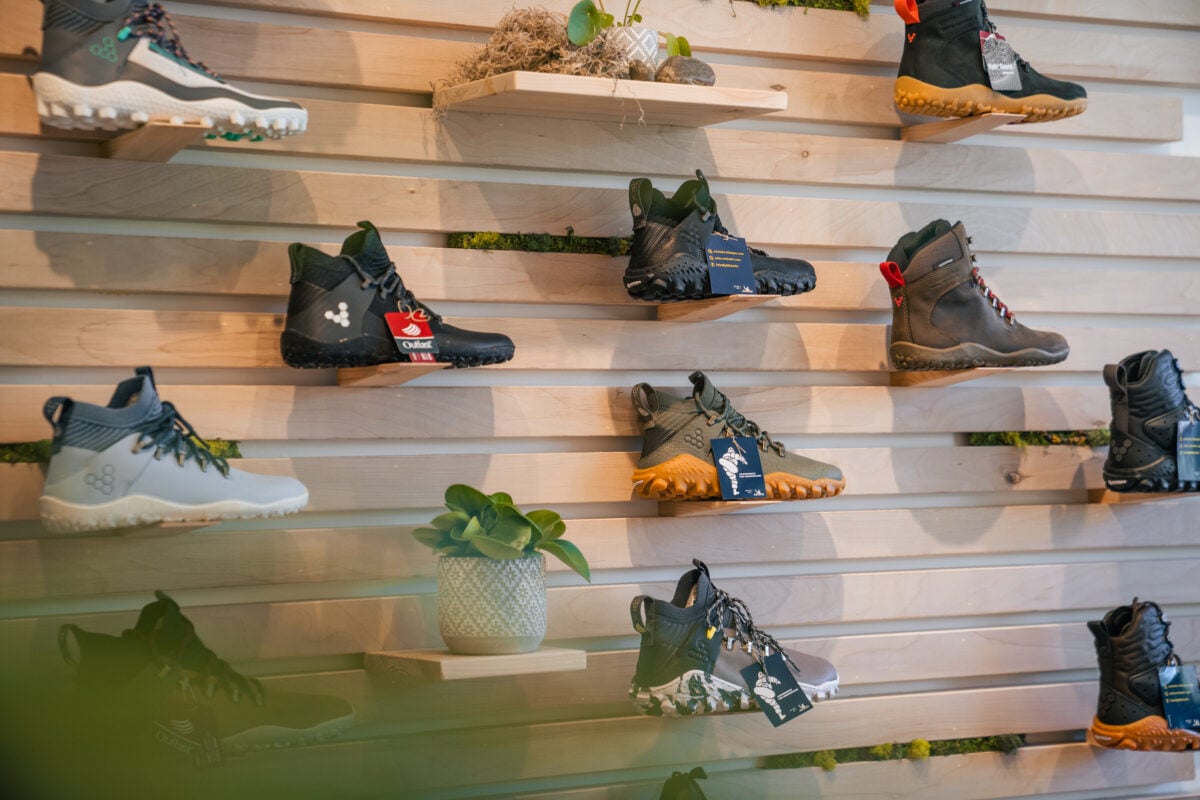
Founded in 2012 by Galahad and Asher Clark, members of the Clarks footwear family, Vivobarefoot has built a global following around minimalist footwear designed with flexible soles, wide toe boxes, and an emphasis on more natural movement. The company is also B Corp certified and has developed sustainability initiatives focused on repair, refurbishment, and resale.
Bentley said the Toronto location will become the company’s second concept store in North America. A New York City location is also planned for the Soho area.
Physical Retail Remains Important for the Category
While Vivobarefoot continues expanding online and through wholesale partnerships across Canada, Bentley said physical retail remains important because many consumers are still unfamiliar with barefoot footwear and want in-person guidance before making a purchase.
“The category still requires education,” he said. “People want to understand what makes the product different and how it’s meant to function.”
Vivobarefoot currently works with several wholesale partners in Canada, including retailers in Toronto, Ottawa, and Saskatoon.
The Toronto store is expected to host fittings, community events, and movement-focused programming as the company works to build awareness around the category.
That approach reflects a broader shift among wellness and performance brands toward experience-driven retail environments that emphasize community and education alongside product sales.
Minimalist Footwear Gains Wider Attention
Bentley believes barefoot footwear is increasingly moving beyond its traditional niche audience as athletes, wellness consumers, and fashion shoppers become more aware of the category.
“We’re seeing barefoot footwear evolve into a category of its own,” he said.
He pointed to growing adoption among professional athletes and sports organizations, including NHL players and training programs that incorporate minimalist footwear into conditioning and rehabilitation routines. Bentley also noted that larger fashion companies have recently introduced minimalist-inspired footwear products, which he views as further validation of the category’s growing visibility.
At the same time, Vivobarefoot continues emphasizing sustainability as part of its broader brand strategy.
“There are billions of pairs of shoes entering landfills every year,” Bentley said. “We want to think differently about how footwear is made, repaired, reused, and kept in circulation longer.”
The company operates refurbishment and resale initiatives internationally through its “Revivo” platform and has introduced “ReLoved” programs in Canada designed to extend the lifecycle of footwear products. Vivobarefoot is also exploring customized production concepts, including foot-scanning technologies and more localized manufacturing approaches aimed at reducing waste.
Montreal Identified as a Potential Next Market
Although the company remains focused on establishing its Toronto store, Bentley acknowledged that additional Canadian expansion opportunities are already being considered.
“Montreal is definitely a market we’re interested in over the longer term,” he said.
For now, however, Toronto represents an important milestone for the company as Vivobarefoot looks to expand awareness of barefoot-style footwear within Canada’s largest retail market.
“We want to create products that feel natural while still being stylish enough for everyday life,” Bentley said. “That balance is a big part of what Vivobarefoot is about.”