

Sainte-Catherine Street in Montreal needs to improve its occupancy rate by another eight per cent to be considered fully recovered from the pandemic, says a report from real estate firm JLL.
Canadians have increasingly displayed a heightened appetite for new in-person socializing and entertainment experiences given the pandemic and its isolating effects, which should influence how empty spaces will be filled out in the near future, it said.

Board game cafés, escape rooms, virtual reality, and competitive socializing concepts are among the most popular small-sized entertainment concepts that would add a much-needed element to an otherwise well-rostered street, added JLL.
“Already renowned as an entertainment hub, new concepts are sure to benefit from the many nearby residential projects delivered in recent years, adding to the mix of office workers, tourists and university students. The much-anticipated new light rail transit line, which will connect the four corners of the city to the downtown core will attract people who might otherwise have decided to stay in the suburbs. Sainte-Catherine Street is literally at the heart of Montreal’s business, cultural, and entertainment districts. All the ingredients are there for a vibrant and lively mix of entertainment concepts,” said Jesse Provost, Associate Vice President, Retail at JLL.
With the pandemic creating a public shift toward online shopping, pop-up stores are becoming more commonplace. Whether it is digitally-native clothing retailers looking to obtain a physical presence, or local retailers affected by the pandemic looking to make a comeback, pop-up stores are excellent at generating hype and giving retailers the opportunity to safely test a market before making a larger commitment, said JLL.
“It’s anticipated that Sainte-Catherine Street will become home to many first-in-market pop-up concepts in the coming years given the street’s prominence and ability to attract foot traffic,” said the report.
“Unlike typical retailers, pop-ups thrive on temporary presence. By doing this, pop-ups can promote a sense of urgency from their customers, inviting them to shop at their store prior to their imminent closure.
“Some pop-ups that have recently opened in the GMA include Arkad, Zellers, and Turquoise’s Treasures. Another pop-up coming to Montréal is Shein, a clothing e-retailer that is set to arrive in July. The brand had recently opened a four-day pop-up in Toronto, which created a steady stream of line-ups and was deemed largely successful.”

Johanne Marcotte, Executive Vice-President Property Management, Retail at JLL, said: “With catalogs of products available at their fingertips, consumers are looking for experiences that go beyond traditional shopping. Retailers can meet these changing preferences by offering pop-up formats which hugely benefit them. Temporary locations and activations provide an opportunity to gather real-time reactions from customers, understand market demand and evaluate the long-term visibility of their concept. This flexibility enables brands to fine-tune their strategies, product offerings, and customer experience based on their direct feedback.”

The report said the luxury sector is one of the retail categories that has seen almost uniformly positive results in North America and was one of the first categories to bounce back after lockdown restrictions were lifted.
“While the current elevated interest rates and the economic uncertainty that they bring can be challenging for price-sensitive consumers, it’s important to note that affluent luxury consumers experienced relatively little turbulence during the pandemic,” said JLL.
“In turn, these shoppers should continue to overcome current economic obstacles and provide much-needed consumption stability. The sustained demand for premium products should provide a ripe opportunity for luxury retailers. According to a Business of Fashion survey, just under 80 per cent of respondents expect to visit luxury stores as often or more frequently this year compared to 2022. Just over 50 per cent of respondents plan on visiting a luxury store each quarter . . . Some luxury retailers that have recently teased future openings in the GMA include Tiffany & Co, Louis Vuitton and Gucci.”
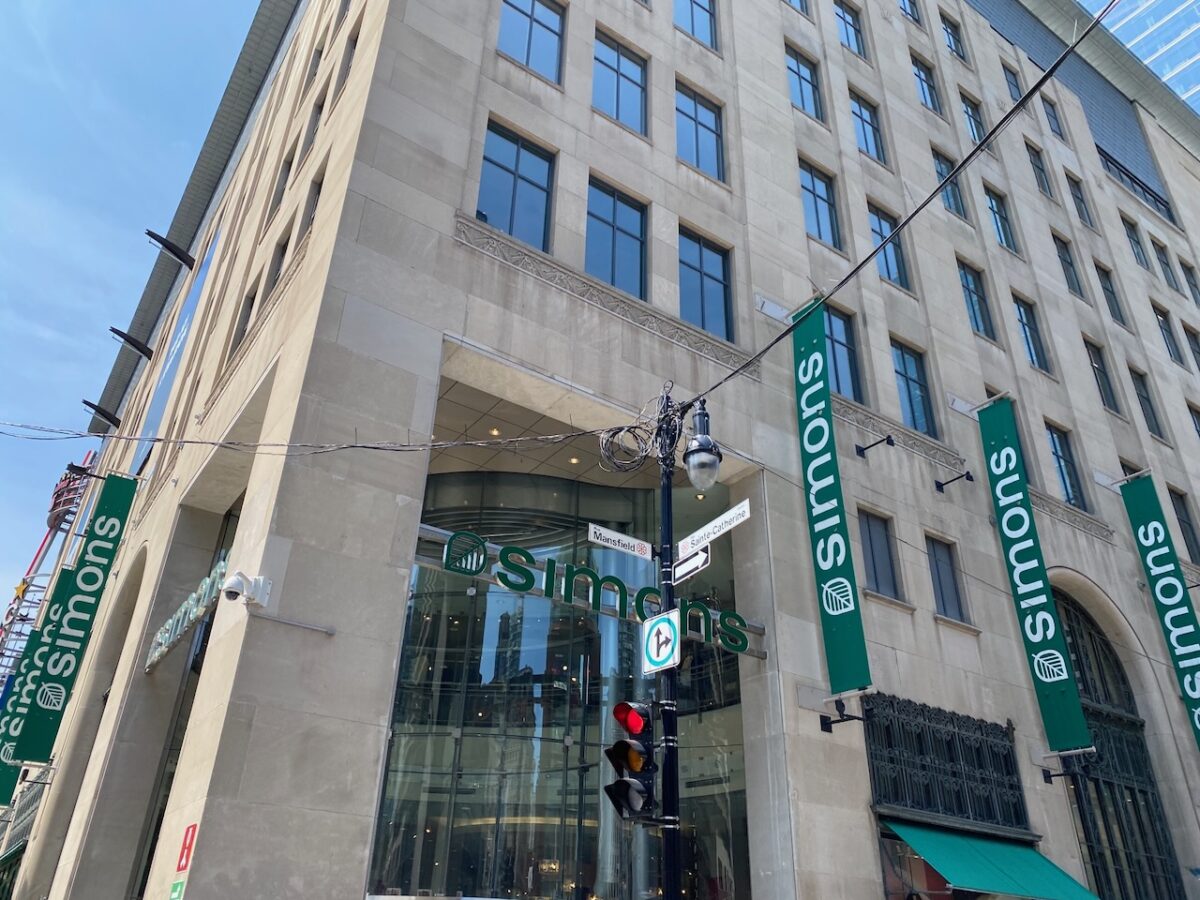
Sainte-Catherine is the commercial artery of downtown Montréal. Reaching residential areas, the street stretches for over 11 kilometres and can be accessed by nine metro stations. Tourists and locals alike gravitate towards Montréal’s premier high-fashion district, which is home to many of the city’s most popular retailers such as Simons, Apple, Canada Goose, H&M, and more.


Provost said the most important thing that came out of the JLL report is the indication of an increase in activity on the street.
“We have been seeing retailers either relocating, moving or leaving,” he said. “Overall, there’s activity on the street. We’ve also seen rents start reflecting the new reality and with increased activity landlords are starting to ask for more net rent on the street.
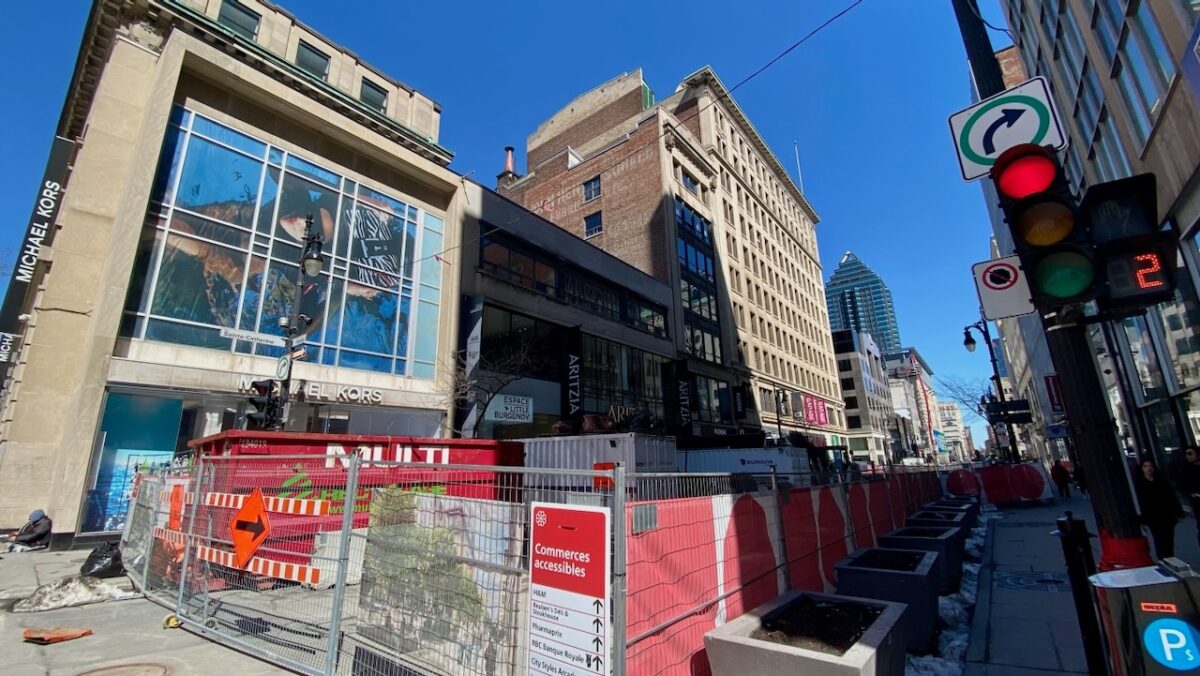
“I think pre-pandemic the street was experiencing some turmoil or some difficulties with the street renovation project. This continues but we are seeing the light at the end of the tunnel. Some majors are relocating such as Apple which is going to be one of the largest in Canada. Alo Yoga is also going to be opening across the street from the new Apple. There are new players in the market.
“Are we back to pre-pandemic? I would say very close to that and with a lot of optimism in the future . . . There are quite a bit of retailers looking at Sainte-Catherine Street for two reasons. One, I think the people at Royalmount did an excellent job of bringing attention to Montreal as a market. So there’s a lot of first to market within that project. Many of those may look to do a second in the downtown core some day. And other retailers which didn’t see themselves as the right fit for Royalmount are also considering Sainte-Catherine Street. We’re seeing new players consider Montreal on the national or even international scale now.”

All three major intersections on the high street saw their pedestrian counts double between 2021 and 2023, with the Sainte-Catherine and Guy intersection registering the highest increase at 153 per cent, followed by Sainte-Catherine and Peel at 126 per cent, and lastly with Sainte-Catherine and Crescent at 114 per cent, said the JLL report, adding that overall, foot traffic between the intersections increased by 127 per cent from 2021 to 2023.
According to STM data, ridership in metro stations neighboring Sainte-Catherine Street have increased year over year. Between 2021 and 2022, ridership increased by an average of almost 72 per cent across stations near Sainte- Catherine Street, which is significantly higher than the STM’s overall average of 49 per cent. Among the neighboring stations, Peel recorded the smallest increase in ridership (64 per cent), while Lucien-L’Allier witnessed the highest growth (88 per cent), said JLL.












St. Catherine Street has been my favourite downtown street in Canada since I first visited as a tourist a few decades ago. It’s still a dynamic place to walk, especially on cold winter weekends and warm summer nights, a place to pass through on my way home from coffee with friends, after classes or an event or when I have nothing better to do. I’ll be visiting Royalmount when it opens, but am highly doubtful that it will become a regular destination. Suburban malls are too generic, no matter how many luxury stores try to draw you in.
I’m looking forward to visiting Alo Yoga and the relocated Apple store when they open. They, along with Uniqlo, Décathalon, Nike and more athleisure-focused stores in and around Eaton Centre, are more likely to tempt me to open my digital wallet. There are still things missing that St. Catherine needs, like hot dog stands (serving veggie dogs, please) and other mobile businesses that you see in the downtowns of dynamic cities. It’s hard to find a decent coffee.
The city needs to create regulations that would attract some of the cafes and boulangeries that draw Montrealers to Mile End and the Plateau. And don’t get me going about the provincially-regulated antiquated shopping hours. I keep telling people that I love French, so the language laws here don’t bother me at all. If anything ever tempts me to leave Quebec for somewhere else, it will be seeing stores close just when I have time in the day to shop. I do a lot of shopping online for that reason alone.
I found the most interesting point to be Jesse Provost’s perception that Royalmount’s success at attracting first to market retailers to Montreal actually contributed to Sainte Catherine Street’s improved outlook. Indeed, many retailers opening in Toronto, Vancouver and Calgary have tended to look at Montreal as a no-go zone, terrified of Quebec linguistic and cultural hurdles (even international operators) or simply believing the market was not there. I had not considered the possibility that some brands would turn down Royalmount as not right for them to look at Sainte Catheriine Street instead, and that others, perhaps after initial good results at Royalmount might consider opening a second door on Sainte Catherine too. I hope this optimistic trend for downtown comes to fruition.
They story about st Catherine street coming. back to pre COVID levels is pure fiction. The number of empty stores due to the ridiculous rents is out of control. The construction on the street has made it impossible to go downtown. The city is broken . The encampment at McGill has gone on way too long.
The mayor is out of touch. The encampment at McGill is a blight on the city.