Many individuals may not fully appreciate the extent to which the world can be excessively noisy, bright, and sensorily aggressive. For most, visiting public spaces like grocery stores or restaurants is a routine experience. While some people seek out intense sensory experiences, with loud music and vibrant lights, for others—such as parents of autistic children, seniors yearning for tranquility while engaging with their community, or anyone desiring a serene environment for daily tasks—the world can seem distinctly unwelcoming.
Recognizing this, an increasing number of retailers, including Walmart, and dining establishments like St-Hubert, are introducing sensory-friendly hours. Similarly, grocers like Sobeys are following suit. During these designated times, wall-mounted televisions display static images, the radio is silenced, and lighting is subdued.

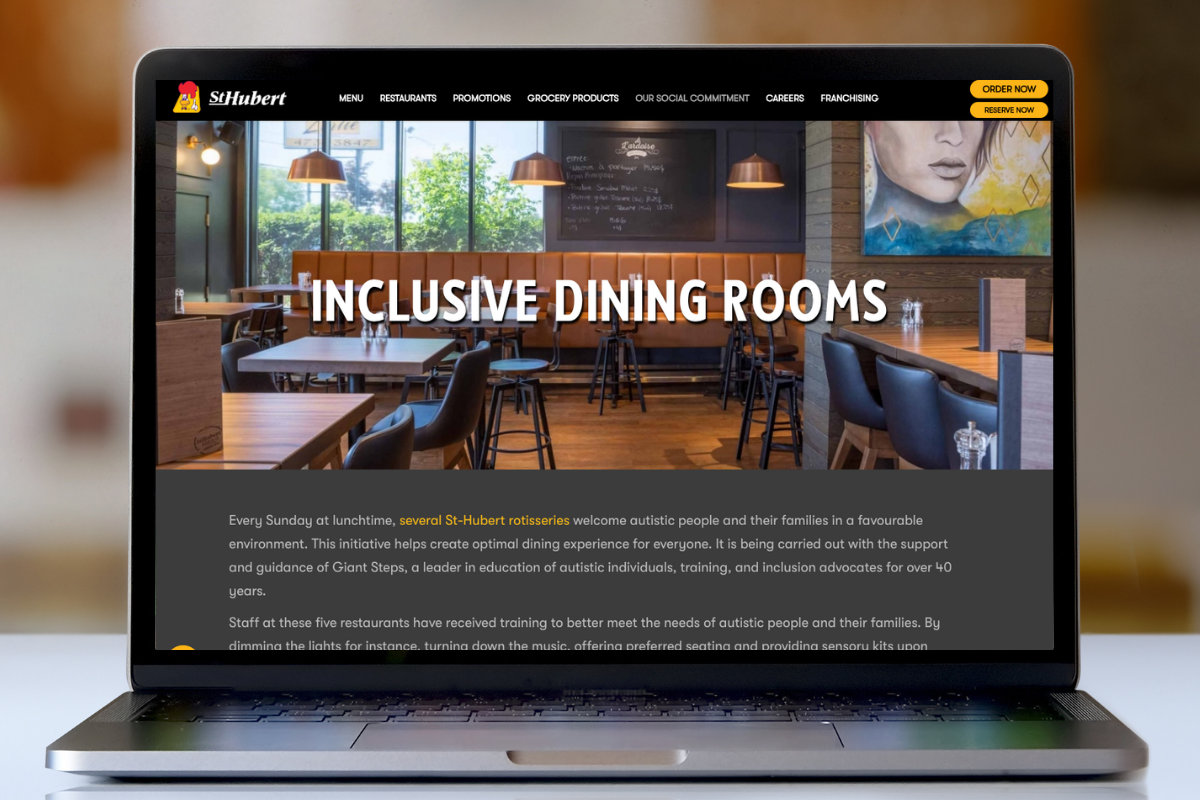
In the realms of marketing and entertainment, the value of calmness is frequently underestimated. This leaves many pondering where they might find environments that cater to their specific needs for comfort and tranquility. As a result, a growing number of people are actively seeking out less sensory-aggressive environments for their shopping and dining experiences.
The modern consumer landscape is characterized by a barrage of sensory input, driven by companies’ relentless efforts to engage their customers. These businesses are adept at identifying, anticipating, and fulfilling customer needs, crafting highly immersive experiences. For example, a grocery store might employ vibrant displays, enticing aromas, and interactive elements, while a restaurant meticulously curates its lighting, music, and décor to enhance the dining ambiance. Such strategies are designed to capture and retain customer attention, fostering a sense of belonging and satisfaction.
However, this intense engagement can lead to sensory overload. With an abundance of stimuli—ranging from colorful advertisements and background music to digital screens and promotional materials—customers can become overwhelmed. The intention to cater to every conceivable need and preference results in environments saturated with information and choices, complicating the decision-making process. While these efforts aim to make customers feel valued and connected, the sheer volume of sensory input can sometimes have the opposite effect, inducing fatigue and decision paralysis. Consequently, the very strategies designed to build loyalty and attention can inadvertently alienate some customers.
Therefore, a shift in the approach to sensory stimuli is welcomed by many. In an era where instant information is the norm, businesses striving to remain competitive often inundate customers with constant updates. However, this can be counterproductive. A growing number of people are rejecting the notion that they must be constantly bombarded with information and sensory input.
Efforts to make food retail and service more inclusive are commendable, benefiting both retailers and food service establishments that can adapt to these needs. In the food industry, diversifying the menu, such as by adding plant-based options, is one approach. Equally important is creating an environment conducive to a diverse range of sensory preferences.
In essence, calm and serenity in public spaces are underrated, but that is slowly changing. This evolution represents a significant step forward, and more businesses should consider adopting such practices where feasible.