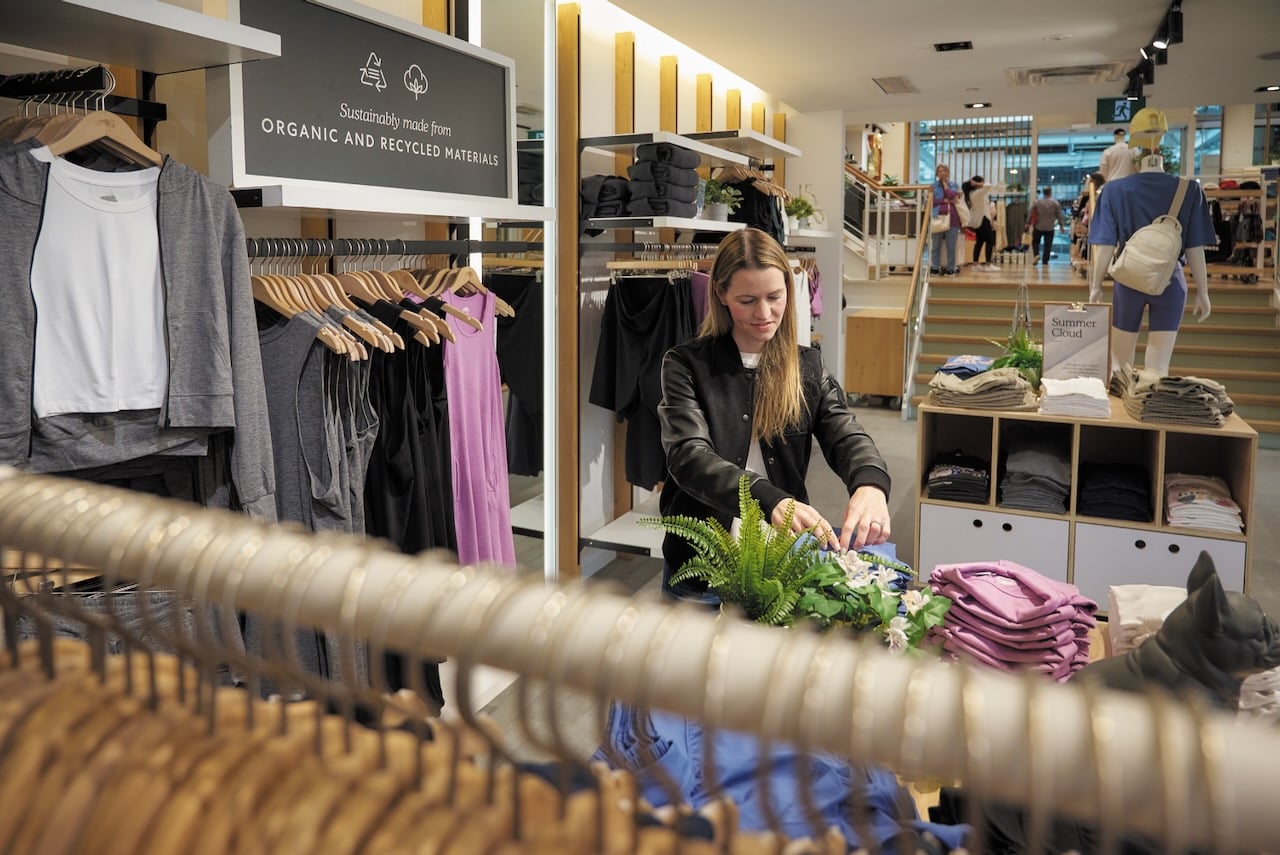
Small-format stores have plenty of benefits in the retail industry. Yet, they can also pose unique challenges. If you’ve thought about opening a small-format business, keep reading to find out the pros and cons, along with some tips to help you get started.
What is a Small-Format Store?
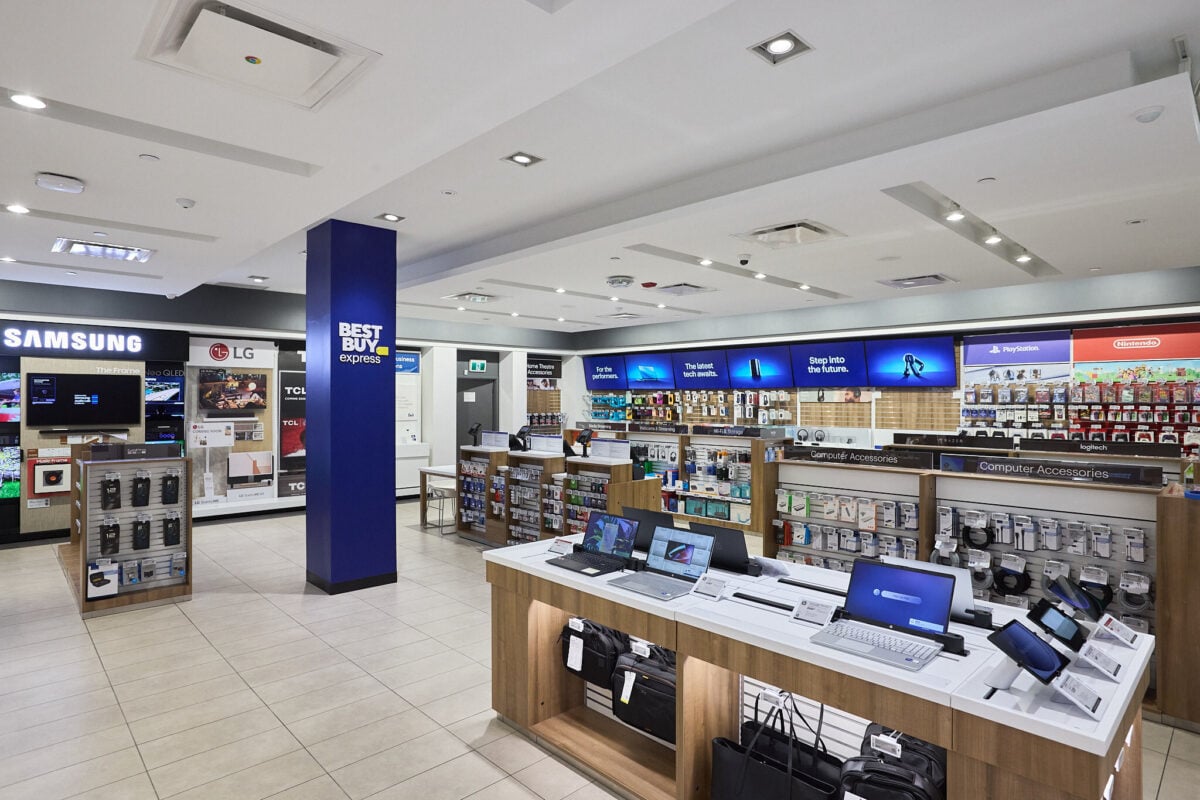
Small-format stores usually refer to large retail chain locations that offer only part of their normal inventory. Macy’s, Best Buy, and Sephora are just a few examples of chains with small-format versions.
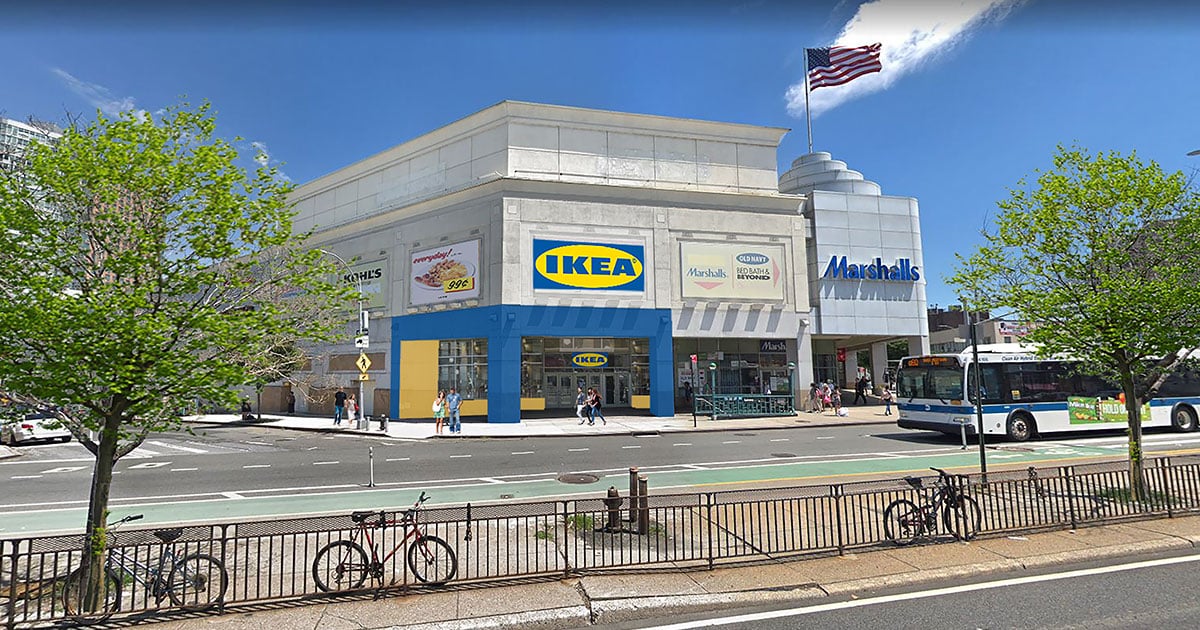
Small-format is very new to many companies, so retailers are still experimenting with it. Walmart tried opening 100 small-scale stores across the U.S. in 2011 but closed them by 2016. However, other companies, like Nordstrom and IKEA, have found success in smaller locations.
Nordstrom is in the process of adding over 20 more small-format Nordstrom Rack locations to expand the chain’s reach. IKEA has been opening smaller stores with items customers can easily take home. Larger items can still be ordered and shipped.
Advantages and Disadvantages of Small-Format Stores
In most cases, the advantages outweigh the disadvantages of small-format stores, but it’s up to you to decide if it sounds like the right fit for you. The success of a small-format store varies based on how it’s run and what it’s selling.
Pros of Small-Format Stores
- Lower rent and bills
- Fewer employees needed
- Easier to find products in the store
- It is easy to adjust hours and products based on location
- Shorter but more frequent customer visits
Cons of Small-Format Stores
- Carries less variety than regular stores
- Not a lot of storage space
Tips to Help Small-Scale Retailers Succeed
Since small-format stores are a fairly new concept, it can be tricky to set one up. Here are some tips for new small-scale business owners.
Consider Your Location
With small-format stores in various locations, each one can cater to the needs of certain locations. For example, if it’s located near a college campus, you may want to carry pens, notebooks, and other school-related supplies. If it’s somewhere that’s warm year-round, consider items like sunglasses, sunscreen, and swimsuits to match the weather.
Also, if people are more active at night in the area, you can have your store open later than normal. This could be because people work late shifts nearby or because young college students live in the area. If the demographic is families or seniors, it may make more sense to open earlier instead.
Choose a User-Friendly POS
Every store needs a POS (point-of-sale system) to make it easy to check out customers. A good POS for retailers should make payments quick and easy while also providing convenient ways to manage inventory. If the checkout process is seamless, customers are more likely to have a positive experience.
Make the Most of the Small Space
Even though small-format stores have less space, you should still follow general store layout and organizations tips for best success. Put the products you want to sell the most at eye level so they catch people’s attention better. Place the most popular items in the back of the store so people might put other things in their cart along the way. Little tricks like this can make a huge difference in sales.
However, with a small shop, you’ll want to maximize your space without it feeling too cluttered. Instead of putting tables in the middle of aisles, decorate vertically by adding more shelves and wall displays. Adding some mirrors in the store’s design could also make the space feel larger and more open.
Maintain Brand Identity
Even though small-format stores are different than big chain stores, they’re still part of the brand.
Use similar colors, designs, and advertising techniques in your shop as you would in a bigger store. For example, a small-format Target store should still focus on the brand’s logo and the color red in designs. People are often more drawn to brands they recognize.

Is a Small-Format Store Right for You?
Small-format stores are a great way to create a location for a popular brand at a smaller scale.
Even though you won’t have as much variety, you can save money on rent, bills, and employees while making the store easier to navigate. If that sounds appealing to you, this might be the perfect business model.
(Content submitted by Rebecca Barnatt-Smith, Content Marketing Manager at Solvid Digital)
Related articles: