Canadians are choosing beverages with significantly fewer calories. This change in consumer behaviour began more than a decade ago. As a catalyst for action, the Canadian Beverage Association (CBA) launched the voluntary, industry-wide Balance Calories Initiative in 2015 as a collaborative effort to reduce the number of calories Canadians consume from non-alcoholic beverages.
A new decade-long analysis by Signal49 Research shows Canadians purchased 23 per cent fewer calories from nonalcoholic beverages in 2024 than in 2014, exceeding the Balance Calories Initiative (BCI) target of a 20 per cent reduction by 2025. The milestone was achieved in 2023, ahead of the original deadline.
The report, A Decade of Calorie Reduction, attributes most of the progress to product reformulation, the rapid expansion of no and lowsugar options, and sustained shifts in consumer preferences. Over the last decade, average calories per serving in purchased beverages fell by 20.3 per cent, while overall beverage volumes declined by just 3.3 per cent, underscoring that consumers are not abandoning the category but changing their preferences.
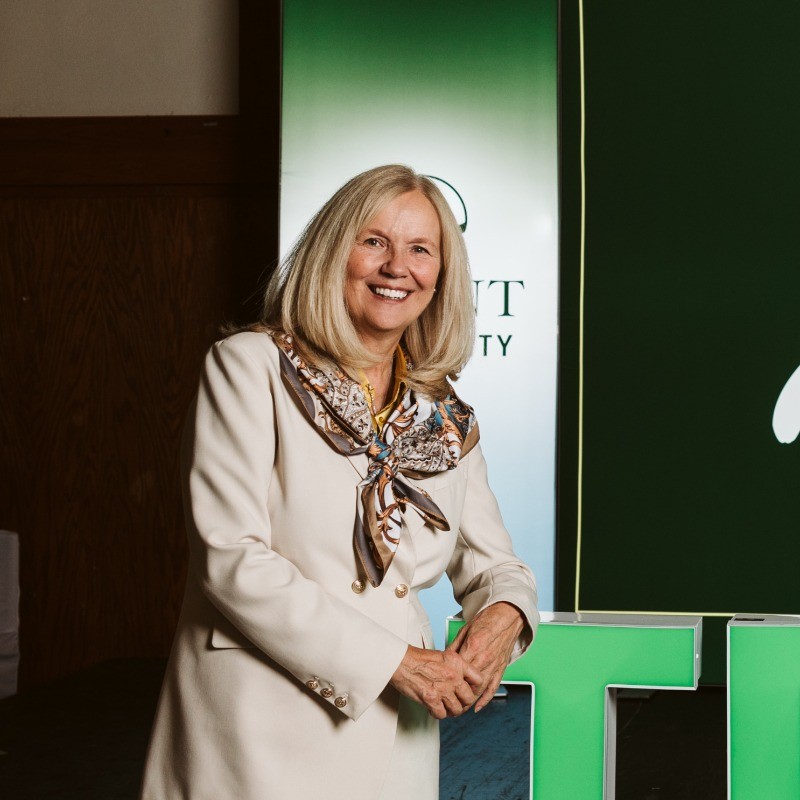
“This progress shows what’s possible when innovation, consumer demand, and public policy goals move in the same direction,” said Krista Scaldwell, President of the Canadian Beverage Association. “Our industry responded with reformulation and new product choice, and Canadians responded just as quickly.”
The most pronounced decline in beverage calories occurred between 2014 and 2017, as producers reformulated flagship brands, expanded diet and zero-sugar portfolios, and introduced smaller package sizes. By 2024, low and no-calorie beverages accounted for more than half of all beverage volumes sold in Canada.
“As an industry, we made a voluntary commitment, and delivered measurable results,” Scaldwell said. “Our members invested in innovation, reformulated products, and rebuilt their portfolios. That’s accountability in a competitive marketplace.”
Consumer preferences have also shifted toward convenience and functional hydration. Since 2014: Ready to drink coffee volumes increased 624 per cent, enhanced and flavoured waters grew 145 per cent, and still drinks shrunk 35 per cent.
Launched in 2015, the Balance Calories Initiative was a voluntary commitment by Canada’s major beverage producers to reduce calories consumed from nonalcoholic beverages.
More from Retail Insider: