As we are now into the busiest selling season of the year, the rise of returns hits a critical peak from the Black Friday through the holiday season.
Returns are a hidden environmental crisis, especially during the holiday shopping season, as over 9.5 billion pounds of returned items end up in landfills each year.
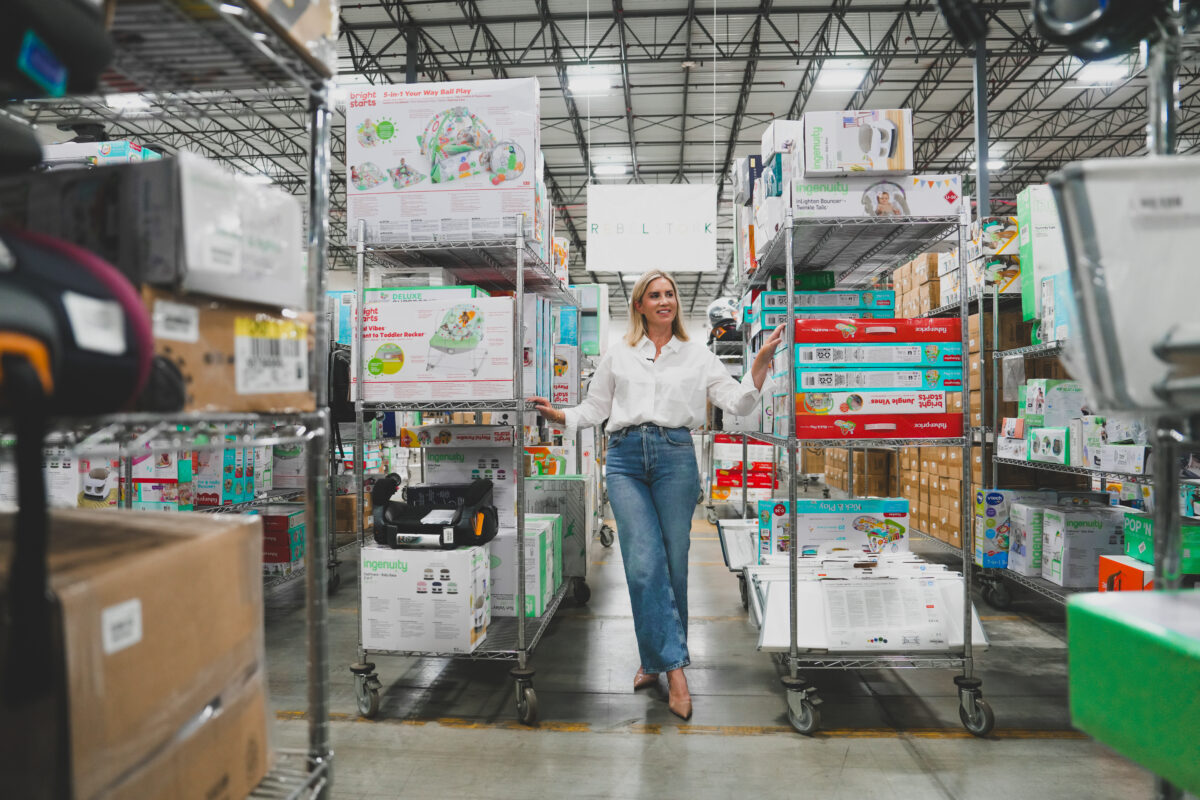
Recommerce companies like Rebelstork have developed the technology and platform to offer seamless solutions for retailers to handle returns in a more sustainable way.
Emily Hosie, Founder and CEO of the Canadian company, Rebelstork, said the company has revolutionized returns recommerce as it has partnered with more than 2,500 retailers and baby gear brands, enabling the resale of items that would otherwise be sent to landfills.
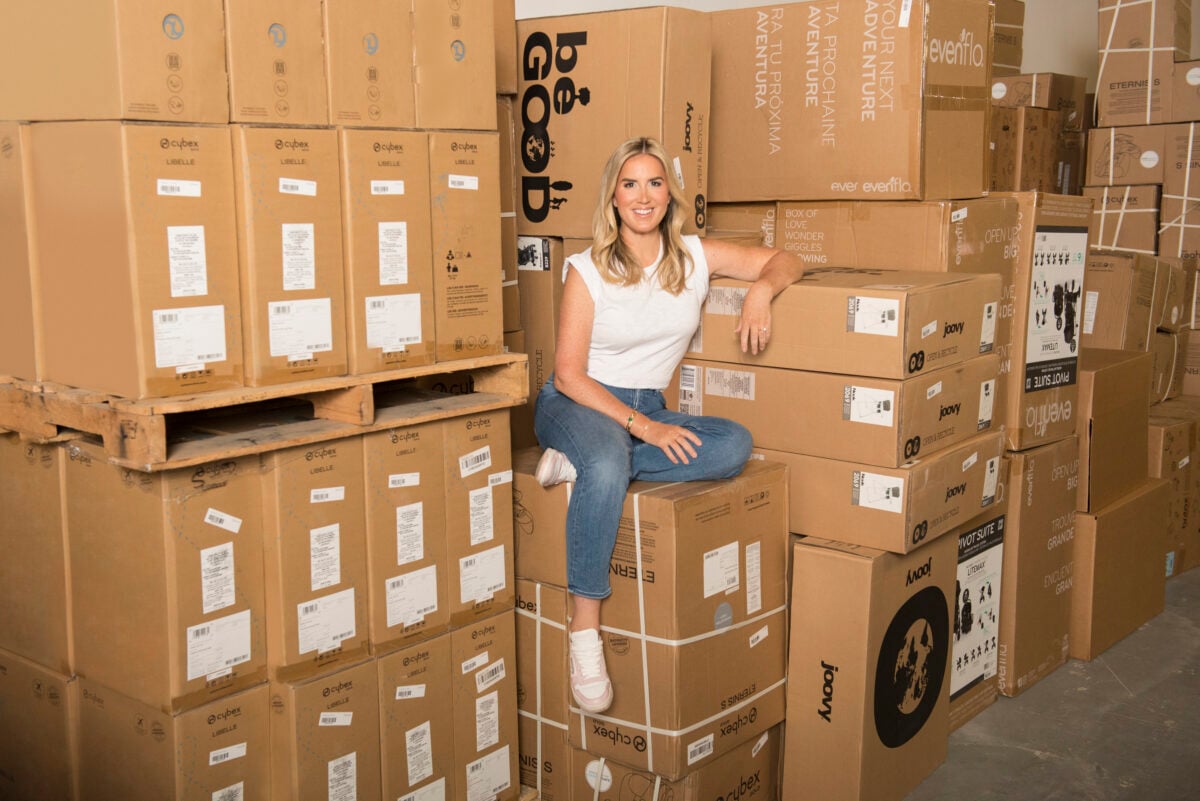
They are saving an average of 12 million pounds of baby gear from ending in landfills annually.
“We are the largest returns recommerce platform in North America, specifically in the baby gear industry. And most recently we soft launched into home returns,” said Hosie.
“What that means is we work with over 2,500 partners across the baby and home verticals, iconic global brands, smaller brands, as well as mass retailers and just retailers in general. And we work with them through our technology to reprocess their returns so that they can be diverted from landfill and available to customers across the United States and Canada at a fraction of the retail price.
“It’s the holiday season. It’s Q4, which means it’s heavy shopping season. It’s been for some brands and retailers over 30% of their total annual revenue coming from just Q4. So it’s a very important quarter. But what that does mean is that it does cause an influx of returns. Gifts that weren’t wanted, people changing their minds. It is the start of a returns’ influx, but I will say something we find interesting, there’s actually an influx of returns any time there’s a disruption or a sale happening in the full price market.
“Of course holiday causes an influx of returns but so does Amazon Prime right after Amazon Prime days. So does right after Target Circle days. Any time there’s like a mass amount of sales happening, it causes an influx of returns.”
Hosie said Rebelstork is considered a tech company and it built the technology to be able to inbound and process tens of thousands of unique returns every single day.
“I believe across all of our facilities in North America, we’re currently processing over 70,000 unique SKUs a week in the baby gear and the home verticals. Our inventory is able to ingest liquidation by the truckload.
“It’s able to uniquely identify and license plate every single item. It goes through a quality check process and then it goes live for our customers to be able to purchase,” she explained.
Benefits of a customer-centric return policy
Hosie said there’s a lot of benefits to having a really great and customer centric return policy. It drives foot traffic to stores. It creates consumer loyalty. It often increases wallet share. When somebody buys something and returns it, the stats indicate that customer is getting that money back and is then going to go and end up buying more than what the return value actually was.
“There is a lot of benefit to having a customer centric return policy,” she said. “And that’s why most companies do have a customer centric return policy. Those return policies aren’t changing anytime soon. The other main reason for the increase in returns is the big shift into online shopping. Online shopping has almost doubled the average return rate to in-store returns and it’s kind of just the behaviour of the customer that they’re buying multiple items to return multiple items.
“As we saw in COVID and it’s continued just online sales it continues to be growing at double digit paces.”

Hosie said often it is change of mind by a customer leading to a return or it’s not what a customer expected.
“I think that what’s important to talk about when we’re dealing with returns is that it is a crisis. It’s almost a trillion dollars and it keeps growing year over year. I think it’s just under $900 billion the estimate currently. But there’s solutions. When the majority of returns are being damaged and discarded or sent over to landfills, there are solutions that exist. Rebelstork being one of the largest ones. So it is possible for these brands and retailers to be making a new revenue stream on returns recommerce versus throwing perfectly good product out into the garbage. Returns are a crisis, but there are solutions to solve it. And we are one of them.”
Related Retail Insider stories:
- Rebelstork secures investment to help growth plans
- Video Interview: Rebelstork Making It Easier For Parents To Sell Their Baby Gear