Luxury resale is rapidly gaining ground in Canada, emerging as a powerful force within the broader fashion economy as consumer behaviour shifts and traditional retail faces mounting pressure.
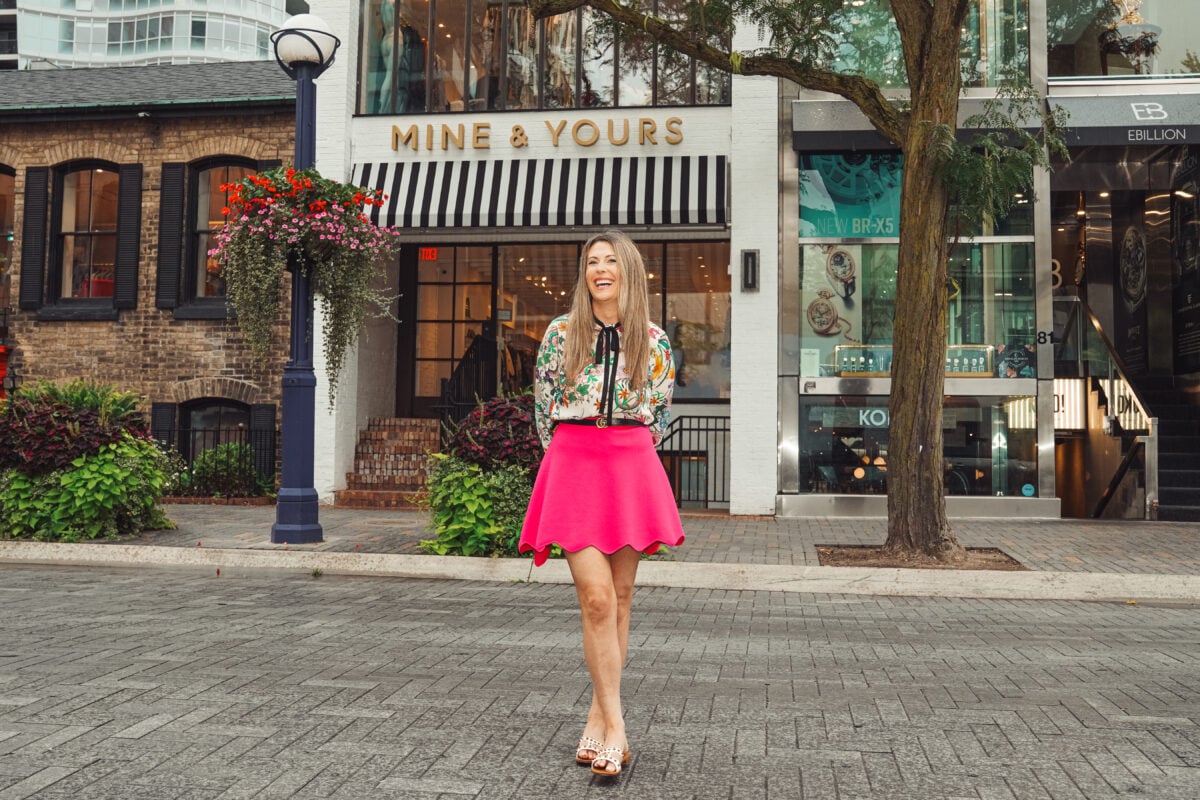
Vancouver-based resale retailer Mine & Yours is seeing that change firsthand. The company reported approximately 40% year-over-year growth, even as some primary luxury brands have experienced softer demand in recent periods. The performance points to a broader structural shift in how Canadians are approaching high-end fashion purchases.
Courtney Watkins, Founder of Mine & Yours, said the company has not experienced a slowdown despite economic uncertainty.
“We increased sales by about 40% last year over the year before,” she said. “We’re not seeing a decline at all.”
Affluent Consumers Drive Resale Adoption
The growth of luxury resale in Canada is no longer being driven primarily by budget-conscious shoppers. Instead, affluent consumers are increasingly turning to resale as a strategic way to access high-end fashion while managing spending more carefully.
Watkins said that the shift has become more pronounced in recent years.
“Where I think the growth of the industry is happening the most is actually with that luxury client shopper,” she said. “Years ago, it was more the younger client thrifting, but now that same customer is getting more disposable income and moving into luxury resale. At the same time, more traditional luxury shoppers are also entering the space.”
This convergence is reshaping perceptions of resale, moving it away from its historical association with necessity and positioning it as a normalized part of modern luxury consumption.
According to the 2026 ThredUp Resale Report, the global secondhand apparel market is projected to reach $393 billion by 2030, growing at roughly twice the pace of the broader apparel market. The report points to rising consumer interest in value, sustainability, and resale-driven shopping habits across North America.
Resale Becomes a Mainstream Shopping Behaviour
Consumer sentiment has shifted significantly, with resale now widely accepted across demographics. A recent April 2026 survey found that 66% of Canadians view thrifting as part of mainstream shopping culture, while 83% say purchasing secondhand goods makes economic sense given the current cost of living.
Importantly, stigma around resale continues to fade. About 60% of Canadians report feeling proud to showcase secondhand purchases, reflecting a cultural shift in how pre-owned fashion is perceived.
Watkins said the current economic environment may be accelerating that behaviour.
“When people are a little tighter on money, they think, ‘Maybe I won’t buy it new. Maybe I’ll find it secondhand so I can save,’” she said. “We’re actually seeing that help our business.”
The Rise of the “Resale Flywheel”
One of the most significant changes in the market is how consumers are interacting with their wardrobes. Rather than viewing clothing as a sunk cost, many shoppers now see luxury items as assets that can be resold and reinvested.
Industry data shows that as many as 60% to 67% of consumers consider resale value before purchasing an item new, while 57% are actively reselling items to generate income. This behaviour has created what industry observers describe as a “resale flywheel,” where consumers buy, resell, and reinvest in a continuous cycle.
Watkins said this dynamic is visible within Mine & Yours’ customer base, where sellers often accumulate store credit and apply it toward high-value purchases.
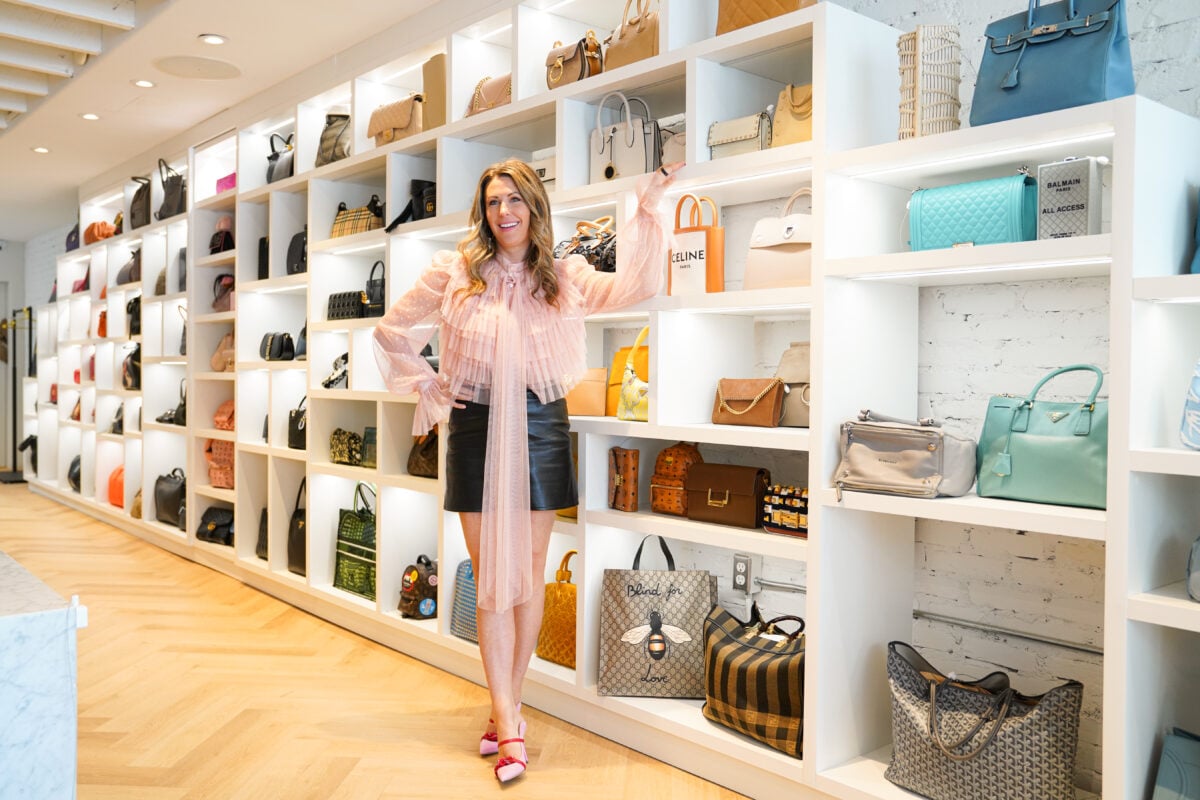
“We’re seeing a lot more of our sellers stack their store credit and put it toward a big purchase like a Birkin or a Kelly,” she said.
This shift is influencing not only resale but also primary retail, as consumers increasingly factor future resale value into their purchasing decisions.
Classic Luxury Brands Continue to Lead
Despite evolving consumer behaviour, demand within resale remains anchored by established luxury brands. Hermès, Chanel, Louis Vuitton, and Gucci continue to dominate sales at Mine & Yours, particularly in handbags.
Watkins noted that demand for Hermès Birkin and Kelly bags remains strong, even as some industry commentary has suggested otherwise.
“I keep hearing that Birkins and Kellys are over, but I don’t find that at all. We’re selling more than we ever have,” she said.
At the same time, apparel is gaining traction in the resale market, particularly for brands with strong current collections. Watkins pointed to Miu Miu as an example of a label whose clothing is holding value well on the secondary market, in contrast to the historical trend of steep depreciation in apparel.
Technology and Trust Accelerate Growth
Advancements in authentication and digital tools are also helping to fuel the growth of resale. Technologies such as AI-driven authentication platforms have reduced concerns around counterfeit goods, while online platforms now account for approximately 70% of resale transactions.
At the same time, physical retail locations continue to play a critical role for higher-value transactions, offering customers confidence and immediacy when buying or selling items valued at several thousand dollars.
For companies like Mine & Yours, this hybrid model has become central to operations, combining digital reach with in-store expertise.
A Parallel Luxury Economy Emerges
The continued growth of resale suggests that the sector is evolving into more than a complementary channel to traditional retail. Instead, it is becoming a parallel market that operates alongside primary luxury, with its own dynamics and drivers.
In some cases, resale may even influence primary market behaviour. As more consumers assess items based on their future resale value, brands that hold value well on the secondary market may gain an advantage in attracting buyers.
For retailers and brands, the implication is clear. Luxury resale is no longer a niche category or a secondary consideration. It is an increasingly central part of how consumers engage with fashion, manage spending, and define value.