

January 14, 2025, marks seven years since Sears Canada—a retail giant once synonymous with shopping in Canada—closed its final stores. This milestone prompts reflection on the retailer’s legacy, the reasons for its failure, and its lasting impact on the Canadian retail landscape. From its ambitious beginnings to its ultimate demise, Sears Canada’s story offers lessons for retailers navigating today’s ever-evolving market.
Sears Canada: From Entry to Expansion
Sears Canada began as a joint venture between Sears, Roebuck & Co. of Chicago and Simpsons of Toronto in 1952, forming Simpsons-Sears Limited. This partnership combined Simpson’s understanding of the Canadian market with Sears’ extensive catalog and retail expertise. The first Simpsons-Sears store opened in Stratford, Ontario, in 1953, followed by rapid expansion across the country.
At its peak, Sears Canada operated hundreds of stores and was a staple of Canadian households. Its catalog business became iconic, reaching millions of homes with a wide array of products, from appliances to clothing. The catalog, often called the “Wish Book,” was particularly significant during the holiday season, influencing consumer culture and creating nostalgia for generations of Canadians.

The Beginning of the End
Despite its early dominance, cracks began to appear in Sears Canada’s foundation by the 1990s. The company struggled to adapt to changing retail dynamics, facing increasing competition from Walmart, Canadian Tire, and later Amazon. The acquisition of the bankrupt Eaton’s chain in 1999 was a pivotal misstep. Sears attempted to reposition Eaton’s as a luxury brand, but the strategy faltered, and the Eaton’s stores were shuttered by 2002.
Leadership changes and strategic missteps further eroded the retailer’s position. By the early 2000s, Sears Canada faced mounting challenges, including an aging customer base, a lack of investment in e-commerce, and an inability to clearly define its brand. These issues compounded as competitors modernized and captured market share.
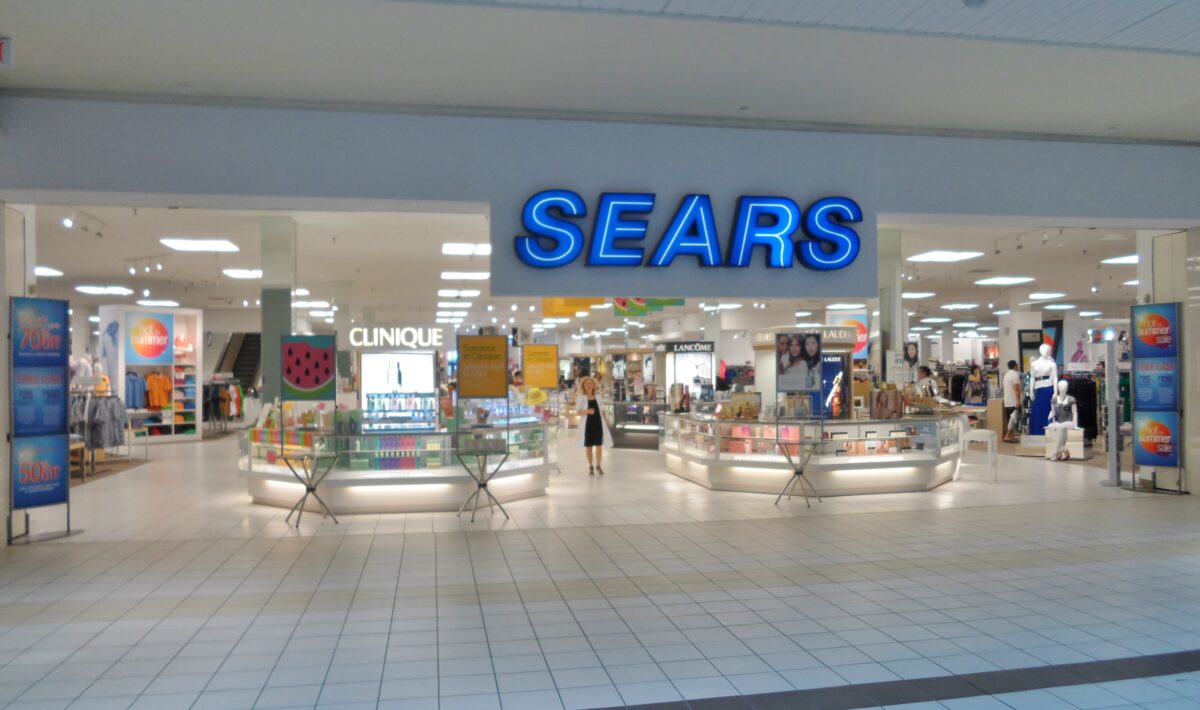
What Went Wrong?
Several factors contributed to Sears Canada’s downfall:
- Failure to Innovate: The retailer lagged behind in adopting e-commerce, leaving it ill-equipped to compete with Amazon and other online retailers. Its website lacked the functionality and user experience needed to attract modern consumers.
- Leadership and Ownership Issues: Under Eddie Lampert’s leadership, Sears Holdings Corporation (Sears Canada’s largest shareholder) focused on cost-cutting and real estate sell-offs rather than reinvestment in the core business. This short-term strategy exacerbated the retailer’s decline.
- Brand Identity Crisis: Sears Canada struggled to appeal to younger demographics while retaining its traditional customer base. Its product mix lacked focus, alienating both groups.
- Competitive Pressure: The rise of big-box retailers like Walmart and Costco, alongside the growing popularity of e-commerce, left Sears Canada unable to maintain its market share.
- Economic Challenges: The 2008 financial crisis and subsequent economic shifts further strained the company’s resources and customer base.


Competitor Analysis
While Sears Canada faltered, its competitors thrived by adapting to new trends. Walmart expanded aggressively, offering low prices and a robust e-commerce platform. Canadian Tire solidified its market position by innovating within its niche and investing in loyalty programs like Triangle Rewards. Amazon disrupted traditional retail with its convenience and vast selection, attracting tech-savvy consumers that Sears failed to engage.
Hudson’s Bay, a fellow department store, survived by leveraging its history and focusing on upscale and high-margin products. However, even it faced struggles, highlighting the challenges of the department store model in the digital age in North America.
The International Context
Sears Canada’s struggles mirrored those of its parent company, Sears, Roebuck & Co., in the United States. Both entities failed to adapt to the changing retail environment, facing similar challenges with leadership, innovation, and competition. While the U.S. division also entered bankruptcy, Sears Canada’s fate was sealed by its unique challenges in the Canadian market, including differences in consumer behaviour and market dynamics.
The rise and fall of Sears globally reflect broader trends in the retail industry, including the decline of department stores and the rise of e-commerce giants. The story of Sears Canada highlights how even established brands can falter if they fail to evolve.

Aftermath and Legacy
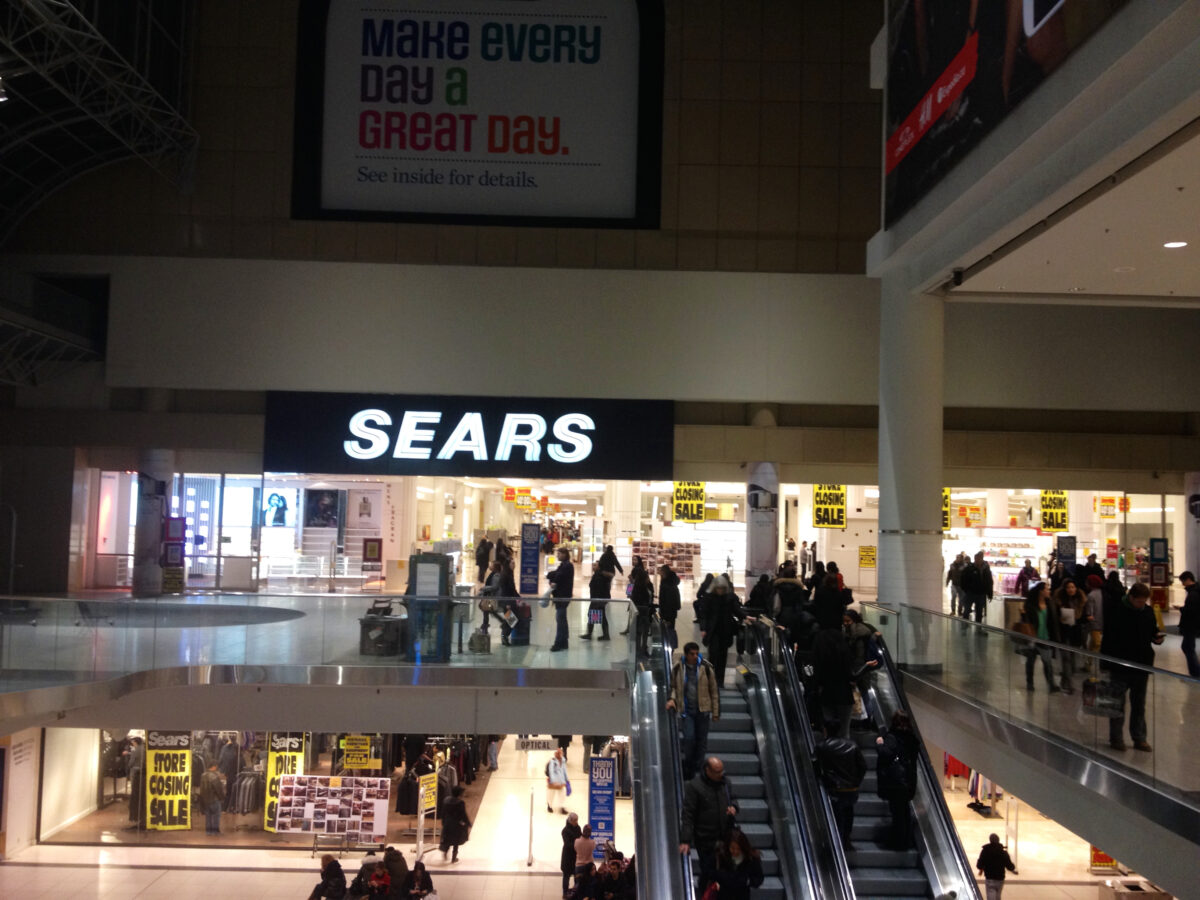
The closure of Sears Canada left a significant void in the Canadian retail landscape. Many of its former stores, particularly in suburban shopping malls, remained vacant for years. Some of the large retail spaces proved difficult to repurpose, with some malls struggling to attract new tenants. This has contributed to the broader challenges faced by shopping malls in an era of declining foot traffic and changing consumer preferences.
However, many Sears Canada locations eventually found new life. Former Sears spaces have been repurposed into new retail space, mixed-use developments, fitness centres, and even educational institutions. This adaptive reuse reflects the shifting priorities of property developers and the evolving needs of communities.
For employees, the closure was devastating. Approximately 12,000 workers lost their jobs, many of whom faced difficulties finding comparable employment. The liquidation process also left pensioners in a precarious position, sparking debates about corporate responsibility and the protection of worker benefits.
Conclusion
Seven years after its closure, Sears Canada remains a cautionary tale of a retail giant that failed to adapt to a rapidly changing market. Its legacy endures in the memories of Canadian consumers and the lessons it offers to today’s retailers. As the industry continues to evolve, the story of Sears Canada underscores the importance of innovation, adaptability, and strategic leadership in achieving lasting success.













Sears Canada collapsed because of an unqualified CEO, Brandon Stranzl, who bankrupted the company because he wanted to personally acquire it for himself for pennies on the dollar from Eddie Lampert. He bought loyalty by over-hiring and overpaying everyone, and overspending on everything, quickly drawing down a cash balance that had been consistently maintained in the hundreds of millions of dollars. Lampert didn’t stop it, obviously. In the end though, Lampert’s board removed Stranzl from Sears Canada, and blocked his takeover bid, preventing him from purchasing key pieces of the assets of Stranzl’s online venture, Sears Initium. Stranzl went back to the U.S., with more millions in his pocket than when he arrived in Canada.
Oh, and Stranzl loved bralettes. He was obsessed with bralettes, and not just their sales revenue. Ask anyone.
Stranzel was indeed one of the major reasons Sears Canada went under. I am surprised that this article did not touch on this.
Walmart didn’t offer online shopping until 2011 so they were not way ahead but were far behind, and I was shopping online from Sears here in BC in 2001, so they DID have a presence even then, they just didn’t know how to build it out.