In an era dominated by fast fashion and rapidly shifting retail landscapes, Toronto-based luxury brand Arpinō is carving a niche with its authentic craftsmanship and timeless elegance. Founded by Mina Elyasian, Arpinō redefines luxury through bespoke knitwear and outerwear crafted from the finest Italian materials.
The Story Behind Arpinō: Rooted in Heritage and Experience
“After COVID, the retail landscape changed dramatically,” Elyasian reflects. “I took time to reassess where I wanted to go and how to pursue it.” Drawing from her deep connections in Italy, she decided to create her own brand, sourcing materials directly from family-owned factories in the Arpinō region near Rome.

Elyasian’s journey spans over two decades in the fashion industry, with experience in retail, styling, and consulting. “Retail is in my DNA,” she says. From owning boutiques to serving as a sales director and stylist for brands like Millie’s and Andrews, Mina’s career is rooted in both the art of fashion and consumer connection. “I’ve traveled the world of retail, from buying to consulting, and styled countless clients. Arpinō is the culmination of everything I’ve learned.”
The name Arpinō honors this rich history. “Arpinō comes from a beautiful region near Rome, filled with olive groves and artisanal traditions,” says Elyasian. “It’s deeply personal to me and my partner, connecting our story with the community that inspires us.”
Redefining Retail: A Bespoke Luxury Experience
Unlike traditional retail models, Arpinō thrives through exclusive trunk shows and private appointments. “I call it a transformational experience,” Elyasian explains. “There’s often a disconnect in retail between product and brand identity. I wanted to change that.”
Arpinō plans to eventually open a showroom atelier in Toronto’s Rosedale or Yonge and St. Clair areas, designed for intimate, by-appointment experiences. “I don’t want a conventional retail store,” Elyasian emphasizes. “It’s about creating a space where luxury feels personal and immersive.”
Italian Craftsmanship: From Artisans to Wardrobes
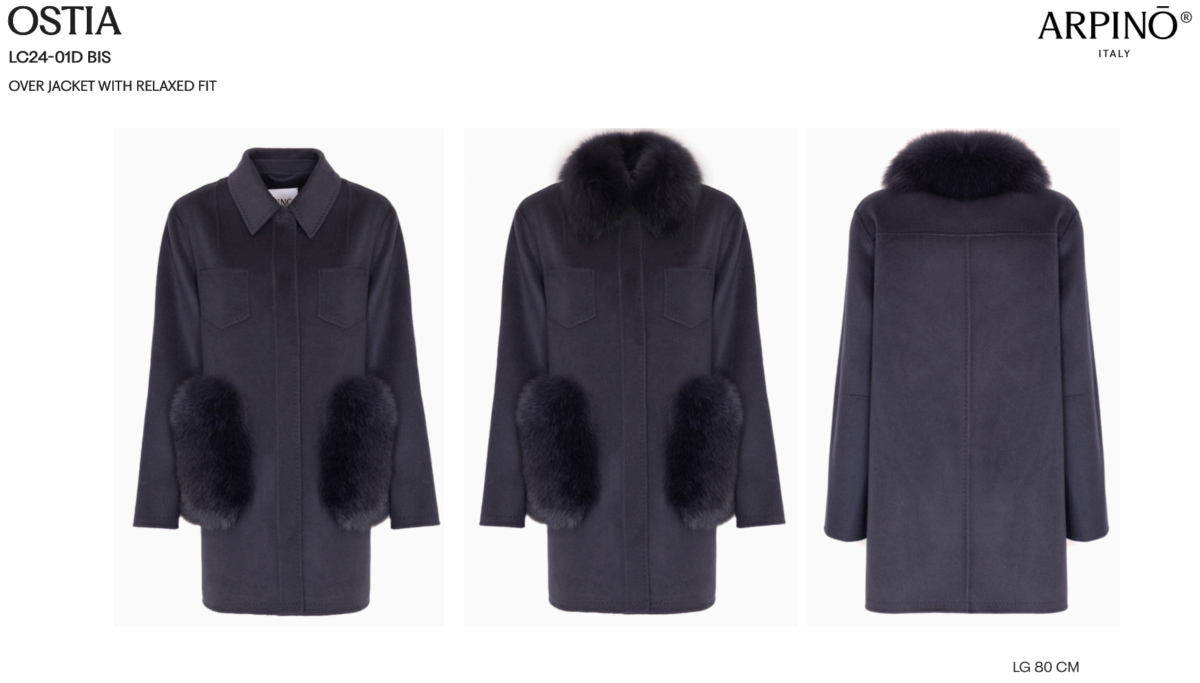
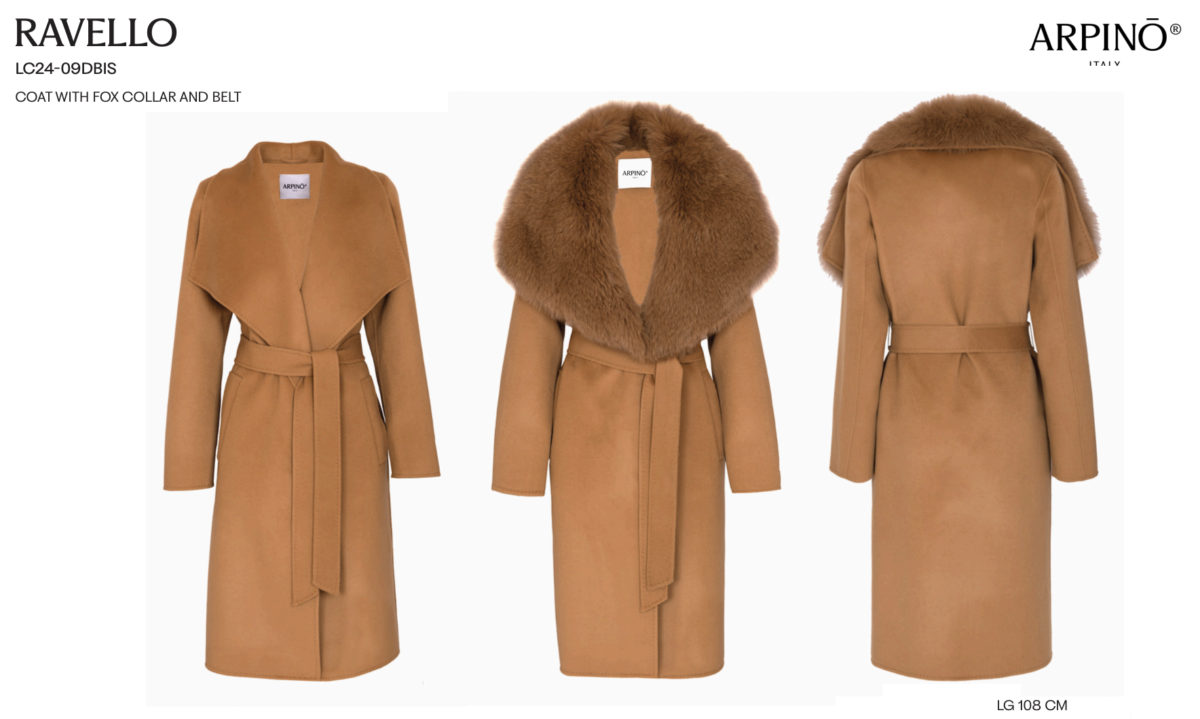
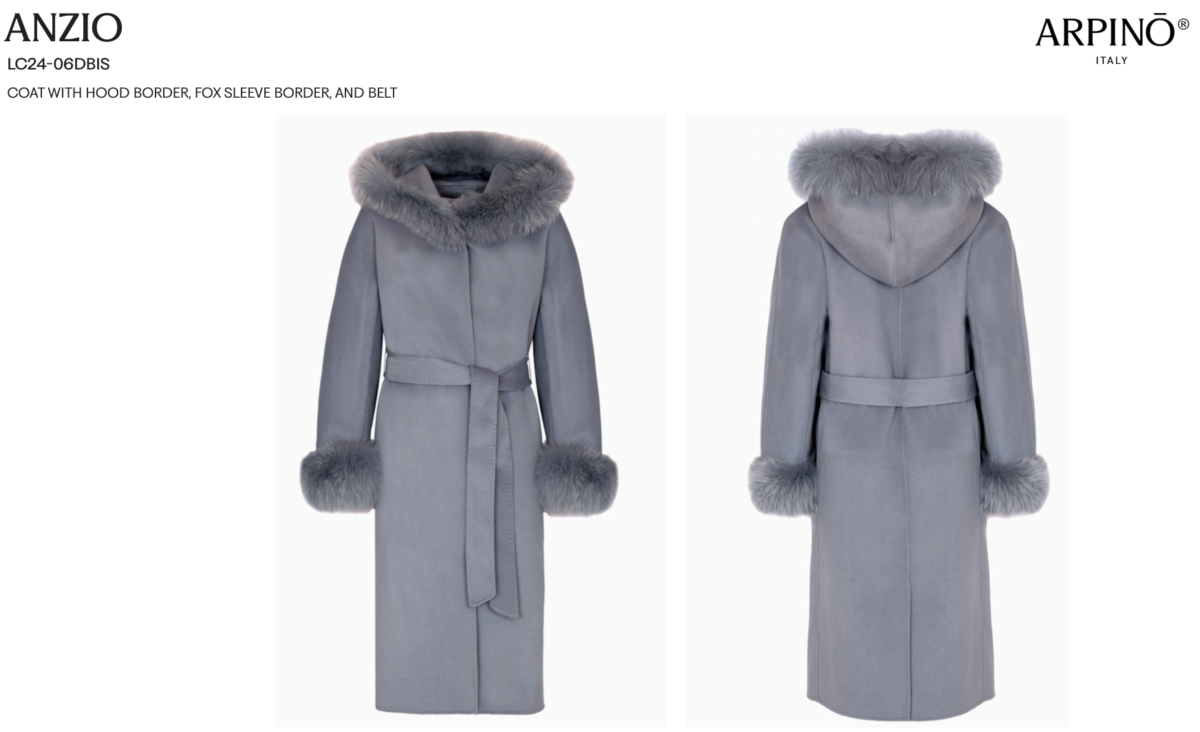
Arpinō’s product range is crafted in Italy, focusing on small-batch production and sustainable sourcing. The luxury outerwear collection features sophisticated styles made from Sable Wool and Cashmere blends, with optional fox fur trims.
“There’s a niche in Canada for elevated coats beyond parkas and puffers,” Elyasian notes. “We offer elegant, unlined cashmere and sable wool coats, sourced from small, family-owned Italian factories.”
Every garment connects directly to the artisans. “I visit the factories, have meals with the families, and witness the craftsmanship firsthand,” says Elyasian. “When a client buys a piece, I can show them exactly who made it and how it was crafted.”
Bespoke Fashion: Personalization at Its Core
Arpinō’s commitment to bespoke fashion allows clients to select from a variety of colours, styles, and fur trims, with custom orders delivered in four to six weeks. “It’s about creating pieces that reflect individuality,” Elyasian explains. “One client spent $17,000 on custom coats, choosing every detail herself. That’s the level of connection we offer.”
Knitwear, another cornerstone of Arpinō, features materials like cashmere, merino wool, and silk. Priced around $595 for alpaca blends, these knits merge contemporary design with traditional craftsmanship. “If you’re spending $300 on a mass-produced sweater, why not invest a little more in something timeless from Italy?” Elyasian suggests.
Ethical Sourcing and Sustainability: Beyond Trends
Addressing fur’s environmental impact, Elyasian is candid. “Our furs come from ethical sources in Denmark and Finland, crafted by generational Italian furriers,” she explains. “Interestingly, real fur has less environmental impact than synthetic alternatives, which are petroleum-based and harmful to ecosystems.”
She elaborates, “People often overlook that fake fur contributes significantly to environmental degradation because it’s made from plastic-based materials that don’t biodegrade. In contrast, real fur is a natural product with a much smaller ecological footprint over its lifecycle.”
Arpinō’s sustainability commitment extends to small-batch production, emphasizing quality over quantity. “We’re not fast fashion,” Elyasian states. “Our pieces are meant to last, becoming treasured items in a client’s wardrobe.”
Mentorship and Industry Influence
With two decades of industry experience, Elyasian also mentors aspiring fashion professionals. “I believe in homegrown talent,” she shares. “I recruit from schools like Ryerson, where I graduated, to give back and support future fashion leaders.” She frequently lectures at fashion programs, providing real-world insights to the next generation of designers and retailers.
Strategic Growth: The Future of Arpinō
Looking ahead, Arpinō plans to expand thoughtfully. “We’re considering a permanent showroom, possibly converting a heritage brownstone into an atelier,” says Elyasian. “I love the idea of transforming a character-filled space into an intimate showroom where clients can immerse themselves in our brand’s story.”
“It’s not about rapid growth,” she adds. “It’s about perfecting each collection before moving to the next.”
The brand also plans trunk shows at luxury ski clubs and private events across North America. “Our clients are global,” Elyasian notes. “From Aspen to Banff, we meet them where they are, offering personalized experiences.”
Authentic Marketing and Brand Loyalty
Elyasian employs traditional marketing strategies to build genuine relationships. “A lot of my marketing is old-school,” she says. “I reach out directly to people, host trunk shows, and focus on personal connections. It’s about engaging with clients one-on-one and building trust.”
This personal approach fosters strong client loyalty. “When you build real relationships, clients don’t just buy your products; they believe in your brand,” Elyasian explains. “That’s the foundation of everything we do at Arpinō.”