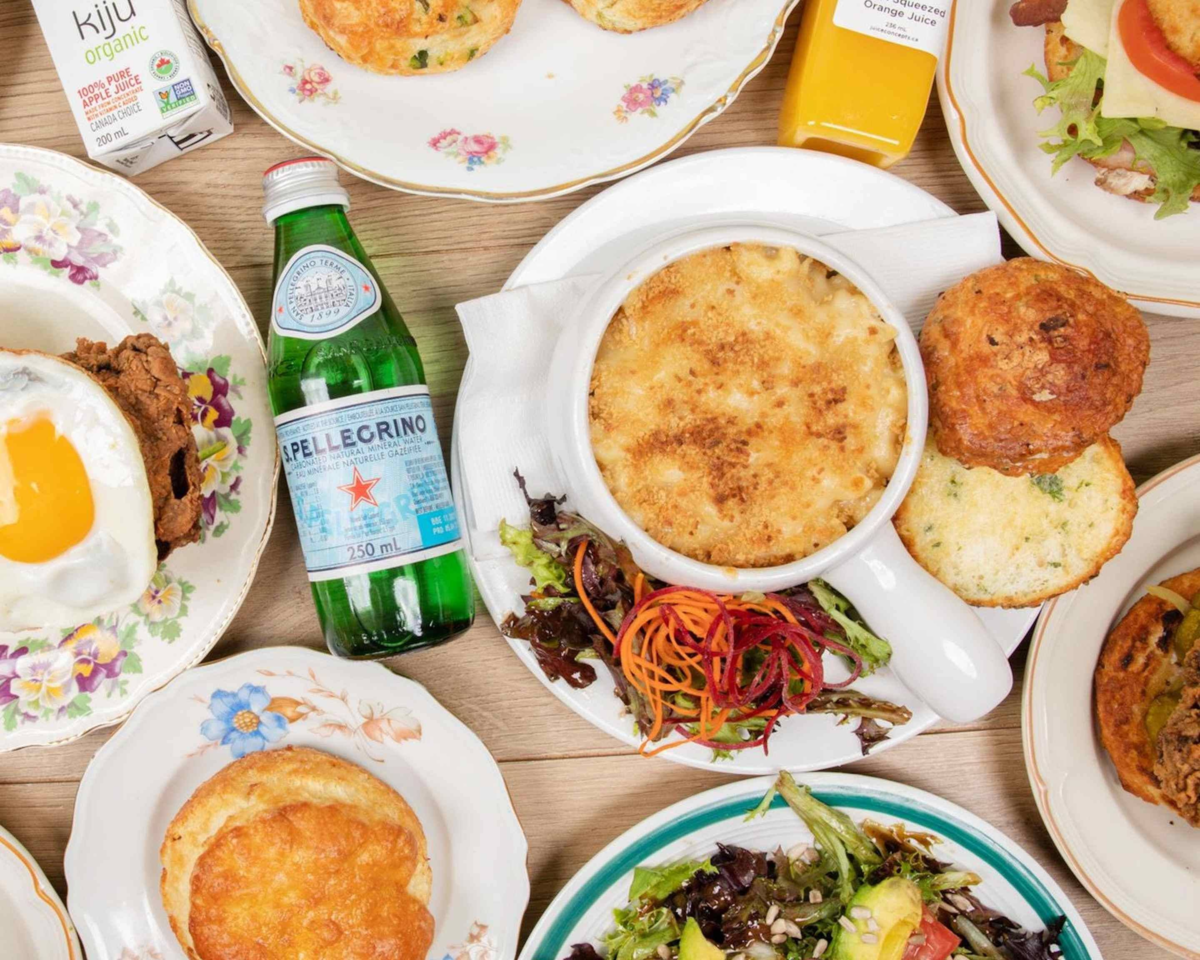
Lazy Daisy’s Café, a beloved Toronto eatery at 1515 Gerrard Street East, has become a staple for locals craving all-natural, homemade breakfast and brunch offerings. Founded in 2011 by Dawn Chapman, the café draws inspiration from her childhood summers spent on her grandparents’ farm, where fresh ingredients and simple, homemade meals were the norm.
“I grew up spending summers on my grandparents’ farm, and yes, there was a cow named Daisy,” Chapman recalls. “My grandma and I used to bake everything from scratch with natural ingredients. That experience shaped my philosophy on food and hospitality.”

That passion turned into an entrepreneurial journey that saw Chapman open bagel shops in London, England, before returning to Toronto to create Lazy Daisy’s Café—a welcoming space that blends farm-to-table dining with a strong sense of community.
“I wanted to create something that was part of the neighborhood, a place where parents could bring their kids without feeling out of place. Fourteen years later, it’s amazing to see how much we’ve grown.”
From Local Favorite to Wholesale Expansion
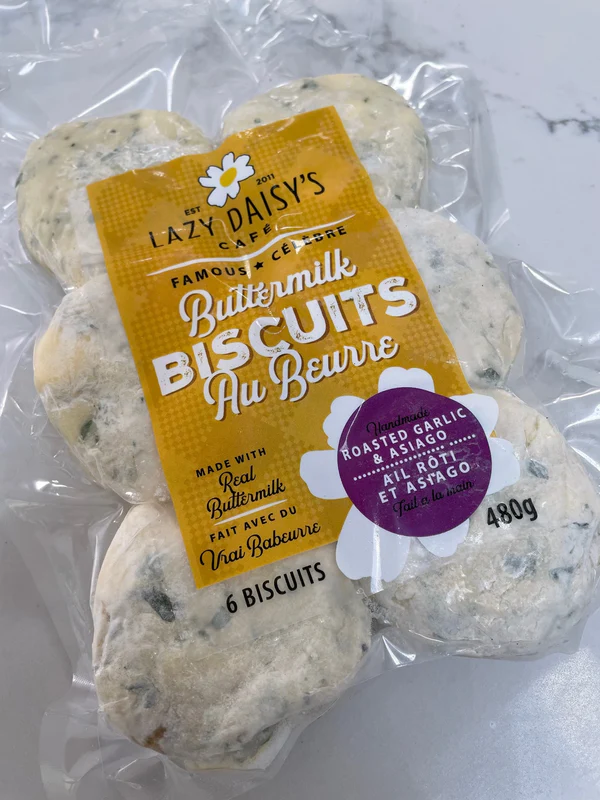
Now, Chapman is taking her business to the next level, expanding into grocery stores with a wholesale line of bake-at-home buttermilk biscuits.
“Our biscuits have always been one of our best sellers,” she says. “They’re hand-made, all-natural, and really delicious. We wanted to bring that same quality to people’s homes.”
What started as a small initiative has quickly gained momentum. “We launched the wholesale line about a year and a half ago, and we’re already in over 100 retailers. In June, we’re rolling out in Whole Foods,” Chapman reveals. “It’s exciting to see a Canadian brand entering a space that’s been dominated by big American names like Pillsbury and Eggo. There’s a huge opportunity for high-quality, locally made breakfast products.”
Lazy Daisy’s frozen breakfast line will soon expand beyond biscuits to include ready-to-eat pancakes and breakfast sandwiches, offering consumers a convenient yet premium alternative to mass-market options.
A Champion for Women in Food Entrepreneurship
Chapman is also a strong advocate for women in the food industry, a sector where female representation in leadership remains low. She is part of Canadian Women in Food, an organization that helps women entrepreneurs navigate the consumer packaged goods (CPG) industry.
“Entrepreneurship can be a lonely journey, so it’s essential to have a support network,” she says. “Women tend to take on additional responsibilities at home, which makes launching a business even harder. But the more we support each other, the more we can grow.”
Her efforts have not gone unnoticed. In 2024, she received The Food Industry Award, presented by Skip, as part of WXN’s prestigious Canada’s Most Powerful Women: Top 100™ Awards. “It was an incredible honour,” Chapman says. “Women in food often fly under the radar, and this recognition validates the hard work we put in. It also inspires the next generation to pursue their own food ventures.”
Navigating Challenges and Looking Ahead
Like many Canadian businesses, Lazy Daisy’s has had to adapt to economic pressures, including shifting supply chains and potential trade disruptions.
“We source everything locally, so we haven’t been too impacted by U.S. tariffs,” Chapman explains. “But we’ve had to make adjustments, like sourcing some ingredients from Mexico instead of California. It’s all about finding solutions. Every problem has a creative fix.”
As for the future, Chapman has big ambitions. “The goal is for our wholesale business to outgrow the café. In the next few years, I’d love to take Lazy Daisy’s national. There’s so much potential for Canadian-made breakfast products in the grocery space.”
Supporting Local, One Biscuit at a Time
Beyond growing her own business, Chapman remains committed to promoting local food culture. Lazy Daisy’s was a finalist in the Ontario Made Awards, recognizing its contribution to supporting Canadian suppliers.
“It’s not just about buying from us—it’s about supporting all local businesses,” she says. “That’s how we build a stronger economy and a stronger community.”