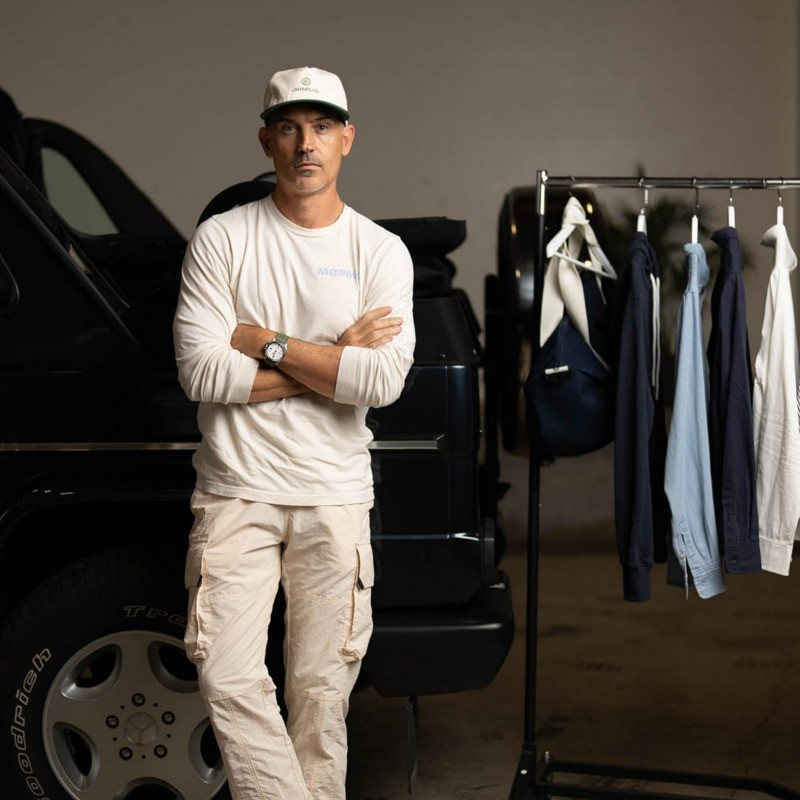
In just two years, Vancouver-based menswear brand Champlain has emerged as one of the most promising new names in Canadian fashion. From its origins as a showroom concept founded by Jonathan Richard to its debut at national retailer Harry Rosen, Champlain is carving out a niche that blends the casual elegance of the West Coast with timeless metropolitan tailoring.
“Jonathan and I go way back,” said CEO Cameron Conn in a recent interview. “He came from the suiting world and I came from tech, but we both understood that there was a gap in the menswear market for men who didn’t want to live in hoodies, but also didn’t want to wear suits every day.”
What began as a direct-to-consumer launch in September 2023 has already expanded into more than 50 retail doors across Canada, with further growth planned for the upcoming fall season.
Filling a Market Gap Between Athleisure and Traditional Tailoring
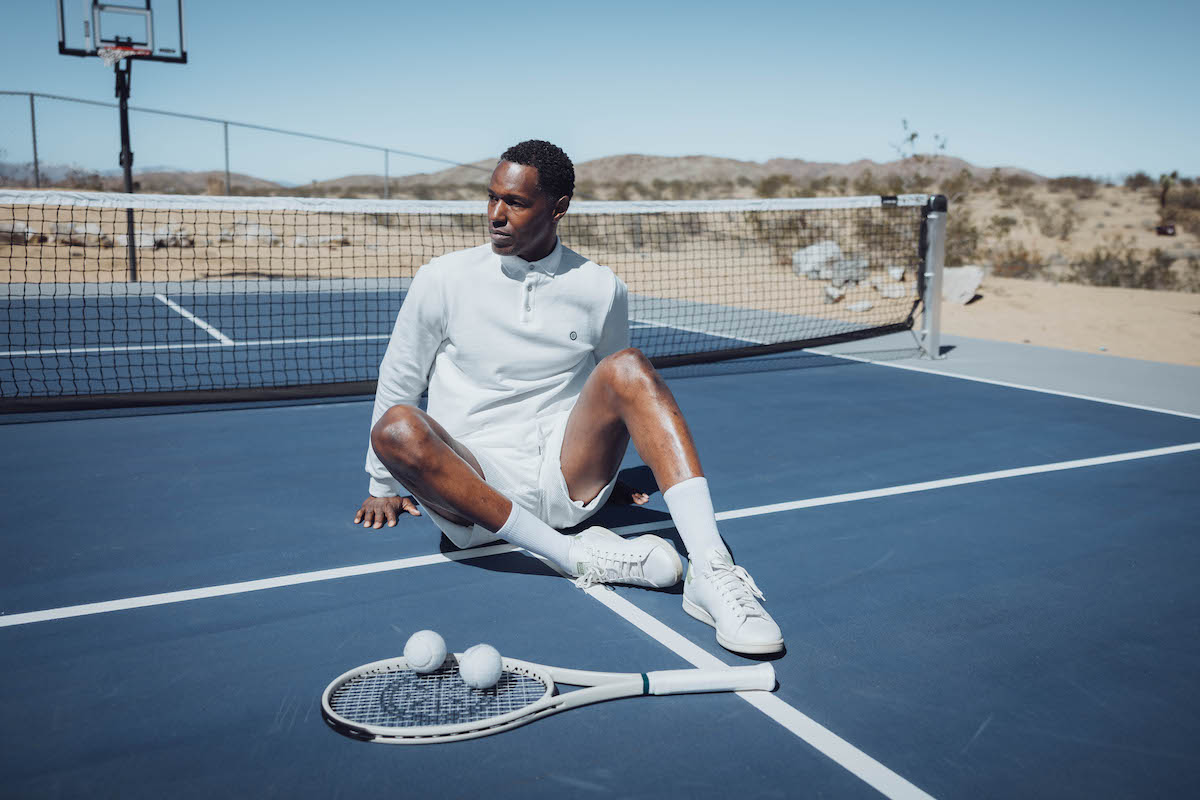
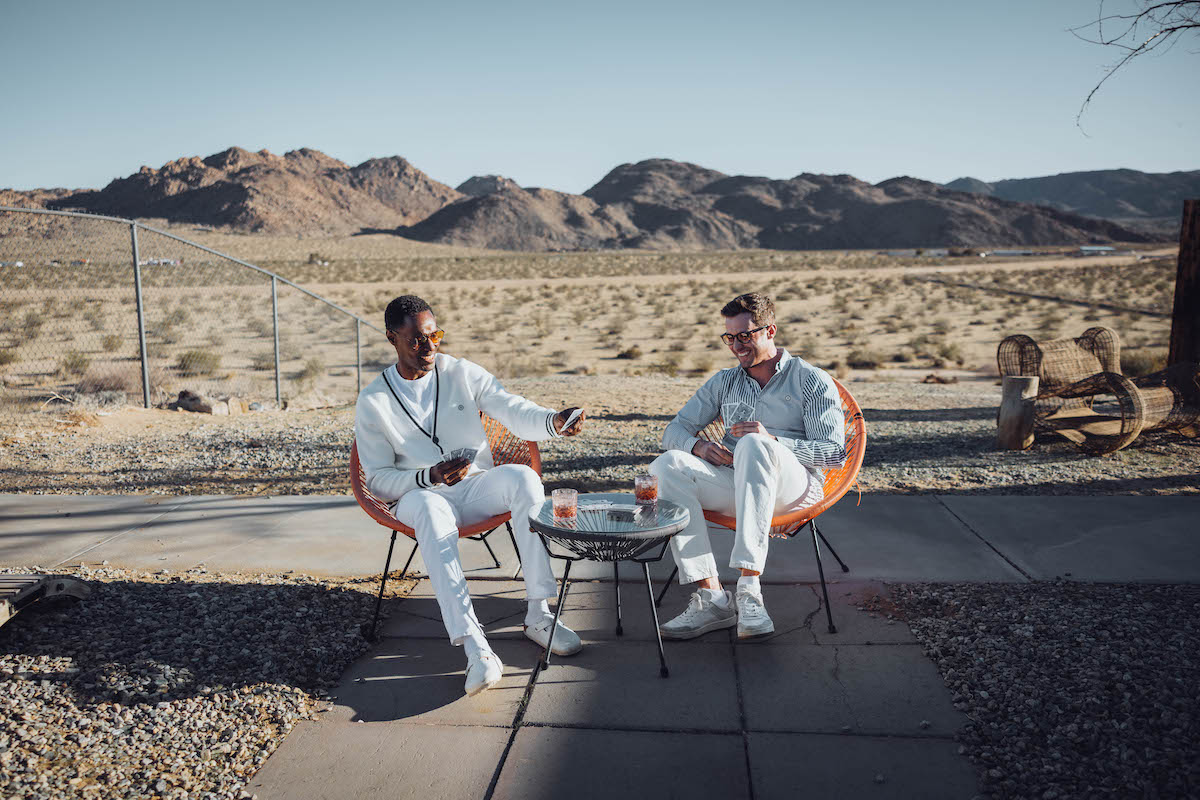
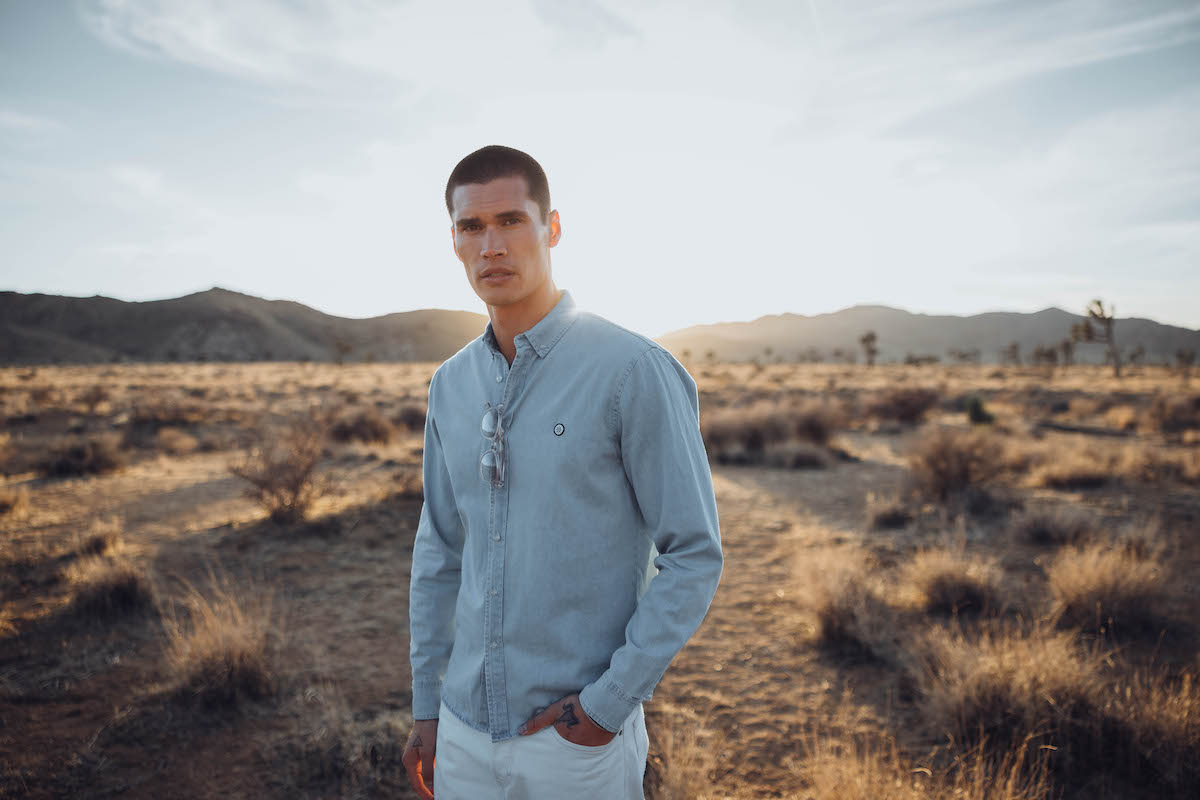
Champlain’s design philosophy is rooted in versatility and nostalgia. With price points generally under $200—outside of outerwear—the brand aims to provide high-quality, stylish clothing that transitions seamlessly from the office to the weekend.
“There’s so much athleisure and luxury at either end of the spectrum, but not much in the middle,” Conn explained. “We wanted to make clothing that felt classic but still modern—things people already understood, like polos and sweaters, but done in a way that feels relevant and stylish today.”
This mid-market positioning has found resonance not only with consumers but also with major retailers.
Harry Rosen and the Power of a Flagship Partnership
For any menswear brand in Canada, landing on the sales floor at Harry Rosen is no small feat—especially within its first year of operations. Champlain did just that, securing placements in multiple Harry Rosen locations for its Spring 2024 collection.
“To be honest, I didn’t even realize how big of a deal it was,” Conn said. “I had no benchmark. But once we were in, I understood the gravity of it. Getting that kind of distribution validated that we were offering something retailers and customers really want.”
To celebrate, Harry Rosen hosted a public-facing launch event featuring food, beverages, and an Axon Formula 1 race simulator. “It was a great activation,” Conn added. “We wanted people to come in, have some fun, and engage with the brand. Kids would jump in the simulator while their parents shopped. It brought energy to the space.”
Retail Growth: From Independents to Major Chains
In addition to Harry Rosen, Champlain is stocked in Sporting Life stores across Canada and a variety of premium independents, including Plenty and Global Atomic. The brand is also beginning to establish a U.S. presence, though Conn is taking a measured approach given the evolving trade environment.
“We’re in five stores in the States, but we’re not committed to anything major yet. The great thing is we’re still small enough that we’re nimble. We’re not overleveraged,” he said.
Conn estimates that by fall, Champlain will be in about 80 doors total, including deeper commitments from current partners.
West Coast Casual Meets Montreal Sophistication
Though based in Vancouver, Champlain’s design influences stretch across the country. Richard, who hails from Montreal and has a background in suiting, brings a tailored sensibility to the collection. Conn noted that their customer is often someone seeking a middle ground—polished, but not overly formal.
“Jonathan was selling suits to guys who didn’t need to wear suits anymore. They were asking, ‘What now?’” Conn said. “We wanted to bring back the essence of those classic items—like the polo shirt—not just as casualwear, but as elevated pieces.”
The result is a brand that plays with heritage silhouettes—rugby shirts, varsity jackets, chunky knits—and recasts them in refined, wearable ways.
Behind the Brand: Manufacturing and Sourcing
When Conn joined Champlain, one of his first priorities was to visit the factories. The brand manufactures primarily in China, with some product out of Turkey and Portugal. “For an emerging brand, China gave us the best quality-to-cost ratio,” he said. “But I wanted to see it for myself. It’s a family-run operation, and we’ve built a strong relationship.”
That relationship could evolve depending on trade policy. With rising uncertainty around tariffs—particularly from the U.S.—Champlain is exploring alternatives. “We’re in talks with larger distribution companies that have access to multiple global factories,” said Conn. “Flexibility is going to be key.”
He added that Champlain has so far absorbed additional tariffs and duties, rather than passing them on to American consumers. “It costs less to eat the fee than to deal with a returned item and reprocessing. And it leaves the customer with a better experience.”
Balancing Style with Business Fundamentals
As a former tech entrepreneur, Conn brings an operational discipline to Champlain’s rapid growth. Reducing liabilities and managing currency risk have been top priorities—particularly as the Canadian dollar has fluctuated.
“The exchange rate hit us hard on a payment cycle,” he said. “Now we’re holding U.S. dollars from U.S. customers so we can hedge better against swings in the dollar when paying Chinese suppliers.”
That pragmatism extends to product strategy as well. Champlain plans to expand into shorts, chinos, and cargos in 2026, but will avoid overextending its SKU count. A women’s line is also being considered, though Conn is cautious.
“We’ve just figured out the men’s body. Women’s is a whole different ballgame,” he said. “We’ll design it and keep it in our back pocket until we’re confident in the execution.”
Vision for the Future: Wholesale First, DTC Second
While many new brands start online and dream of flagships, Champlain is intentionally focused on being a strong wholesale partner. The brand was built around a 70-point IMU, which Conn said was critical to appealing to retailers.
“That margin was strategic. It helped us get in the door,” he said. “We want to be good partners. That means providing high-quality product, good service, and solid margins.”
That said, Champlain isn’t ruling out physical retail. “We’ll be opportunistic,” Conn noted. “If the right location opens up at the right time, we’ll consider it. But for now, our growth is through retail partners.”
Charting Global Expansion Amid Uncertainty
Looking ahead, Champlain is carefully weighing international expansion, particularly in the face of shifting trade policies in the U.S.
“Tariffs, de minimis changes, compliance—it’s a lot,” said Conn. “But we’re monitoring what larger players like Temu and Shein are doing. They have the scale and resources to make informed decisions, so we can learn a lot from their moves.”
Conn remains optimistic that trade tensions will stabilize. “I don’t think this will last forever. There will be a recalibration,” he said. “And we’re positioning ourselves to be standing strong when that happens.”

A Young Brand with an Old Soul
Champlain is young, but its roots are deep. Each garment is inspired by pieces that “have always been cool,” from 1960s golf wear to 1980s heritage British outerwear. That sense of continuity, paired with modern execution, is part of what makes the brand stand out.
“We’re not trying to reinvent the wheel,” Conn said. “We’re reviving timeless pieces and making them relevant for today.”
With strong retail support, a growing national footprint, and a thoughtful strategy, Champlain is quickly becoming a Canadian brand to watch—one that reflects where menswear is going and where it’s already been.
“We just want to be the brand that helps guys get dressed and feel good,” said Conn. “That’s it. No ego, no gimmicks—just good clothes that make sense.”