By: Charles de Brabant, Executive Director of the Bensadoun School of Retail Management at McGill University
Retail experienced a tough year in 2024 and the outlook into 2025 does not look much better. At best, we are going back to more normal growth rates that were present before COVID.
There have been a few key highlights. The impacts of high inflation and high interest rates in the last couple of years have taken a toll on consumers and their pocketbook. It has forced the majority to focus on essentials, what is needed more than what is wanted – discretionary spending. This has forced most consumers to trade down. At the lower income levels, we have seen a strong rise in accessing food banks and the second hand/resale market. At the higher income levels, luxury brands’ continuous rise has stopped and we are now even witnessing drops in their revenues, due in large part to the loss of the aspirational consumer and the strong pushback on the significant, if not outrageous, price increases in the last few years on luxury goods.
Overall, this has been good news for value retailers such as Walmart, Dollar stores, … and the second hand, resale market. We have also witnessed the unstoppable rise of Shein and Temu. In recent years, these Chinese online sales giants have invaded the North American markets with their extremely low-priced products which have been well received by consumers looking for value.
A second reality of the current landscape is that technology is advancing more quickly than ever. Significant technologies for the retail industry include RFID’s new implementations in automated checkouts, virtual and augmented reality, and generative AI. The headline topic of 2024 was Generative AI, with 73% of retail executives surveyed by the Business of Fashion saying that they will explore the implementation of Gen AI in 2024. As it already has proven use-cases around product discovery, shopping assistant and personalization specialist.
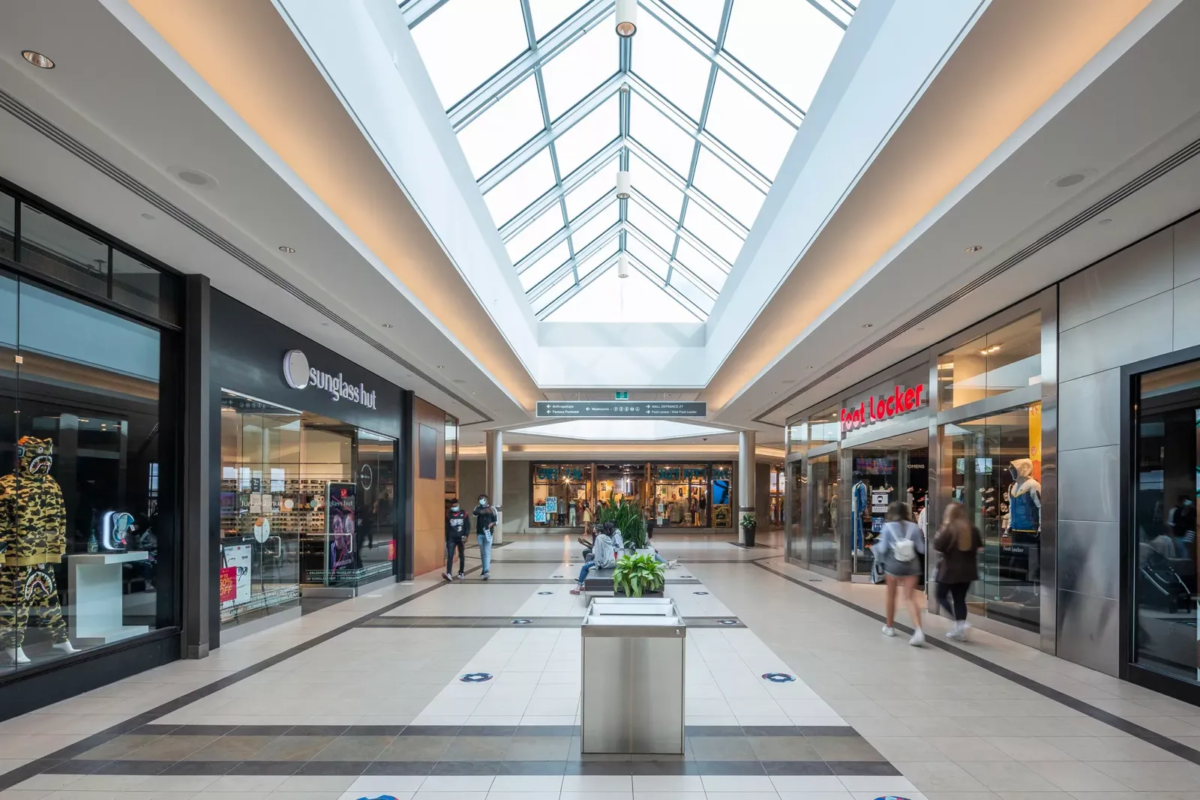
The outlook for 2025 continues to look very uncertain for retail. The key unknown is the political uncertainty with recent changes in leadership in Canada, but more importantly the turbulent situation with the second Trump presidency. The key concerns for the retail sector will certainly be around tariffs. There is still a lot of uncertainty on if, when and how the tariffs get imposed and their potential impact.
But to me, the most striking highlight of 2024 is the unforeseen comeback of innovative and well managed mid-market brands. For years, we have seen retail move to the extremes with luxury doing well at the high end and value brands doing well at the lower end. This had left many mid to premium tier brands/retailers struggling, with many even disappearing. However, as The State of Fashion 2025 report by Business of Fashion and McKinsey & Co indicate that mid-market fashion retail has been the main driver of increase in economic profitability among publicly quoted companies in 2024 for the fashion sector, even more than value brands, as shown in the graph below.
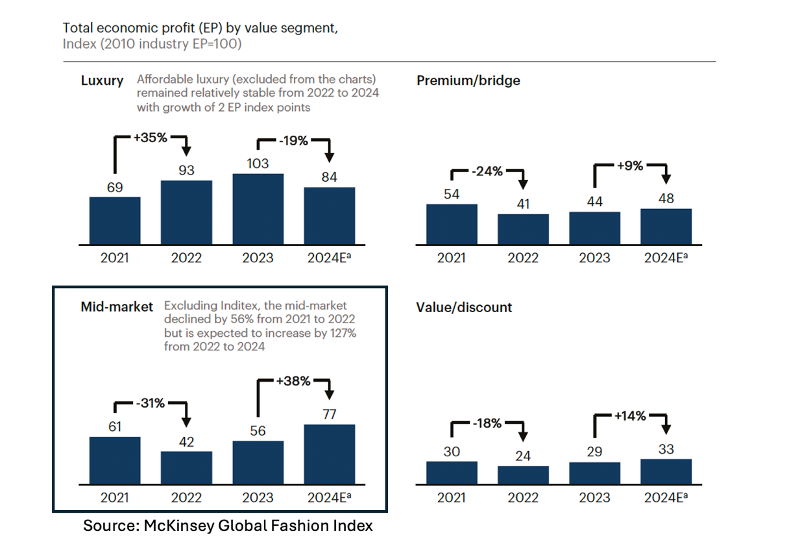
After years of having increases in economic profitability driven by the luxury segment, fashion is being driven by consumer downtrading with mid-market brands bringing the biggest increase in economic profitability. This is due to 2 main factors:
- Strong focus on economic profitability – costs, efficiency, inventory excellence and improved performance
- For the winners like Aritzia, Groupe Dynamite (especially Garage), Hoka, On, Vuori, Uniqlo, Zara/Inditex, … Very focused on a very differentiated brand value proposition.
One prime example is Zara, as well the rest of the Inditex Group. Much has been written about the rise of ultra-fast fashion with Shein & Temu and its impact on the more traditional fast fashion brands like H&M and Zara. Actually, Zara is doing fine, thank you very much, as shown by its outstanding financial results and a market capitalization of the Inditex Group that has more than doubled in the last two years. This has been led by a complete revamp and upward positioning of the brand from a new store design, higher quality products at higher average prices and an extremely qualitative website. It occupies a unique space in the fashion landscape.
At a category level, it is fascinating to witness the rise of the challenger/newcomer brands in the sportswear industry. In 2024 among publicly quoted companies, challenger sportswear players — such as Deckers (owner of Hoka) and Asics — are expected to create over 50 percent of the segment’s value, surpassing incumbent sportswear brands known as the “Big Four” (Nike, Adidas, Puma and Under Armour) in economic profit for the first time, according to the McKinsey Global Fashion Index. Privately owned challengers are also seeing exceptional growth globally, including New Balance, Vuori and Alo Yoga.
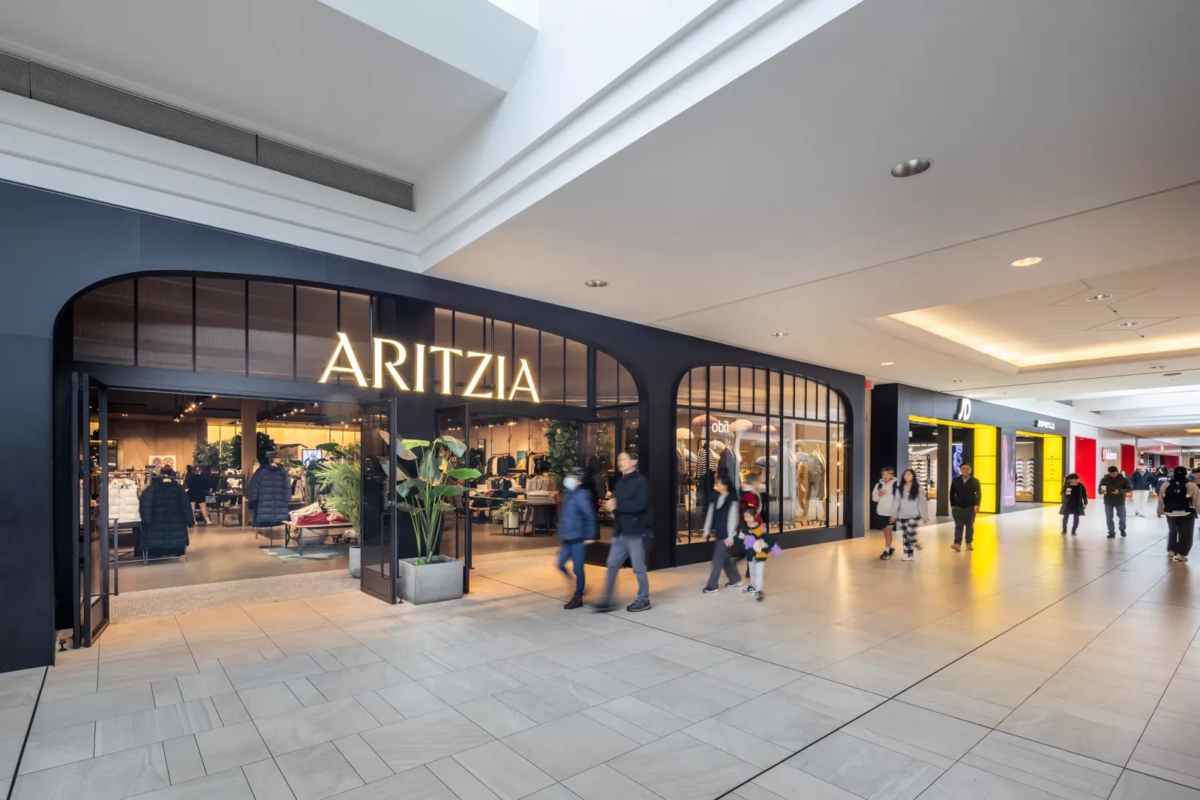
Challengers have succeeded by growing revenue faster than incumbents while also increasing their profitability.
As stated in the State of Fashion 2025 report, “Challenger brands have aggressively taken market share by targeting niches and expanding reach:
- Delivering visible innovation – Hoka oversized soles, On’s Cloud Tech soles,
- Targeting specialized categories – Arc’teryx and Salomon focus on outdoor,
- Tapping into cultural marketing – New Balance and Alo Yoga tapping high-profile KOL such as Jack Harlow and Kendall Jenner. Vuori and Gymshark focused on grassroots marketing, building ties with Southern California yogis and the English gym scene, respectively,
- Filling wholesale whitespace left by Nike and Adidas in highly visited retailers Dick’s Sporting Goods and JD Sports.”
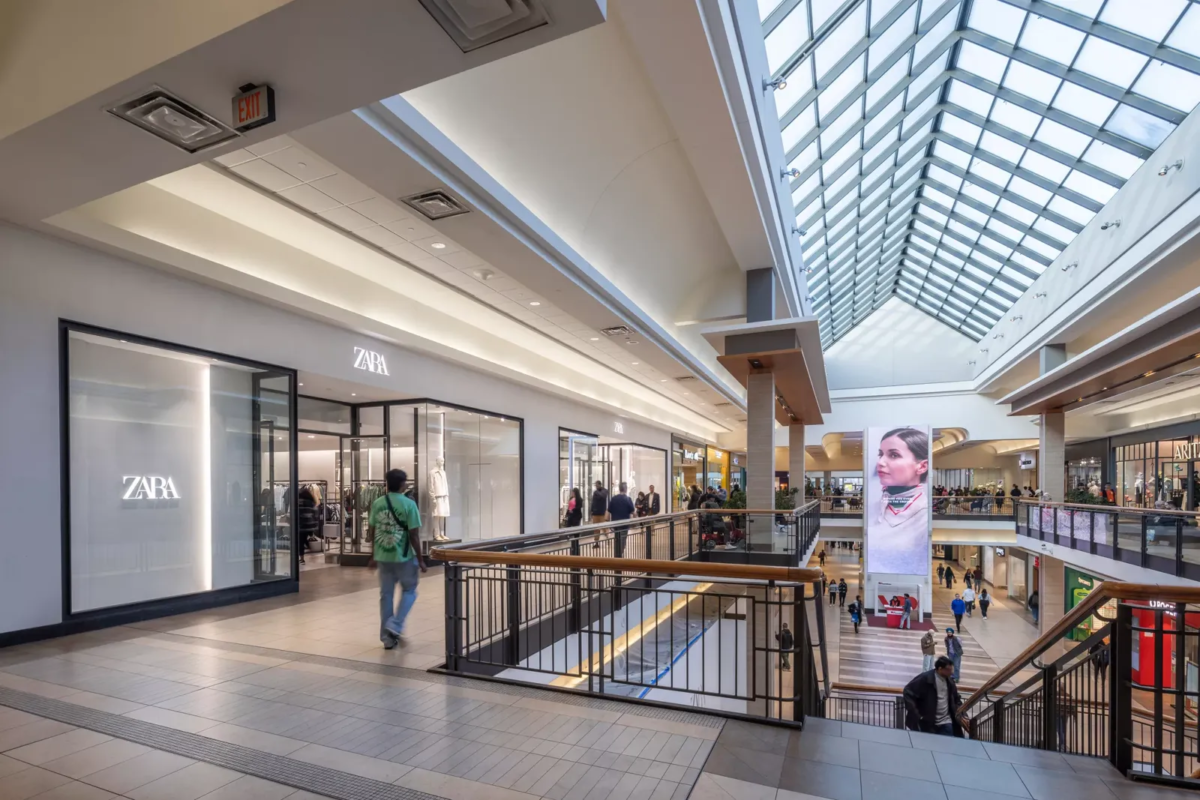
Canada is also seeing mid-market brands deliver strong performance. Aritzia is often showcased. Groupe Dynamite’s IPO was extremely well received in part due to the significant improvements in retail operations and inventory management, as well as the resonance of its brands, especially Garage with younger consumers which has been critical as it expands in the US market and elsewhere. Maison Simons stands out as a high performing new approach to department stores with a unique brand positioning, as well as best in class omnichannel management.
In conclusion, this story is about bringing out the best in brands and retail by working on:
- Improving costs and profitability – inventory management, better integration of new technologies, optimizing the store network by focusing on high value and profitable locations, improving omnichannel operations, …
- While at the same time, focusing on innovation and differentiation
- Product quality, innovation
- Brand story telling
- Engagement
- Experience in store and online.
- And finally, upgrading talent. This means hiring better talent, including with a focus on data analytics. At let’s not forget in-store talent. One of the key themes of State of Fashion Report 2025 is investing on sales staff who are the key bridge between the brand and consumer. 75% of shoppers in 2022 were likely to spend more after receiving high-quality service. Brands like Apple and Nespresso have understood this and thrived.

Charles De Brabant joined McGill University in August 2017 to co-lead the creation of the Bensadoun School of Retail Management (BSRM). He has over 20 years experience in retail in Europe and most recently in China and South East Asia. Born and raised in Montreal, Charles holds a B. Com. from McGill, an M. Litt. in History from Oxford University and an MBA from Stanford Business School. Charles’ focus at BSRM will be on collaboration with local and international industry partners and the administration of the school.