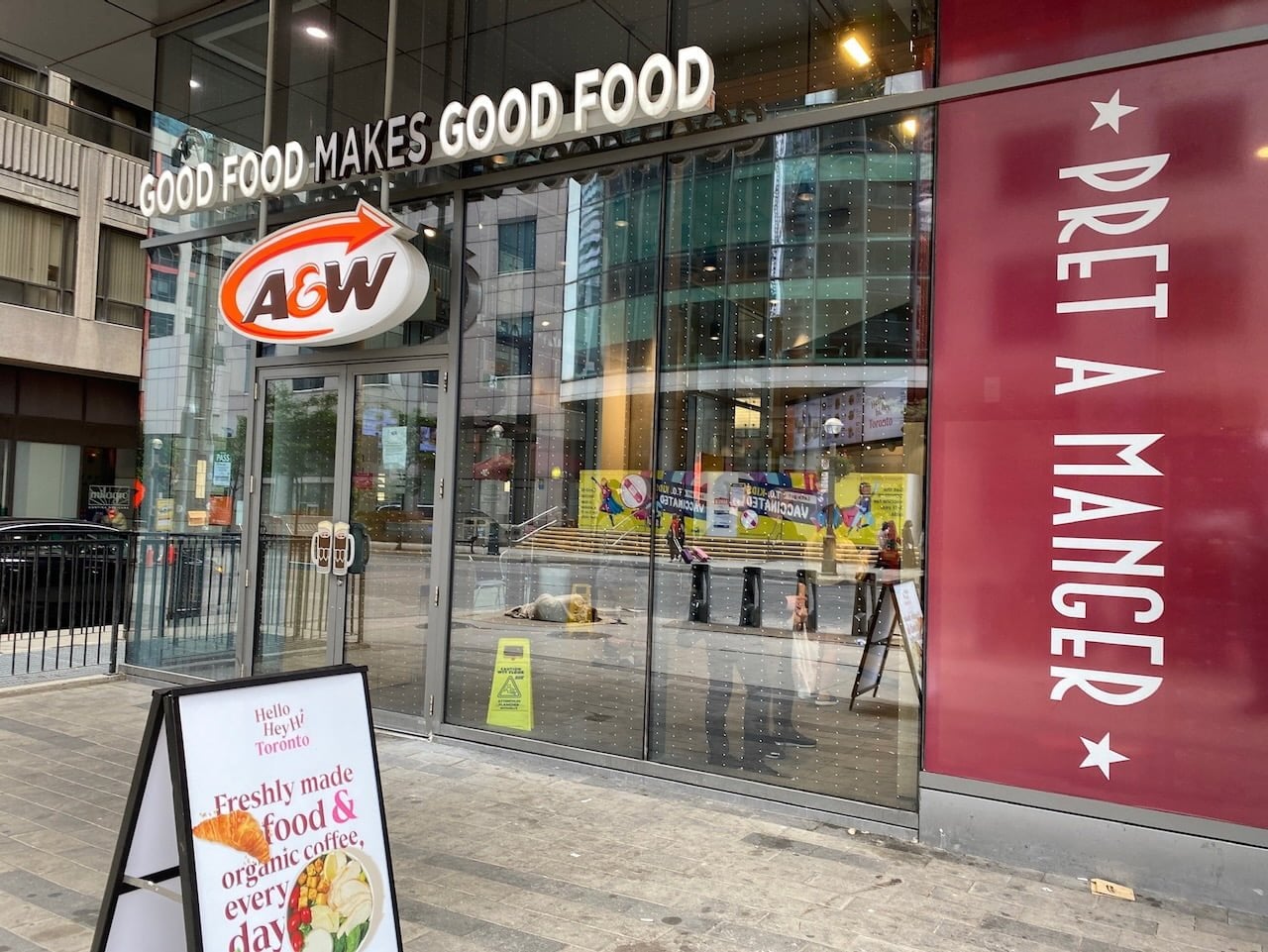
Retail malls such as Eastgate Square in Hamilton are undergoing transformation into mixed-use residential-retail developments, as the market responds to oversupply and changing consumer preferences, says RE/MAX Canada’s 2025 Commercial Real Estate Report which was released on Wednesday.
Grocery-anchored retail centres remain a preferred asset for private and public investors.
“Retail plazas continue to outperform, especially in suburban areas, making this asset class attractive to investors, particular in Ottawa, Halifax, Winnipeg, Edmonton and the Greater Toronto Area (GTA). In addition to improving cash-flow, these assets offer future mixed-use redevelopment and/or intensification potential,” said the report.
The mall experience continues to transition.
“Foot traffic continues to diminish in older, dated shopping malls, with management introducing more service-related retail to their tenant mix, and some planning future residential development. Vibrant neighbourhood retail nodes are filling the void, offering a curated mix of retailers, services, dining, healthcare and beauty options, popular with both locals and tourists,” added RE/MAX.
Investors are capitalizing on opportunities that allow for strategic repositioning, adaptive reuse and targeted investment throughout the country, as escalating global trade tensions, economic concerns and evolving market conditions weigh on sentiment, according to the report, which examined first-quarter activity across 12 major markets from coast to coast, said RE/MAX.
RE/MAX found that Canada’s commercial landscape continues to evolve as investors and asset holders adapt acquisitions and asset management plans to optimize portfolios and performance against a changing climate. Multi-family and industrial were the top-performing asset classes, followed by retail. Commercial markets continue to move forward at a steady pace, fuelled by ongoing pressure on the country’s existing housing stock, government policies set to advance growth such as the Housing Accelerator Fund, and a continued upswing in e-commerce sales.

“Canada’s commercial real estate market is shifting to fundamentals this year,” said Don Kottick, President, REMAX Canada. “What we’re seeing is a pivot to purpose and practicality, prompting revitalization, a flight to quality, and a more discerning buyer pool. Institutional investors and Real Estate Investments Trusts (REIT) are cautiously re-entering the market—focused on acquisition, not disposition—as they target assets that promise long-term value in today’s more complex operating environment.”
Here’s RE/MAX’s take on the retail sectors in certain major cities in the country:
Vancouver
Institutional investors and Real Estate Investment Trusts (REIT) have also returned to the markets with an eye to buy. Vancouver remains one of the top three preferred markets by investors across all asset classes, according to a recent investment report by Altus Group. Food-anchored retail strips, suburban multiple-unit residential, and multi-tenant industrial were the most sought-after property types. Foreign investment has resumed as the weak Canadian dollar and higher cap rates attract German and U.S investors in the office sector, noted RE/MAX.
Both urban and suburban retail continue to hold their own, with vacancy rates at 3.4 per cent and 0.7 per cent respectively. Retail shopping plazas with grocer anchors continue to be the city’s most resilient asset class. The future potential of these plazas in terms of long-term multi-use development is irresistible, but product is few and far between. While malls are grappling with empty space at present, future redevelopment opportunities will substantially increase value down the road.
Edmonton
Both institutional and private investors are behind robust demand for purpose-built retail centres in both new and established neighbourhoods. As the city continues to grow, there has been an uptick in demand, especially in newer suburban neighbourhoods, where there is a need for retail strip centres. Anchored by essential retail such as grocery or banks, the remaining tenant mix in today’s retail centres has shifted from the past, with service-based retail including healthcare centres such as chiropractors, dentists, and physio, dominating the landscape, explained RE/MAX.
High-traffic areas continue to resonate with smaller retailers who are willing to pay a premium for greater exposure, but prime locations are hard to find. Given the shift to online shopping, foot traffic in local malls has subsided in recent years, with a notable turnover in tenants. Future development projects are complementing some existing properties, as is the case with Mill Woods Town Centre. The property has been renovated, with a grocery store scheduled to open in August, while construction will begin on two 22-storey towers this year. West Edmonton continues to be a popular destination for local and out-of-province shoppers, now offering with 800 stores and services, 100 places to eat, two hotels and 12 attractions.
Calgary
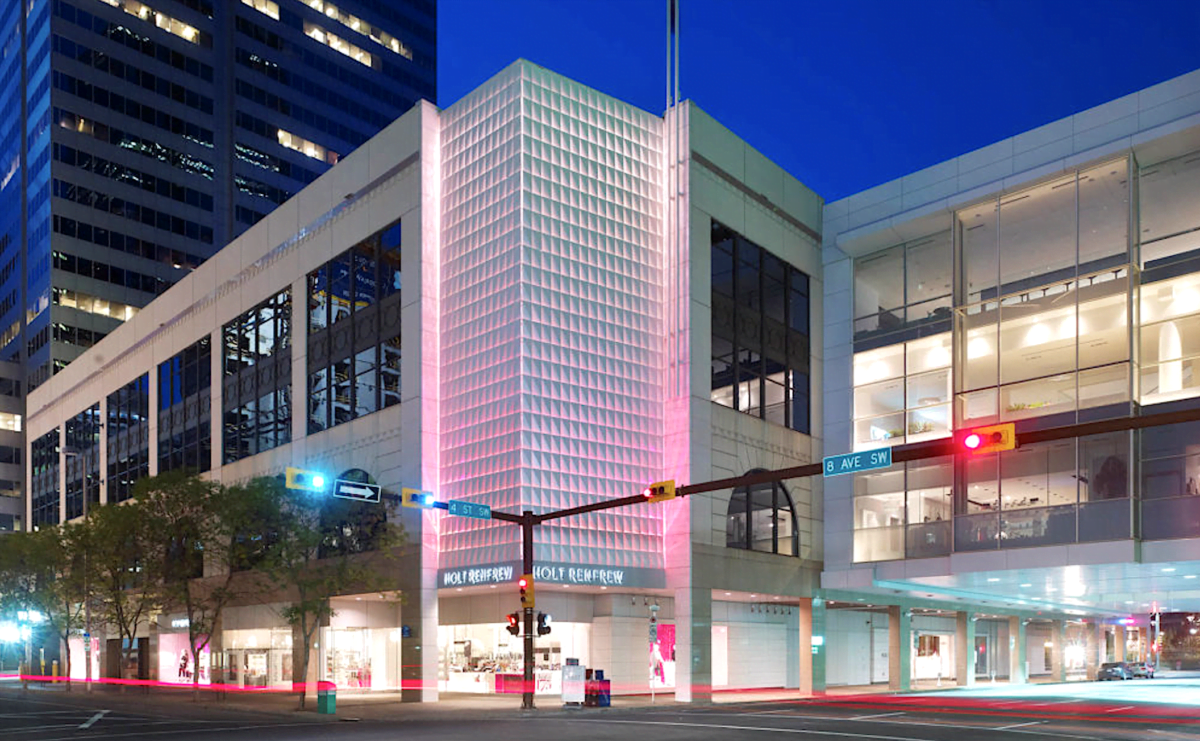
Retail in the core is starting to benefit from increased residential, although the full impact is unlikely to be identified for several years when conversion projects are completed. New residential development on adjacent land over the past 10 to 15 years has supported the city’s retail malls. Greater emphasis has now been placed on creating a destination for shoppers by mall management, with the addition of new restaurants, on-site recreational facilities including gyms and studios, as well as health and beauty services. CF Chinook Centre recently upped the ante, bringing in a new virtual reality experience to consumers with its Horizon of Khufu trip through the Great Pyramid of Giza with great success. The mall has since followed up with another virtual experience—Life Chronicles—that takes viewers through the ages. Both events will run through to the end of October 2025. The Hudson Bay Company’s bankruptcy was a blip in the market with its space broken down and taken over by smaller retailers, said RE/MAX.
REIT and institutional investment continue to be noted in the Calgary area given long-term development potential, as evidenced by the purchase of a 50 per cent interest in the Seaton Gateway shopping centre in Calgary for $33.5 million last year.
Neighbourhood retail nodes throughout the city remain strong, with clusters of boutiques, restaurants, and cool retail shops attracting foot traffic. Retail space is particularly coveted in vibrant districts including Kensington, 17th Avenue SW, Fourth St., and Inglewood, usually commanding top dollar with vacancies few and far between.
Regina
The Cornwall Center, once a bustling mall with top retailers in the downtown core, has seen a steep post-pandemic climb in vacancy. The city’s three other shopping malls are also facing growing vacancies, prompting some to diversify their tenant mix, including Southland Mall’s incorporation of public library space. In contrast, vibrant neighbourhood retail nodes including Cathedral Village, Normanview Crossing, Albert Park and restaurants along 13th Avenue, continue to resonate with shoppers, largely replacing the traditional mall experience, according to RE/MAX.
Regina’s commercial real estate market is poised for continued growth in the coming year, driven by favorable economic conditions, easing immigration policies, and sustained interest from institutional and foreign investors. Despite challenges such as trade tensions and limited land availability, the city’s robust growth and government initiatives will continue to support its dynamic market.
Saskatoon
Residential growth continues to drive retail development in Saskatoon. With each new subdivision comes new retail centres anchored by grocery stores, banks, restaurants and other essential businesses. Bustling retail within the city’s neighbourhood nodes including University Heights, Lawson Bridge, Midtown, Broadway, and 33rd St., continue to attract both locals and visitors.
Investor appetite for hotel properties also remains strong, with five selling in recent months. Many of these are smaller hotel/motel-type properties with 80-plus rooms located outside city limits, servicing areas where accommodations are limited. Values typically range from $1 million to $5 million, but larger hotel product on the market can climb as high as $15 million. The city has not seen any new hotel development in at least five years. Financing, however, remains a challenge, with most lending institutions looking for as much as 50 per cent down on the proposed rental rate per room.
Vacancy rates in the industrial sector continue to edge upward as new industrial product comes to market. Rates currently hover at three per cent, up significantly over year-ago levels, while absorption levels have softened. While a limited number of owner-occupiers are seeking larger footprint industrial properties over 20,000 square feet, smaller industrial operations at 5,000 sq. ft. tend to sell quickly, added RE/MAX.
Winnipeg
While industrial and multi-family real estate continue to thrive, the retail landscape presents a more nuanced picture. E-commerce has reshaped consumer habits, yet several neighbourhood retail nodes have remained resilient, including the Forks Market, Osborne Village, the Exchange District and West Broadway continue to be robust and offer unique shopping and dining experiences that draw both residents and visitors. New restaurants continue to open in these areas, and established venues are investing in renovations to maintain competitiveness. Newcomers have had a presence in the city’s commercial market as well, buying up existing businesses to become owner-operators and, in the process, extending the city’s mix of services, cuisine and cultural offerings. Investor interest remains high for well-anchored retail shopping plazas in the city’s southwest and eastern retail corridors, though available inventory remains limited, stated RE/MAX.
In contrast, larger regional shopping centres face greater headwinds. CF Polo Park, for example, is working toward broadening the tenant mix and repurposing existing space, but replacing legacy retailers such as the Hudson’s Bay Company will prove challenging.
London
Smaller retail plazas continue to be sought after by investors for future development, but product is few and far between. Retail vacancies are low, with most near or at full occupancy. The city’s larger retail properties are seeing increased vacancies, with lease rates coming down to $18 to $25 per square foot. Landlords are working with existing tenants on renewal, with some offering rental reductions, given that they’d rather renegotiate terms than allow good tenants to leave and spent months filling empty units. The tenant mix in area malls—including both White Oaks and Westmount—is evolving with less traditional retail and more service-oriented businesses.
Hamilton and the Niagara region
Small service-based retail continues to perform well in Hamilton, St. Catharine’s and throughout the Niagara Region, with low vacancy rates in markets across the board sparking some talk of building on speculation. Scarcity of smaller spaces between 1,000 to 1,100 square feet and mid-sized product from 3,000 to 5,000 square feet is starting to place upward pressure on retail lease rates. Almost every strip retail plaza has a waiting list of potential tenants.
Malls continue to grapple with rising vacancies, looking for innovative ways to improve customer experience. Eastgate Square, servicing East Hamilton and Stoney Creek, is expected to undergo a massive transformation to provide a “revitalized retail destination and vibrant residential community.” While the development’s original plan has changed somewhat, the new proposal includes 19 residential towers that will house approximately 7,600 people in 4,300 units. The project is forecast to unfold over four phases with 10 years to full completion. Groundbreaking is yet to be determined, given that most new construction of multi-residential units has ground to a halt.
Greater Toronto Area
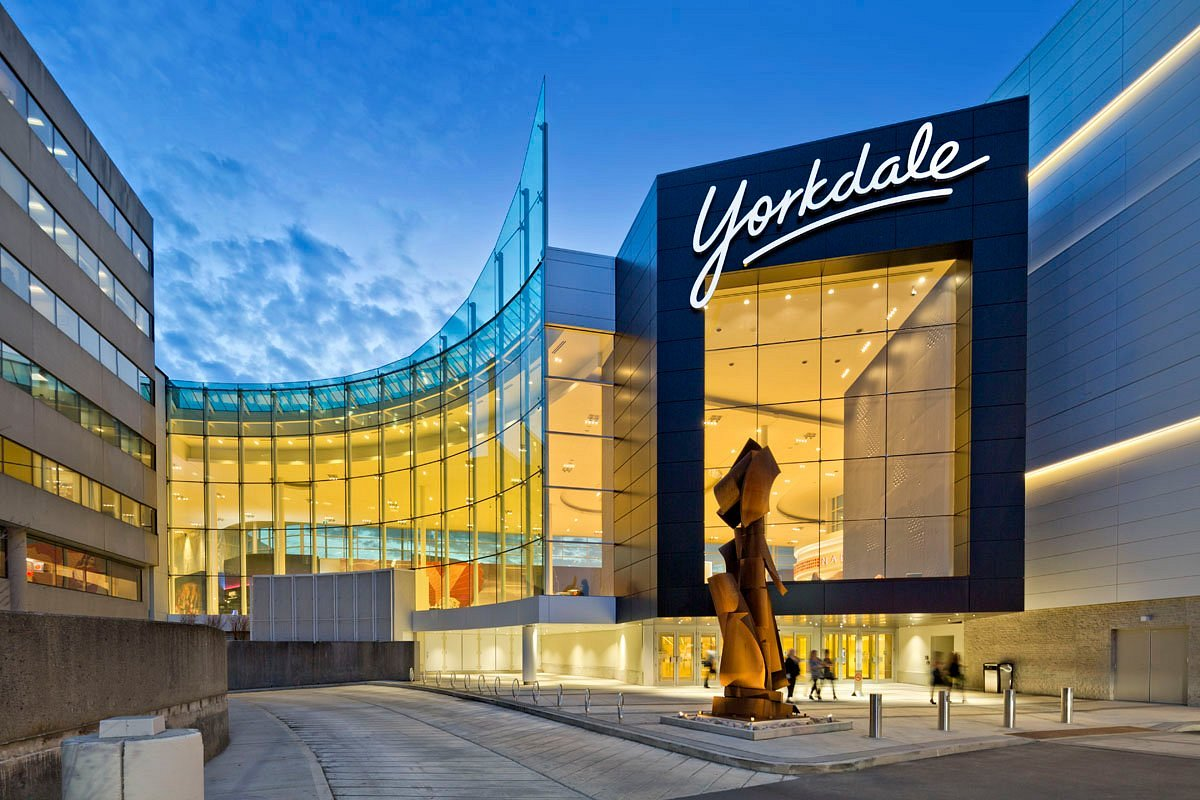
Retail, by contrast, remains relatively stable despite notable disruptions. The bankruptcy of the Hudson’s Bay Company marked the end of an era, but lease rates have held firm in large part due to low vacancy rates and evolving mall strategies. Shopping centres across the GTA continue to expand their offerings, incorporating residential units, restaurants, entertainment venues, and niche grocery stores. Malls in the 416 and 905 area codes, led by Yorkdale Shopping Centre, Square One and the Eaton Centre, continue to lead in national performance rankings, according to ICSC 2024 Performance Rankings. Yorkdale remains a standout with lease rates now over $2,300 per square foot—$800 more than any other Canadian mall. The void left by HBC’s exit is expected to be absorbed by new retail ventures. Retail plazas remain a top target for investors, especially those with mixed-use development plans. Ideal properties are anchored by grocery or banks, but inventory in the Greater Toronto Area is scarce and new developments are hindered by limited shovel-ready land and planning constraints, reported RE/MAX.
Ottawa
Ottawa’s retail market continues to thrive, with both leasing and sales activity robust throughout much of the city. Most retail space is quick to sell, and finding anything in the sought-after $2 million range is virtually impossible. Adaptive reuse is occurring throughout the asset class, with the best example a new gym at the site of a former Canadian Tire store. After a long drought, new retail construction is expected to break ground in Barrhaven, Orleans and Kanata this year. New entertainment venues are planned for both the Byward Market and Kanata. Investors have been driving demand for retail centres that are anchored by grocery stores. A brokered retail plaza recently traded at a cap rate of six per cent. New business is also filtering in from other provinces. Ottawa was chosen by Montreal-based furniture retailer Cozey for their first pop-up store in 2025, with the intent to eventually open in the city.
Halifax
Retail has remained resilient, particularly in the downtown core where an increase in tourism has buoyed growth in owner-occupied businesses including restaurants. The steady stream of incoming multinational retailers has subsided, and local entrepreneurs are filling the void. Owner-operators are now increasingly present across a wide range of sectors, including retail, hospitality, and light industrial. According to Altus Group’s Canadian Investment Trends Survey for Q1 2025, Halifax ranks among the top three Canadian markets for opportunities across several asset classes, including food, grocery and bank-anchored strip plazas, suburban multi-unit residential, and multi-tenant industrial.
St. John’s
Retail remains healthy in St. John’s, with the Avalon Mall and big box stores—including the largest Costco in Canada, Marshalls, HomeSense, and Mark’s—at the Shoppes of Galway, drawing shoppers from all areas of the province. The Shoppes of Galway continues to expand, with 700,000 sq. ft. of retail available for lease, and the development is positioned for further growth with a 2,400-acre master planned community in progress.
Related Retail Insider stories: