

The Hudson’s Bay Company is forcefully rejecting calls from a key lender to expand court oversight of its operations, arguing in new court documents that many of the problems cited by the lender were in fact caused by the lender itself.
In an affidavit filed Sunday with the Ontario Superior Court of Justice, Michael Culhane, chief financial officer and chief operating officer of the defunct retailer, accused Hilco Global of “intentional inaccuracies and mischaracterizations” in its push to have Alvarez & Marsal’s court-appointed oversight powers enhanced. He described the criticisms as an effort to deflect blame for the very liquidation failures Hilco helped engineer.
“It is neither fair nor credible for Hilco to criticize the retailer for matters that were foreseeable, inevitable and/or, in many instances, driven by or contributed to by Hilco’s own conduct and commercial decisions,” Culhane said.
The dispute has become the central battle in the Hudson’s Bay liquidation dispute, one that may shape the outcome of the company’s restructuring under Canada’s Companies’ Creditors Arrangement Act. Hilco, through its affiliate Restore Capital, is a major lender and also owns Hilco Merchant, the lead liquidator in charge of shutting down Hudson’s Bay’s remaining department stores.
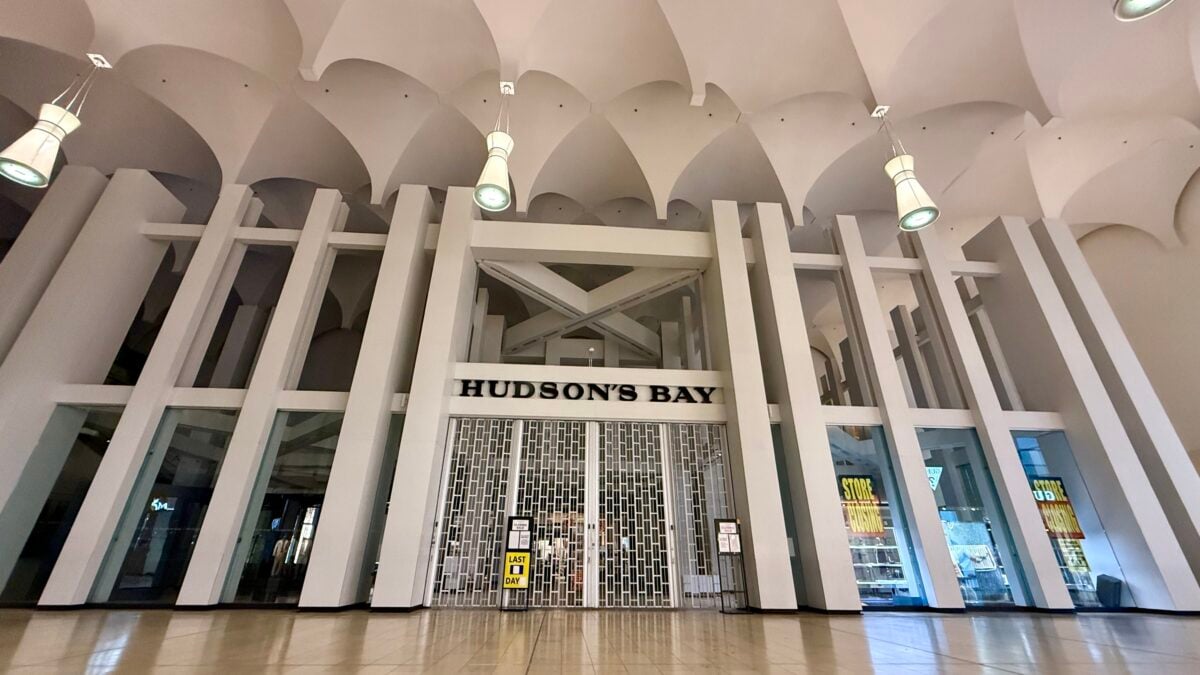
Restore Capital and its co-lenders advanced $151.4 million to Hudson’s Bay in December. They now argue that the retailer has wasted that money through poor decisions, including a contentious deal to sell 25 leases to B.C.-based billionaire Ruby Liu. Restore is seeking a court order to terminate the sale and install either a more powerful monitor or a third-party receiver to oversee what remains of the business.
But Culhane contends that the liquidation sale was run directly by a syndicate of five firms, with Hilco in the lead. That group included Gordon Brothers, Tiger, the GA Group and SB360 Capital. According to Culhane, Hilco controlled pricing and timing decisions and had supervisory staff in every store.
Hilco’s own projections anticipated roughly $17 million in sales from furniture, fixtures and equipment (FF&E). Instead, only $10.7 million was recovered, a shortfall Culhane attributed to missteps made by the liquidators, including delayed start times, poor discounting, and failure to secure bulk buyers.
“These were matters Hilco knew or should have known could occur when it agreed to and participated in the various processes that it now criticizes,” Culhane wrote in his affidavit.
The retailer now faces accusations that the FF&E abandonment is costing millions in removal fees. Yet Culhane insists that Hilco chose to vacate all stores by June 7 and left behind unsold items, despite Hudson’s Bay’s warnings. He argues it is disingenuous for the company’s lender and liquidation partner to now seek greater control over the wind-down.
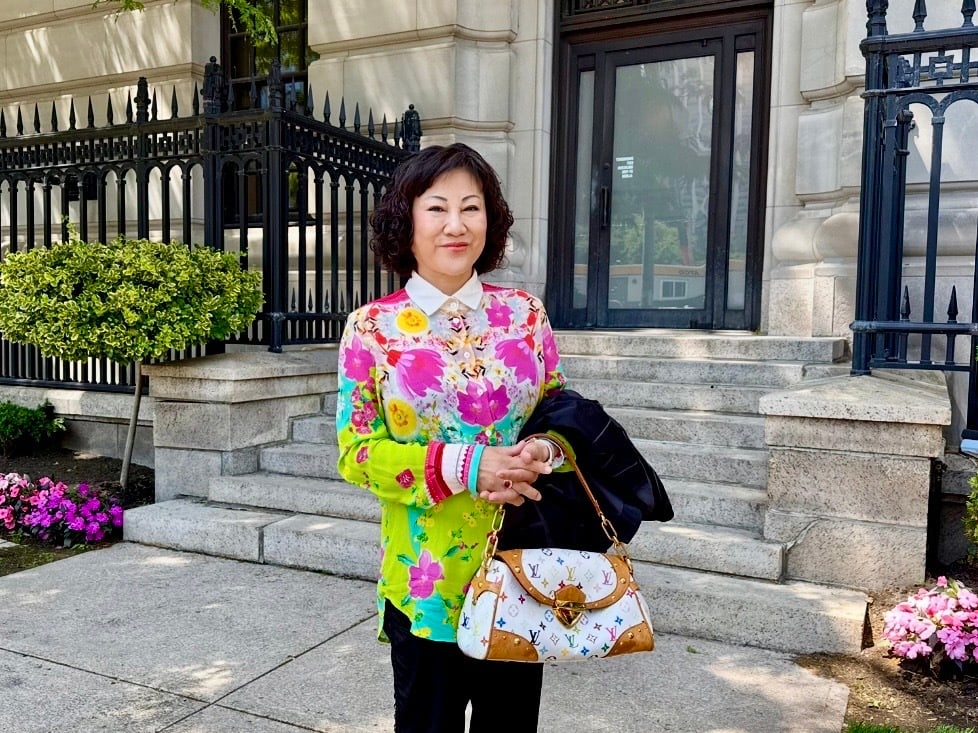
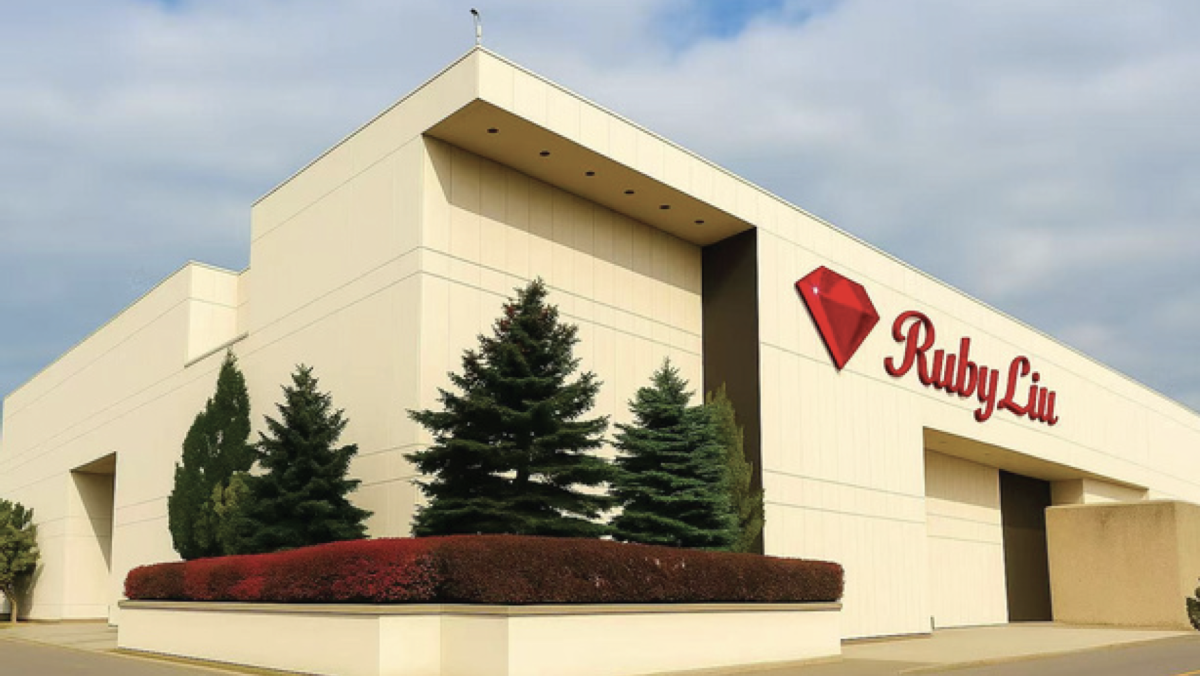
At the centre of the broader Hudson’s Bay liquidation dispute is the proposed sale of 25 store leases to Ruby Liu, a mall owner who plans to relaunch the department store model under her own name. Liu has already acquired three leases for $6 million and made a $9.4 million deposit toward the remaining 25, suggesting a purchase price of approximately $94 million.
Restore Capital calls the Liu deal “illusory” and a “misadventure,” citing landlord resistance and a lack of a convincing business plan. In a filing over the weekend, the lender warned that the transaction’s delay is costing lenders millions in ongoing rent and legal fees. “If the transaction fails, no proceeds will be realized and the astounding costs incurred, and to be incurred, in its pursuit, will never be recouped,” Restore stated.
Culhane defended the lease sale, saying it represents the best chance to realize value for creditors. He also revealed the company intends to seek court approval for an additional lease sale later this month and plans to auction off its corporate art collection to raise further funds. Hudson’s Bay is also pursuing a claim for access to a pension surplus, which Culhane says could allow lenders to be repaid in full.
In seeking to block Restore’s push for expanded oversight, Culhane warned that appointing a “super monitor” or outside receiver would introduce unnecessary costs and delays. He emphasized that Alvarez & Marsal, the current monitor, has not raised concerns about cash flow or mismanagement and continues to support the company’s conduct in the proceedings.
Hudson’s Bay, once Canada’s oldest retailer and a cultural institution, filed for creditor protection in March after years of declining sales, neglect, and mounting debt. As the liquidation winds down, tensions between lenders and management have intensified, with the fate of the Liu transaction likely to be a deciding factor in what, if anything, remains for creditors.
The court is set to hear arguments Tuesday on whether to terminate the Liu deal or let it proceed. The outcome will mark a pivotal moment in the Hudson’s Bay liquidation dispute, as stakeholders await a ruling that could determine the future of the company’s remaining assets.

















Hello I am still waiting for my to orders