Canadian wholesale leader CTG Brands Inc. has completed its acquisition of Toronto-based Giftcraft, a storied supplier in the home décor, lifestyle, and gifting sectors. The transaction, finalized on September 2, 2025, sees Giftcraft integrated into CTG’s portfolio through its affiliated company Giftcraft 2025 Inc. The deal represents a pivotal moment for Canadian retail distribution, strengthening CTG’s role as a major player in North American wholesale.
“We’ve been supporting local retailers for over 40 years, and Giftcraft brings a 75-year legacy of innovation and excellence,” said Grant Pittam, President of CTG Brands. “This acquisition reflects our long-term commitment to growing alongside our partners and delivering meaningful value to retailers, consumers, and vendors.”
Complementary Strengths
Founded in 1945, Giftcraft has supplied more than 10,000 retailers across North America, ranging from independent stores to global chains such as Costco, Walmart, Barnes & Noble, Canadian Tire, and Loblaw. Its broad assortment of decorative accessories, kitchenware, wellness items, and garden gifts has earned it a loyal customer base.
Giftcraft’s strength lies in its U.S. presence, which makes up roughly 80 percent of its business. CTG Brands, meanwhile, has historically been more Canada-focused, with about 95 percent of its operations rooted domestically. This balance makes the acquisition highly complementary.
As Bin Wang, Executive Vice President, Operations and Finance at CTG Brands, explained in an interview, “We see a very strategic fit. As a Canadian corporation, we are acquiring Giftcraft from U.S. private equity and bringing the business back to Canada. That means creating more Canadian jobs and contributing more tax here, while still expanding our U.S. operations.”
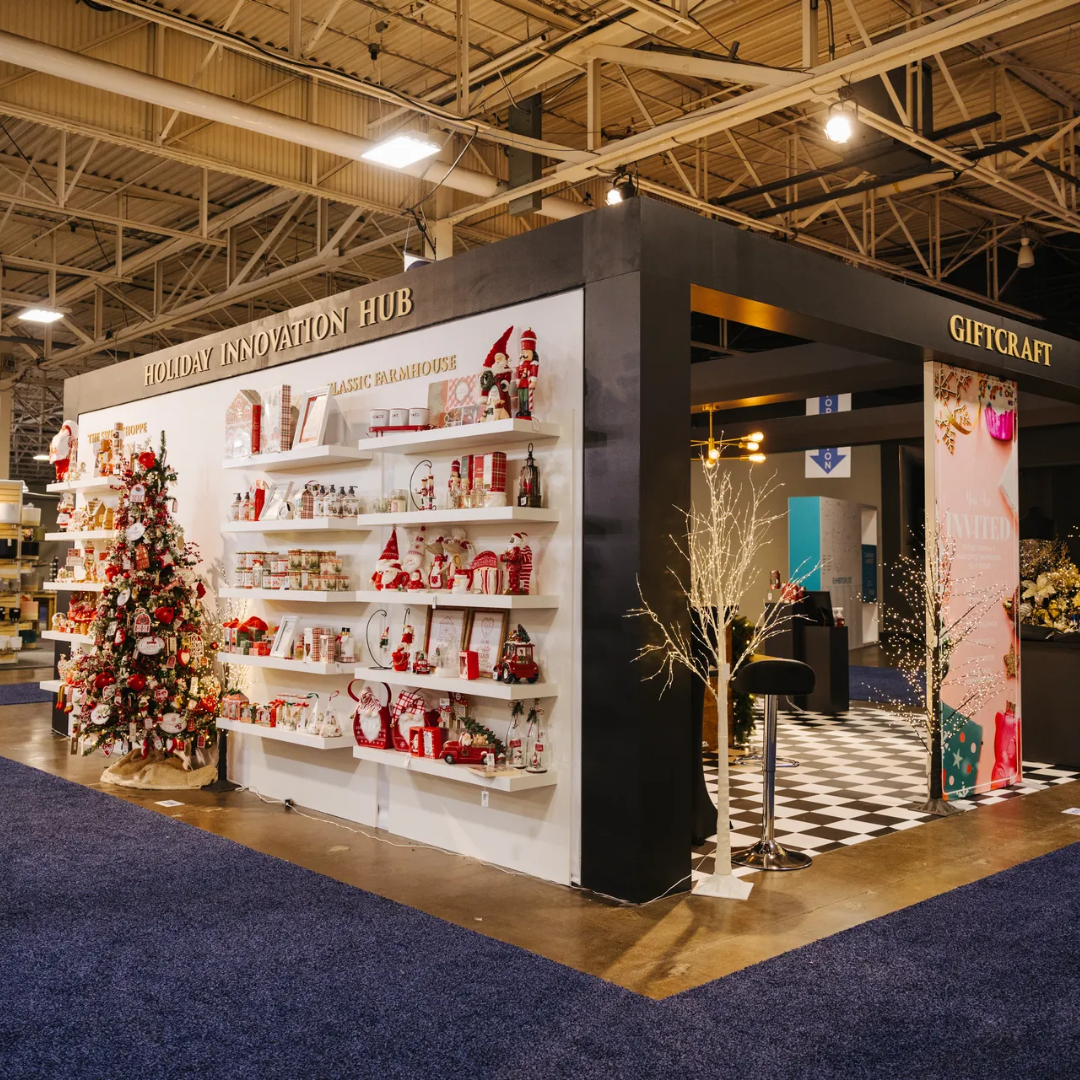
A Return to Canadian Hands
Giftcraft had been acquired by a U.S. private equity group in 2021, a move that eventually led to overleveraging and financial distress. By early 2025, the company was struggling with debt totalling more than $54 million CAD, including loans owed to RBC. It entered receivership after breaching liquidity covenants, scaling back operations, and losing momentum in some product lines, notably its Ripskirt brand, which faced challenges under U.S. trade tariffs.
For CTG, the acquisition was structured as a clean asset deal. “This is an asset acquisition, so we’re not acquiring liabilities,” said Wang. “It gives us a solid foundation to rebuild the brand and accelerate its return to full operations.”
Operational Integration, Separate Identities
Although Giftcraft will benefit from CTG’s infrastructure, the companies will maintain distinct identities. Giftcraft is expected to relocate operations but will not be merged into CTG’s main Vaughan facility.
“Our vision is to run them separately because both companies have very distinct cultures,” noted Wang. “Certain operational departments like warehousing, IT, and customer service will be shared, but for the most part, the two companies will continue independently.”
This approach preserves the integrity of Giftcraft’s long-standing brand while giving CTG efficiencies in distribution. Giftcraft products will move into CTG’s warehouses in Ontario and British Columbia, creating economies of scale for logistics across Canada and into the U.S.
Navigating Cross-Border Trade
The deal also carries implications for cross-border trade. Giftcraft’s deep U.S. customer base allows CTG to expand in ways that were previously limited.
“Having Giftcraft in our portfolio gives us much larger buying power,” Wang explained. “We can negotiate better with suppliers and ship more efficiently across the border. That means larger shipments, better pricing, and improved service for both Canadian and U.S. retailers.”
While tariffs and trade policies remain unpredictable, CTG’s dual presence offers resilience. By consolidating shipments in Canada before distributing into the U.S., the company aims to optimize costs and secure a stronger foothold in the American market.

Growth Strategy and Industry Context
The Giftcraft acquisition marks the fourth significant deal for CTG in recent years. Previous moves include:
- 2020: Acquisition of AZ Home’s décor business.
- 2021: Acquisition of personal care brand Pure Passion.
- 2023: Acquisition of Malinda Distributors, a de-alcoholized wine supplier.
- 2025: Strategic partnership with Kitchen Stuff Plus, granting CTG exclusive U.S. distribution rights for the Canadian retailer’s branded products.
Together, these acquisitions demonstrate a clear growth trajectory. CTG has steadily diversified from home décor and giftware into lifestyle, beauty, and even food categories, creating a broader value proposition for retailers.
“We already see opportunity on both sides,” Wang said. “Giftcraft’s customers are beginning to buy CTG products, and CTG’s customers are showing interest in Giftcraft’s more design-driven offerings. Year one will be about stabilization, but year two will be more aggressive growth.”
Supporting Canadian Retailers
CTG has positioned itself as a steadfast supporter of Canadian retail. Its 14,000-product catalogue is supplied to over 3,000 retail customers across Canada and beyond. With distribution centres in Toronto and Vancouver and showrooms in Toronto, Vancouver, and Atlanta, the company has built strong ties with independents and chains alike.
Bringing Giftcraft back under Canadian ownership is seen as a point of pride for the company. “This stimulates the Canadian economy at a time when conditions are challenging,” said Wang. “We’re creating more Canadian jobs and building more capacity here, even as we strengthen our U.S. presence.”