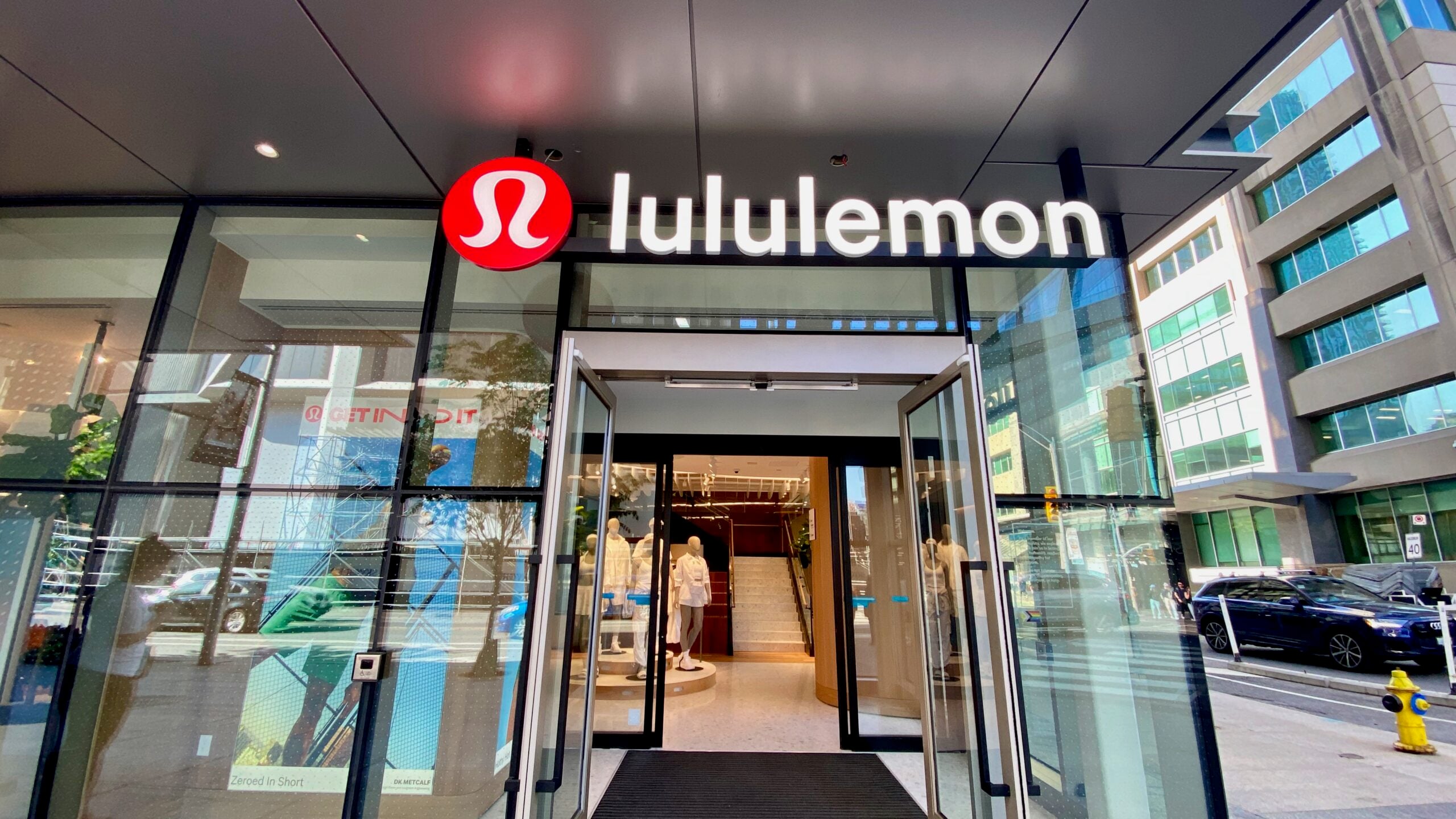
Lululemon Athletica Inc., the Vancouver-born athletic apparel giant, is confronting mounting challenges as shifting consumer behaviour in the United States, coupled with new tariff costs, weigh on its performance.
On its latest quarterly earnings call, CEO Calvin McDonald delivered a stark assessment of the company’s position. “We are not satisfied with the results for the quarter, and we know our brand can and will perform better than these results,” he told analysts Thursday.
The company reported net income of US$370.9 million in its second quarter, down from US$392.9 million in the same period last year. Diluted earnings per share fell slightly to US$3.10 from US$3.15. While revenue rose to US$2.53 billion from US$2.37 billion a year earlier, the pace of growth did not meet internal expectations.
Comparable sales in the quarter increased just one percent, a figure viewed as lacklustre given the company’s ambitious expansion plans.
Tariff Fallout and De Minimis Changes
The company’s earnings update underscored the strain of international trade policy shifts on global retailers. Meghan Frank, Lululemon’s chief financial officer, outlined the impact of tariffs and the recent removal of the U.S. “de minimis” exemption, which had previously allowed shipments valued at US$800 or less to enter the country duty-free.
“This removal will have a significant impact on our gross margin,” Frank said. “We now expect a 220-basis-point, or approximately US$240-million, mitigated impact on gross margin for the year.”

Lululemon, which had been shipping many of its e-commerce orders to U.S. customers from Canada under the exemption, must now contend with added costs that erode profitability. The company cut its 2025 revenue guidance to between US$10.85 billion and US$11 billion, down from earlier projections of as much as US$11.3 billion.
Softer U.S. Market for Athleisure
Beyond tariffs, Lululemon is grappling with a broader shift in American consumer spending. “The overall market for premium athletic wear in the U.S. remains challenging,” McDonald said. “Consumers are spending less on apparel overall, spending less in performance active wear, and are being more selective in their purchases, picking out truly new styles.”
The comments reflect a cooling of the once red-hot athleisure segment that Lululemon helped define. The company’s lounge and social categories, McDonald acknowledged, have grown “stale,” and no longer resonate as strongly with customers. He conceded that the brand has leaned too heavily on the same product playbook across categories while competitors have multiplied.
A Competitive Landscape Crowded with Rivals
While Lululemon continues to command a loyal following, the competitive environment has shifted. “The competitive landscape is different today than it was even two or three years ago. And while no single competitor is having a meaningful impact on our business, there are now many players in the market,” McDonald said.
Major sportswear rivals like Nike, Adidas, and Under Armour have deepened their athleisure offerings, while new entrants ranging from direct-to-consumer startups to value-focused brands are expanding choices for consumers. The rise of fast-fashion retailers with performance-inspired collections adds another layer of pressure on margins and customer loyalty.

Recent Store Growth and Global Expansion
Despite near-term turbulence, Lululemon continues to pursue growth in international markets. As of August 2025, the company operates 476 stores in the United States, its largest market, and nearly 130 in China, which recently surpassed Canada as the retailer’s second-largest market.
Globally, the company ended its last fiscal year with 767 stores and plans to add 40 to 45 more in 2025, with the bulk concentrated in Asia. Recent high-profile openings include a new flagship in Milan and entry into several European markets through franchise partnerships in Denmark, Belgium, Turkey, and the Czech Republic.
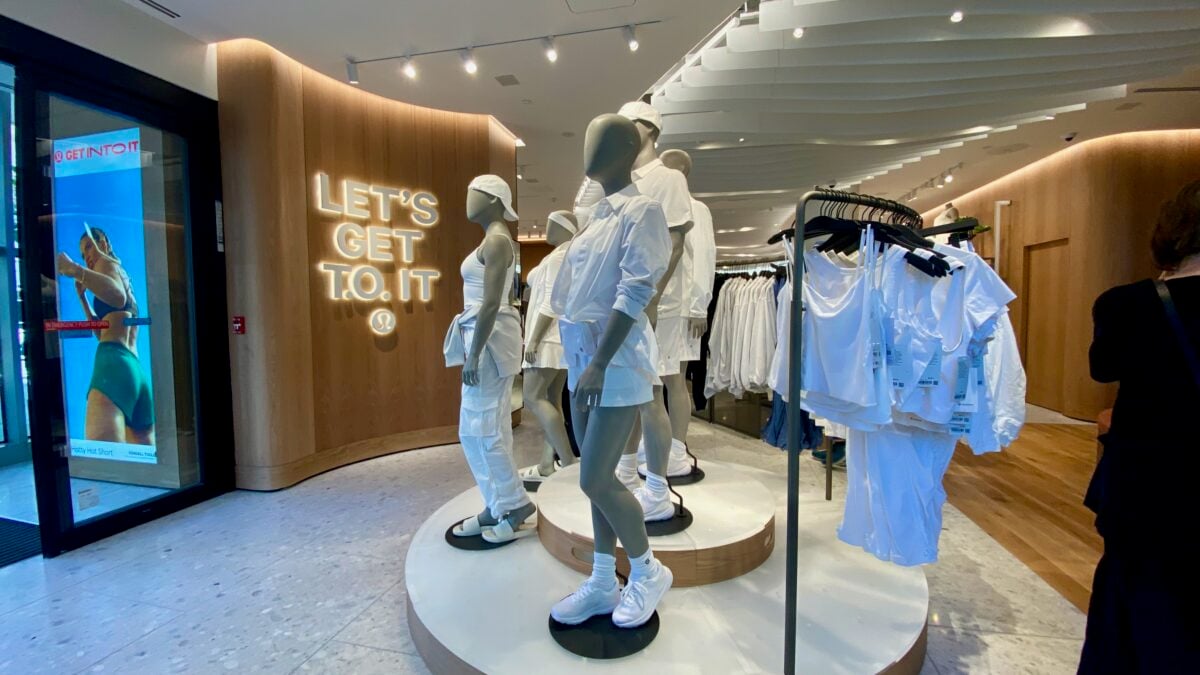
The company is also optimizing existing sites, with roughly 40 expansions under way. In Canada, Lululemon recently unveiled an upgraded store at Masonville Place in London, Ontario (now under new ownership), designed to enhance the in-store experience.
The Brand’s Origins and Evolution
Founded in Vancouver in 1998 by Chip Wilson, Lululemon began as a yoga-inspired design studio before opening its first retail store in 2000. Its early success rested on the popularity of its yoga pants and proprietary fabrics, particularly Luon.
Over time, the company expanded into apparel for running, cycling, training, and lifestyle wear, building a brand identity around wellness and community. Its vertical retail model, by controlling design, production, and direct sales, has given the company both exclusivity and high margins. Lululemon is widely credited with pioneering the athleisure trend, which has since become a staple of global fashion.
Today, the company’s product line includes performance fabrics such as Everlux, an expanded men’s collection, youth-focused apparel, accessories, and a growing footwear business. It has also experimented with streetwear through its Lab concept and with digital fitness through acquisitions, though the latter has faced mixed results.
Financial Discipline and Share Repurchases
In addition to store growth, Lululemon has deployed capital toward share buybacks. The company repurchased 1.1 million shares during the quarter at a cost of US$278.5 million. While such moves can support share price performance, they also reflect management’s balancing act between rewarding shareholders and investing in future growth.
Still, the current headwinds leave analysts questioning how much room remains for aggressive buybacks if profitability continues to come under pressure.
Looking Ahead
For Lululemon, the remainder of 2025 will test both its resilience and its ability to innovate. Management is tasked with reinvigorating categories that have lost momentum while navigating a difficult U.S. retail environment and higher international trade costs.
McDonald sought to assure investors that the brand remains focused on long-term performance. “We know our brand can and will perform better than these results,” he said.
The Canadian retailer’s global expansion underscores its ambition to remain a leader in athleisure, even as it adapts to changing consumer tastes and regulatory landscapes. Whether Lululemon can maintain its premium positioning and continue its growth trajectory will depend on how quickly it can adjust its product mix, expand internationally, and manage the new reality of tariffs.