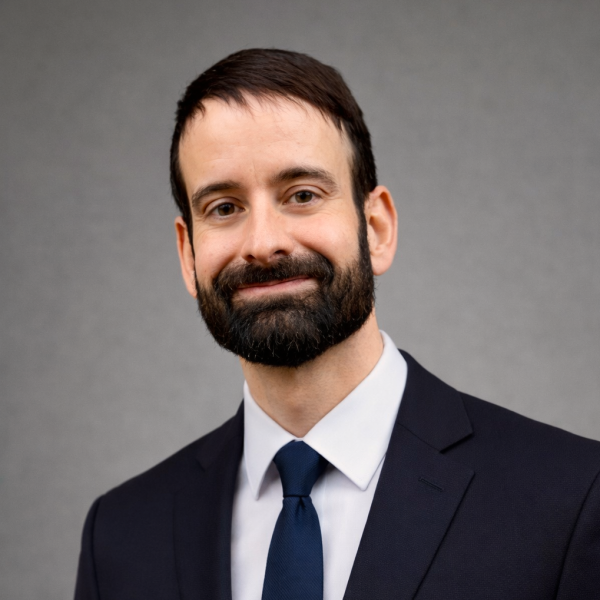
Luxury retail consultant and former Dior executive Douglas Mandel has launched a new thought leadership series on LinkedIn, offering twice-weekly posts that examine how brands can balance heritage with innovation while deepening human connection in stores and online. Titled Luxury That Connects, the series will run for at least ten weeks through autumn, with each article designed as a concise, standalone insight grounded in Mandel’s two decades in global luxury.
“This autumn, I’ve launched Luxury That Connects: A 10+ Week Journey Through Stories, Strategy & Service,” said Mandel in an interview. “Each piece blends story with strategy, lessons in brand, people, and performance that I now apply as a consultant helping brands navigate the shifting realities of modern luxury.”
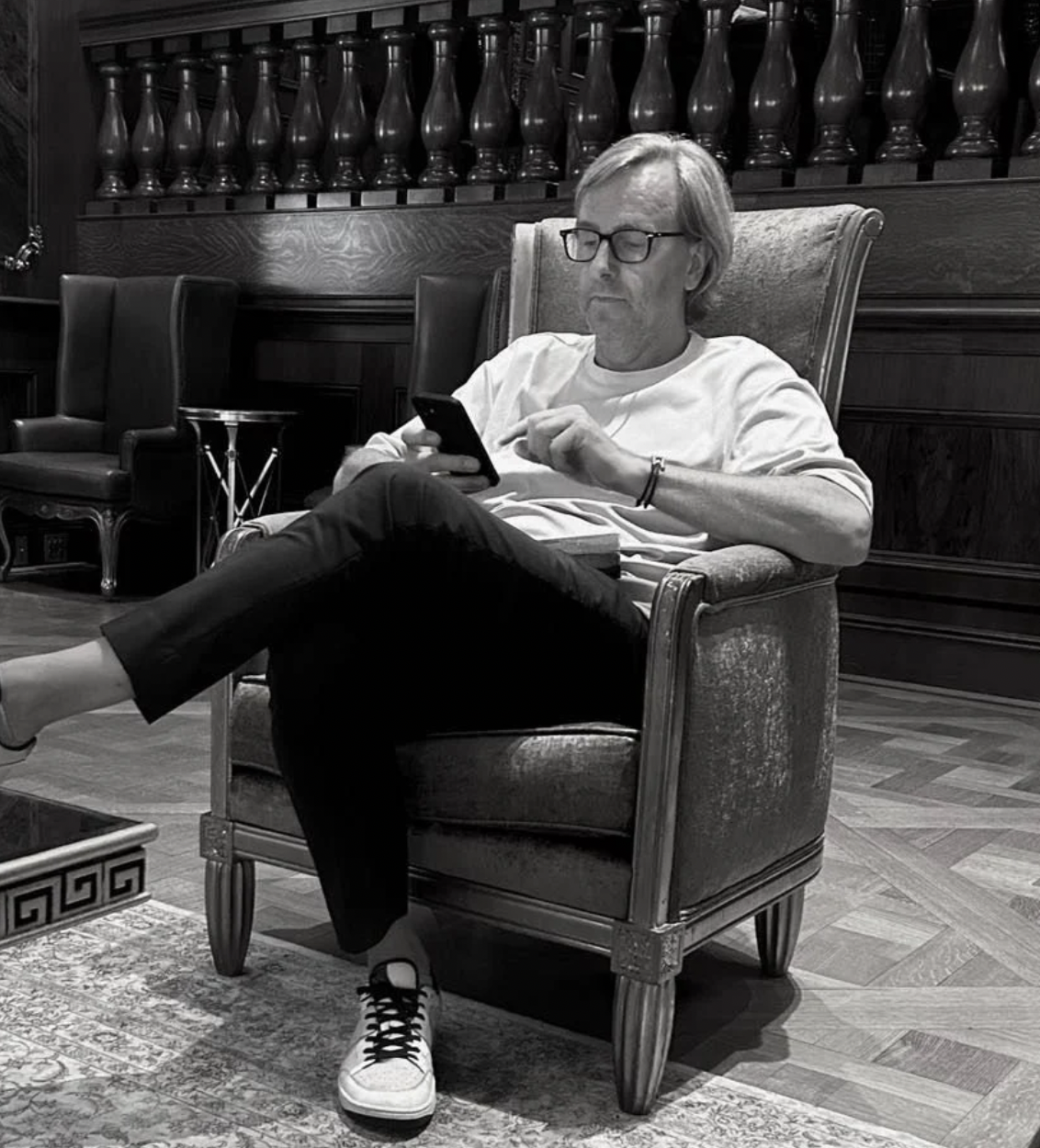
Mandel’s career includes extensive leadership experience in Canada, where he played a transformative role in redefining Dior’s retail presence and client experience across the country.
A Career That Spans Continents — and Reshaped Dior Canada
Mandel’s perspective has been shaped by a career that spans Europe, North America, and Russia, including senior roles at Christian Dior Couture and work with Assouline Publishing. He began as a tailor and menswear designer after studying fashion design at Sheridan College, later earning an MBA in International Luxury Brand Management at ESSEC Business School near Paris.
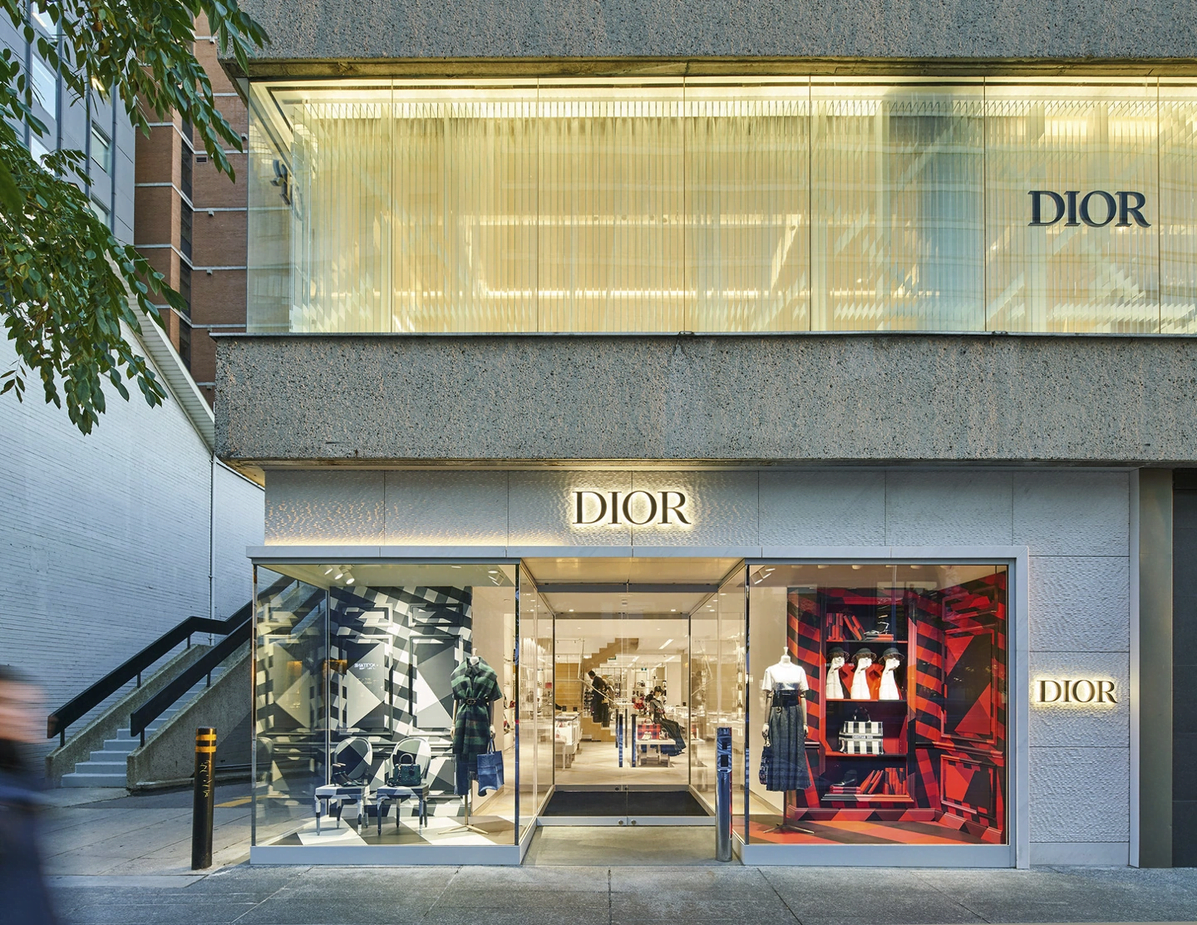
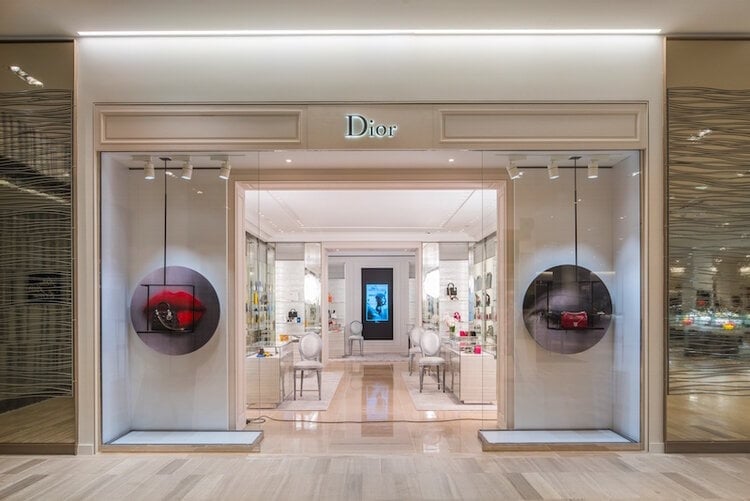
As Regional Vice President overseeing Dior Canada, Mandel was instrumental in transforming the brand’s Canadian retail footprint. When he began his tenure, Dior operated primarily through concessions at Holt Renfrew and a standalone store inside the Fairmont Hotel Vancouver. Mandel led a period of significant expansion that changed how Dior engaged with Canadian clients.
He opened the Dior flagship at The Colonnade in Toronto, introduced Dior Men to the Canadian market, and expanded the Holt Renfrew partnership from leather goods-only concessions to full-line boutiques offering ready-to-wear, footwear, and accessories. These developments helped establish Dior’s modern retail presence in Canada and set a new benchmark for how international luxury brands operate in the country.
Mandel’s global leadership also extended to major markets including Selfridges in London, and he oversaw flagship openings in Moscow and Las Vegas. Each experience informed his understanding of how local culture, team engagement, and brand storytelling intersect to shape the luxury experience.
“I started putting my experience and history down on paper,” he said. “It led me to realize there may be content here that can help people, inspire them, and give an insight into the luxury world. The luxury world is quite different than typical retail, and I want to use these stories to share, create exposure, and connect.”
Why Now: A Market at an Inflection Point
Mandel frames the series around a luxury sector that is reassessing fundamentals. He references widespread changes in creative leadership at European fashion houses, a slower global growth backdrop, and what he calls “price fatigue” among shoppers who are more selective than they were during the pandemic period.
“The industry is at a crossroads,” he said. “Technology is reshaping retail. Culture is redefining value. Clients today expect intimacy, not intimidation, meaning, not just marketing. It is a moment to ask what is next and whether there is a different way to build these businesses.”
A central theme is the enduring paradox of luxury. Brands must remain rooted in craft and history while engaging modern audiences who live across digital channels and expect seamless service.
“The paradox of luxury is to be anchored in history and heritage while also being modern,” said Mandel. “The best brands continually play with modernity but stay rooted in their anchor. Now technology is everywhere, so the question is how to embrace it, and what to embrace, without losing the soul of the brand.”
He argues that the most valuable applications of technology in luxury are those that equip associates with context and clarity when a client walks in. “There is so much data online, yet in a store the sales associate often does not know a client’s recent journey. That is a missed opportunity. Tech should enhance the human connection, not replace it.”
From Intimidation to Intimacy
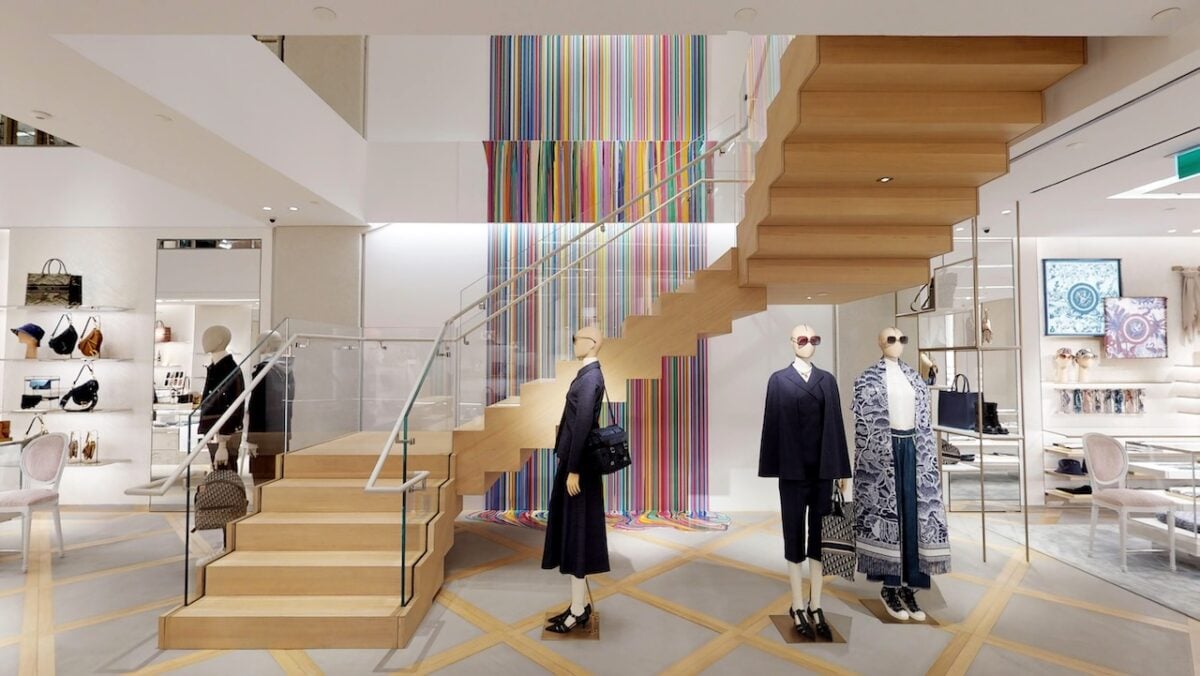
Mandel’s store leadership background informs his view of clienteling and service. The traditional aura of exclusivity still matters, yet the experience must feel welcoming and personal once a client steps inside.
“Luxury stores can feel intimidating, and that mystique is part of the brand,” he said. “But once a client is inside, the best sales associates know how to connect. They build relationships and understand their clients deeply. That is where true luxury happens.”
He trained teams with a simple premise. “If someone walks into a Dior store, there is a high chance they intend to buy,” he said. “The job is to meet them where they are, without assumptions, and make them feel known.”
Mandel observes that post-pandemic discretionary spending has rotated toward travel, hospitality, and experiences. Luxury brands, he says, are now competing with hotels and restaurants for the same share of wallet and attention. The implication for retailers is clear: the store must deliver an experience that can stand alongside an unforgettable trip or a special dinner.
“People are spending on experiences,” he said. “Travel is luxury, dining is luxury. The challenge for brands is to create emotional resonance equal to those experiences.”
Storytelling as a Strategic Asset
Each installment in the series draws from lived experience, including the production of a major fashion show in Moscow’s Red Square. For Mandel, storytelling and strategy are inseparable. Compelling narratives give context to craftsmanship, translate heritage for new audiences, and create the desire that drives long-term loyalty.
“Storytelling is how luxury builds dreams,” he said. “Luxury is not about need, it is about desire and the invitation to enter a world. The fashion show, the boutique experience, and the daily work of associates all serve that story.”
As luxury has shifted further toward direct-to-consumer models, runway shows have evolved as well. “In the past, shows were for buyers,” he said. “Now they serve the client and the world, and they create an emotional connection that drives loyalty.”
Mandel cautions against chasing one demographic at the expense of another. While brands court Gen Z with content and collaborations, the highest spending often remains with older clients who hold significant wealth. The task for leaders is to balance relevance to new audiences with respect for core clientele.
“There is a lot of talk about Gen Z, but baby boomers still hold enormous wealth,” he said. “The key is balance, appeal to the next generation without alienating the clients who are spending today.”
Giving Back to the Industry
Mandel positions the series as a contribution to an industry that shaped his career, and as a practical resource for leaders and teams across retail categories, not only luxury.
“Whether you are a retail executive, an emerging brand founder, or a clienteling specialist, I hope these stories help you think differently and act with more clarity,” he said. “Sales associates are the brand ambassadors. They bring the brand to life every day. If the series helps organizations train and support them better, the client experience improves immediately.”
Published twice per week on LinkedIn, the posts are short, direct, and designed to stand on their own while building a broader narrative over the season. Early entries preview the blend of field stories and practical frameworks that Mandel now applies through his consultancy. Topics range from launching immersive pop-ups, to training teams in client-first mindsets, to building brand strategies rooted in clarity and consistency.
“Each post is meant to provoke, inspire, and help you think more clearly about the business of luxury,” said Mandel. “Not every story has a neat ending, but every moment helped shape the consulting frameworks I use today.”
How to Follow the Series
Luxury That Connects publishes twice weekly on LinkedIn and will continue through the autumn season, with additional entries planned beyond the first ten posts. Readers can follow along to explore how heritage, people, and technology intersect in the modern luxury landscape.
In addition to the written pieces, a video component will accompany the series. Retail Insider’s Craig Patterson will host video discussions with Douglas Mandel on various topics covered in Luxury That Connects. Patterson will also interview Mandel and produce accompanying feature articles for Retail Insider, offering readers and viewers deeper insights into the ideas shaping modern luxury and the evolving business of client connection.
“I want the series to connect the brand, the people behind it, and the performance that leaders are chasing,” Mandel said. “If it sparks new ideas or better training on the shop floor, it has done its job.”
Editor’s note: Douglas Mandel’s series, Luxury That Connects, appears twice per week on LinkedIn throughout autumn. Readers can search for the series title on LinkedIn to access the latest posts.