Silverts, the Canadian-based leader in adaptive apparel, has acquired IZ Adaptive, the award-winning brand founded by Toronto designer Izzy Camilleri. It’s a move that brings together two of the country’s most influential names in inclusive fashion.
Under the transaction, IZ Adaptive retains its brand identity and dedicated website, while Silverts assumes leadership of sourcing, supply chain, and distribution. Camilleri becomes Chief Design Officer for both labels, an appointment that signals a stronger design-led future for adaptive apparel in North America. “Izzy is truly the best designer of adaptive clothing in the world,” said Joshua Norris, General Manager of Silverts and now the company’s President and CEO, who called the acquisition “an opportunity to really make fashionable, great clothing,” and a platform to “serve the entirety of the market.”

The combined business arrives at a turning point for inclusive retail in Canada. With demographic pressures from an ageing population, a growing cohort of younger customers living with disabilities, and rising caregiver needs, demand for adaptive solutions is expanding in both community and institutional settings. The acquisition also lands as Silverts celebrates its ninety-fifth year, under independent Canadian management, with an operational footprint now calibrated for speed and scale on both sides of the border.
A Canadian legacy meets a Canadian pioneer
Founded in Ontario in 1930 as a small chain of department stores, Silverts gradually shifted its focus as its customers aged and new dressing challenges emerged. Norris described a moment that crystallized the company’s purpose. “One of our customers had trouble raising their arms. It was like, I can’t even put on my shirt anymore,” he said. “The old owner cut up the back of a dress, wrapped it around, and put it on. That is how adaptive clothing in our world was born.” From there, Silverts began supplying nursing homes and hospitals, then expanded into direct-to-consumer e-commerce, with distribution in Canada and the United States.
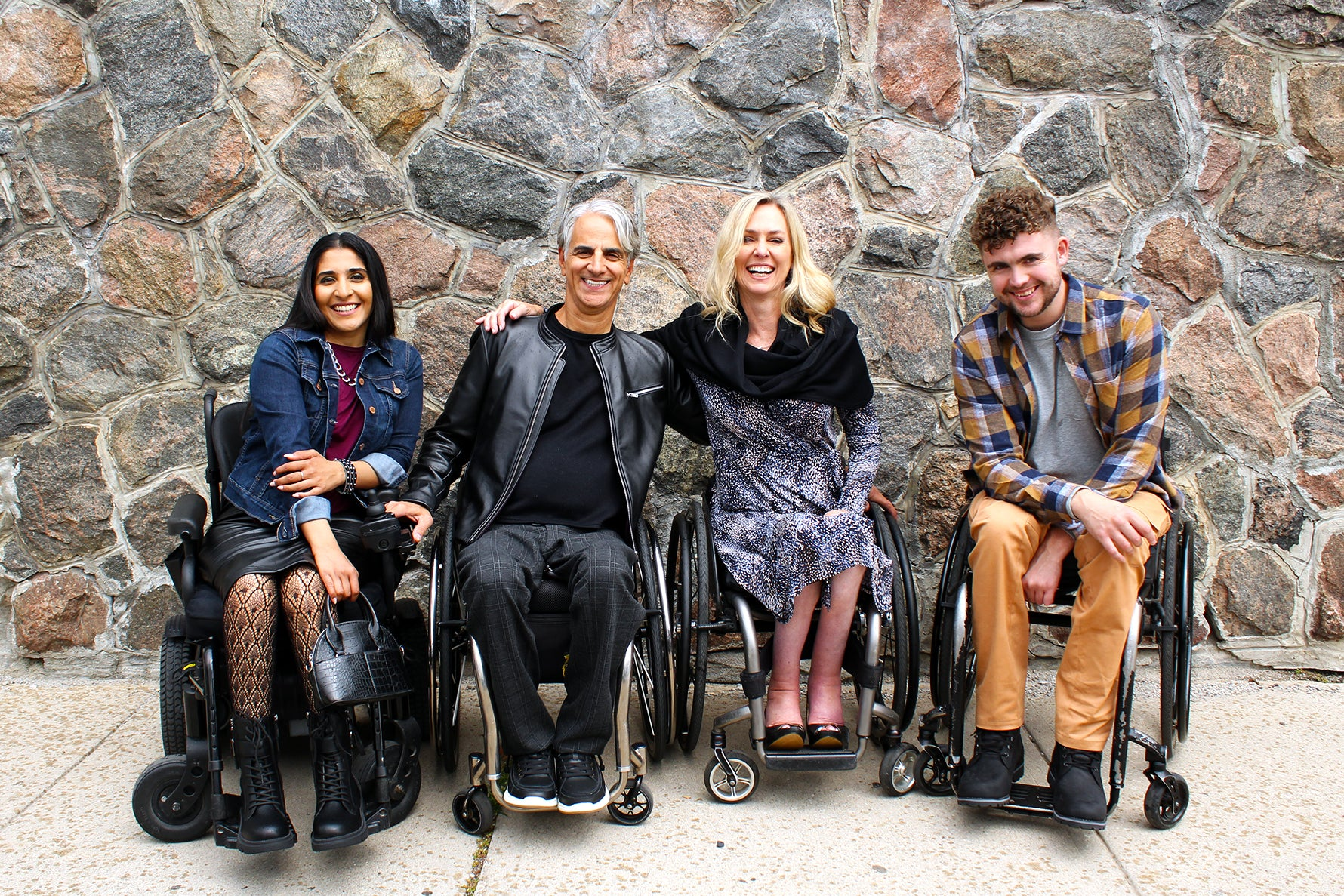
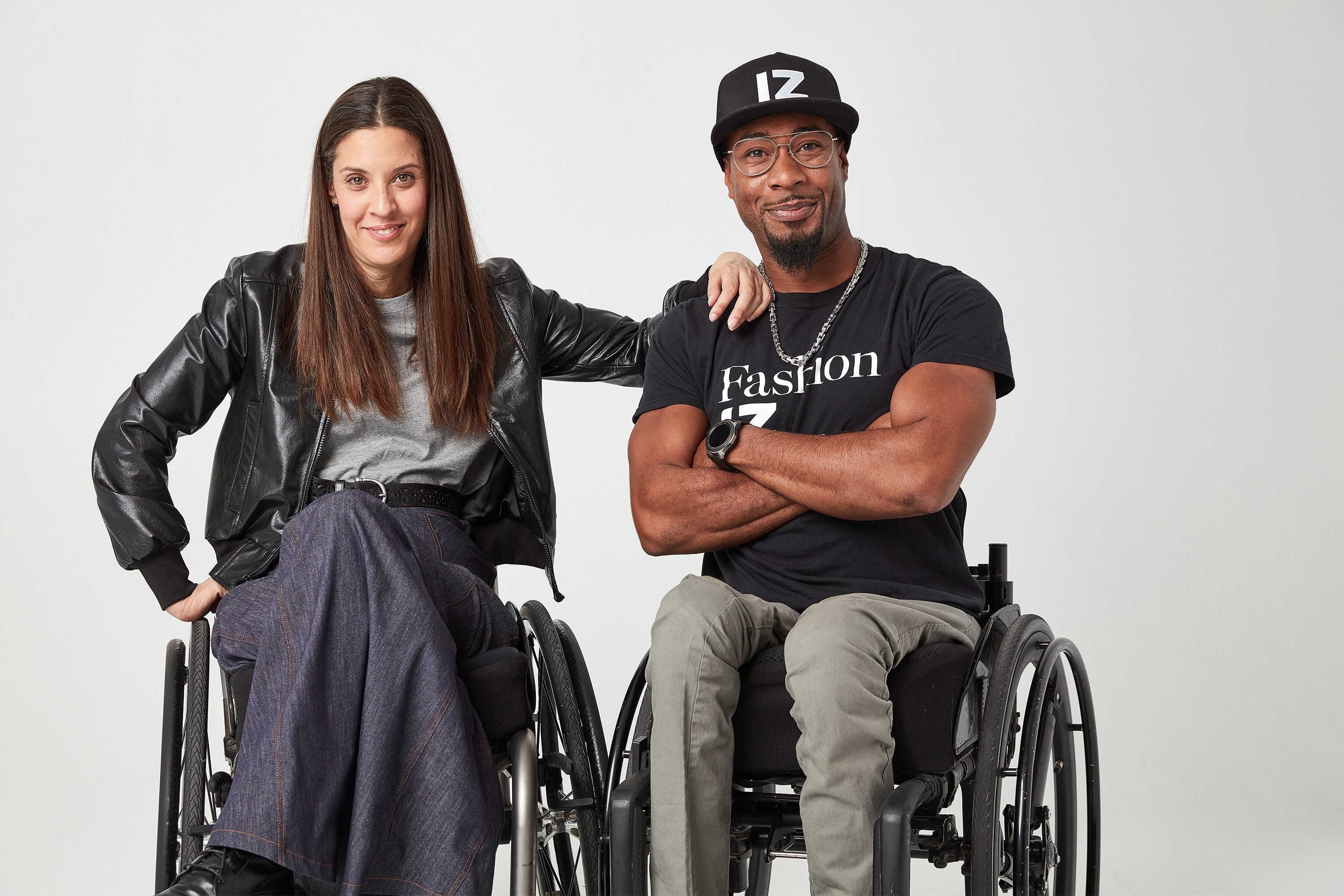
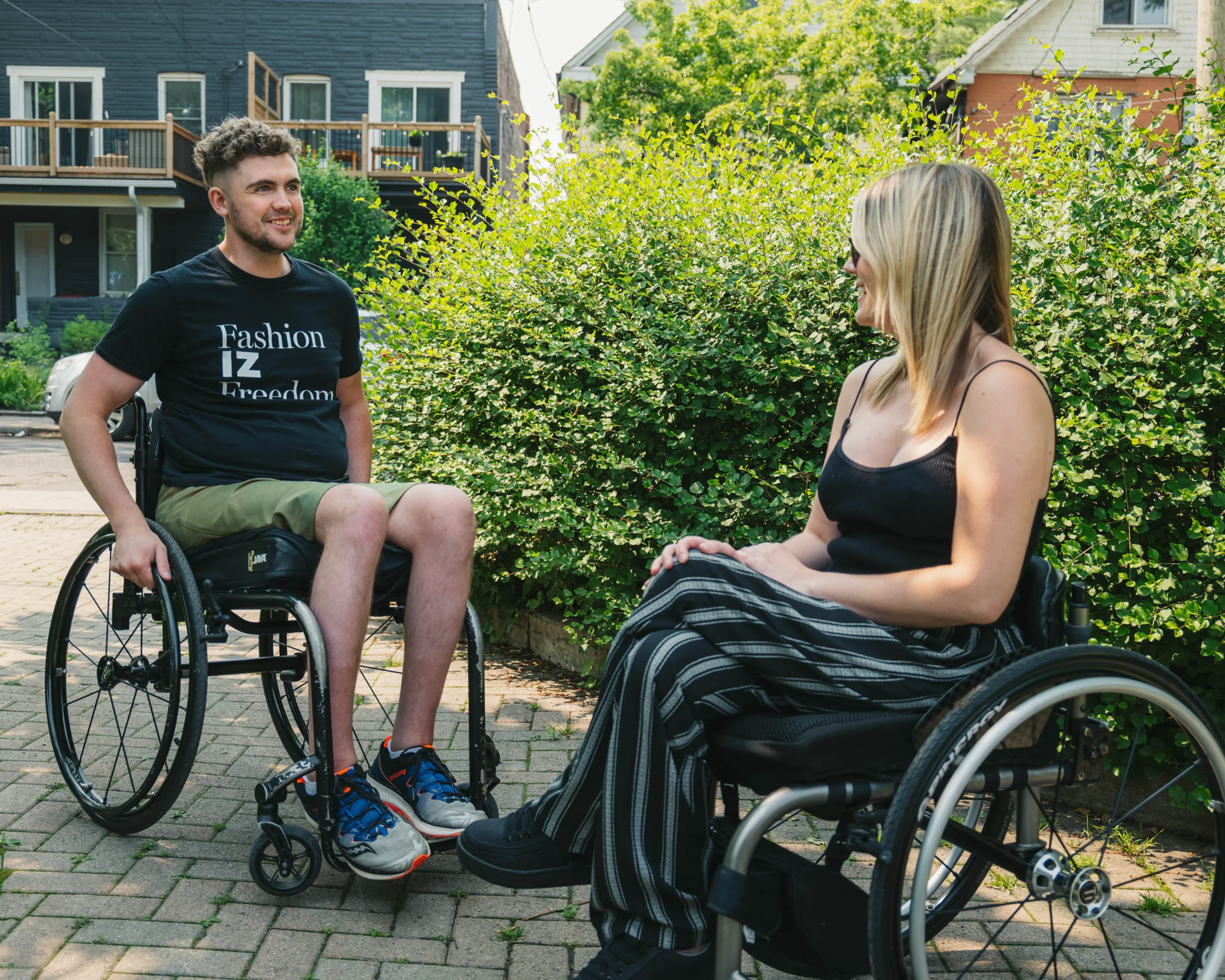
Camilleri, whose work has ranged from high fashion to film wardrobe, entered adaptive design nearly two decades ago after meeting Toronto Star journalist Barbara Turnbull, a wheelchair user who sought a garment suited to her needs. “I had no idea this category existed,” Camilleri said. “I became a sponge working with her, enlightened by her issues and inspired by them.” She launched IZ Adaptive in 2009, producing wardrobe essentials such as jeans, chinos, and T-shirts designed for wheelchair users and others facing dressing barriers. The label quickly gained international recognition for marrying style and function, and for elevating dignity and independence through design.

The two paths began to entwine years ago. “IZ Adaptive was the first company I found doing something special,” said Norris, who credited Camilleri as both mentor and collaborator. The brands worked together on adaptive denim in the late 2010s, then diverged as Silverts went through ownership changes. Following a management-led buyout in late 2024 that returned Silverts to Canadian hands, Norris re-engaged Camilleri and reached a deal to reunite the businesses in early September 2025.
Strategy behind the deal
The logic is straightforward. Silverts has deep penetration among older customers and care facilities, supported by broad assortments that include tops, pants, sleepwear, intimates, outerwear, recovery wear, swimwear for hydrotherapy, and adaptive footwear. IZ Adaptive brings global design credibility and a stronger connection to younger adults and professionals who want clothing that is both functional and fashion forward. “We have long looked at how we can address the greater market, reach younger people, and serve a much broader spectrum of people with disabilities,” said Norris. “Silverts reinventing itself on its own would be a stretch. The acquisition under IZ Adaptive gives us the opportunity to deliver fashionable, great clothing and hit our next level of growth.”
Camilleri underscored the shift. “A lot of people break their back at a young age and they are not ready to dress in clothing for the elderly,” she said. “I started by creating wardrobe basics we all have, and that is still the foundation. People still want to look stylish and cool.” Her move into the Chief Design Officer role aims to infuse that sensibility across both banners, growing IZ Adaptive’s profile while elevating Silverts’ design language.
The market is larger than many think
Awareness remains the category’s biggest hurdle. “Most people just do not know adaptive clothing,” Norris said. “It solves a lot of problems that people experience with dressing.” Silverts estimates that more than eighty percent of Canadian long-term care homes purchase its products. Yet there is still significant runway in Canada and even greater opportunity in the United States. The company’s goal is to work with points of care so that adaptive clothing becomes standard practice, whether in a facility or at home with a single caregiver.
The value proposition is practical and human. Norris points to the strain injuries suffered by personal support workers and to the emotional impact of restoring independence. “We now have a magnetic closing dress shirt that allows someone to dress independently and go downstairs on their own. That is real empowerment,” he said. The feedback Silverts hears most often, he added, is, “We wish we knew about this sooner.”
Camilleri also highlighted the ecosystem around the end user. “Our end user is not our only customer,” she said. “People often buy for their parents or for an adult child with a disability. It is not just the end user purchasing, it is the network around them.” That dynamic places adaptive apparel at the crossroads of family decision making, professional caregiving, and retail discovery.
New Toronto distribution centre accelerates Canadian growth
Silverts is opening a new Canadian distribution centre in Toronto that the company says will cut shipping times across the country to two or three days, reduce costs for consumers, and increase inventory capacity for individuals, care homes, and wholesale partners.
The distribution centre is designed to remove friction for Canadian customers after years of shipping most orders from the United States. “We went live in that distribution centre the day we closed IZ Adaptive,” Norris said. “Canadians who have supported the business for ninety plus years now get their packages quickly and at a fraction of the cost.” He added that average delivery charges have been cut roughly in half compared to August, which the company views as critical heading into the holiday season when family gift giving ramps up.
By locating inventory in Toronto, Silverts expects to trim typical shipping times to two or three days, including to the West Coast. The facility increases capacity for care institutions and wholesale partners while improving the consumer experience. For customers who have waited for shipments to clear the border, the change should be visible in both speed and predictability.
Product innovation meets lived experience
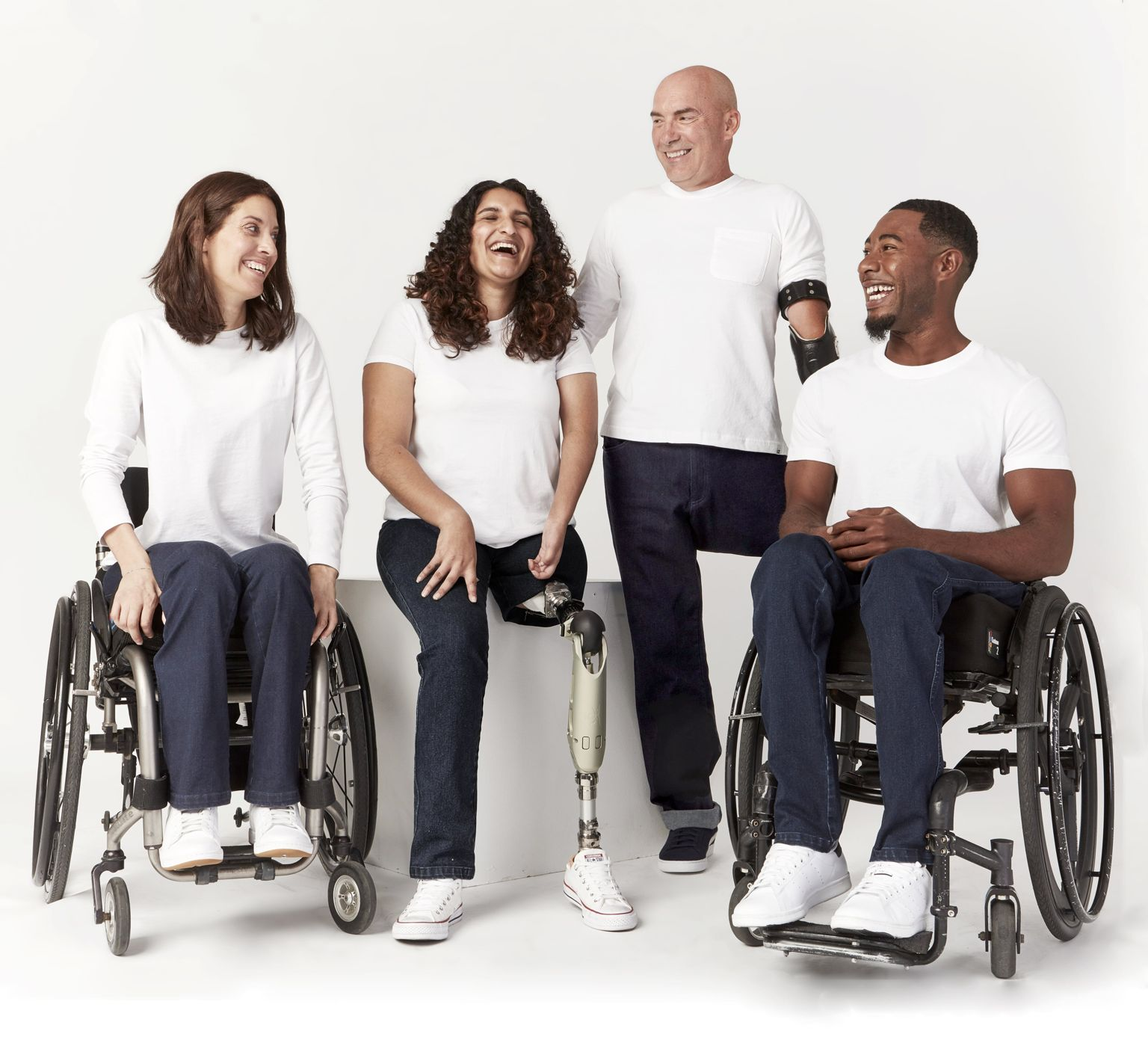
Silverts and IZ Adaptive both emphasise everyday solutions that reduce pain points. That ranges from magnetic closures and easy on and off silhouettes to open-back garments that make assisted dressing faster and less taxing. The footwear category continues to be a focus, particularly for customers managing daily fluctuation in swelling. “People with swollen feet will go up in size to fit their shoes, which can increase risks of slips and falls,” Norris said. “We make sure footwear accommodates swelling so the fit stays proper, which supports safety.”
Beyond core categories, the brands have moved into recovery wear for post-surgical needs and swimwear that recognises the realities of hydrotherapy. “Putting on and taking off a soaking wet bathing suit is no easy task,” said Norris. “The easier we can make dressing, the better we can support our clients.” Camilleri, for her part, brings decades of pattern cutting and materials experience to ensure garments sit correctly when seated and avoid pressure points that can cause discomfort.
Demographics, dignity, and design
The acquisition also speaks to generational change. The younger end of the baby boom cohort is dressing more casually and fashionably, and many are not ready to adopt garments that read clinical. “They still want to look stylish,” Camilleri said. “The blending of our offering helps those who may not be entering long-term care, yet need adaptive clothing that reflects how they see themselves.” That nuance is central to IZ Adaptive’s brand DNA and is now a shared priority across the combined business.
At the same time, Silverts is leaning into the realities of the sandwich generation, where adult children support ageing parents while raising families of their own. Purchasing pathways are complex, with decision makers ranging from spouses and relatives to care workers and administrators. The company sees its role as meeting people where they are, whether through e-commerce, institutional ordering, or community-based retail.
Brick and mortar touchpoints return
While both brands are digitally native, the company plans to reintroduce in-person touchpoints. “We will be building a showroom at the IZ Adaptive offices, a place to serve our community directly and learn from them,” Norris said. The move acknowledges that fabric feel, fit, and sensory considerations matter, especially for customers with specific mobility or sensory needs. Trying on footwear, for example, can be complex when braces or orthotics are involved. A dedicated space offers education, consultation, and the opportunity to refine product based on real-time feedback.
That physical presence also dovetails with a broader conversation in Canadian retail about the value of bricks and mortar for discovery and brand building. In adaptive apparel, where use cases are personal and detailed, the ability to demonstrate solutions in person can accelerate adoption.
Operational momentum after a reset
Silverts navigated a significant corporate reset over the past two years. The business was previously owned by Careismatic Brands, which filed for bankruptcy protection in January 2024. Norris and a group of employees subsequently led a buyout to return Silverts to Canadian control. That transition, completed late in 2024, set the stage for renewed investment in product, service, and infrastructure. In February 2025, Silverts marked its ninety-fifth anniversary and outlined a plan to relaunch paused initiatives, including targeted programmes for care facilities across North America.
The acquisition of IZ Adaptive in September 2025 builds on that momentum, pairing operational depth with design leadership, and anchoring both to a Canadian distribution backbone. For customers, the message is continuity and improvement. For the sector, it is a signal that Canadian firms can lead globally in inclusive design and practical innovation.
Voices at the centre of the story
Throughout the conversation, both leaders returned to the human impact of getting dressed with ease and dignity. “What Silverts does is make a small difference every day in the lives of the people who wear our clothing and those who help dress them,” Norris said. “It is really powerful in its impact.” Camilleri echoed that sentiment. “The more I learned working with Barbara Turnbull, the more compassionate I became for people with disabilities,” she said. “There was a lot of white space. People wanted basic wardrobe pieces that fit properly and looked like what everyone else wears.”
The pair also emphasised language and representation. As the category grows, they said, brands and media alike have a responsibility to use inclusive language and to listen to those with lived experience. The planned showroom and continued partnerships with advocates and creators aim to keep that feedback loop tight.