New data reveals staffing issues are by far the biggest struggle for hospitality operators right now. Silverware POS, a Canadian POS provider supporting restaurants and hotels across North America, partnered with Angus Reid for a pulse check on the state of hospitality as we near the end of the year – what are owners, operators and staff really struggling with right now?
Some of the findings were shocking, especially the overwhelming concern for staffing across the board.
The 2025 Canadian Hospitality Service Report found that:
- Staff shortages remain the primary operational barrier for providing seamless service across all demographics, industries, and regions (31% overall).
- Hotels/Resorts have been hardest hit by staffing shortages over the last 12 months, with 46% reporting impacts, compared to 31% of bars/restaurants
- Hiring experienced staff is the biggest difficulty overall (30%), particularly in Hotels/Resorts (57%)
- Guests’ demand for affordability is the second biggest challenge (24%), especially in Restaurants/Bars (31%)
- Service delays are the most common guest complaint overall (31%), especially for restaurants/bars (44%).
- The cost of food and drink is also quite high (39%) for both bars/restaurants and hotels/resorts
- The biggest risk to businesses’ success in the next 12 months is rising costs (39%) and economic slowdown (32%), especially for those in Ontario (37%) and among restaurants/bars (49%)
- If a POS system were to shut down for a day, most Canadian hospitality workers would be concerned about revenue loss (48%), with those in Alberta and restaurant/bar operators showing the most concern (59%)
- In the next year, most Canadian hospitality staff are likely to invest in staff productivity tools (labour management, scheduling) (31%)
More data can be found here.
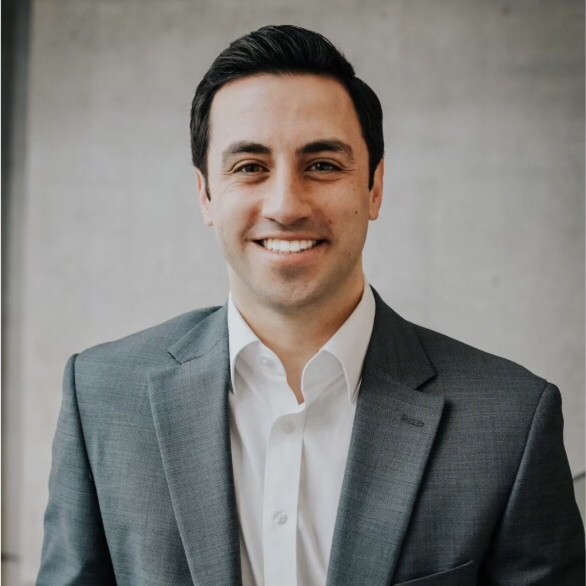
Sam Brenner, Vertical President of Silverware POS, who oversees Silverware which is owned by Full Steam with about 90 other businesses, said staffing shortages and economic uncertainty are affecting both operators and consumers. “These four things mixed together can create a bleak picture,” he said, referencing staffing, consumer hesitancy, rising costs, and economic uncertainty.
Despite these challenges, Brenner expressed optimism about the industry’s long-term resilience. “All you have to do is look at COVID to see how resilient hospitality really is,” he said. He added that consumers continue to seek experiences such as nights out at pubs, resorts, or restaurants, which gives him hope for the sector.
Brenner outlined strategies for hospitality businesses to remain resilient, emphasizing the importance of staff retention and guest experience. “If you’re short on staff and a dish takes 20 minutes longer than it normally would… those things are basically dings against the guest experience,” he said. “If you’re going to survive and be resilient, you have to go all in on the guest experience.”
He also highlighted the role of company culture in attracting and retaining talent. “It’s not just about finding good staff, it’s retaining the staff that you have,” Brenner said. “When you go to a local pub or favourite restaurant, the same person greeting you gives you a sense of a good experience.”
Discussing Silverware POS, Brenner described the company’s 30-year history and its tailored approach to point-of-sale solutions. The POS business was started “in the scrappiest, most grassroots way possible” with coding done right at the bar, Brenner said. He added that the company has deep integrations with property management systems such as Maestro and works to customize solutions for hotels, resorts, and fine dining restaurants worldwide.
Brenner credited Silverware’s longevity and customer success to its team. “The average lifespan of our staff is way more than 10 plus years. Our head of implementations and onboarding has been with us 20 plus years. Our head of customer success, 15 plus years,” he said.
Despite acknowledging industry challenges, Brenner remains hopeful. “We come back to what we all love about the hospitality industry. We’re going to keep going out to restaurants, enjoying beautiful properties, wanting that human connection. That gives me a lot of hope for the future,” he said.
More from Retail Insider: