By Arman Poushin, Associate in the Commercial Leasing Practice Group at WeirFoulds Toronto
December 5 and 6, 2025 marked major milestones on the road to the FIFA World Cup 2026™. The final groups were drawn on December 5, and the next day FIFA revealed the schedule confirming where every match will be played and when the action will kick off. Toronto will host six World Cup games, including one knockout-round match, guaranteeing massive crowds, global attention, and a summer unlike anything local businesses have seen before.
As bars, restaurants, hotels, retailers, and event spaces begin planning viewing parties and special programming, one question cannot be ignored: Is your commercial lease ready for the World Cup?
With the tournament expected to draw thousands of visitors into the city, even the most routine business operations can turn into potential leasing issues. Thinking ahead now can prevent last-minute headaches when the World Cup kicks off in June 2026.
Start with your lease!
The excitement around hosting World Cup events can make it easy for businesses to forget that many of their planned initiatives like adding themed decorations, expanding patios, hosting ticketed events, installing extra television screens, opening earlier or staying open later may directly conflict with their lease provisions.
A quick refresher on the lease can make all the difference.
For example, signage provisions in your lease often control what can go on windows, patios, or storefronts. A tenant might assume that hanging flags or World Cup banners is harmless, but many leases limit temporary signage or require landlord approval and consent before anything can go up on the exterior of the premises. Check your lease to ensure that hanging any banners or flags, or adding new signage, will be permitted. If not, ask your landlord for consent! And if the signage even looks like FIFA branding, that will introduce a whole different compliance issue (discussed below).
The permitted use clause may also be more limiting than tenants expect. A bar that casually shows sports on television probably won’t have issues with standard match-day viewing, but a full-scale viewing party, a ticketed event, or an outdoor projection screen may go beyond the lease’s scope. The same goes for retail tenants who might want to host crowd-drawing promotions tied to the tournament. Check your permitted use clause to ensure that you are actually permitted to show the games. Lastly, if you intend on serving alcohol during the games, ensure that your lease permits you to do so.
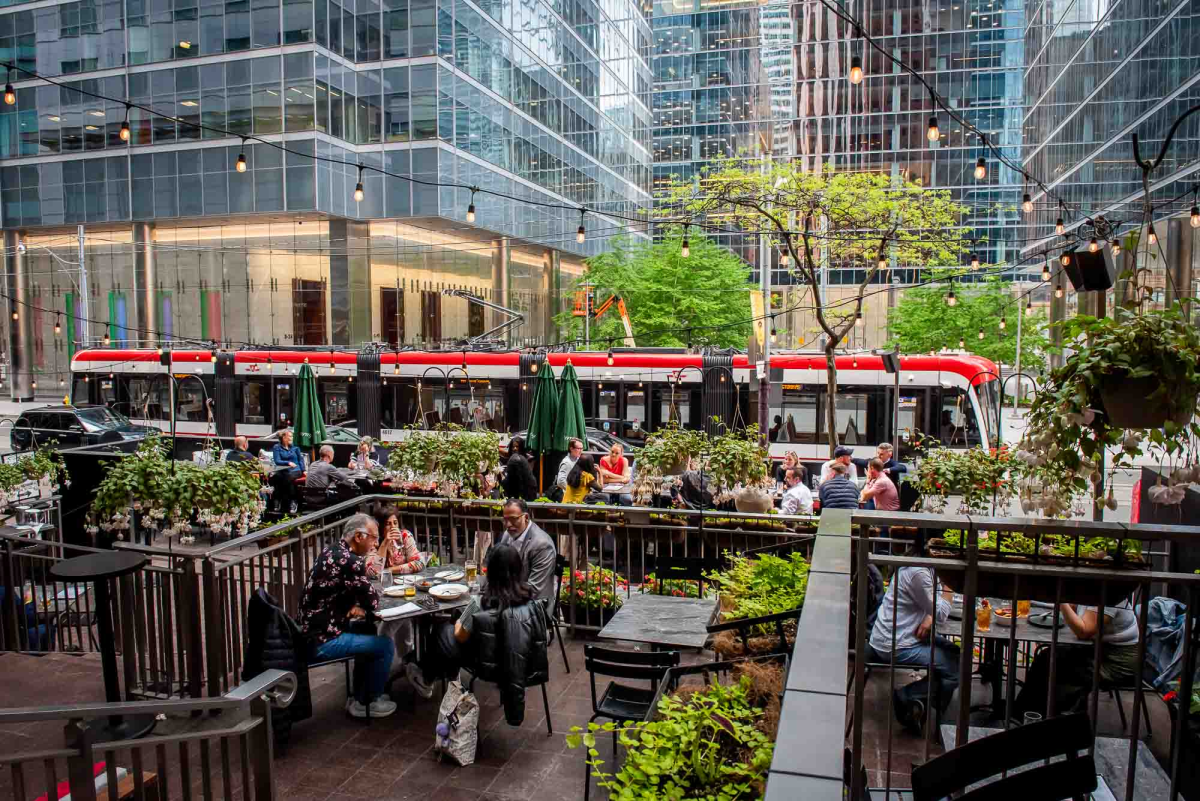
Before you start setting up tables and chairs outside, ensure that your lease permits you to use the outdoor area as a patio. You may also need to or want to apply for the CaféTO program, which has its own set of guidelines. Landlords and tenants should consider noise restrictions and rules around operating hours which become relevant for match times, which don’t always align with ordinary business hours. Landlords, especially in mixed-use developments, often set specific opening and closing times, and those don’t automatically change just because Canada is playing.
Even cost-sharing provisions may come into play. Many leases allow landlords to pass through increased operating expenses. More crowds can mean higher utilities, security needs, and waste removal. Tenants planning big events should anticipate that those additional costs might show up in their operating expense reconciliations.
The takeaway? Reviewing the lease now gives businesses room to adjust their plans or seek approvals well before the tournament kicks off.
Toronto Will Be Watching – And So Will City Officials
Beyond the lease, tenants should expect heightened attention from the City of Toronto. The City has been clear that it will enforce bylaws related to noise, signage, patios, crowd management, business licensing, and vending. Businesses that push the envelope without permits may face fines or charges. If City staff suspect counterfeit merchandise or improper use of FIFA trademarks, they may also escalate the issue to the rights-holders.
Tenants planning viewing parties should confirm early whether they need special event permits, patio extensions, noise exemptions, or any zoning-related approvals not just from the landlord but from the City. The City’s Community Activation Toolkit (link below) is a helpful starting point, but it doesn’t replace the need to check your lease and talk to your landlord. Most leases include clauses requiring tenants to comply with all applicable laws, by-laws, and regulations. Tenants who are unaware of licensing requirements could unintentionally violate their lease by holding unauthorized or illegal events.
FIFA’s Rules: A Different Layer of Compliance
As if lease provisions and municipal bylaws weren’t enough, businesses hosting World Cup-related events also need to be mindful of FIFA’s strict intellectual property protections.
FIFA’s logos, emblems, mascots, and branded terms like FIFA World Cup™ and FWC26™ are protected worldwide. Businesses can’t use them in signage, menus, or storefront displays unless they have formal authorization. Adding phrases like “unofficial viewing party” won’t fix a violation.
On top of that, FIFA has its own licensing regime for public viewing events. The rules depend on the nature of the event:
- Regular bars, restaurants, and hotels can show matches on their existing screens without a license, as long as they don’t charge admission, add event-specific sponsors, or host more than 1,000 people.
- Larger or more elaborate events do require a license, including outdoor gatherings, ticketed events, or anything involving sponsors or large screens.
Applications should be submitted at least 60 days in advance through FIFA’s online Public Viewing Platform. Landlords should also keep an eye on this, as improper use of FIFA branding by a tenant can create reputational or even legal exposure for the property.
Making the Most of the Moment, Without Breaching the Lease
For tenants, the best approach is to treat the World Cup like a temporary but major operational shift. That means:
- Reviewing the lease now, not a week before kickoff.
- Talking to the landlord early about any approvals or flexibility needed.
- Confirming any municipal permits well in advance.
- Making sure no marketing materials imply FIFA affiliation.
- Getting clarity on potential additional rent or operating expense impacts.
For landlords, World Cup planning can be an opportunity to improve tenant communication and building coordination. Establishing consistent rules around signage, noise, patio extensions, crowd control, and FIFA branding can help prevent disputes and keep the property running smoothly.
Final Thoughts
With Toronto hosting six World Cup matches, the summer of 2026 will be one of the busiest and most exciting periods the city has ever experienced. For commercial tenants, it represents a tremendous business opportunity. However, without proper planning, the same crowds and celebrations that draw customers could also create unintended lease disputes, regulatory issues, and licensing problems.
By reviewing their leases, understanding the City’s expectations, and respecting FIFA’s rules, businesses can take full advantage of the World Cup while keeping their operations smooth, compliant, and ready for kickoff.
Should you have any questions about your lease rights, or should you have any other commercial leasing questions, please reach out to Arman Poushin at apoushin@weirfoulds.com or by telephone at 416-947-5018.
City of Toronto Community Activation Toolkit [PDF]
City of Toronto’s FIFA World Cup 26™ website

Arman Poushin is an associate in the Commercial Leasing Practice Group at WeirFoulds. He practises commercial real estate law, advising landlords and tenants on retail, industrial, and office leasing matters, including lease drafting, negotiations, amendments, and due diligence. He previously worked at a large real estate developer and brings a practical, client-focused approach to his leasing practice, with a strong understanding of the Greater Toronto Area market.