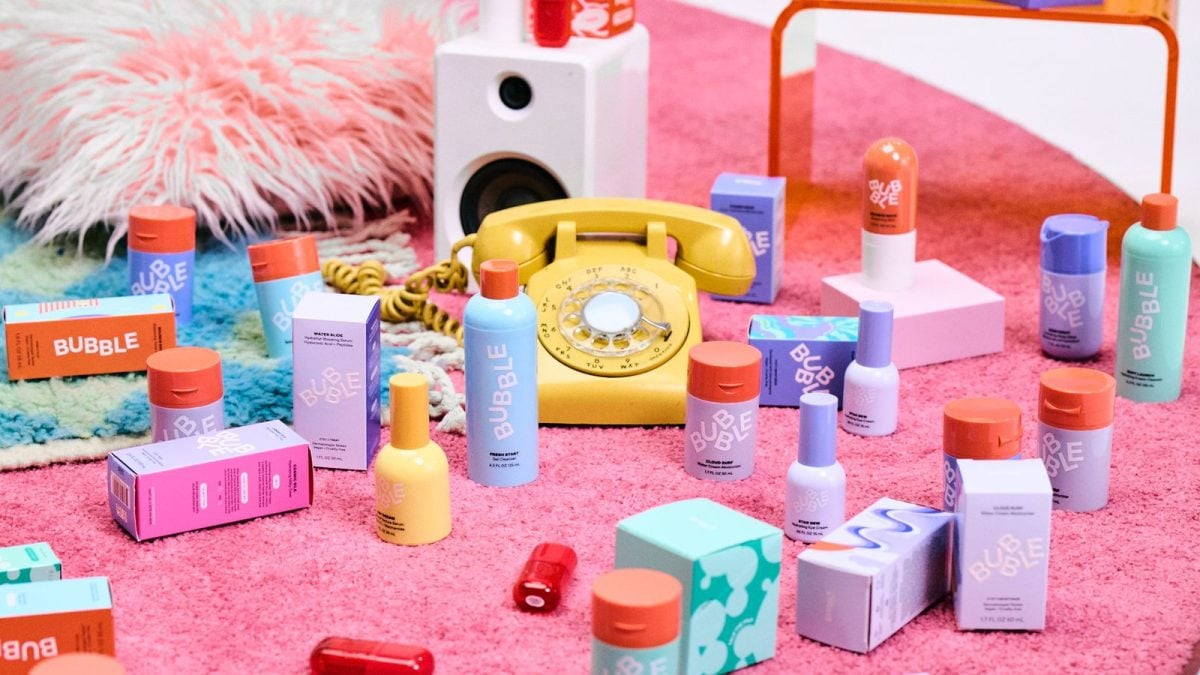
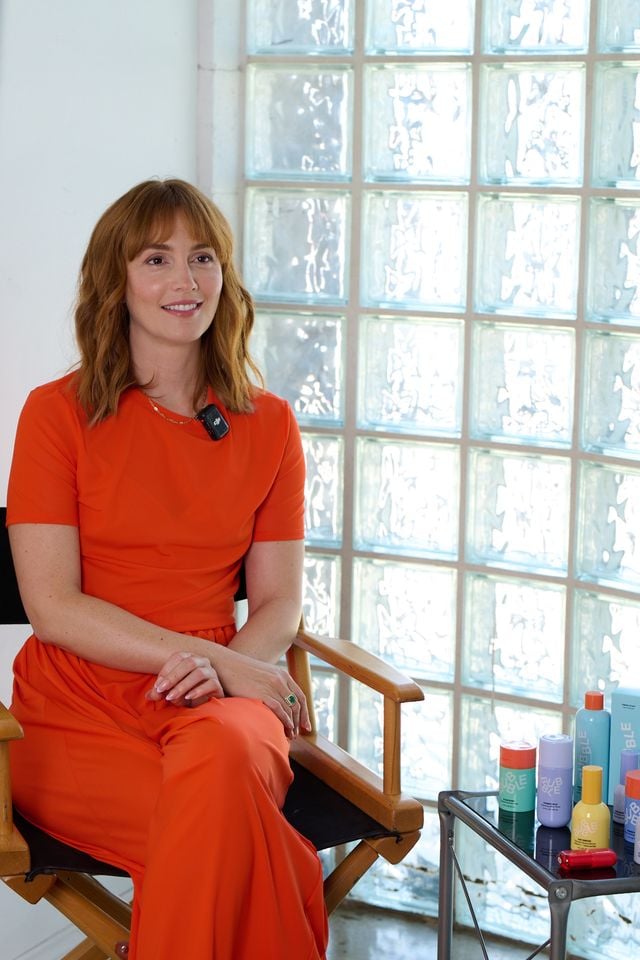
Bubble Skincare, a five-year-old skincare company founded by Shai Eisenman, is pushing deeper into the Canadian market as it continues a rapid international expansion built on mass retail partnerships rather than standalone stores.
The company, which launched in Canada in late 2022 and early 2023, is now sold through Walmart Canada and Shoppers Drug Mart, with four new products set to hit shelves at both retailers starting Feb. 1. Eisenman said Canada has become a strategic focus as the brand looks to widen access while maintaining its positioning around affordability and clinical performance.
“Canada is a very high priority market for us,” Eisenman said in an interview. “We are continuing to expand and continuing to make the brand more accessible.”
Founded in 2018 and officially launched in November 2020, Bubble Skincare entered the market during a period of significant change in consumer expectations around skincare. Eisenman said she began working on the concept after identifying a gap between products positioned as clinically effective and those designed to feel engaging and emotionally resonant for consumers.
“At the more affordable side of skincare, people were really stuck with the same options in the last 30 years,” she said. “It felt like there was a real opportunity to reinvent mass skincare.”

Rapid retail rollout
Bubble initially launched as a direct-to-consumer brand but moved quickly into bricks-and-mortar retail. Eight months after launch, the company entered Walmart in the United States with distribution across roughly 4,000 stores. CVS followed a year later, then Ulta Beauty. The brand is now available in more than 18,000 stores across the U.S., including Walmart, CVS, Ulta and Target, as well as Amazon.
Internationally, Bubble has expanded into Canada, Australia, the United Kingdom and the Middle East. In Canada, Walmart was the company’s first retail partner, followed by Shoppers Drug Mart, where the brand launched in February of last year.
Eisenman said the decision to prioritize large retail partners reflects how consumers prefer to shop for skincare, particularly at accessible price points.
“Most consumers are looking for true accessibility and also to be able to have consolidated carts and to be able to buy multiple brands and multiple products all at once,” she said.
While customers frequently ask about the possibility of standalone Bubble stores, Eisenman said the company does not plan to pursue permanent storefronts. Instead, it will focus on pop-up experiences as a way to engage directly with consumers without moving away from its core retail strategy.
Industry dynamics
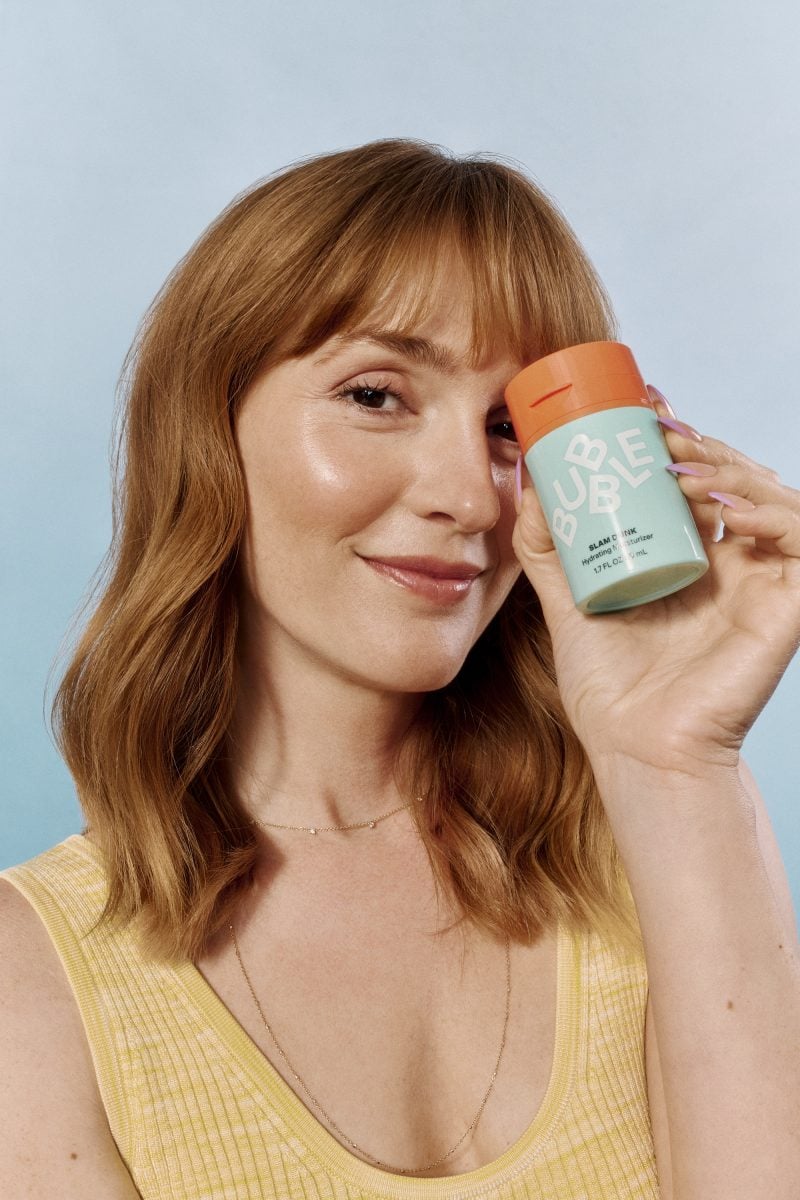
Eisenman attributed Bubble’s growth to broader shifts in the skincare industry, particularly among younger consumers. She said shoppers are increasingly seeking products that deliver measurable results while also offering brand personality and emotional connection.
“In the past, you had to compromise on either trust or excitement,” she said. “Today, they’re really looking for a brand that will combine everything.”
She also said consumers have become more sceptical of price as a proxy for quality, especially in skincare.
“Consumers today finally understand that prices are not necessarily a signal of quality,” Eisenman said. “You can have amazing results and super high-quality products at an affordable price.”
Bubble’s positioning centres on that belief, with products developed with dermatologists and designed to deliver what Eisenman described as clinical efficacy without harsh formulations. She said advances in skincare science have made it possible to treat acne and other skin concerns while preserving the skin barrier.
Founder-led strategy
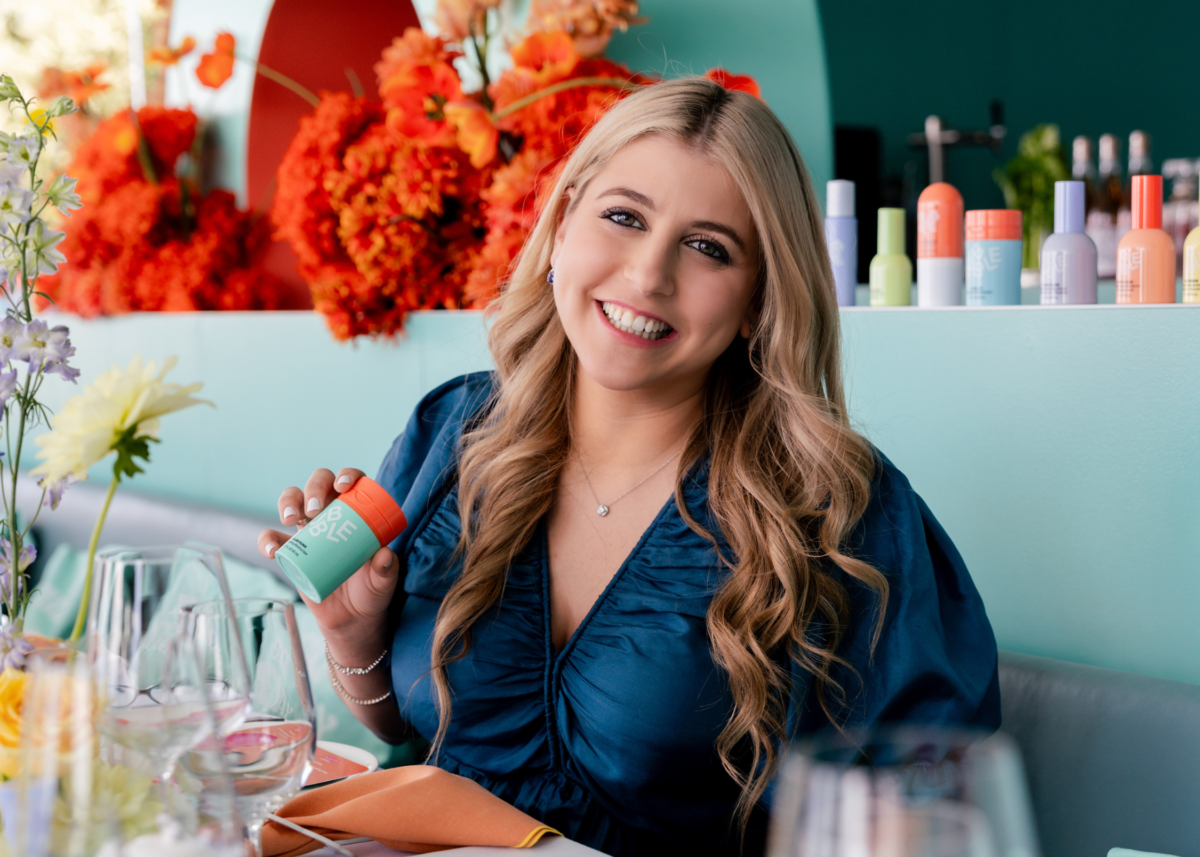
Eisenman brings an entrepreneurial background that predates Bubble. She said she started her first business at age 15 and began working full time at 16. At 21, she moved to London, where she ran a subsidiary of a gaming company with about 100 employees, before relocating to New York to start an e-commerce venture.
She has since split her time between New York and Switzerland, though she said she spends most of her time in New York.
Her personal experience with acne played a role in shaping Bubble’s product philosophy. Eisenman said she struggled with acne for much of her life, including adult and hormonal acne during pregnancies, and felt existing treatments were often overly harsh.
“When I grew up and when I struggled with acne before Bubble, it felt like you could only use products that are super harsh and drying to clear your acne,” she said. “That’s no longer necessary.”
She said the brand’s goal has been to create products that improve and prevent acne over time while remaining gentle and calming.
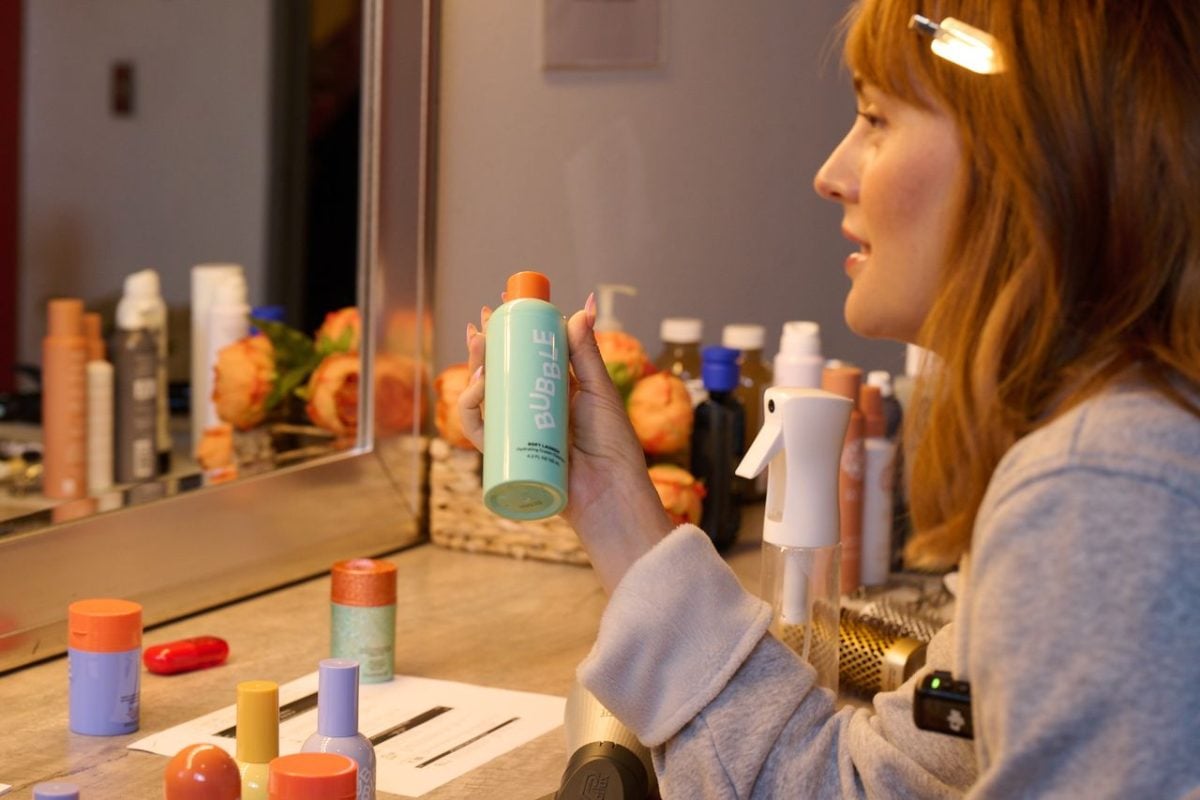
Next steps in Canada
The upcoming Canadian product launches represent the next phase of Bubble’s local strategy. The products will be available through both Shoppers Drug Mart and Walmart Canada beginning Feb. 1.
While the company did not outline specific future retail partners, Eisenman said expansion in Canada remains an active priority as Bubble continues to scale its international presence.
“It felt like consumers really needed to compromise,” she said, referring to the historic trade-off between quality and affordability. “We wanted to create products that are truly accessible, but extremely high quality.”
As Bubble builds on its retail-heavy model, Eisenman said the company will continue to focus on broad distribution and product development rather than physical stores, betting that accessibility remains the strongest driver of growth in the skincare category.
More from Retail Insider: