Canada’s retail landscape shifted meaningfully over the past year, and the forces that shaped 2025 are increasingly defining what lies ahead in 2026. At the centre of this transformation is a deeply divided consumer economy, one where spending behaviour is no longer moving in unison across income groups.
The past year revealed a clear split between households that continue to spend with relative confidence and those that have been forced to pull back sharply. That divergence has reshaped performance across categories, formats, and price points. Retailers serving affluent consumers have remained comparatively resilient, while value-oriented banners have absorbed growing traffic from households under pressure.
This two-tiered environment has increasingly dictated which retailers are expanding, which are holding ground, and which are struggling to maintain relevance.
Consumer Confidence Remains Fragile
That polarization shows little sign of easing. Consumer sentiment remains fragile, particularly among middle- and lower-income households that bore the brunt of inflation, rising interest rates, and higher housing costs. Many Canadians entered 2025 with limited financial buffers, and over the course of the year, those buffers continued to erode.
A growing share of households are now either out of savings or actively drawing them down. At the same time, reliance on buy now, pay later options linked to credit cards has increased, quietly layering new debt onto already strained balance sheets. While this has supported short-term spending, it also raises longer-term risks for discretionary retail categories.
Tariffs and Job Anxiety Add New Pressure
Looking into 2026, trade-related uncertainty is already weighing on consumer behaviour. Even before the full impact of tariffs materializes, the mere threat of disruption has begun to affect confidence, particularly in sectors tied to manufacturing and industrial supply chains.
Job anxiety tends to influence spending well before employment losses become visible. When consumers are uncertain about future income, they delay purchases, reduce discretionary spending, and prioritize essentials. That behavioural shift is already evident in categories ranging from apparel to home furnishings.
Tariffs also risk reintroducing inflationary pressure through complex global supply chains. Many Canadian retailers source goods or components through the United States, and when those inputs are affected by tariffs elsewhere in the world, costs inevitably work their way back into the Canadian market.

Same-Day Delivery Resets Consumer Expectations
Convenience has emerged as one of the most powerful forces reshaping retail behaviour. Rapid delivery has fundamentally altered expectations, reducing the friction between desire and fulfillment to near zero.
In several major Canadian markets, consumers can now receive multiple deliveries in a single day. That level of immediacy significantly weakens one of the traditional advantages of physical retail, especially for routine or replenishment purchases. When convenience reaches that threshold, the question for consumers is no longer when to shop, but whether a store visit is necessary at all.
Massive investment in logistics infrastructure over the past decade has entrenched this shift, raising the bar for all retailers competing on convenience.
Physical Stores Still Matter, but the Role Is Changing
Despite the growth of e-commerce, Canada remains a store-first retail market. The vast majority of retail sales still occur in physical locations, underscoring the continued relevance of stores within the ecosystem.
However, their role is evolving. Stores increasingly succeed where they offer tangible advantages such as product trial, immediate access, knowledgeable staff, or experiences that cannot be replicated online. At the same time, even higher-income consumers, while still spending, have become more selective. Trading down in certain categories, particularly groceries, has become more common, even among households that remain financially secure.
Select segments, including luxury jewelry, have continued to perform well, reinforcing how uneven demand has become across the retail spectrum.
Luxury Retail Emerges as a Bright Spot in 2026
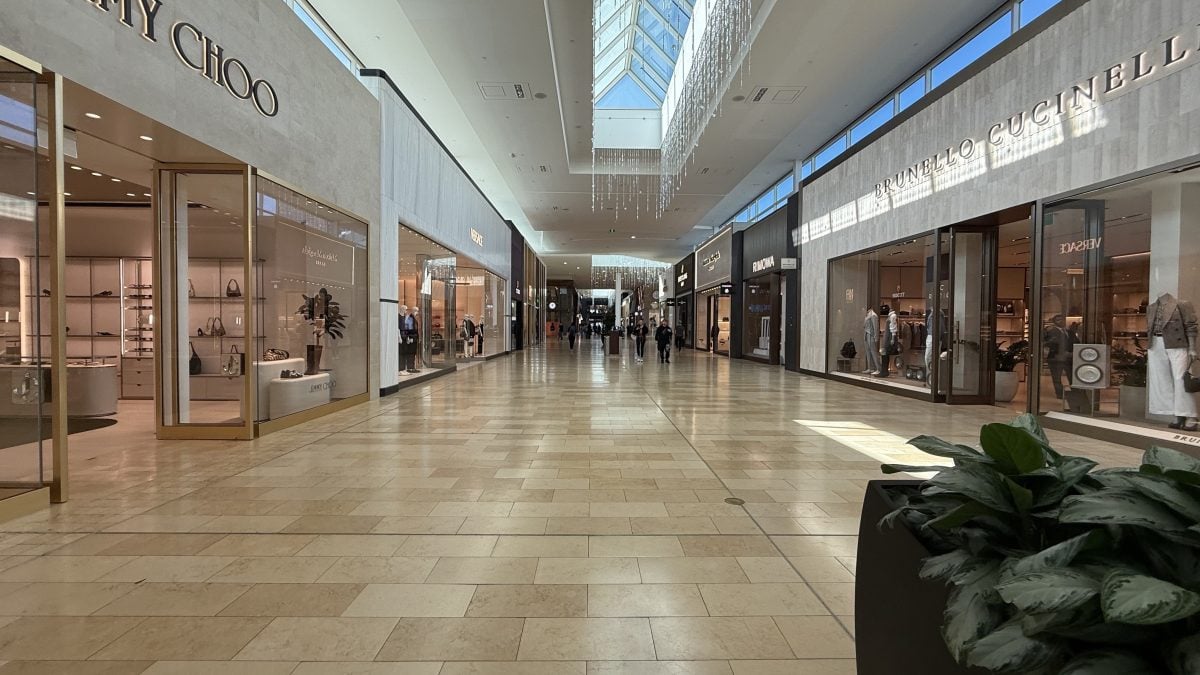
While many retail segments remain under pressure, 2026 is shaping up to be a pivotal year for luxury retail in Canada, driven by major new developments in Vancouver and Toronto. These projects signal continued confidence in high-income consumer demand and destination-based shopping.
A central milestone will be the opening of Vancouver Oakridge Park, formerly Oakridge Centre. The redeveloped mixed-use project features a significant luxury retail component anchored by leading global brands, positioning it as one of the most important high-end retail openings in Canadian history and a new benchmark for the market.
Toronto’s luxury ecosystem is also expanding. Yorkdale Shopping Centre is adding additional luxury retailers, while the Bloor-Yorkville district continues to attract new high-end brands. Together, these expansions underscore how luxury retail is emerging as one of the clearest areas of growth within Canada’s increasingly polarized retail environment.
AI Begins to Influence Shopping Decisions
Another notable shift in 2025 was the early influence of artificial intelligence on how consumers discover and evaluate products. AI-powered tools are beginning to function as digital shopping assistants, capable of searching across platforms, comparing prices, and surfacing recommendations with minimal effort from the user.
These tools increasingly handle the research phase of shopping, compressing what was once a multi-step process into a single interaction. Beyond discovery, AI is also playing a growing role behind the scenes, helping retailers forecast demand, optimize inventory, and respond more dynamically to consumer behaviour.
While still early, this shift has meaningful implications for how brands are found, how products are compared, and how loyalty is built.
Mall Owners Face Structural Challenges
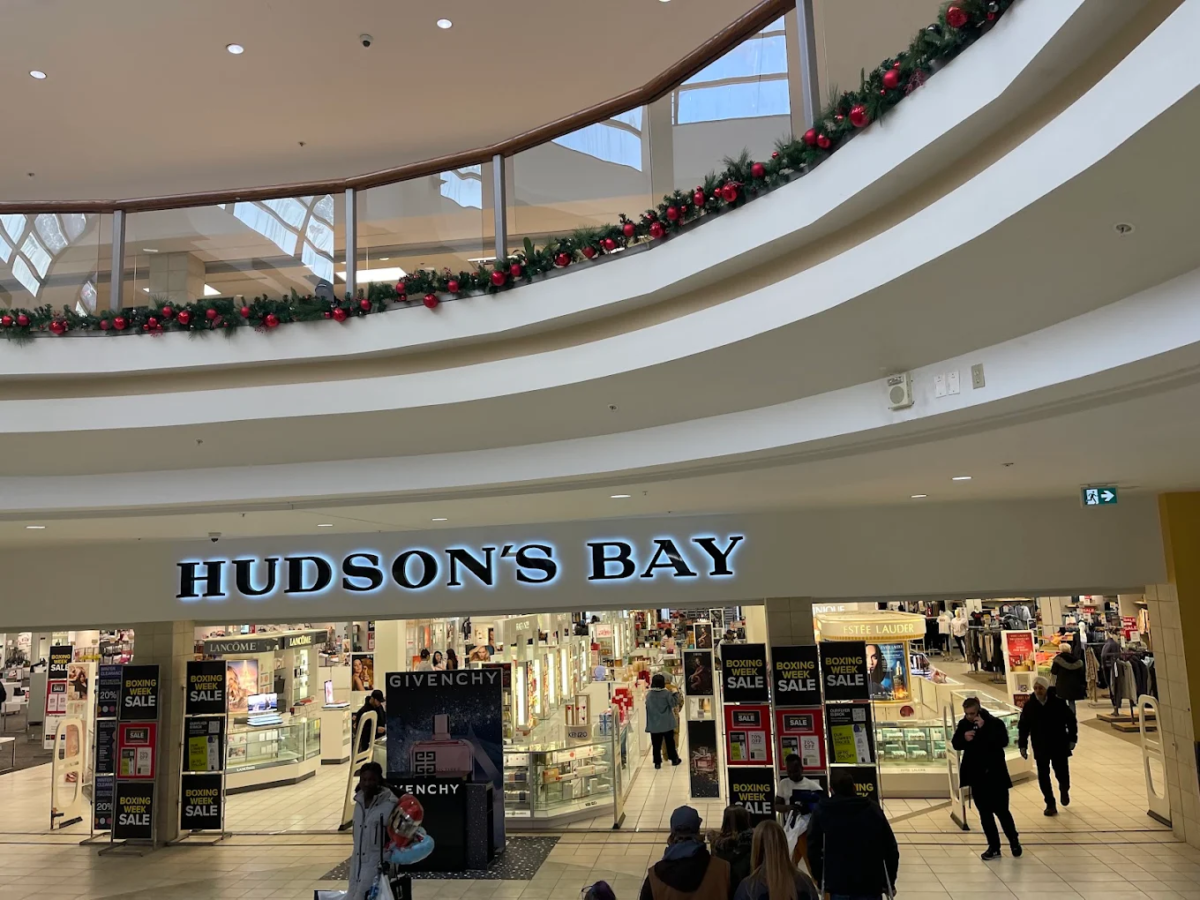
On the real estate side, structural challenges continue to intensify. Replacing traditional anchor tenants has become increasingly difficult, forcing mall owners to rethink how large-format space is used. The loss of Hudson’s Bay means millions of square feet of real estate must be backfilled or repurposed.
In response, some centres are subdividing former anchor footprints or introducing non-traditional tenants such as service providers, recreational uses, or automotive-related concepts. While top-tier, marquee centres continue to attract demand and investment, many suburban secondary and tertiary malls are struggling to backfill space and sustain traffic.
The gap between prime retail real estate and everything else continues to widen.
What Comes Next for Canadian Retail
As 2026 unfolds, Canadian retail is entering another year defined by divergence. Income polarization, convenience expectations, employment confidence, and emerging technology will increasingly determine where consumers spend and how retailers compete.
Retailers that align with polarized consumer needs, rethink the purpose of physical space, and adapt to new discovery behaviours will be better positioned to navigate the uneven terrain ahead. For others, the K-shaped economy will continue to expose vulnerabilities, reinforcing that the next phase of Canadian retail will reward clarity, adaptability, and execution.