In a move that unites two of North America’s most distinct fashion legacies, Aritzia announced its acquisition of the Fred Segal brand on February 19.
The transaction represents a strategic shift for the Vancouver-based “Everyday Luxury” retailer as it accelerates its ambitions in the United States. By securing one of Los Angeles’ most storied retail names, Aritzia is positioning itself as a growing player in the U.S. as well as a steward of fashion history.
Aritzia purchased the Fred Segal brand, including its intellectual property and trademarks, from entities controlled by the Segal family (terms were not disclosed). The acquisition gives Aritzia full control over the brand’s name, trademarks, and related rights.
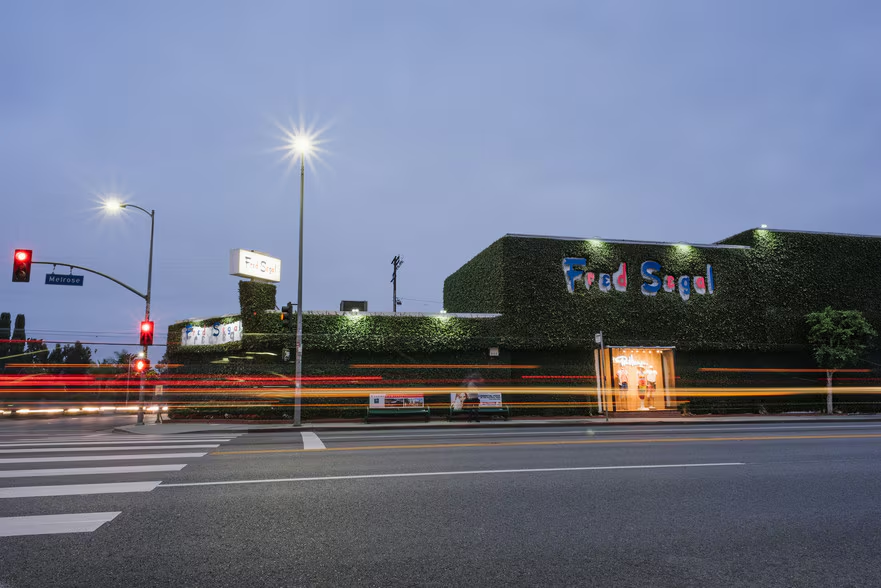
Also, Aritzia has secured a lease for the original 8100 Melrose Avenue property in West Hollywood. The ivy-covered site long served as a cultural heartbeat of Los Angeles fashion. By reclaiming the address, Aritzia gains more than real estate. It gains a landmark.
This marks Aritzia’s second major acquisition. In 2021, the company purchased Reigning Champ, expanding its portfolio into premium athleticwear and potentially into menswear (which didn’t happen as some expected with massive flagship store development). The Fred Segal deal, however, carries a different weight. It is a brand revival with symbolic value.
Why Fred Segal?
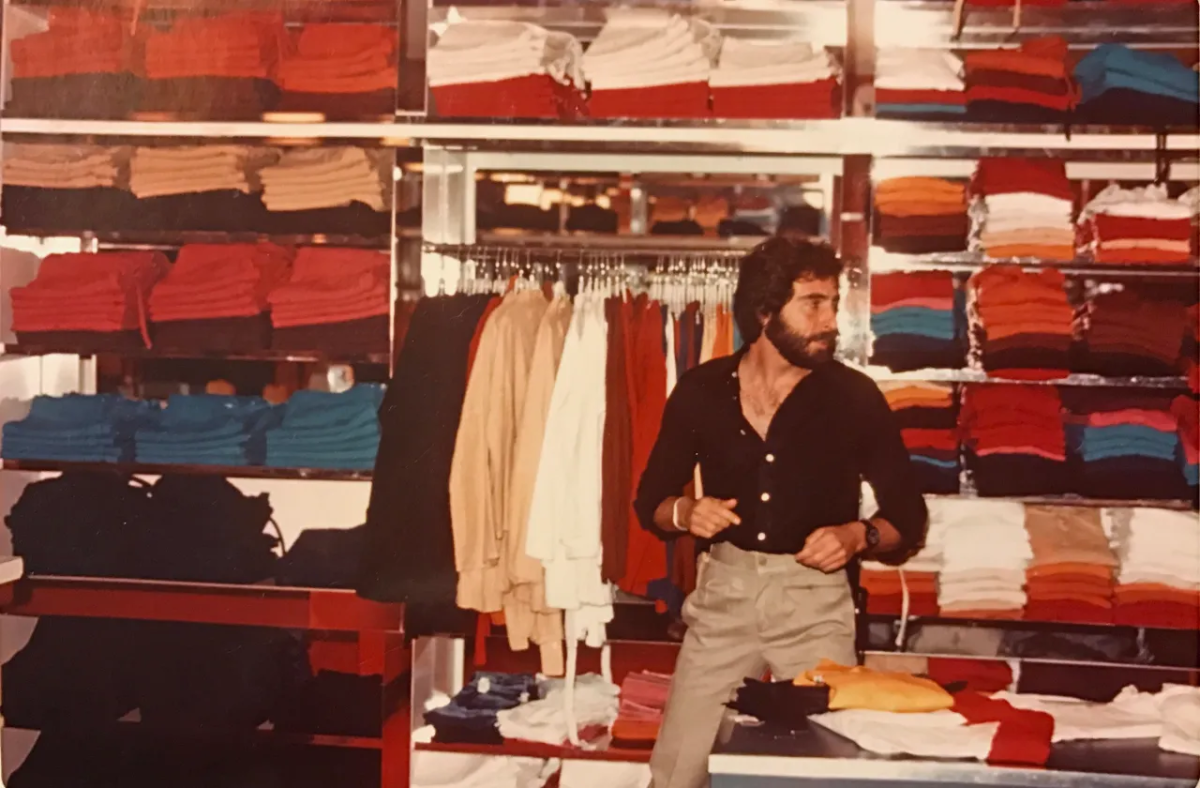
Founded in 1961, Fred Segal pioneered what is now known as experiential retail. Long before lifestyle branding became a corporate strategy, the Melrose store blended fashion, culture, and community in a single destination.
However, after years of ownership changes and the impact of the pandemic, the brand shuttered its final stores in 2024. By late 2024, Fred Segal had closed its remaining fashion stores, with only a small home showroom and a Las Vegas outpost briefly remaining before they, too, went dark. To some analysts, the acquisition appears to be a bet on nostalgia.
For Aritzia, the opportunity lies less in Fred Segal’s recent performance and more in its cultural capital.
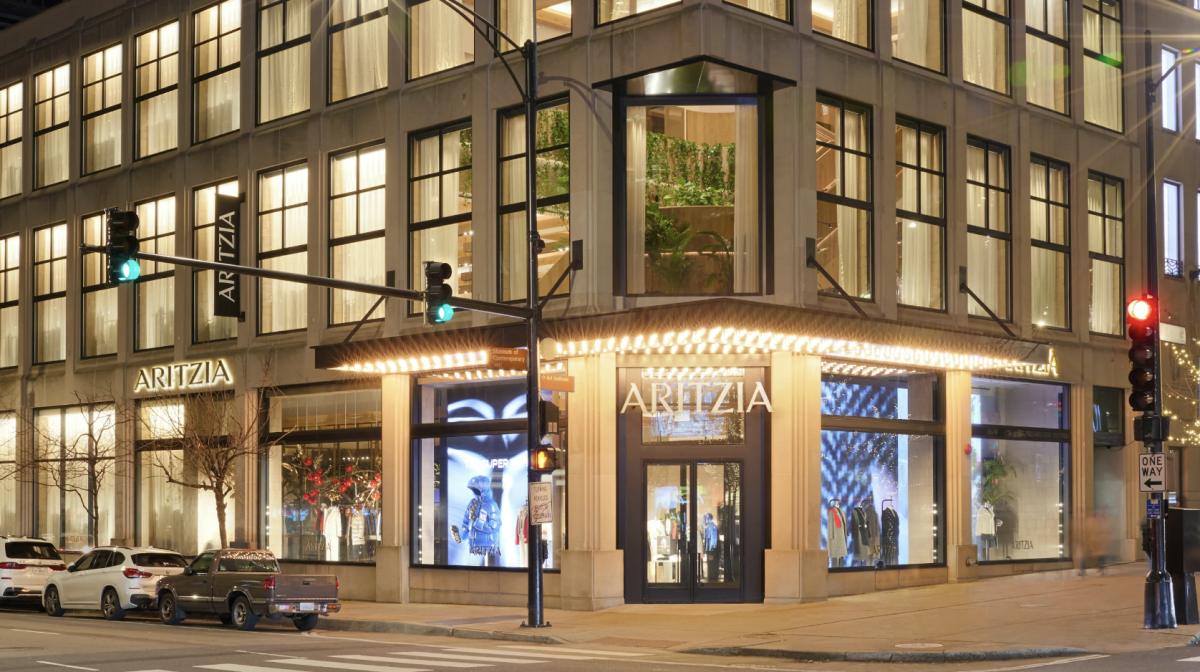
Aritzia currently operates more than 70 stores in the United States and has articulated a long-term target of 200. Owning an iconic Los Angeles brand provides immediate local credibility in a critical market.
Moreover, Fred Segal was known as a lifestyle hub. Aritzia plans to restore the Melrose flagship into a dynamic destination, blending operational discipline with the creative spirit that defined the original concept.
Everyday Luxury Meets California Cool
Aritzia CEO Jennifer Wong has stated that the goal is to “steward and evolve” the brand for a new generation. The roadmap begins with restoration.
The ivy-covered façade at 8100 Melrose had fallen into disrepair in recent years. Aritzia plans to rebuild the exterior to reflect its mid-century roots. The intention is preservation, not reinvention.
Inside, the approach will shift from Fred Segal’s later multi-brand model to a more focused, curated experience aligned with Aritzia’s vertically integrated structure. Analysts expect Aritzia to apply its proven formula of high-quality private labels and celebrity-driven marketing to reactivate the brand’s dormant appeal.
Aritzia has demonstrated an ability to turn product into cultural phenomenon. The success of The Super Puff and other in-house labels such as Wilfred and Babaton illustrates how the company leverages brand storytelling and controlled distribution to drive demand. That operational expertise will likely shape the Fred Segal revival.
The Blueprint Fred Segal Created
Fred Segal was not merely a retailer. It introduced structural innovations that reshaped the industry.
The Shop-in-Shop Revolution: In 1961, Fred Segal pioneered the shop-in-shop model. Instead of acting as a traditional landlord, the founder curated independent boutiques within the larger complex. Each section retained its own identity while operating under the Fred Segal banner.
This structure created a treasure-hunt atmosphere. Shoppers could visit multiple distinct boutiques in a single afternoon. The format also served as an incubator. Brands such as Juicy Couture, Hard Candy, and Kate Spade gained early exposure within the Melrose walls.
The model foreshadowed modern curated marketplaces and collaborative retail environments.
The $20 Blue Jean: Fred Segal also helped elevate denim into a premium category. In the early 1960s, jeans were largely considered workwear. By opening what became known as the first Denim Bar and pricing jeans at $19.95, the store repositioned denim as a fashion statement.
Tailored fits and Hollywood clientele transformed the product into a symbol of California cool. When celebrities and musicians were seen shopping at the store, the association cemented its cultural authority.
A Safe Haven for Celebrity Culture: For decades, Fred Segal functioned as a discreet clubhouse for Hollywood talent. Its maze-like layout and strict no photography policy offered privacy in an era before social media.
The store became embedded in pop culture. It was referenced in films and television series and became shorthand for Los Angeles style. Even the parking lot achieved icon status, reflecting the mix of high fashion and laid-back attitude that defined the city.
Why the Brand Faded
Despite its legacy, the brand struggled over the past decade. Fragmented ownership diluted its identity. After the family sold brand rights in 2012, the name passed through licensing firms that expanded aggressively into new categories and markets. There were even plans at one time to open Fred Segal shop-in-stores at Hudson’s Bay in Canada, according to sources.
Rapid growth eroded the local curation that had originally defined the Fred Segal concept. As a result, the brand lost the authenticity that made it influential.
By 2024, operations had effectively ceased.
Reclaiming 8100 Melrose
The physical site at 8100 Melrose is central to the strategy. After Fred Segal shifted operations to Sunset Boulevard in 2017, the original complex was subdivided. Over time, the property became dormant.
Aritzia’s plan involves both architectural restoration and cultural repositioning.
The ivy façade will be restored to its historic appearance. The objective is to preserve the recognizable exterior that shaped Melrose’s visual identity.
Internally, the layout will move away from the fragmented mini-mall approach. Aritzia now controls a unified lease, enabling cohesive design across the approximately 29,000-square-foot space.
The company is expected to integrate its own labels within the location while maintaining elements of curated discovery. Community programming, immersive installations, and food and beverage concepts may also play a role, reflecting Aritzia’s experience with destination flagships in other markets.
Notably, Aritzia previously operated a Super World pop-up at this address. That activation offered a preview of how the company could energize the historic property through focused merchandising and experiential design.
Strategic Context: Aritzia’s U.S. Ambitions
Founded in 1984, Aritzia has evolved into a vertically integrated design house guided by its “Everyday Luxury” philosophy. The U.S. expansion began in 2007, followed by the launch of e-commerce in 2012 and an initial public offering in 2016.
Today, the retailer occupies a distinctive position between mass-market and high-end fashion. Its collections are fashion-forward yet practical, appealing to multiple generations shopping together.
The acquisition reinforces Aritzia’s long-term confidence in physical retail. While digital sales remain important, the company continues to invest in experiential flagship environments that strengthen brand equity.