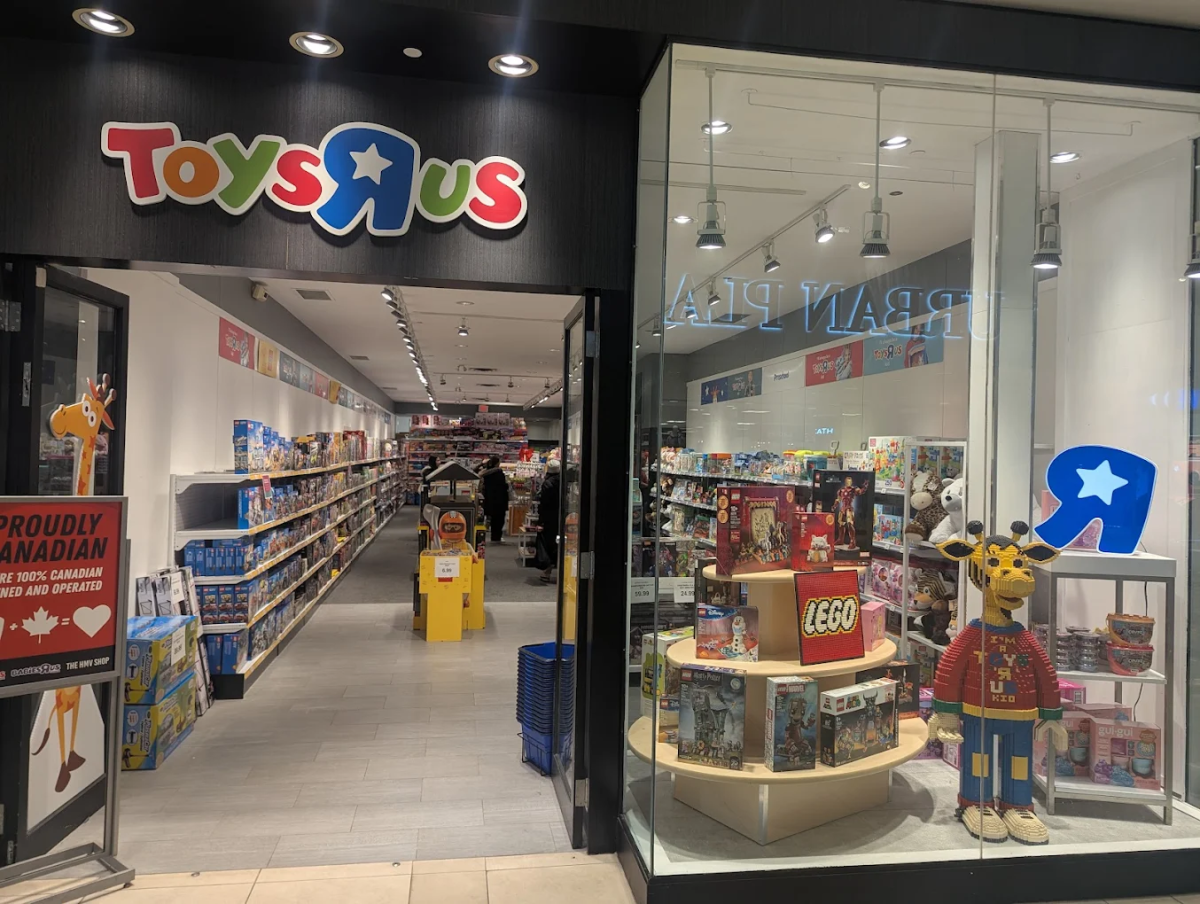
Toys “R” Us Canada store closures are set to continue as new court filings confirm at least two more Ontario locations will shut as part of the retailer’s ongoing restructuring under creditor protection. The company has also indicated that additional underperforming stores could be closed as the process moves forward.
The latest developments come only weeks after the retailer sought protection under the Companies’ Creditors Arrangement Act, citing mounting debts, declining sales, and an oversized store network that had become increasingly unprofitable.
Court documents show that the Toys “R” Us store at Upper Canada Mall in Newmarket will close by March 31, 2026, following a lease termination agreement with the landlord. The closure represents the latest step in the retailer’s effort to reduce costs and realign its physical footprint.
The company is also seeking court approval to close its store at Niagara Pen Centre in St. Catharines. For that location, Toys “R” Us Canada plans to issue a 30-day disclaimer notice, which would surrender the lease and allow the landlord to reclaim the space.
These two closures are the first specific locations identified since the company entered creditor protection earlier this month.
Filings Signal More Closures Ahead
Toys “R” Us Canada disclosed at the time of its filing that it operated 22 stores nationwide. However, the new court materials make it clear that this figure is not expected to remain stable.
The filings state that, if the CCAA protection period is extended, the company plans to close a subset of underperforming stores and liquidate their inventory. This would occur beyond the specific Newmarket and St. Catharines locations already named in the documents.
Court records describe the closures as part of a broader effort to reduce what the company characterizes as an oversized and historically unprofitable store network while it explores strategic alternatives under court supervision. As a result, the current 22-store count should be viewed as a ceiling rather than a long-term operating plan.
Current Status of the CCAA Process
Toys “R” Us Canada entered creditor protection in early February 2026, with Alvarez & Marsal Canada appointed as monitor. The firm is overseeing the restructuring process, including negotiations with creditors, operational changes, and potential store rationalization.
The retailer now operates 22 combined Toys “R” Us and Babies “R” Us stores across the country. That number follows more than 50 closures over the past two years and exits from entire provinces, including British Columbia and effectively Saskatchewan.
As part of the restructuring, the company has paused its e-commerce operations and limited the redemption window for gift cards. Court filings also disclosed significant debts, including approximately $120 million owed to suppliers, along with substantial rental arrears and other obligations.
Financial Pressures Behind the Filing
Toys “R” Us Canada sought creditor protection after financial and operational pressures left it unable to meet obligations to vendors and landlords while continuing as a going concern. Management concluded that a court-supervised restructuring was the only viable alternative to an abrupt shutdown.
The company disclosed at least $120 million in vendor debt, along with substantial amounts owed to landlords and other creditors. It also faced multiple lawsuits over unpaid bills and rent, which created an immediate need for a stay of proceedings.
Court materials indicate that the retailer posted significant net losses in the months leading up to the filing. One affidavit cited a net loss of roughly $170 million in the ten months ended November 2025. Sales had declined through 2023 and 2024, and many stores had become unprofitable despite earlier cost-cutting efforts.
Over the previous two years, the company had already closed about 53 stores, exited some provinces, reduced staff, and attempted to renegotiate supplier terms. However, these measures did not restore financial stability.
Structural Challenges Facing the Chain
In its filings, Toys “R” Us Canada pointed to inflation and rising labour costs as key factors that pushed operating expenses higher. At the same time, consumers became more price-sensitive, which pressured sales and margins.
The company also cited supply chain disruptions and the continued shift toward e-commerce. These trends intensified competition from online players and big-box retailers, while reducing traffic in the chain’s large-format stores.
Analysts and court documents note that the retailer still carried a heavy legacy lease burden from its 2017 restructuring. At that time, the company did not shed enough underperforming locations, leaving it with costly and inflexible real estate commitments that have weighed on performance.
Why the Company Chose Creditor Protection
Management and the proposed monitor told the court that CCAA protection would provide breathing room to evaluate strategic alternatives. These options include further reducing the store base, selling assets, or pursuing a going-concern transaction.
The company warned that without creditor protection it risked an abrupt cessation of business. Such a scenario would likely reduce recoveries for creditors and immediately jeopardize roughly 650 jobs at the remaining 22 stores.