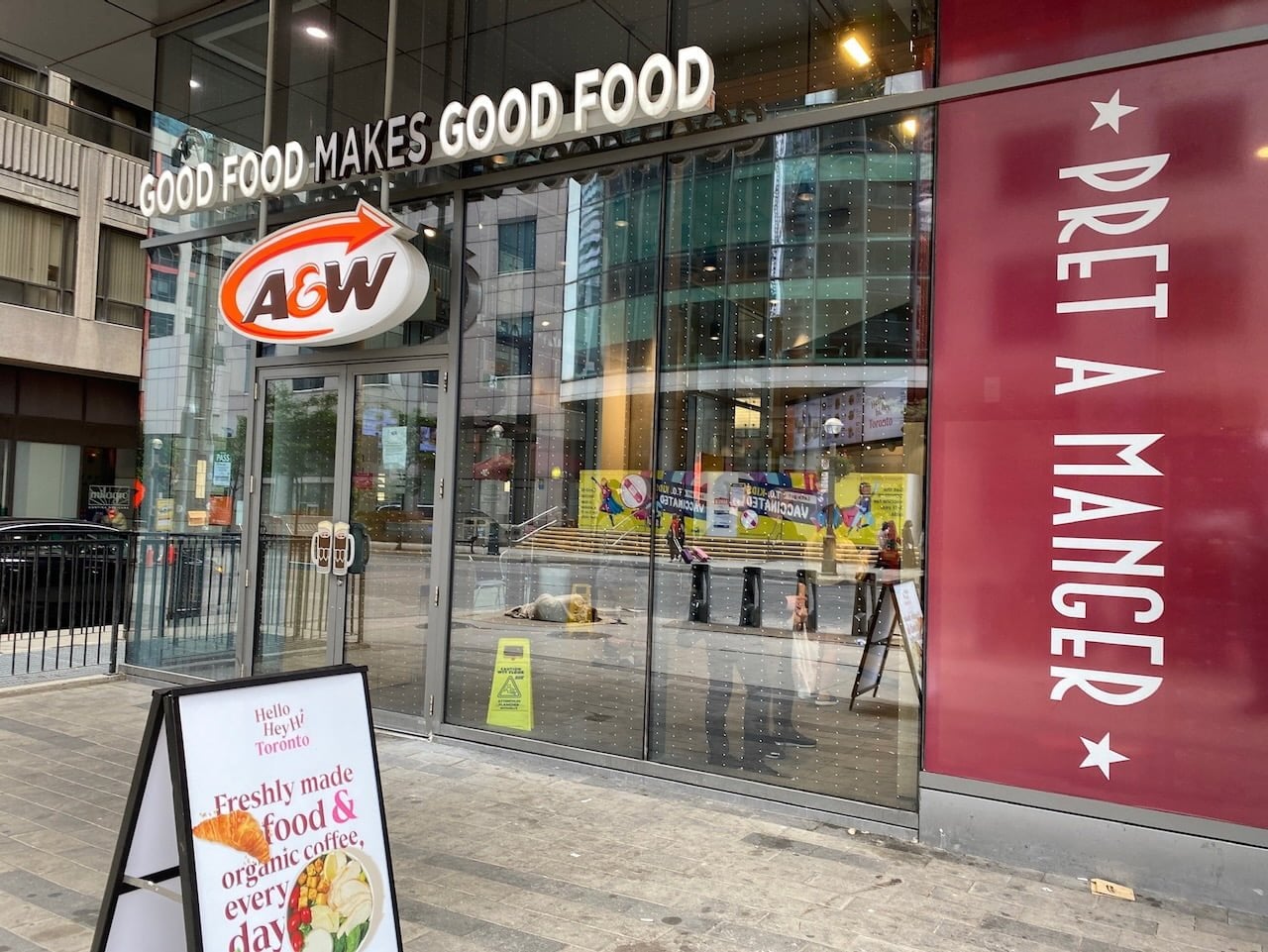
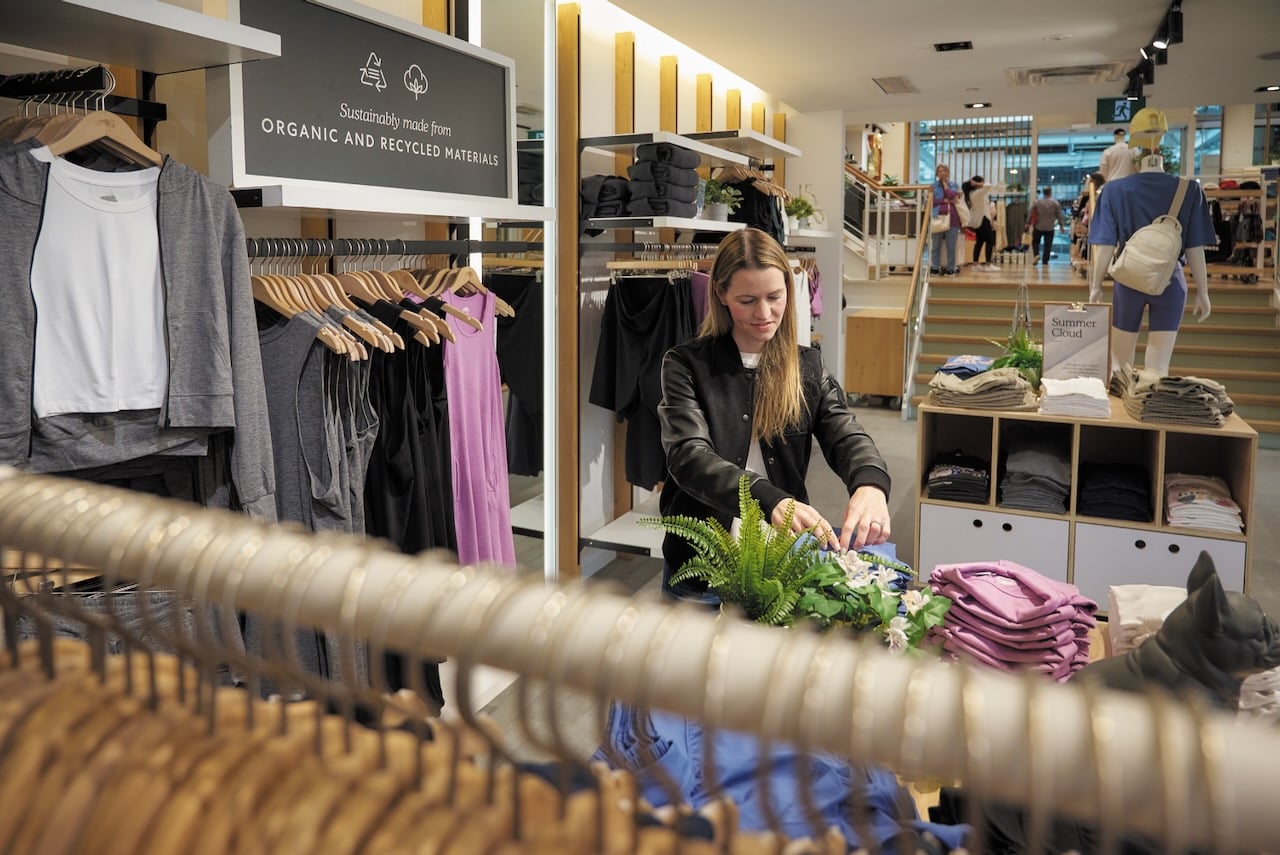
Restaurant merch used to be a souvenir, something you grabbed on your way out. Now, it can feel more like something you want to be seen in.
Hoodies that sell out, a sticker on your laptop, tote bags that start popping up all over the city. What once sat behind the register is now part of how people signal who they are.
What makes this moment different is the cultural weight restaurants now carry.
According to new data from Lightspeed Commerce, nearly 20% of hospitality businesses are now selling branded merchandise. For some successful restaurants, merch can represent as much as 11% of monthly revenue, even as high as 27% in some cases.
But it’s more than sales. Restaurants have become status markers. The spots you frequent reflect your taste and your circle. Wearing a restaurant’s logo is not just about loyalty. It reflects alignment.
And alignment can quickly translate into demand. After a character on the TV series Heated Rivalry was shown wearing a St-Viateur Bagel T-shirt, the Montreal institution saw its logo tees surge in popularity, with merch sales nearly tripling in the weeks that followed. In moments like that, merch becomes more than apparel, it is cultural currency.
Restaurants are not just serving food. They are becoming part of how people express themselves.

“Restaurants are increasingly operating as lifestyle brands, not just places to eat. Consumers today are more intentional about where they spend their time and money, and they’re looking for ways to express that identity beyond the dining experience,” said Adoniram Sides, Senior Vice President, Lightspeed Commerce.
“At the same time, operators are facing tighter margins and shifts in consumer behavior, for instance around lower alcohol consumption, which has traditionally been a high-margin category. Merchandise offers a relatively low-lift way to diversify revenue without adding significant operational complexity. It’s also never been easier to execute. With integrated POS and e-commerce platforms, restaurants can launch and manage merchandise as a true retail category.
“There’s also a post-pandemic shift at play. Restaurants built stronger emotional connections with their communities, and merch has become a way for customers to continue supporting and engaging with those brands.”
For many restaurants, merch is becoming a meaningful and strategic revenue stream, said Sides.
“What makes it particularly attractive is margin. Unlike food, merch doesn’t carry the same level of perishability or operational cost, which can make it a higher-margin category when executed well. It also extends customer lifetime value. A guest who buys a hoodie or tote is staying connected to the brand long after they’ve left the restaurant, which can drive repeat visits and word-of-mouth,” he said.
“Cultural influence is a major accelerator. Social media has turned restaurants into highly visible, shareable brands, and that visibility translates directly into demand for merchandise.
“We’re also seeing moments in pop culture, when a restaurant shows up in a TV show, on social media, or through a celebrity moment, it can instantly drive demand.
“For example, after a character on the TV series Heated Rivalry wore a St-Viateur Bagel T-shirt, the Montreal institution reported that sales of the item nearly tripled in the weeks that followed. It shows how quickly cultural visibility can translate into demand. Restaurants are no longer just places people go to eat. They’re brands people want to take home.”
Sides said urban markets tend to lead, particularly cities with strong local identity like Montreal, Toronto, New York, or LA. In these environments, restaurants are deeply tied to neighbourhood culture, which makes their brands more wearable.
“In terms of concepts, restaurants with a clear point of view, whether that’s design-forward cafés, iconic institutions, or places with a strong community following, tend to perform best,” he explained.
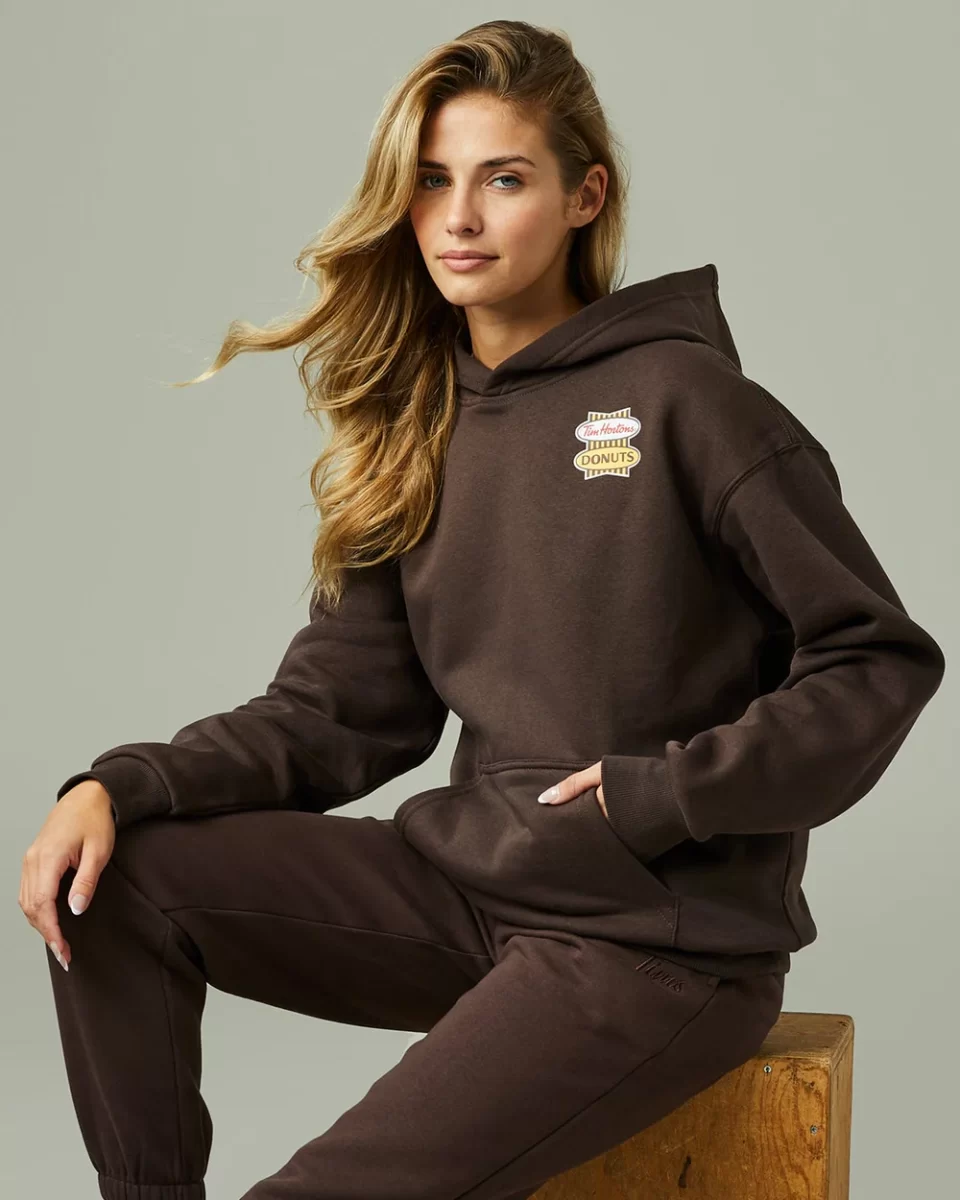
“What separates success from underperformance is intentionality. The restaurants that win treat merch like a true extension of their brand, investing in quality, design, and storytelling, rather than treating it as a novelty.”
This is part of a broader, lasting shift in how consumers engage with brands. People are looking for deeper, more personal connections, and restaurants are uniquely positioned to deliver that because of the experiences they create, noted Sides.
“That said, merchandise is not a fit for every restaurant, and not every restaurant will succeed. What makes sense for something like St-Viateur Bagels may not make sense for a fine dining establishment. It’s about making sure this extension of the business makes sense with the overall brand narrative and the target consumer,” he said.
“The future of restaurant merch will be less about simply having products, and more about having a brand people genuinely want to be associated with.”
More from Retail Insider: