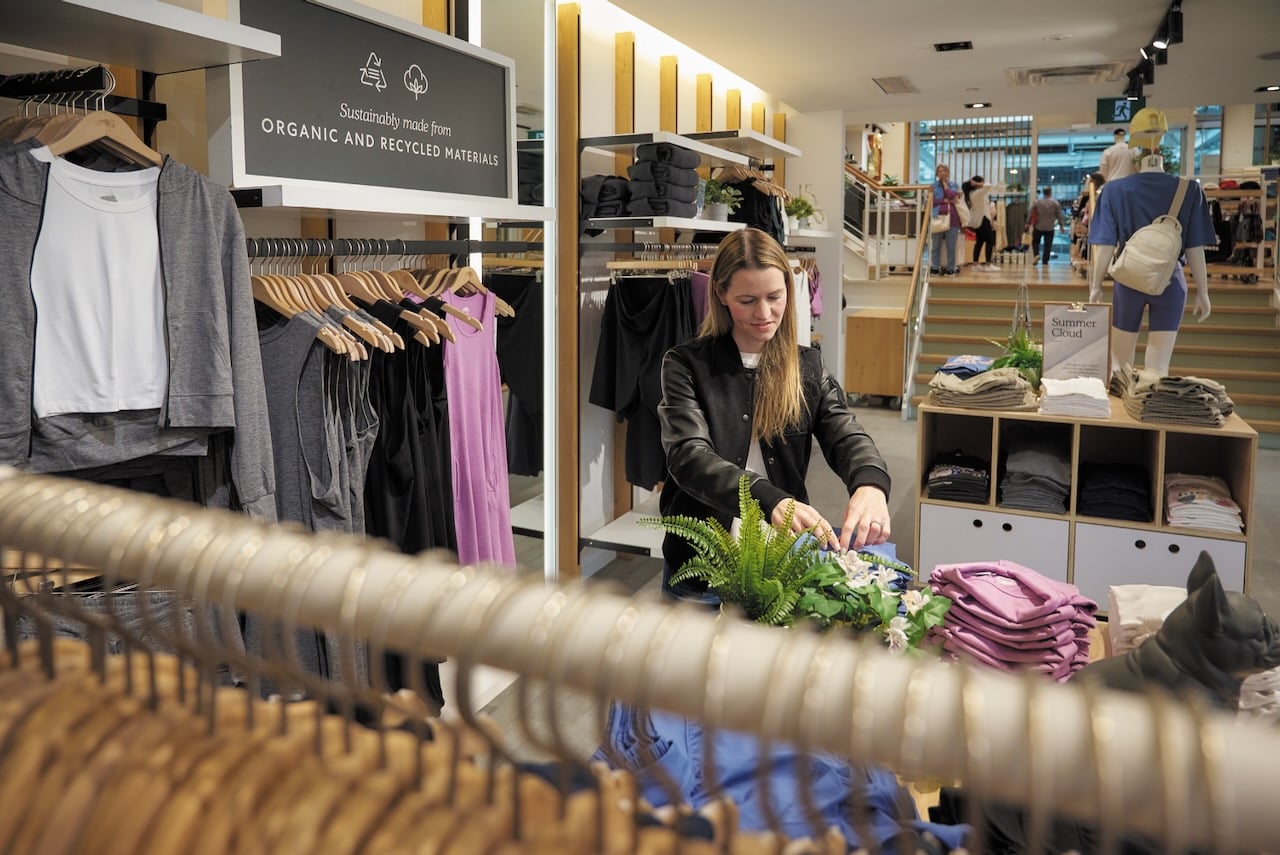
Starbucks recently marked a milestone, announcing that 100 million coffee trees have now been provided to farmers across Latin America, developed to better withstand increasingly unpredictable growing conditions driven by climate change.
For Canadians, who consume more coffee on a per capita basis than the United States or the UK, this milestone underscores what’s at stake: a stable, sustainable global coffee supply that consumers and businesses rely on, said the global giant.
With Latin American countries like Colombia, Brazil, Honduras, Guatemala, Mexico, and Peru making up the vast majority of Canada’s coffee imports, according to StatsCan, this investment by Starbucks will help to protect the future of coffee enjoyed by millions on a daily basis across the country, it noted.
“This milestone reflects a long-term effort to help stabilize the future of coffee, supporting farmers in adapting while helping to protect the consistency and quality Canadians expect from their daily cup,” said Starbucks.
“At a time when more Canadians are paying attention to where their food and beverages come from, it also offers a tangible example of how global agricultural challenges are directly tied to everyday routines at home.”
Starbucks announced it has reached a major milestone in its work to support the future of high-quality arabica coffee: donating 100 million coffee trees grown from varieties selected for their performance in climate-adverse conditions.
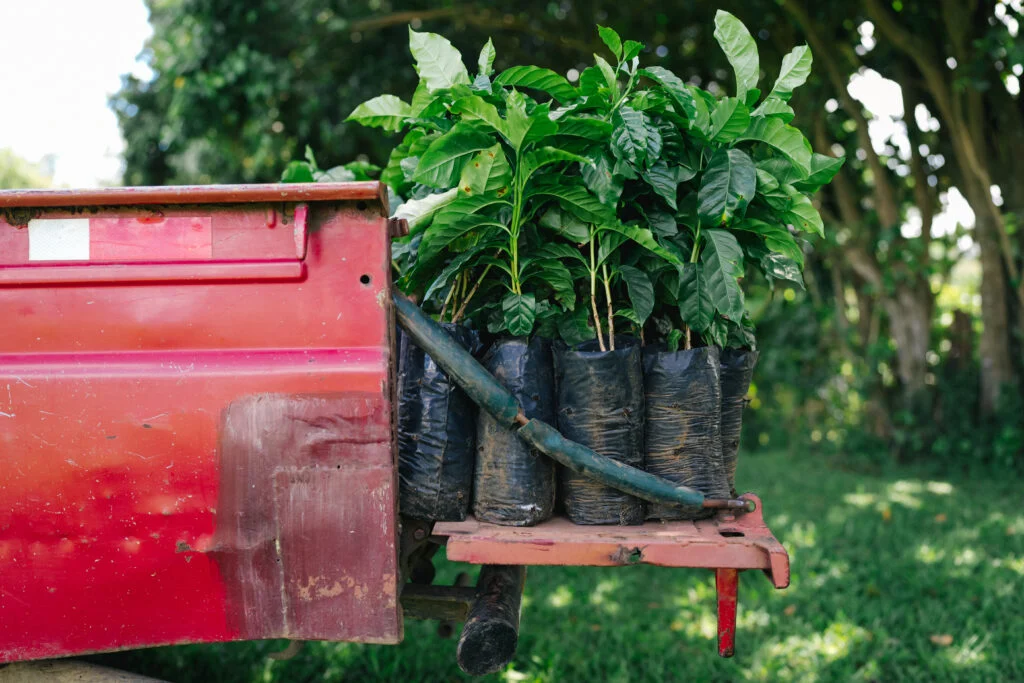
“Beginning in 2017, Starbucks began donating trees to farmers in El Salvador, Guatemala and Mexico. Starbucks is also committing to donating an additional 50 million to farms in strategic origins such as Ethiopia, Rwanda, Tanzania and Colombia, among others, while continuing to support farmers in El Salvador, Guatemala and Mexico,” it said.
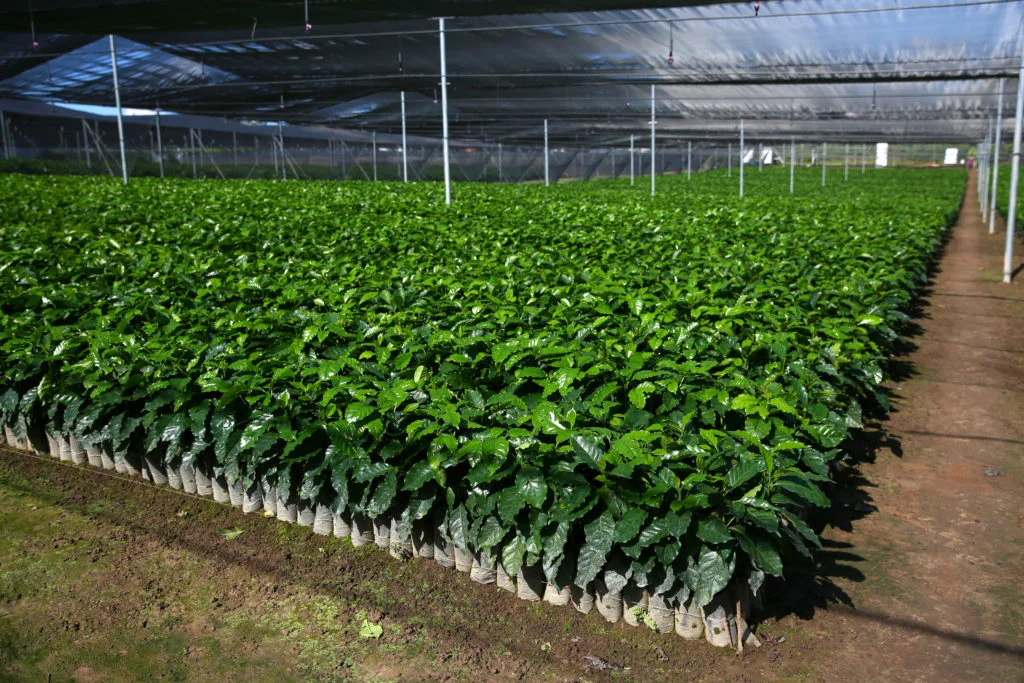
“Starbucks set the goal in 2017 to donate 100 million trees to help smallholder coffee farmers renovate aging or disease-prone plots and improve the productivity of their farms. Many of the trees donated draw on research advanced at Hacienda Alsacia, Starbucks global research and development farm in Costa Rica. There, agronomists study hundreds of hybrids and varieties along with soil health, plant nutrition and disease tolerance to help farmers adapt to the realities of a changing climate.”
An additional 50 million trees will be donated in the next phase.
“Healthy coffee trees can help support a family’s livelihood for decades when matched to the growing conditions of its region. Many farmers still rely on trees that struggle under climate pressure or are susceptible to diseases like coffee leaf rust. Replanting with stronger varieties can give farmers a foundation for more stable production over time, especially when tree replanting is paired with agronomy support and access to financing,” said the company.
“One of the ways Starbucks expands access to financing is through the Global Farmer Fund. Last year, the company reached its 2025 goal to provide $100 million in financing to smallholder farmers around the world.
“The fund partners with non-governmental organizations, fund managers and financial institutions to help farmers access capital for farm renovation, infrastructure improvements and greater financial stability. Many loan recipients also receive technical assistance in agronomy best practices business planning and price risk management. They may also receive training in management skills and understanding climate risks, followed by support to adapt to the impacts of a changing climate. These advisory services aim to benefit farmers long after the loan is paid.”
More from Retail Insider: