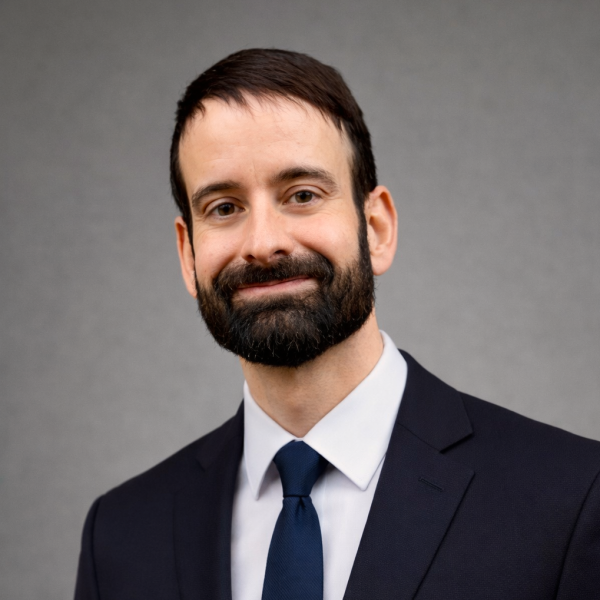
Linda Dang did not follow a conventional path into retail. Her journey into entrepreneurship began early, driven by a desire to build something of her own and shaped by a consistent focus on the customer experience.
“I always knew early on that I wanted to build something of my own,” Dang said. “I started my first e-commerce business at 18, which ended up paying for my university.”
That early venture laid the groundwork for a career that would move across disciplines, including marketing and strategic sourcing, where Dang worked with major internet companies. She later launched a restaurant business in Toronto before turning her attention to what would become SUKOSHI.
Across each venture, a consistent theme emerged. “At the core of everything I’ve done, it always comes back to the customer, how they discover, how they experience, and what makes them come back,” she said.
That customer-first mindset would ultimately define SUKOSHI’s retail model.

Identifying a Gap in Asian Beauty Retail
SUKOSHI was founded in 2018 after Dang identified a clear opportunity in the North American market. While Asian beauty was gaining global traction, it remained underrepresented and poorly executed in physical retail environments.
“At the time, Asian beauty was largely underrepresented in North America, and even when you could find it, the experience felt fragmented and transactional,” Dang explained. “There wasn’t a place that made discovery easy, approachable, or exciting.”
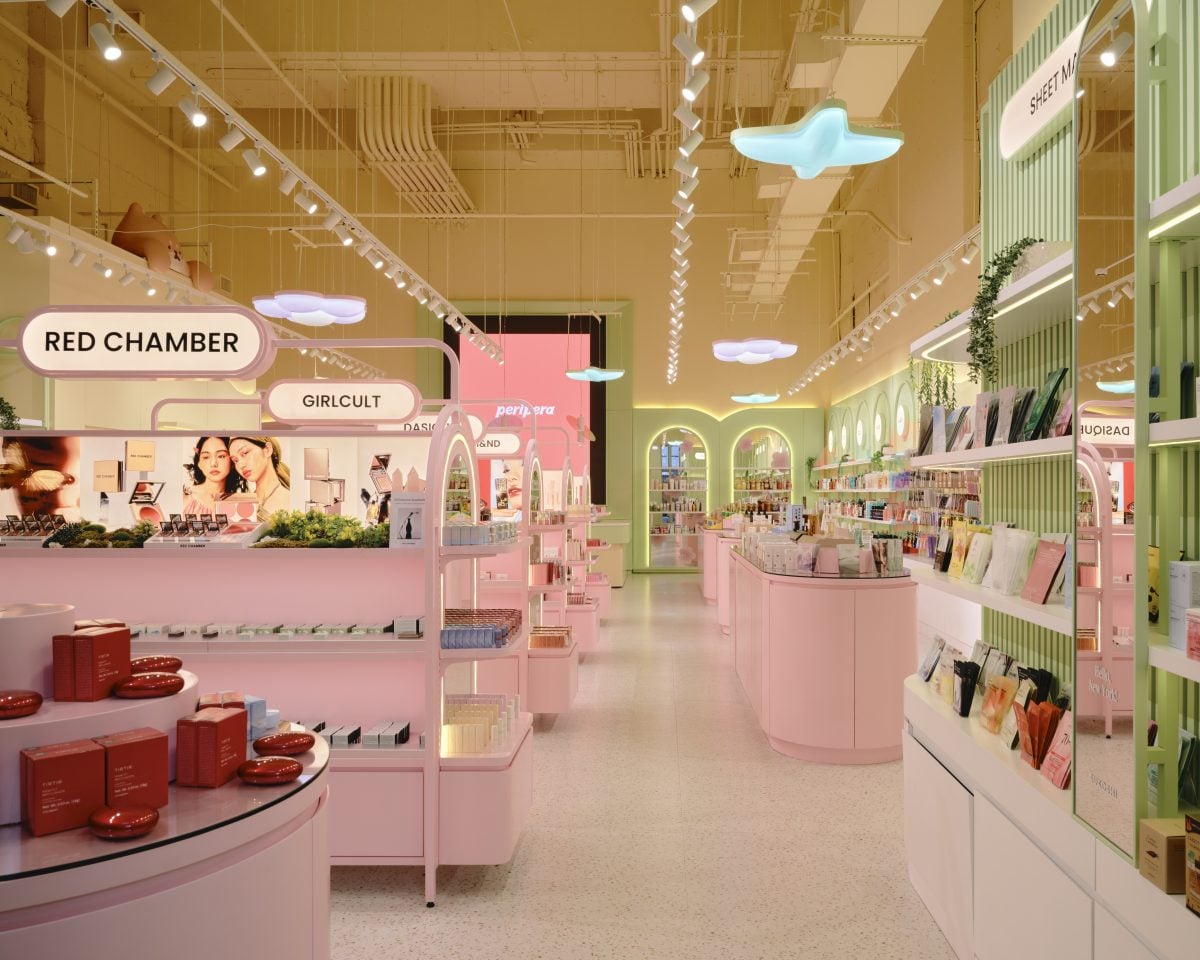
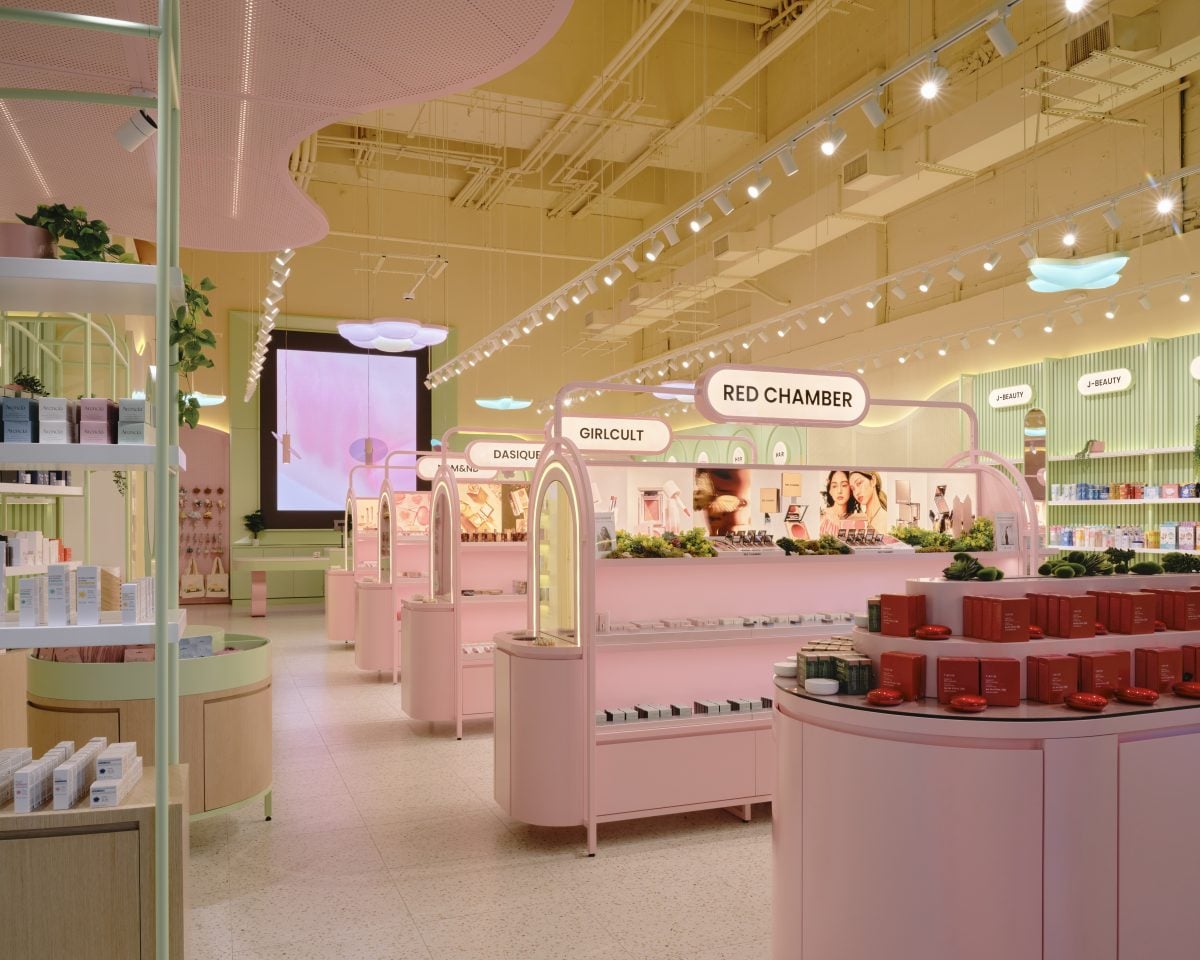
The original concept was not simply to sell products, but to create an immersive retail environment centered on discovery and education. Customers would be encouraged to explore, test products, and build routines in-store.
“It was always meant to be more than a store. It was about building a destination centered around discovery, education, and experience,” she said.
What began as a small-format concept in Toronto has since evolved into a rapidly scaling retail business operating across Canada and the United States.
Building a Distinct Retail Experience
SUKOSHI’s growth has been closely tied to its ability to differentiate itself through in-store experience. Rather than overwhelming customers with product, the brand focuses on curated assortments and intuitive merchandising.
“SUKOSHI’s identity is really about discovery, but in a way that feels intuitive, not overwhelming,” Dang said. “We’re not trying to be everything; we’re trying to be the place where you find the right things.”
Stores are designed to encourage interaction. Customers are invited to test products, learn about routines, and engage with knowledgeable staff. The goal is to guide shoppers from curiosity to confidence within a single visit.
“A lot of people walk in not knowing exactly what they want and leave with a full regimen because the space naturally guides them there,” she said.
This approach reflects a broader shift in retail toward experience-led environments, particularly in categories such as beauty where education plays a critical role.
Scaling a Retail Concept Across North America
One of the defining moments in SUKOSHI’s trajectory came when the company proved that its concept could perform in physical retail at scale.
“Early on, the biggest unlock was proving that this category could work in physical retail at scale,” Dang said. “Once we saw the first few stores perform, it became clear this wasn’t niche, it just hadn’t been executed properly yet.”
Today, the company operates 21 stores and is pursuing aggressive expansion plans. Dang confirmed that SUKOSHI is aiming to roughly double its store count in the near term, with a focus on both Canadian and U.S. markets.
The United States represents a major growth opportunity. Early traction in key markets has reinforced the brand’s belief that its concept translates beyond Canada.
“We’ve seen strong early traction there, and we believe there’s a real opportunity to scale the concept across major markets,” Dang said.
A Brand Accelerator Model for Global Beauty Labels
Beyond retail, SUKOSHI has positioned itself as a strategic partner for international brands entering North America. The company’s role extends beyond distribution into brand building, education, and market positioning.
“We’ve positioned ourselves as a launch and growth partner in North America, not just a retailer,” Dang said. “Many brands come to us to enter the market, and we help them build awareness, educate customers, and sell through.”
This “brand accelerator” approach has become a key differentiator. Rather than simply stocking products, SUKOSHI actively shapes how brands are introduced and scaled within the market.
The model also informs merchandising decisions. Product selection is guided not only by quality but by long-term brand alignment.
“We’re not just asking, ‘Is this a good product?’ We’re asking, ‘Can we make this brand work in this market?’” Dang explained.
The Role of Physical Retail in a Digital World
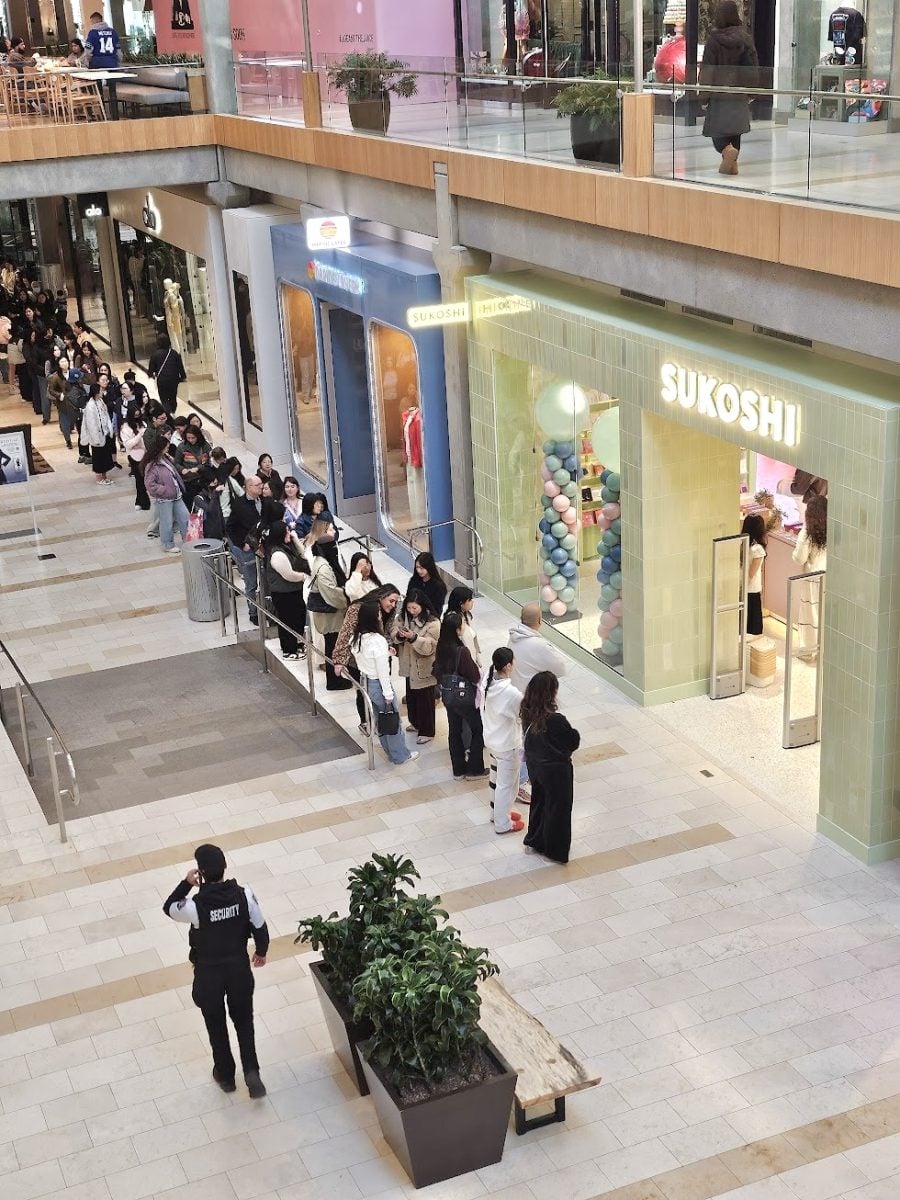
While e-commerce remains an important channel, Dang sees physical retail as central to SUKOSHI’s strategy, particularly in a category that relies heavily on trial and education.
“Physical retail is where everything comes together for us. It’s where discovery actually happens,” she said.
Online channels play a role in awareness and engagement, but the in-store experience drives understanding and trust.
“We view our physical stores as our strongest acquisition and education channel. Once someone experiences the brand properly in person, it drives repeat behaviour across all channels.”
This perspective aligns with broader industry trends, where physical retail is increasingly being repositioned as a complement to digital rather than a competitor.
Leadership in a High-Growth Environment
As SUKOSHI continues to scale, Dang remains closely involved in the business, maintaining a hands-on leadership style.
“I’m very hands-on and involved across most parts of the business,” she said. “As we scale, every year feels like a different company, so I like staying close to what’s actually happening on the ground.”
At the same time, she places strong emphasis on building a capable and empowered team.
“I care a lot about building a team that can think, not just execute,” Dang said. “The best ideas don’t always come from the top, so creating an environment where people can push things forward is important.”
That approach has contributed to a culture that supports rapid growth while maintaining operational discipline.
Recognition and a Female-Led Leadership Team
SUKOSHI’s recent recognition as one of Canada’s top growing female-led companies reflects both its commercial success and its leadership structure.
“It’s meaningful, but even more so because of the team behind it,” Dang said.
She pointed to internal initiatives, such as the company’s Women’s Day campaign, as examples of the team’s strength and cohesion.
“Watching the team come together, take ownership, and execute it the way they did was genuinely energizing,” she said.
The company’s leadership composition and culture have become defining elements of its identity.
Navigating Growth and Maintaining Focus
Rapid expansion has brought its share of challenges. Dang identified scaling operations and maintaining focus as two of the most significant.
“When you grow quickly, things break, and you’re constantly rebuilding processes while the business is still moving,” she said.
Equally important is the ability to prioritize.
“There are plenty of opportunities, but not all of them matter. You have to be very clear on what actually drives growth and what doesn’t.”
This disciplined approach has allowed SUKOSHI to expand while preserving the core elements that define its brand.
The Evolution of Canadian Retail
Dang sees a clear shift in the Canadian retail landscape toward experience and specialization, particularly within beauty.
“Retail in Canada is shifting away from just product and more toward experience,” she said. “Customers expect more, especially in beauty. They want to learn, try, and feel something when they walk into a store.”
She noted that when SUKOSHI launched, consumer awareness in the category was limited. Today, customers are more informed and expect a higher level of expertise.
“There’s still a gap in how the category is presented,” Dang said. “That’s where I think the opportunity is, retailers that can go deeper, not just wider.”
Looking Ahead: Expansion Without Compromise
Looking forward, Dang is focused on scaling the business while maintaining its core principles.
“We’re focused on scaling, but doing it in a way that doesn’t dilute what got us here,” she said.
That includes continued investment in staffing and in-store expertise, which Dang views as critical to the brand’s success.
“We intentionally over-index on staffing beauty consultants on the floor because that’s a big part of what makes the experience work,” she said.
At the same time, the company is expanding aggressively across North America, with a clear emphasis on strategic location selection and brand partnerships.
“Helping brands not just enter the market, but actually win here is where we add the most value,” Dang said.
Advice for the Next Generation of Retail Entrepreneurs
For aspiring entrepreneurs, Dang’s advice reflects the same principles that have guided her own journey.
“If the customer doesn’t care, nothing else matters,” she said. “Especially in retail, you can build something that looks great on paper, but if it doesn’t resonate in real life, it won’t work.”
She also emphasized the importance of action over perfection.
“Don’t overthink it. A lot of people wait until things are perfect before they start, but you learn the most by actually doing.”
For women in particular, Dang encourages confidence and authenticity.
“Trust your instincts and don’t feel like you need to fit a certain mold of what a founder or leader should look like,” she said.