At a time when more Canadians are rethinking what retirement looks like, lifelong sailors and retired brand builders Sian Roberts and Kevin Dunal offer a compelling second-act founder story.
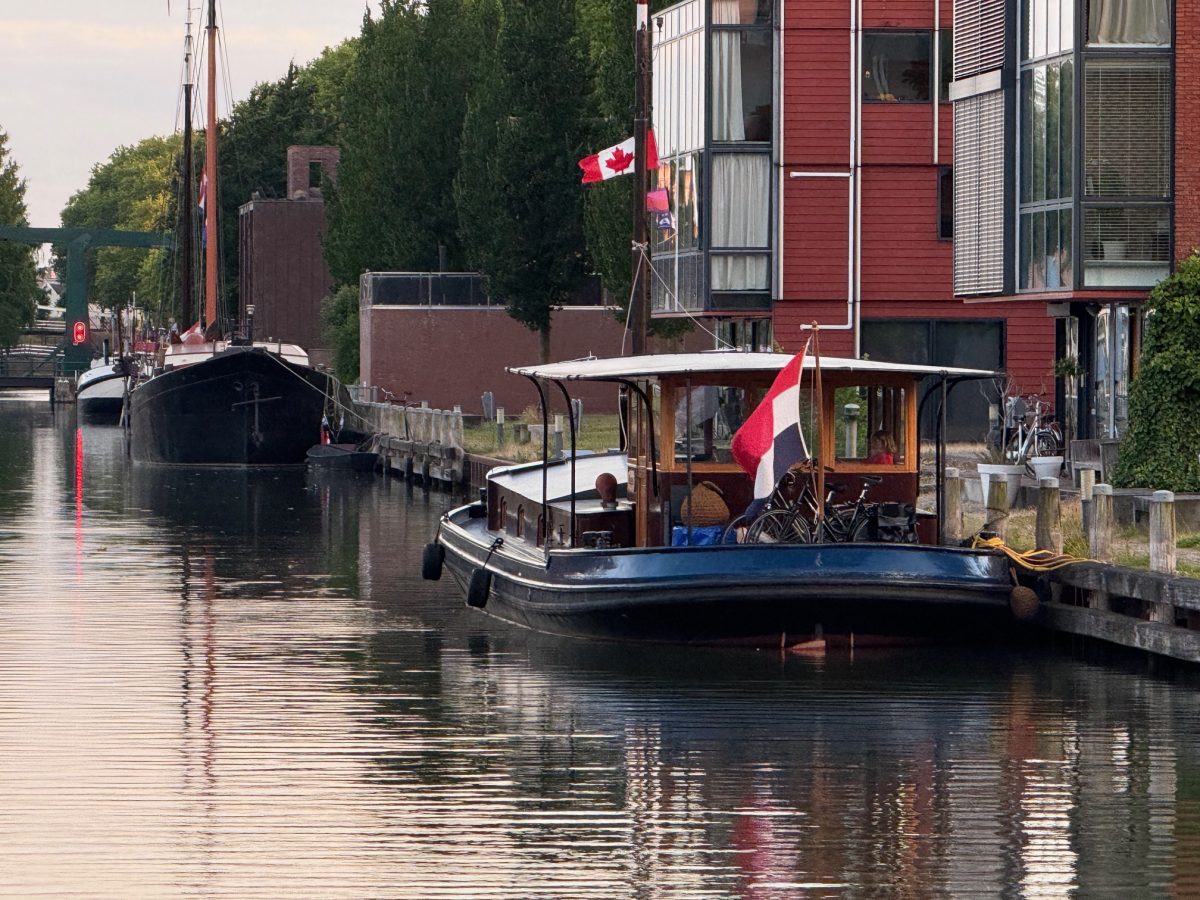
While living aboard a 95-year-old Dutch barge in the Netherlands, the couple encountered a problem familiar to many downsizing consumers: traditional cookware simply wasn’t designed for tight, modern living. Their search led them to nesto by Cook Vision, a German-engineered nesting cookware system that reduces storage needs by up to 50 per cent without compromising performance or durability.
With more than 50 years of combined experience launching and scaling brands across North America, Roberts and Dunal quickly recognized a broader market opportunity, particularly as Canadians move into smaller homes and prioritize longer-lasting household investments. Though officially retired, they made the deliberate decision to return to entrepreneurship, leading nesto’s expansion into Canada.
Today, they are building the brand around a system-based, “buy better, buy once” philosophy, positioning nesto as a premium alternative to cluttered cookware sets, and a case study in opportunity-driven retirement entrepreneurship.

“We’re lifelong boaters and sailors, and as we headed towards the goal of retirement, we purchased a 95-year-old historic Dutch barge in the Netherlands, which we’ve restored. We live on it for half the year. It’s a great way to tour the continent and enjoy the culture,” explained Dunal.
“We had to outfit the entire barge, so it came empty. I went to the Düsseldorf Boat Show, which is the largest boat show in the world. I went there to start sourcing some of the materials we needed, everything from electrical to pots and pans,” said Roberts.

“I was walking past a booth called Cook Vision, and it literally stopped me cold because the product I saw there we’d never seen anything remotely like it in North America. We purchased the product, which is the nesto cooking series, for our barge, started using it, and immediately fell in love with it.
“Friends who came on board said, “Where do we get this?” One thing led to another, and now we’re importing it for North America.”
Prior to this, they both came from a deep business experience.
“My background is general management for a couple of large companies in Canada. I ran Johnson & Johnson Vision Care, which is disposable contact lenses—Acuvue—so a very strong consumer brand. It’s a B2B and B2C model. Then I managed Align Canada, which is the Invisalign brand. Again, a very strong B2C and B2B model. Both were very disruptive technologies, really changing the way people wore contact lenses and how they straightened their teeth,” said Roberts.
“My education originally is industrial design as a product designer, and communications. Then I switched over to the tech world and managed some fairly large brands. I was a VP for Canada and then the Americas for Adobe Systems, and later a 3D visualization company, Alias, which ended up at Autodesk,” added Dunal.
The two go back and forth from the barge to Toronto.
“It’s a business that can be run from the back of a barge. With technology the way it is now, you really can do this from anywhere. We’re establishing the business and the channels right now and setting it up so that we can indeed be back and forth,” said Dunal.
“Technology is just spectacular to help us, if you’ve got the background, business, and experience. Digital connections for communication. We really leverage AI. We have very good connections on our barge, and we travel back and forth,” added Roberts.
“The nice thing is the product was developed solely in Germany, so being in both continents and understanding what works there and being able to leverage that for the North American market really helps us.”
Dunal said the potential for the product is enormous.
“You need to look at the entire cookware market. We purchased it because of its nesting capability, so it was great for a boat. But when we came back to our house in Toronto and started using our other cookware—which is actually really high quality—we really missed all the capabilities of the nesto series,” he said.
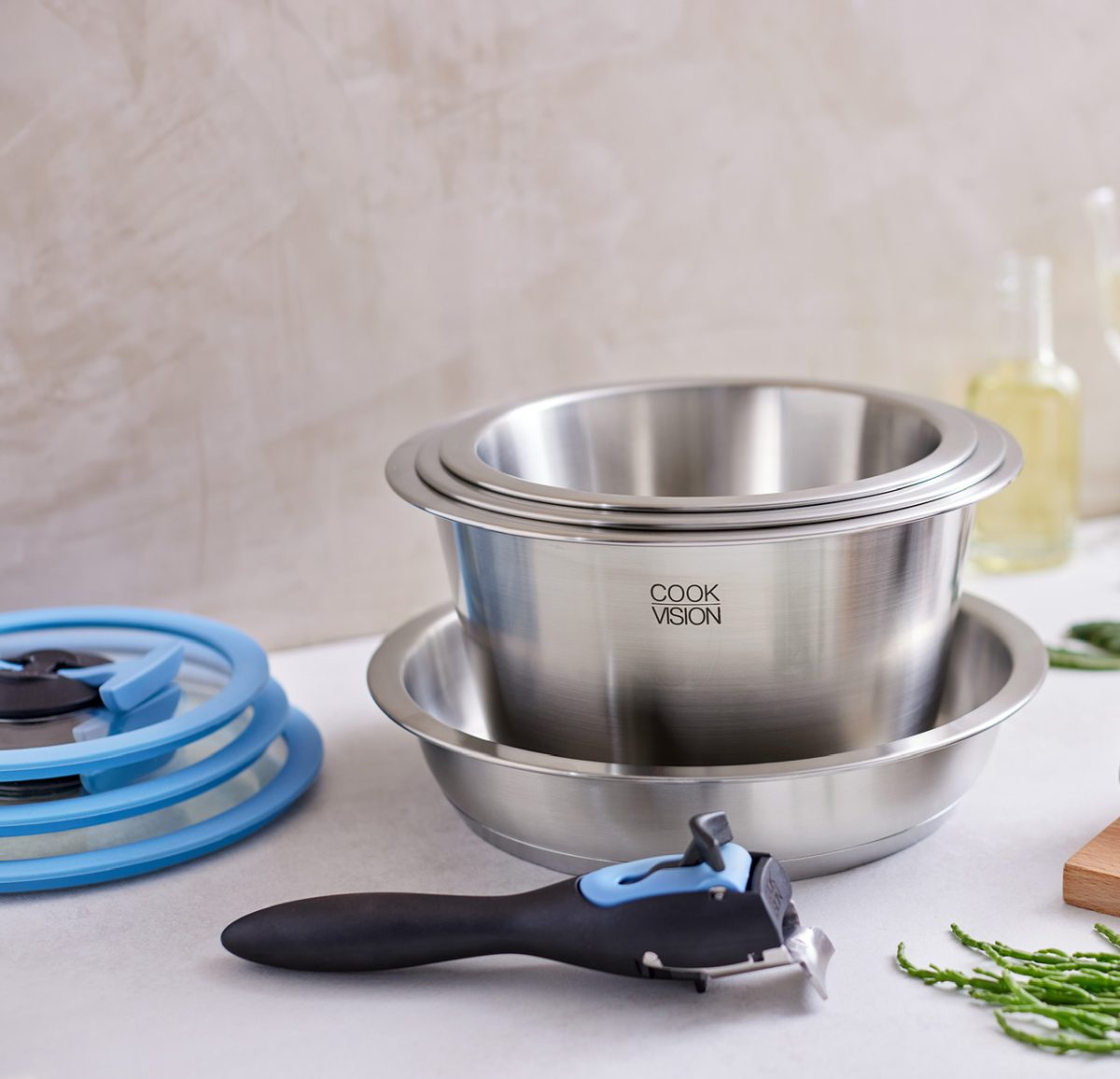
“We’ve had many people buy the product based on its nesting capability and then be really blown away by the professional quality of it. So the market—you can think it’s niche, or you can say it’s actually anyone that cooks.”
“What stood out to us in using it is we realized it’s a brand-new category. There are times in history when you look at things like this and think, “Why didn’t we think of that?” One example is putting wheels on luggage. We landed a person on the moon, and it wasn’t until two years later that we figured out putting wheels on luggage,” added Roberts.
“Cookware hasn’t changed since the medieval ages in some respects, and this just rethinks how you use it. Why can’t you use a pot as a serving device? Why does it need a handle? You can move it from the stove to storage and everything else. So yes, it’s a category killer—who knows where it can go.”
More from Retail Insider: