Toronto-based apparel brand This Is J is advancing a sustainability-driven growth strategy as it evolves its Canadian-made production model and deepens customer engagement. Central to that approach is its zero waste sample sale, which has emerged as both an environmental initiative and a key touchpoint with its growing community.
Founded by Jaimie Harris, Founder and CEO of This Is J, the company has built a reputation for ethically produced sleepwear and loungewear, with all design and production rooted in Toronto. That vertically integrated structure allows the brand to maintain tight control over quality while responding quickly to customer demand, a model that stands in contrast to traditional fashion supply chains.
Seasonal Collections Reflect Agile Product Strategy
As the brand transitions into spring, This Is J has introduced lighter patterns and refreshed styles following the holiday season. Harris explained that this period represents both a creative reset and an opportunity to reconnect with customers.

“We came out of the holidays with lighter, more airy patterns, moving away from plaid and heavier seasonal tones,” said Harris. “We launched new styles and a eucalyptus mint stripe collection for men, women, and kids that really reflects that sense of renewal.”
While January typically marks a slowdown in consumer activity, Harris views it as a strategic moment rather than a setback.
“January is always a breather. It gives us time to regroup, listen, and think about what our customer really wants for the seasons ahead,” she said. “Instead of pushing product, we focus on who we are and what we stand for.”
Community Input Shapes Design Decisions
A defining element of the brand’s growth strategy is its close relationship with customers. In recent months, This Is J has expanded its use of surveys and feedback tools to guide future product development.
“We’ve been asking our community directly what they want to see, from patterns to styles,” Harris said. “People are incredibly specific in their preferences, and when you step back and look at the data, you start to see clear trends.”
This approach allows the company to align production more closely with demand, reducing excess inventory while reinforcing customer loyalty. It also supports the broader philosophy behind the This Is J sustainable Canadian apparel model, where efficiency and responsiveness are closely tied to sustainability outcomes.
Zero Waste Sample Sale Anchors Sustainability Efforts
At the centre of this strategy is the This Is J zero waste sample sale, which transforms excess production into a revenue-generating and customer-facing initiative.
Because the company designs and prints its own fabrics, it regularly produces test runs, samples, and limited batches that may not enter full production. Rather than discarding these materials, they are redirected into the sale.
“Instead of saying we tried something and it didn’t work, we make sure it still finds a home,” Harris said. “Nothing goes to waste.”
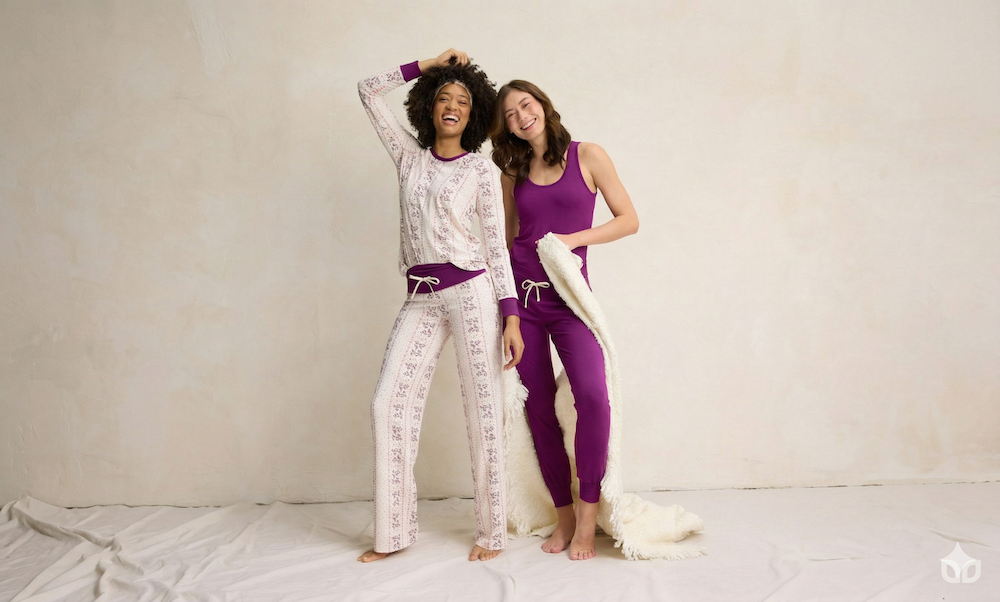
The sale includes a range of product categories, including misprints, off-cuts, and one-of-a-kind designs. Discounts can reach up to 80 percent, particularly for items with minor imperfections that do not meet internal quality standards but remain highly wearable.
“Some of the imperfections are things customers would never notice,” Harris added. “But for us, it’s about maintaining consistency while still being able to offer value.”
Extending Sustainability Beyond Apparel
The company’s zero waste philosophy extends beyond finished garments. Even small fabric remnants are repurposed through community partnerships.
“We collect even the smallest off-cuts and offer them to people who use them for stuffing pillows or other products,” said Harris. “We’re really committed to not putting anything into the garbage.”
This approach reflects a broader effort to rethink traditional production cycles, particularly in an industry that has faced increasing scrutiny over waste and overproduction.
“Consumers are more aware now of where products come from and what happens to them after,” Harris said. “We’ve learned that a lot of unsold inventory in the industry ends up in landfills, and that didn’t sit well with us.”
Measured Expansion with Global Opportunities
Looking ahead, This Is J is pursuing expansion opportunities while maintaining a disciplined approach to growth. While tariff-related complexities have influenced its U.S. strategy, the company is seeing strong traction in other international markets.
“Australia has been a great fit for us,” Harris said. “There’s a similar mindset when it comes to sustainability and ethical production.”
At the same time, the company continues to expand its product offering across categories, positioning itself as a lifestyle brand that serves men, women, and children.
Limited-Time Event Drives Engagement
The sample sale, running from April 8 to April 11, is expected to generate significant customer interest, particularly with the introduction of several new designs that have not previously been released.
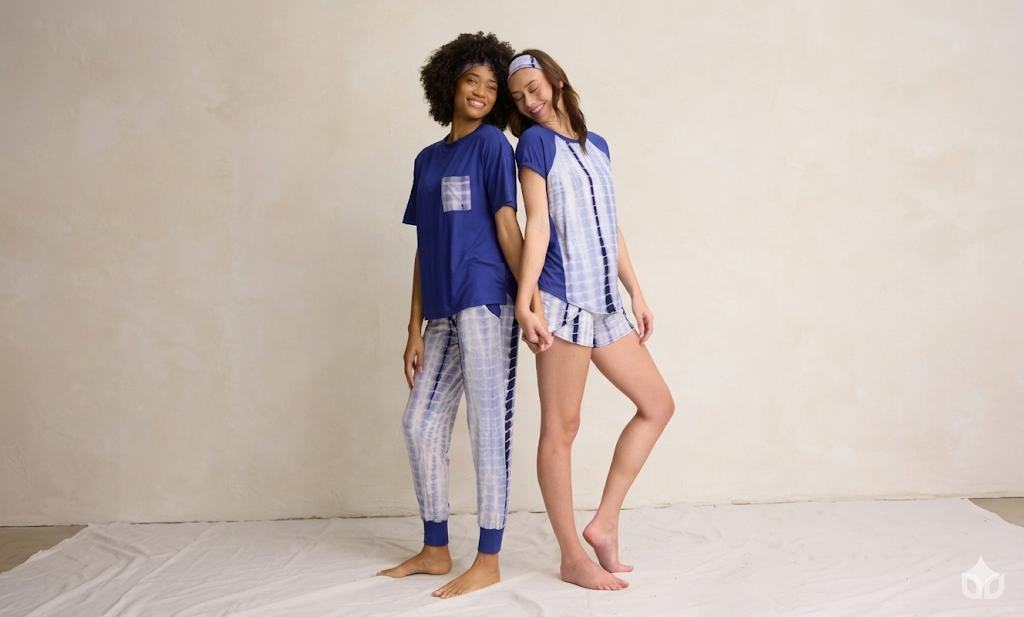
“We have more never-before-seen patterns in this sale than we’ve ever had,” Harris said. “Those are always the pieces that customers get most excited about, and they tend to sell out very quickly.”
The event includes a limited early access window for subscribers, reflecting the high demand and fast-moving nature of the sale.
A Model for Sustainable Retail Growth
As Canadian consumers continue to prioritize locally made and environmentally responsible products, This Is J is positioning itself as a case study in how independent brands can scale thoughtfully.
By combining local manufacturing, community-driven design, and zero waste initiatives, the company demonstrates how sustainability can be integrated into both operations and growth strategy.
For Harris, the approach remains rooted in intention.
“It’s about honoring everything we create while continuing to reduce our footprint,” she said. “That’s always been at the core of what we do.”