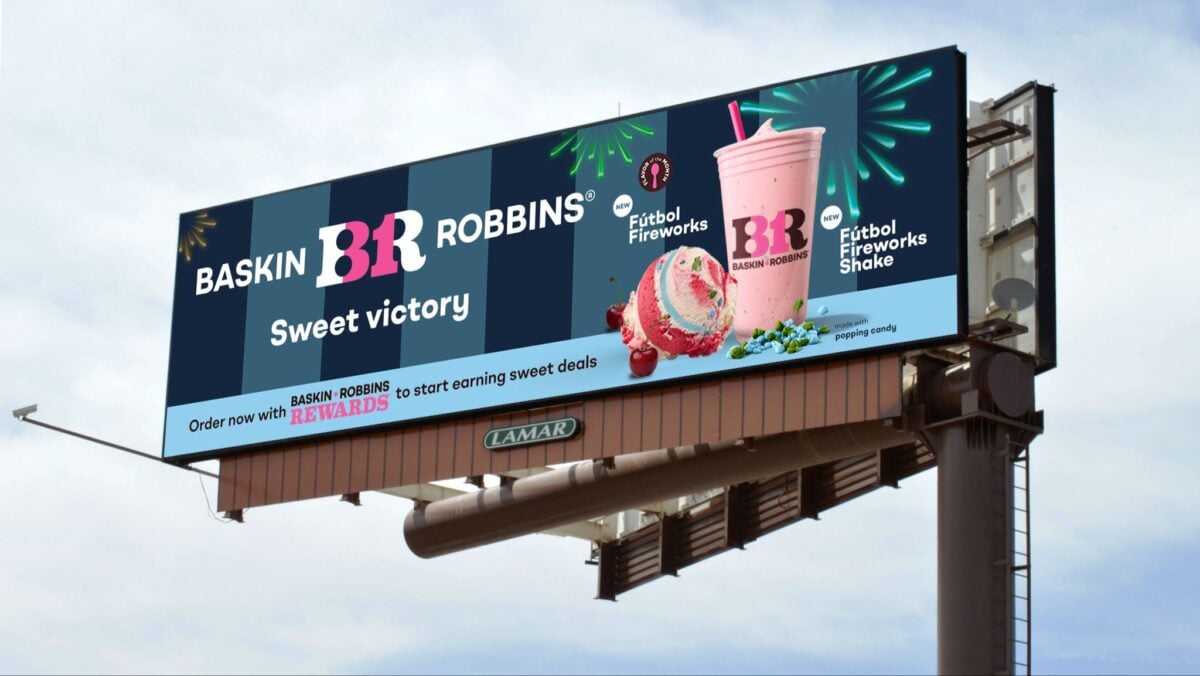
Now that the FIFA World Cup has wrapped, one thing is clear: the brands that won weren’t necessarily the official sponsors. They were the ones that understood where fans were, how they were engaging, and how to stay relevant long after the final whistle.
In an interview with Retail Insider, Scott Mitchell, Managing Director, Canada at Vistar Media, breaks down the biggest marketing lessons from this year’s tournament and what brands should take away for future major sporting and cultural moments.


Question: What separated the most successful World Cup marketing campaigns from the ones that struggled to break through the noise?
Answer: The World Cup wasn’t just 90 minutes. Fans followed highlights throughout the day, met friends to watch matches, celebrated in public spaces and continued engaging with content long after the final whistle.
The brands that resonated recognized those behaviours. Rather than focusing on a single moment, they built a connected presence throughout the tournament, delivering relevant messages in the moments and places where fans were already engaged.
Q: You argue that context mattered more than official sponsorship. What did brands like BMO do right, and what lessons can other non-sponsors take from their approach?
A: One of the biggest misconceptions around major sporting events is that brands need official sponsorship rights to be part of the conversation. In reality, consumers care far more about whether a brand feels relevant to the experience than whether it has official status.
BMO understood that. It built on its longstanding connection to soccer in Canada through activations, experiences and out-of-home advertising. Rather than trying to compete with official sponsors, the brand focused on reaching fans in places they were already gathering, like Toronto’s Union Station, with creative that reflected the excitement surrounding the tournament. There was no need to reference FIFA directly because the context did the work.
That’s an important lesson for marketers. You don’t have to own the event to participate in it. If you understand your audience, deliver compelling creative and show up at the right moments, you can create meaningful connections without official rights.
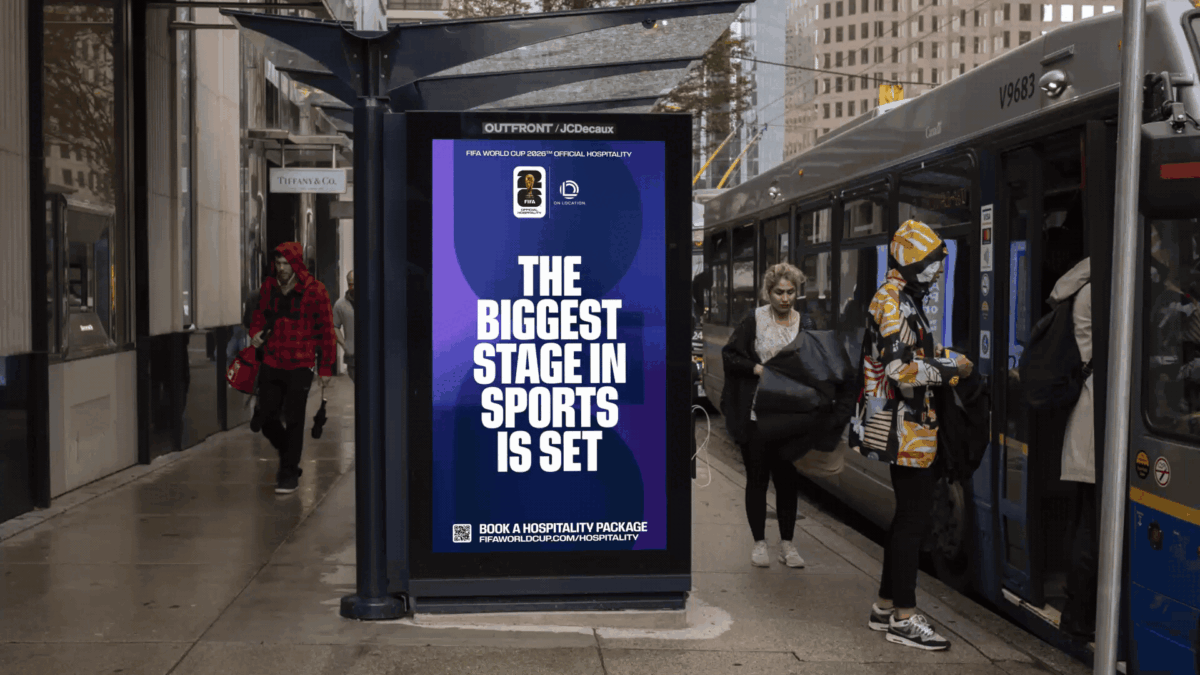
Q: How has the fan journey evolved beyond the stadium, and what does that mean for where brands should be investing their marketing dollars during major sporting events?
A: Today’s consumer journey doesn’t follow a single path. People discover content, connect with friends, shop and make decisions across multiple environments throughout the day across multiple environments throughout the day.
During FIFA, the stadium was just one part of the experience. Fans were commuting, gathering in restaurants and bars, travelling between destinations and catching highlights long before and after each match. Brands that planned around those moments had far more opportunities to stay relevant.
For marketers, the takeaway is to plan around how people move through the real world, not around individual channels. The strongest campaigns use complementary channels to reinforce one another, helping brands remain top of mind throughout the entire consumer journey instead of relying on a single moment of attention.
Q: Tim Hortons is cited as a brand that focused on long-term cultural relevance rather than short-term buzz. What made that strategy effective, and how can other Canadian brands apply it?
A: Consumers are increasingly drawn to brands that feel authentic rather than opportunistic.
Like BMO, Tim Hortons wasn’t an official sponsor, but it’s a brand that Canadians already associate with sports at both the professional and community level. Its soccer-themed Timbit Buckets were a simple but effective way to tap into the excitement surrounding the tournament. There was no FIFA branding, but there didn’t need to be. Canadians immediately understood the connection because it felt like a natural extension of the brand.
That’s the opportunity for other Canadian brands. Start with what your audience already associates with your brand, then find authentic ways to participate in the moments that matter to them. The most effective campaigns build on existing brand equity instead of chasing short-term attention. Official sponsorship can amplify a campaign, but it’s not the only path to relevance.
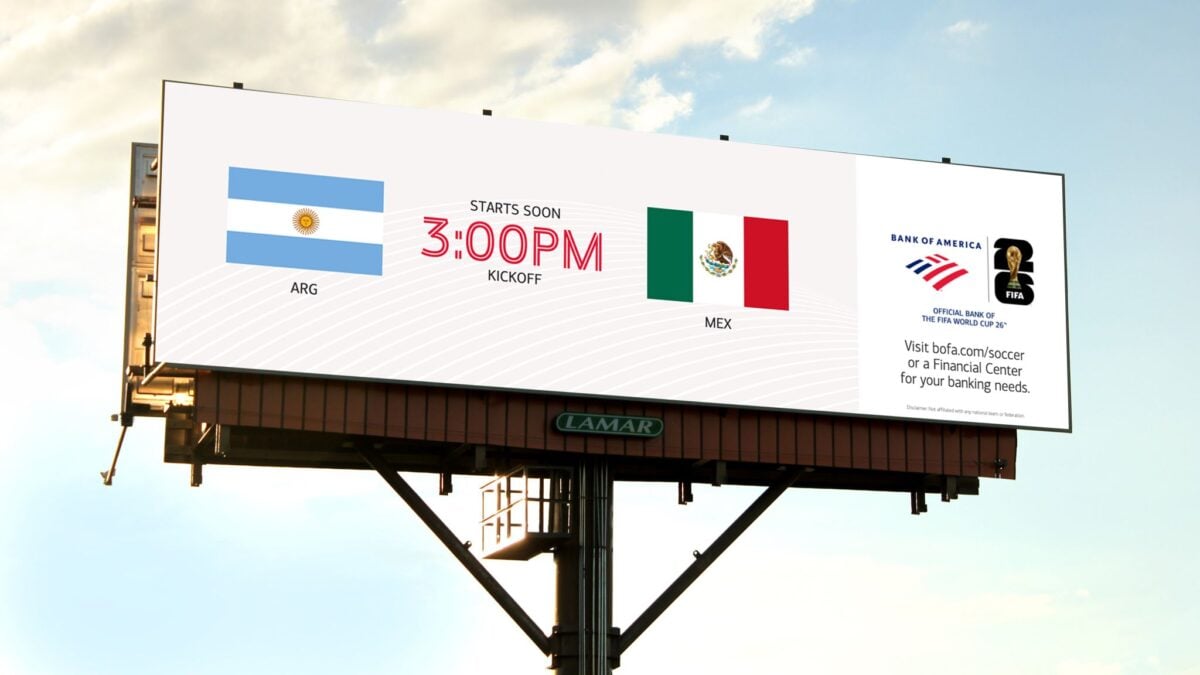
Q: Looking ahead to future major sporting and cultural events, what are the biggest opportunities and biggest mistakes you expect Canadian brands to make?
A: Canada has an incredible lineup of major sporting and cultural events over the next several years, creating more opportunities than ever for brands to connect with consumers during shared experiences.
The brands that will benefit most are the ones that start planning early and think beyond the event itself. The opportunity isn’t limited to the main event. It’s in the anticipation beforehand, the moments when people come together to experience it and the conversations that continue afterwards. Campaigns that reflect those behaviours are far more likely to resonate with audiences.
The biggest mistake is treating these moments as isolated marketing opportunities. The strongest campaigns don’t just capitalize on a cultural moment. They reinforce broader brand-building efforts by delivering relevant, consistent experiences across the customer journey.
More from Retail Insider:
- Motion-based digital billboards outperform static ads: Vistar Media
- The key to low-carbon advertising: Vistar Media