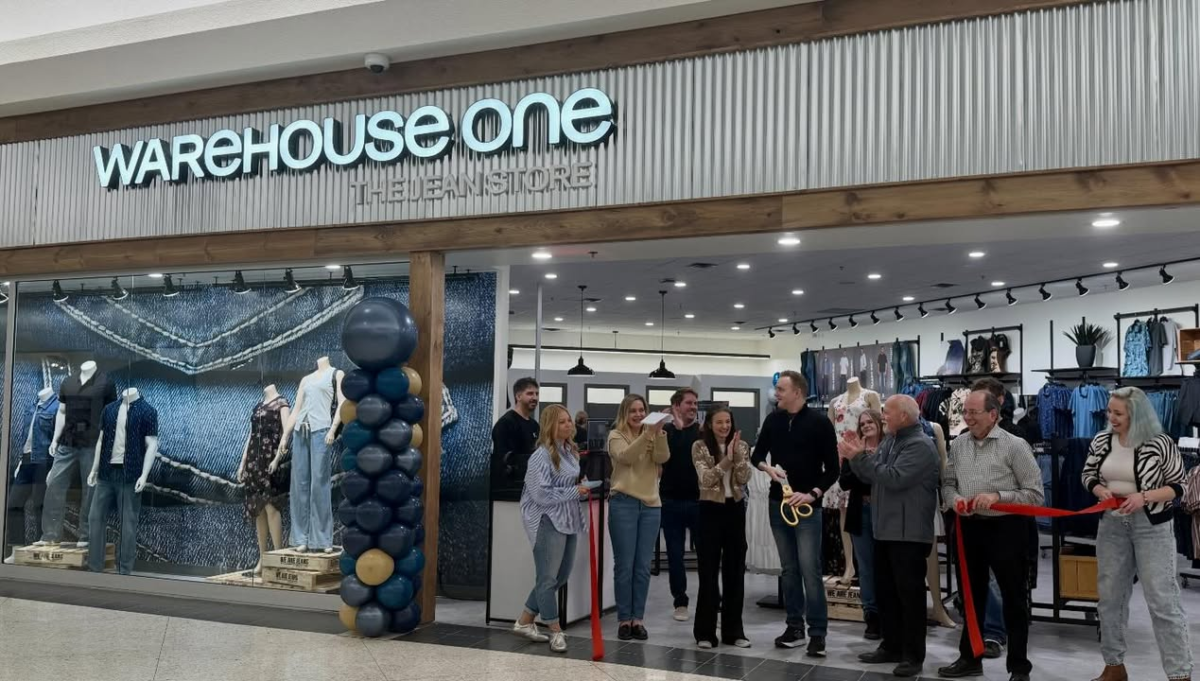
The liquidation of Warehouse One and Bootlegger will leave behind more than empty clothing racks and liquidation signage.
It will also create 128 vacant retail spaces across Canada, many located in regional shopping centres and secondary markets already facing mounting pressure from e-commerce, shifting consumer habits, and declining apparel tenancy.
While the collapse of the Winnipeg-based retailer marks the end of a nearly 50-year Canadian retail story, the fallout will extend well beyond the company itself. Landlords, mall operators, neighbouring tenants, and smaller communities may all feel the effects as stores begin closing nationwide following the company’s Companies’ Creditors Arrangement Act (CCAA) filing.
Court documents filed in Manitoba show the retailer operated 95 Warehouse One stores, 25 Bootlegger locations, and eight combined-format stores across eight provinces and one territory.
Unlike many recent retail collapses concentrated in major urban centres, the Warehouse One footprint was heavily weighted toward regional malls, suburban shopping centres, and smaller Canadian communities.
Locations included markets such as Cold Lake, Meadow Lake, Quesnel, Thompson, Weyburn, Flin Flon, Prince Rupert, Whitehorse, Stephenville, and The Pas.
That geographic reality could make some vacancies harder to backfill.
Regional Malls Face Another Apparel Vacancy Challenge
For decades, apparel chains such as Warehouse One and Bootlegger formed part of the core tenant mix within enclosed Canadian malls.
However, many secondary and tertiary shopping centres have spent years grappling with declining apparel demand as consumer spending increasingly shifts online and younger shoppers migrate toward fast-fashion platforms and digital marketplaces.
The Warehouse One liquidation now removes another national apparel operator from that ecosystem.
In major urban markets, vacant apparel space can often be repositioned relatively quickly for food-and-beverage concepts, entertainment uses, fitness operators, medical tenants, or experiential retail. In smaller communities, however, replacement demand is often far more limited.
That is particularly relevant for enclosed malls in regional Canadian markets where national fashion retailers have steadily reduced expansion activity over the past decade.
Some of the affected centres may also face declining traffic as longtime customers lose one of the mall’s remaining national apparel tenants.
Secondary Markets Already Under Pressure
The store list tied to the liquidation reflects a distinctly regional Canadian retail footprint.
In Alberta alone, the retailer operated stores in communities including Whitecourt, High Level, Rocky Mountain House, Peace River, Lac La Biche, Drayton Valley, and Cold Lake.
The company also maintained locations across northern British Columbia, Saskatchewan, Manitoba, Newfoundland and Labrador, and smaller Ontario markets such as Kenora, Dryden, Timmins, and Cornwall.
Many of these centres were developed during decades when enclosed malls served as dominant community shopping hubs. Today, some face a very different environment marked by weaker apparel demand, aging mall infrastructure, rising e-commerce penetration, changing demographic patterns, and reduced expansion activity from national retail chains.
Court documents filed in the CCAA proceedings indicate some smaller-market locations experienced sales declines exceeding 10% year-over-year.
That trend reflects broader challenges facing parts of Canada’s regional mall sector.
A Different Situation Than Hudson’s Bay
The Warehouse One liquidation differs significantly from the recent CCAA of Hudson’s Bay and the earlier closure of Nordstrom Canada operations.
Those collapses largely involved large-format department store boxes concentrated in major metropolitan markets where redevelopment opportunities often include mixed-use intensification, residential projects, entertainment concepts, or large-scale subdivision plans.
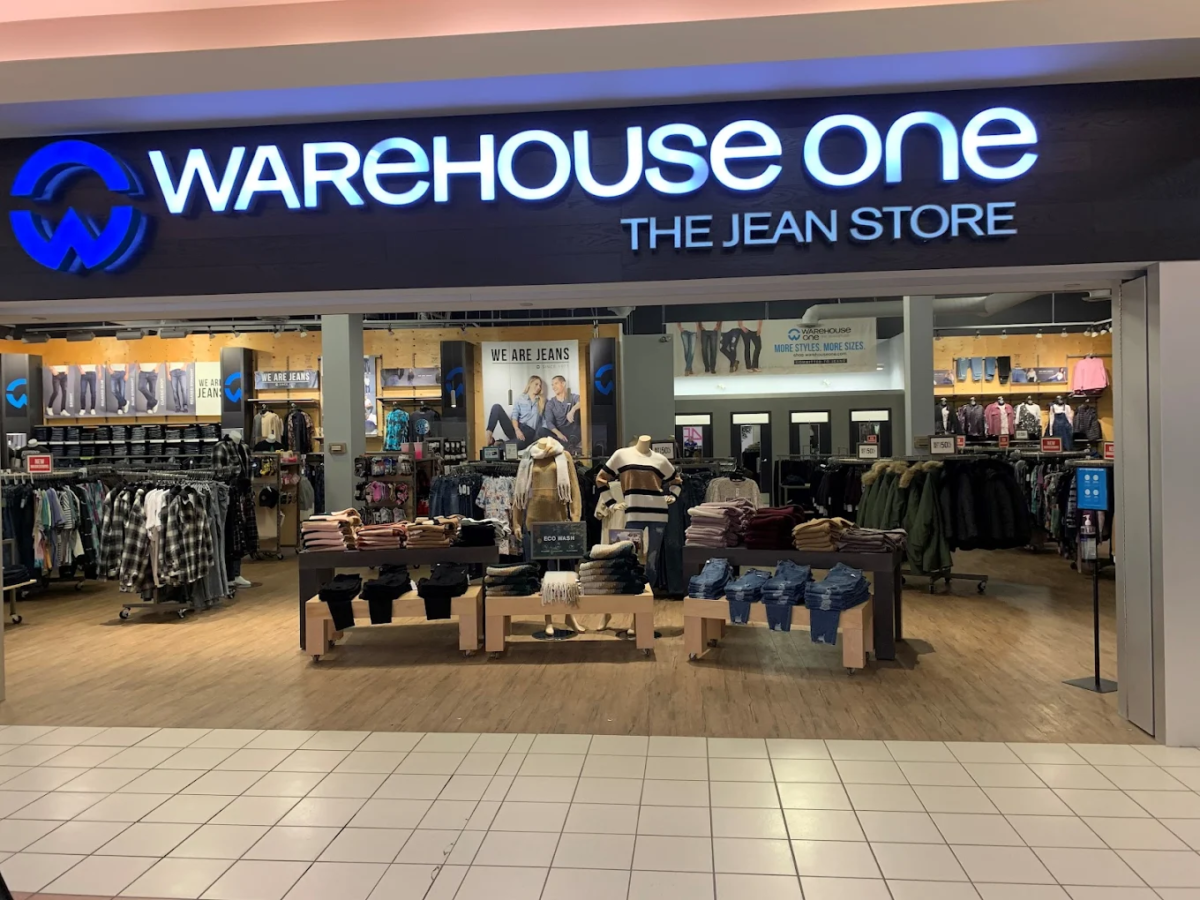
Warehouse One stores are much smaller and more geographically dispersed.
Many locations occupy inline mall space or modest suburban retail units where repositioning strategies may be less transformative and more dependent on finding replacement tenants within already-softening apparel categories.
The closures may also affect neighbouring tenants indirectly if reduced traffic impacts smaller shopping centres.
Co-Tenancy Concerns Could Emerge
In some regional malls, the loss of multiple apparel tenants can create broader leasing complications.
Certain retailers negotiate co-tenancy provisions within leases that allow for rent reductions or, in some cases, lease termination rights if occupancy thresholds or key tenant mixes deteriorate.
It remains unclear whether any specific centres affected by the Warehouse One liquidation could face those issues. However, the disappearance of another national apparel chain may create additional leasing pressure for some smaller enclosed malls already navigating elevated vacancy levels.
The risk is particularly relevant in tertiary markets where there are fewer replacement fashion retailers actively expanding.
Canadian Apparel Retail Continues to Shrink
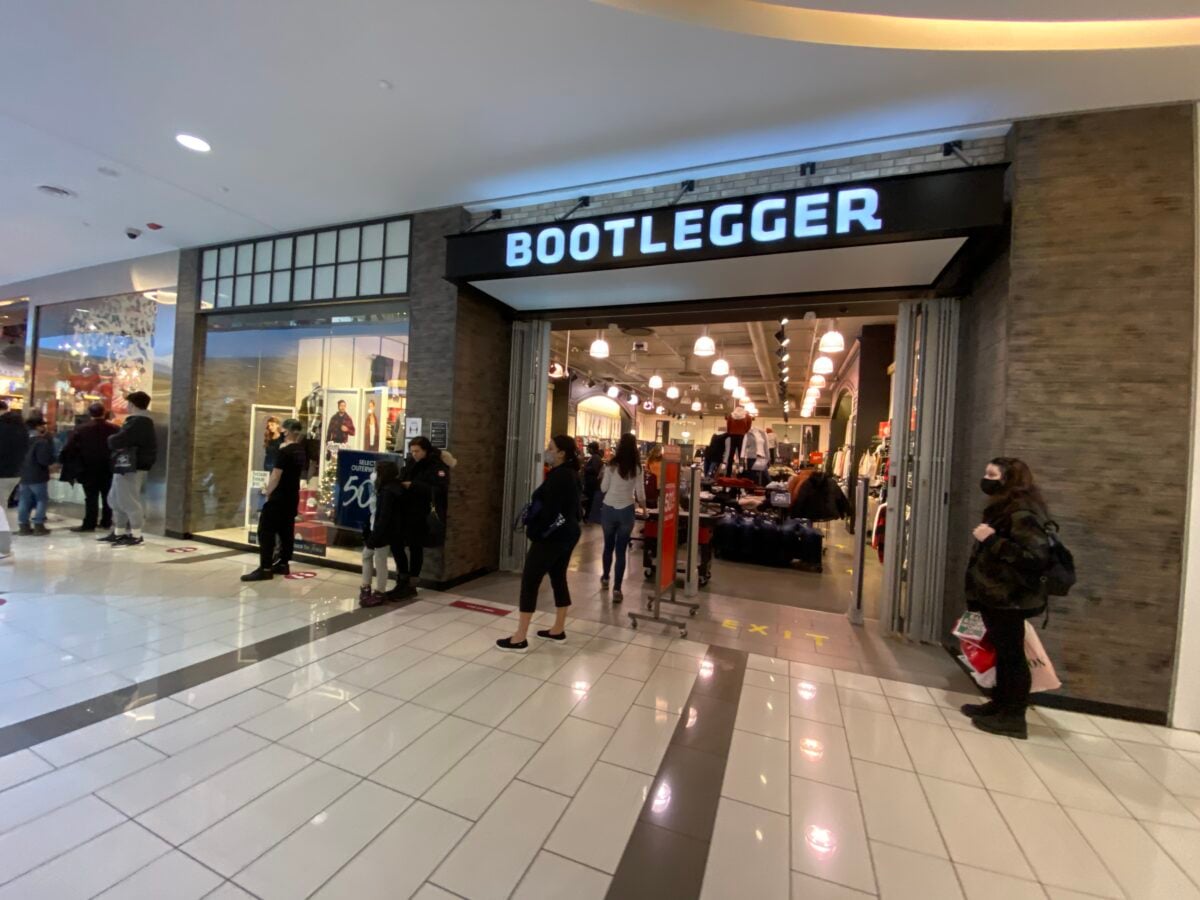
The liquidation also reinforces a broader transformation underway within Canadian apparel retail.
Over the past decade, Canada has seen the collapse, restructuring, or retrenchment of multiple apparel operators including Le Château, Jacob, Smart Set, several Comark-owned banners, and numerous specialty fashion chains.
At the same time, retail investment has increasingly concentrated in luxury-oriented urban retail, open-air power centres, mixed-use projects, discount retail formats, and experiential shopping environments.
Meanwhile, middle-market mall apparel chains have faced mounting competition from online retailers and ultra-low-cost fashion platforms such as SHEIN and Temu.
Court filings tied to the Warehouse One CCAA proceedings specifically cite “consumer uptake of ultra low cost fashion retailers and other online competition” as contributing factors in the company’s insolvency.
The result is another wave of apparel vacancies arriving at shopping centres across Canada, particularly in markets where replacement options may be increasingly limited.