A new industry report, by Gradient, suggests global spirits makers are shifting away from traditional advertising and toward immersive, experience-led marketing as they contend with declining consumption and changing consumer habits.
The 2026 “I.M.P.A.C.T. Spirits Edition”, based on interviews with executives from major companies including Diageo, Pernod Ricard and Moët Hennessy, along with a survey of more than 100 North American marketers, argues that brands are no longer competing for shelf space, but for “memory space.”
The report finds that while overall alcohol consumption is under pressure — driven by wellness trends, the rise of non-alcoholic alternatives and shifting Gen Z behaviours — consumers are demanding more meaningful, higher-quality experiences when they do drink.
Despite 81 per cent of marketers saying experiential marketing should be integrated early in campaign planning, only 25 per cent currently do so, highlighting a gap between strategy and execution.
It also points to a growing emphasis on on-premise environments such as bars, events and cultural gatherings as primary drivers of brand discovery, with experiences increasingly designed to generate shareable content and long-term customer relationships.
The report concludes that brands investing in cultural relevance, participation and first-party data will be best positioned to grow in a contracting but still highly competitive market.
In an interview with Retail Insider, Pauline Oudin, CEO of Gradient, discusses the report.
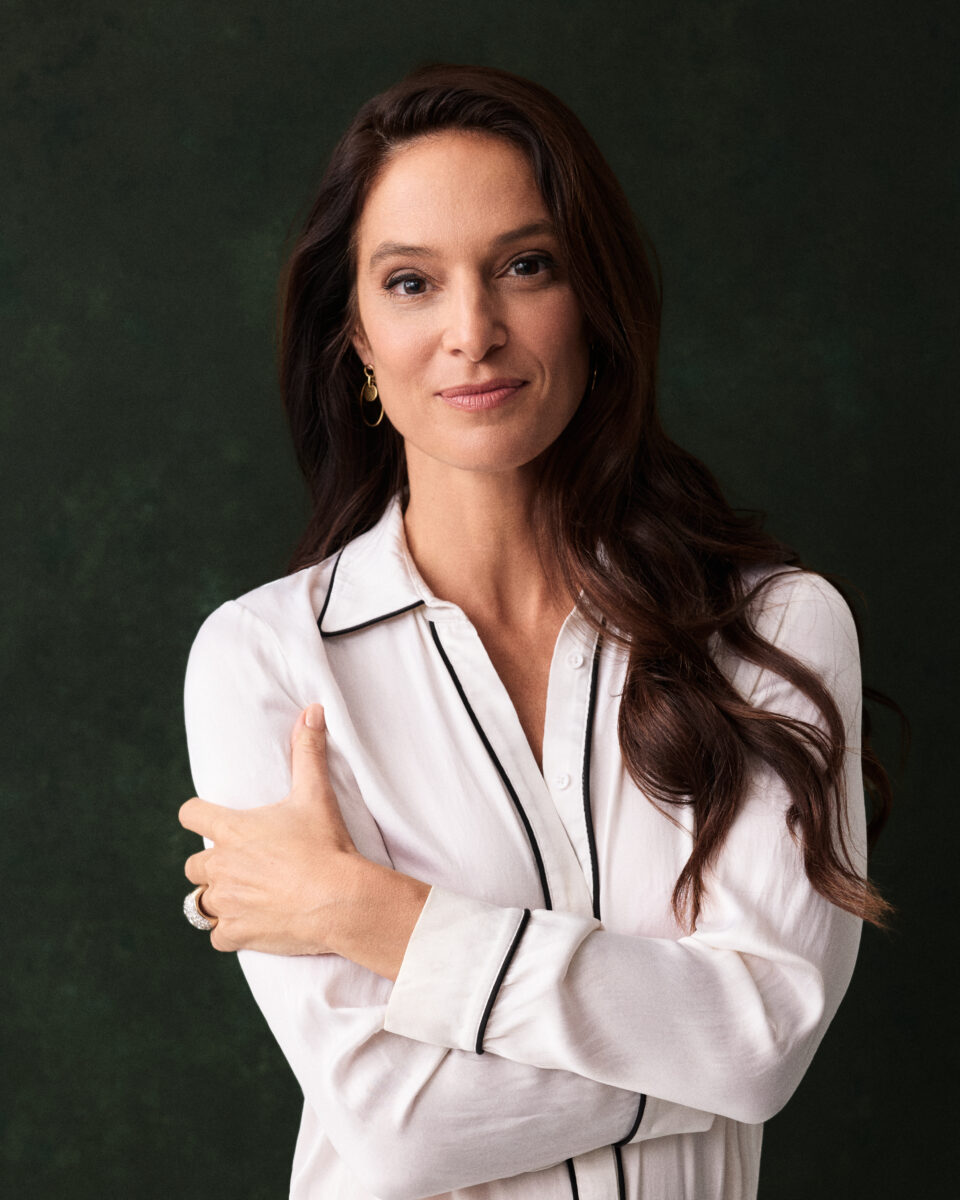
Question: What are the biggest shifts currently reshaping marketing strategy in the spirits industry across North America?
Answer: Category volume is declining, but relevance is still very much up for grabs. Three structural tensions define where we are right now: shrinking consumption versus expanding opportunity, heritage versus cultural agility, and passive consumption versus active participation.
Wellness culture, lo-no alternatives, THC, appetite suppressants, tighter consumer budgets. These aren’t just headwinds. They’re signals worth paying attention to. Consumers who are drinking less expect more from every sip: more meaning, more quality, more intention behind the choice.
And yet, spirits and wine marketers are clearly reading the room. Nearly nine in 10 say their experiential budgets have grown over the past three years, with 38% describing that growth as significant. The fight for shelf space is already over. Now it’s about memory space.
Q: Based on your interviews with major global brands, how are spirits companies adapting to changing consumer behaviour, particularly among younger demographics?
A: Gen Z isn’t abstaining, they’re just drinking differently. RTDs, occasion-led choices, pre-organized social experiences. Millennials are pulling back on frequency, while Gen Z is rethinking format and ritual altogether. Both cohorts are more choiceful than any generation before them, and that changes everything. What wins now is an experience that earns a place in someone’s plans, not just their glass. Brands at Diageo, Moët Hennessy, and William Grant are designing for gathering occasions, not just drinking occasions. Only 11% of spirits marketers surveyed currently define experiential as encompassing the full consumer journey, which means most are still meeting the choiceful consumer halfway. That’s the whole shift, and it’s a meaningful one.
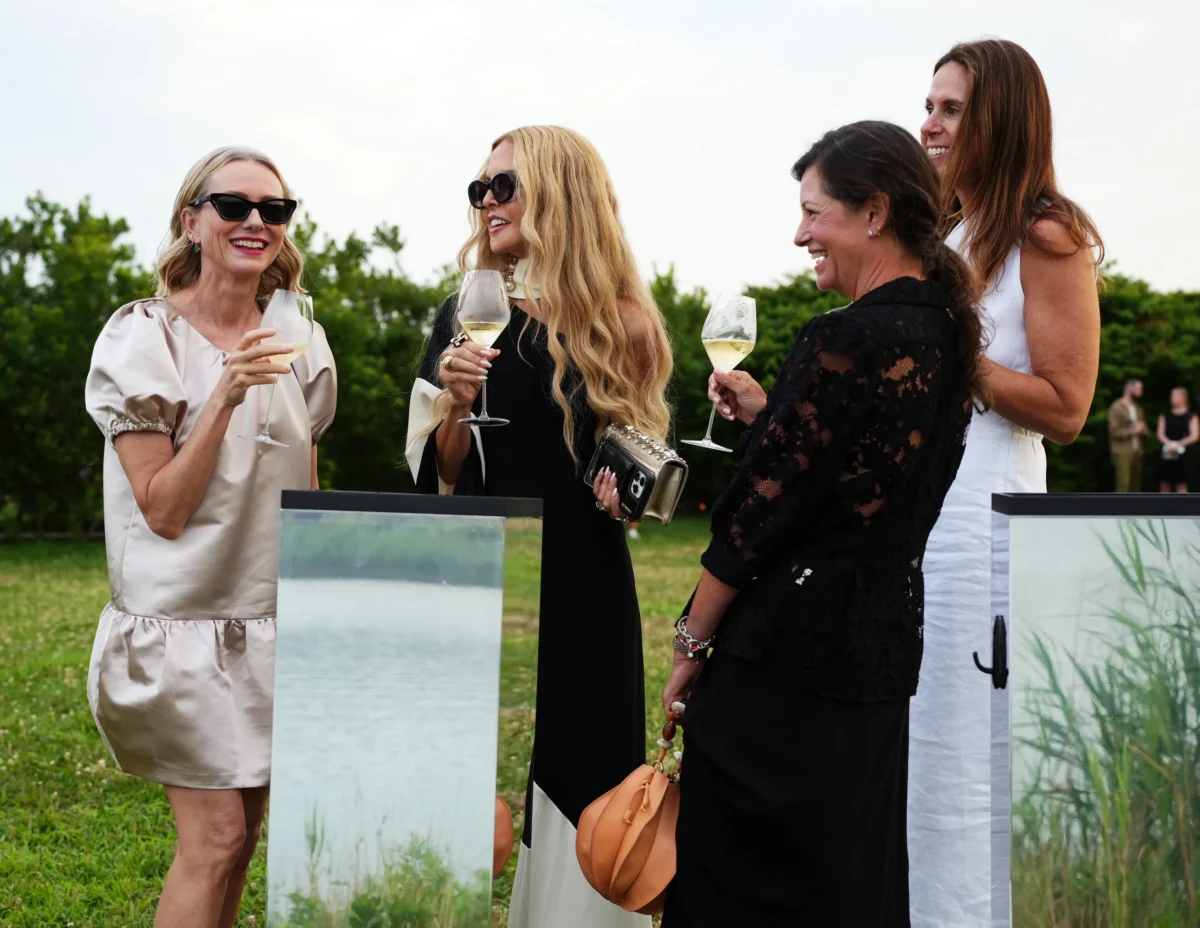
Q: What role do luxury positioning and premiumization play in growth strategies for companies like Diageo, Moët Hennessy LVMH, and Pernod Ricard?
A: “Less but better” isn’t a threat to spirits, it’s a mandate to elevate. Luxury consumers are trading frequency for significance: pinnacle releases, personalized buying flows, halo activations that build desire up and down the portfolio. Edrington’s Vault strategy tracked 24 billion in reach, but the real ROI was equity and desirability cascading through every tier.
Heritage storytelling (Louis XIII, The Macallan) functions as both cultural permission and status signal. CRM data capture has become the top measurement priority for 61% of spirits marketers, a sign that the category understands high-value consumer relationships now matter more than high-volume moments. Premium tier growth isn’t about convincing people to spend more. It’s about becoming genuinely worth more to them.
Q: Were there any surprising findings or points of consensus that emerged from your research with more than 100 marketing professionals?
A: Two findings cut straight against what the category assumes. First, product trial and sampling ranks dead last as a primary objective for brand experiences, despite being spirits’ most iconic tactic. Relationship-building tops the list instead. The glass on the table still belongs in the experience, it’s just no longer the point of it. Second, 84% of respondents describe themselves as satisfied with their ability to measure experiential ROI, yet measurability (60%) and proving ROI (53%) still rank as their top two challenges. That’s not confidence, that’s familiarity. Most are measuring what’s easiest to capture, not what actually moves the business.
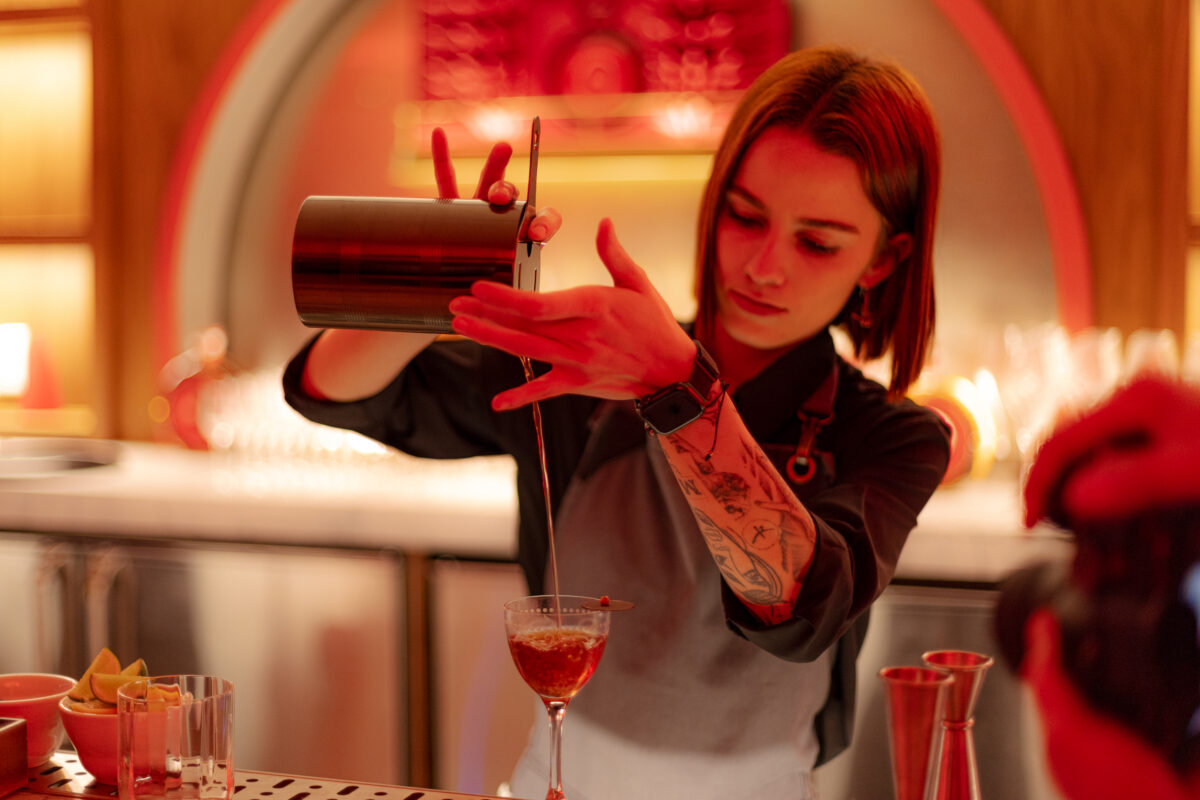
Q: How do you see the future of spirits marketing evolving over the next three to five years, especially as digital engagement and cultural trends continue to shift?
A: The brands that lead the next chapter will be competing for cultural territory: music, culinary, hospitality, sport, ritual spaces, not just category share. On-premise becomes the primary media channel, with brands being built there rather than in liquor stores. Experience gets designed first, and the campaign follows, not the other way around. The gap between aspiration and architecture is closing fast, and the brands best positioned to close it aren’t necessarily the ones with the biggest budgets. Internal cross-collaboration is currently the single biggest barrier, cited by 56% of respondents, ahead of budget, measurement, and every external challenge on the list. The ones that close the gap will be collapsing those silos, recalibrating measurement systems, and integrating experiential before the big idea is already baked. In spirits, experiential stopped being a tactic a while ago. It’s now the last defensible moat.
More from Retail Insider: