Canadian consumers are showing an unexpected rebound in spending intentions heading into the second half of 2026, with 57 per cent of respondents to a new Stifel Canada survey expecting to increase discretionary spending over the next year.
That is up from 52 per cent in April and represents the second-highest reading in three years, according to Stifel‘s latest quarterly consumer survey.
More surprisingly, much of the improvement came from Canadians earning less than $75,000 annually, despite continued pressure on household budgets and concerns around inflation.
Among lower-income respondents, 56 per cent expect to increase discretionary spending over the coming year, the second-highest reading for the cohort in three years. Spending intentions among respondents earning more than $75,000 have remained comparatively stable across the past three surveys.
The findings come from a proprietary Stifel survey conducted among 300 Canadians aged 18 and older. Stifel said it believes respondents fairly represent Canadian demographics across age, gender, geography and household income, and that the survey has historically provided a useful indication of upcoming financial performance among companies under its coverage.
The results were included in a July 5 industry report led by Stifel Managing Director Martin Landry.

The survey measures stated intentions, not actual retail sales, making it a forward-looking gauge of sentiment and planned spending behaviour.
Stifel said the rebound was difficult to explain given the inflationary pressure facing lower-income households. The firm raised the possibility that enthusiasm surrounding the World Cup provided a near-term confidence boost, while making clear that it had limited explanation for the shift.
Taken together, the findings point to a consumer who may be more willing to spend while remaining highly selective about where that money goes. Apparel intentions have improved, dollar-store spending plans are near survey highs and pet spending remains resilient. Furniture demand is weakening, while travel consumers are showing greater sensitivity to price.
Apparel Spending Rebounds After Weak Start to 2026
Clothing and apparel emerged as one of the stronger areas in the July survey following weaker readings earlier in the year.
Half of respondents said they expect to increase spending on clothing and apparel over the next 12 months, up five percentage points from April and in line with the survey’s historical average. Stifel also noted that the gap between respondents most likely to increase spending and those least likely to do so reached its strongest level since the survey began.
The demographic mix behind the rebound is particularly relevant for fashion retailers targeting younger and more affluent shoppers.
Among female respondents, 43 per cent expect to increase apparel spending, up nine percentage points from April. Young shoppers and higher-income respondents each recorded seven-percentage-point sequential increases in spending intentions.
Stifel viewed the results as positive for Aritzia and Groupe Dynamite, two Canadian fashion companies with strong exposure to younger consumers and other key growth demographics.
The findings do not indicate a uniform recovery across fashion retail. They do suggest that some consumers who became more cautious earlier in 2026 may be showing a renewed willingness to spend on clothing.

Dollar Stores Gain as Consumers Remain Focused on Value
Dollar stores produced one of the strongest readings in the survey.
Seventy-five per cent of respondents expect to increase spending at dollar stores over the next 12 months, up seven percentage points from April and four points above the average of the previous 11 surveys. It was the second-highest reading across the 12 survey periods shown by Stifel.
The strength was broad, though particularly pronounced among men and younger consumers. Seventy-nine per cent of male respondents expect to increase dollar-store spending, while 78 per cent of younger shoppers said the same.
Stifel characterized the findings as positive for Dollarama.
The numbers complicate any simple narrative of a consumer recovery. Canadians may be prepared to spend more without abandoning the value-seeking behaviour that has shaped purchasing decisions through several years of elevated living costs. Stronger discretionary intentions do not necessarily imply a retreat from price sensitivity.
Stronger consumer confidence and higher dollar-store spending can therefore exist at the same time. Households may be increasing overall spending while continuing to scrutinize prices and seek lower-cost options in categories where they see limited reason to pay more.
Powersports Intentions Return to Historical Levels
Spending intentions also improved in powersports. Stifel found that 7.7 per cent of respondents were “very likely” to purchase or upgrade a powersports vehicle over the next 12 months, up 2.7 percentage points from April. The increase was the largest across the past four surveys and brought the latest reading back in line with the five-year historical average of 7.6 per cent.
The improvement was driven primarily by lower-income respondents, women and consumers aged 18 to 54.
Stifel viewed the findings as favourable for BRP, while noting that the rebound was not materially above historical norms.

Furniture Intentions Fall to Lowest Level in Eight Surveys
The picture is considerably weaker in furniture and appliances. Only 47 per cent of respondents indicated stronger furniture purchase intentions over the next 12 months, down approximately six percentage points from April and representing the lowest reading in the past eight surveys. The decline was broad-based across demographic groups.
Older consumers showed particularly pronounced weakness. Among respondents aged 55 and older, just 28 per cent expect to increase spending, down 10 percentage points from the previous survey.
Stifel viewed the results as negative for Leon’s Furniture, though its retailer-level findings show a more complicated competitive picture within the category.
According to the survey, 14 per cent of respondents expect to purchase their next piece of furniture from either Leon’s or The Brick. That combined figure was slightly higher than in Stifel’s July 2025 survey. The firm said Leon’s appears to be gaining market share, with purchase intentions up four percentage points year over year, partly offset by a three-point decline for The Brick.
The survey also highlights shifting competitive dynamics in furniture retail.
When respondents were asked where they intended to purchase their next piece of furniture, IKEA ranked first at 19 per cent, followed by Amazon and Costco at 11 per cent each. Walmart stood at 10 per cent, Leon’s at nine per cent, Wayfair at six per cent and The Brick at five per cent.
Stifel noted the continued rise of Amazon as a furniture destination and a decline in intentions to purchase from Wayfair.
For retailers, the findings point to pressure from weak category demand and a changing competitive set. Consumers considering major home purchases are also looking beyond traditional furniture chains to mass merchants, marketplaces and warehouse clubs.
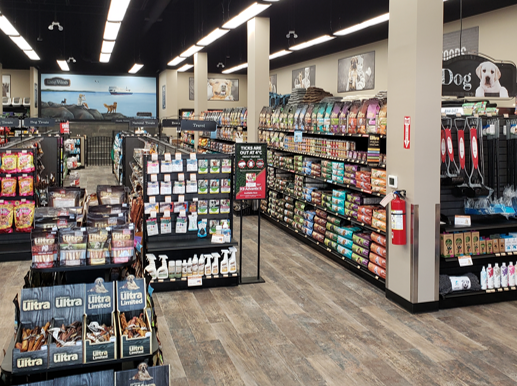
Pet Spending Remains Resilient
Pet food and accessories continue to stand out as a comparatively resilient area of household spending.
The survey found that 72 per cent of respondents expect to increase spending on pet food and pet accessories over the coming year, up one percentage point from April and slightly above the three-year average of 71 per cent.
The figure marked a modest rebound after four consecutive declines in the survey measure. Stifel said the improvement was driven mainly by female and lower-income respondents, with Ontario also showing a notable increase in spending intentions. The firm viewed the Ontario result as potentially positive for Pet Valu, given the retailer’s strong exposure to the province.
The contrast with furniture is notable. Consumers may be delaying large, deferrable purchases for the home while continuing to spend in recurring categories tied to pets.
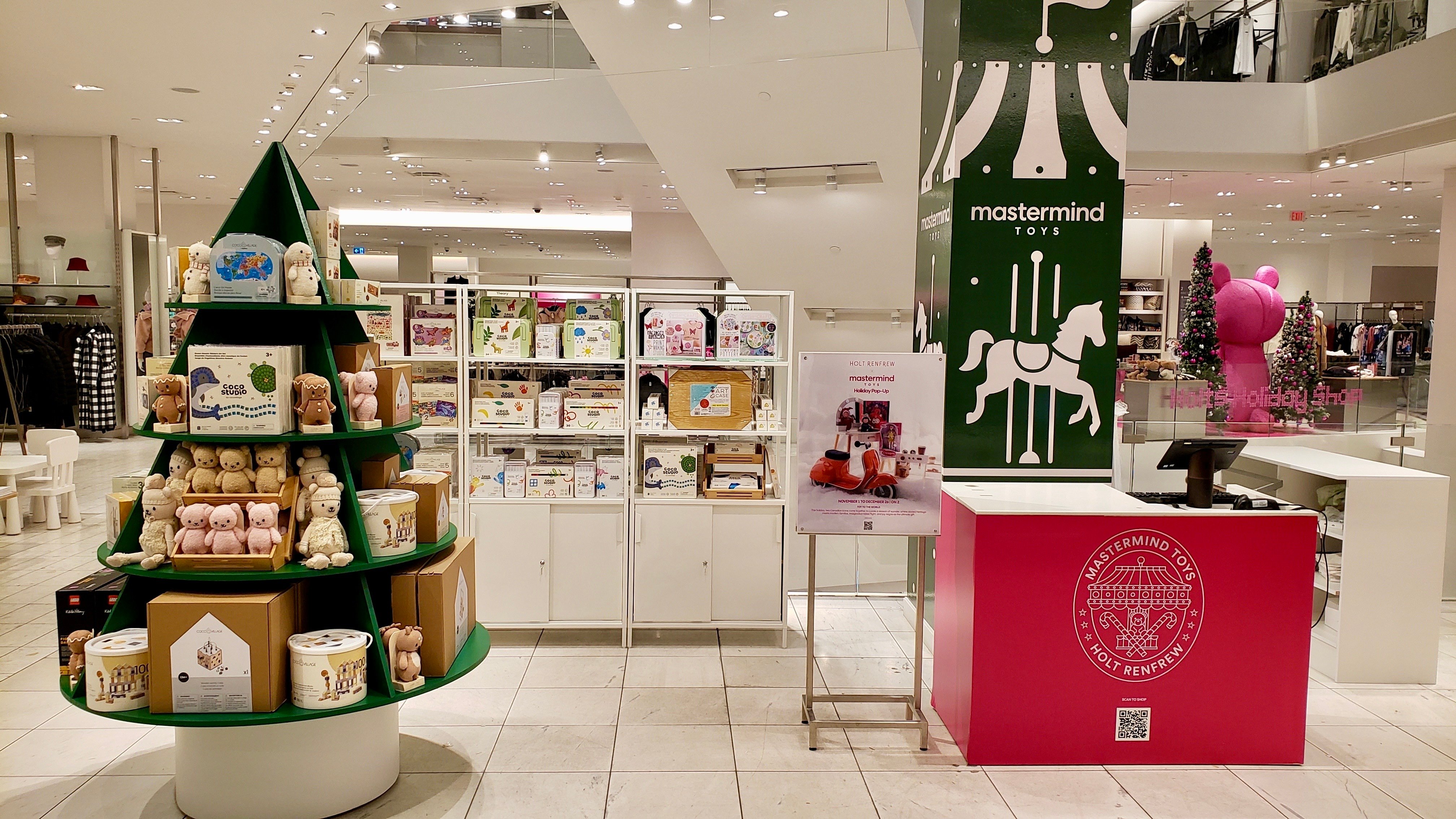
Toy Spending Holds Near Historical Levels
Toy spending was comparatively stable. Fifty-four per cent of respondents who purchase toys for children expect to increase spending over the next 12 months, down slightly from April and broadly in line with the historical average of 55 per cent across the previous 12 quarters cited by Stifel.
The firm said demographic changes were too modest to indicate a meaningful shift in spending patterns and viewed the findings as neutral for Spin Master.
Younger Consumers Stand Out in Restaurant Spending
Quick-service restaurant spending showed one of the sharpest demographic divides in the survey.
Overall, the category remained soft, with 49 per cent of respondents expecting to increase QSR spending and 51 per cent expecting to reduce it.
Among respondents aged 18 to 34, however, 69 per cent expect to spend more. The figure was 58 per cent among men and 54 per cent among higher-income consumers.
Stifel viewed the youth result as slightly positive for Happy Belly Food Group, which targets a younger demographic through its growing restaurant portfolio.
The split underscores how strongly age and customer mix can shape restaurant performance. Younger adults appear considerably more inclined to increase QSR spending even as the broader population remains cautious.
Air Travel Demand Holds Up, but Price Sensitivity Grows
Travel produced another mixed result. Fifty-four per cent of respondents said they were likely to fly for their next vacation over the coming 12 months, a slight increase from April but down roughly three percentage points year over year. Stifel characterized air travel demand as broadly stable despite global uncertainty and recent pressure from higher fuel prices and airfares.
At the same time, the survey found a notable increase in price sensitivity.
Fifty-one per cent said airfare costs had led them to downsize travel plans or decide not to travel, up from 46 per cent in April and 43 per cent a year earlier.
The shift was particularly pronounced among respondents earning more than $75,000 annually. Stifel said 21 per cent of that group reported deciding not to travel because of airfare costs, more than double the nine per cent recorded in April.
Higher-income consumers are clearly not immune to price resistance. Demand for travel may remain intact, but consumers appear increasingly willing to alter plans when prices move beyond what they consider acceptable.
A More Confident Consumer, but an Uneven Recovery
Taken together, Stifel’s July findings point to a Canadian consumer who may be regaining some confidence heading into the second half of 2026 while continuing to make sharp distinctions between categories.
Of the eight spending areas monitored in the report, six recorded higher intentions sequentially and two declined. Stifel viewed the findings as positive for companies including Aritzia, Groupe Dynamite, Dollarama, BRP, Air Canada, Pet Valu and Happy Belly, while the results were mixed for Leon’s Furniture and Spin Master.
The broader retail message may be more important than any individual company call.
Consumers are showing stronger intentions in apparel, remain highly active in dollar stores and continue prioritizing pets. Younger Canadians stand out in quick-service restaurants, while powersports intentions have returned to historical levels. Furniture demand is weakening, and travel consumers are pushing back more aggressively when prices rise.
That combination suggests the second half of 2026 may bring an improvement in consumer spending without producing a uniform retail recovery.
For retailers, the findings point to opportunity without complacency. Canadians may be showing greater willingness to spend, but value remains central and category differences are widening. The second half of 2026 could bring stronger consumer activity without delivering a broad-based recovery across retail.