Wholesale marketplace Faire says independent retailers are continuing to expand despite economic pressures, with growth strongest in smaller communities, according to the company’s inaugural Independent Retail Report.
The report, based on data from a global panel of independent retailers and wholesale activity on Faire’s platform, found physical stores are growing faster than online-only businesses. It also concluded that retailers in smaller cities and towns are outpacing those in major metropolitan centres and are identifying emerging consumer trends before they become mainstream.
Faire said the report draws on a decade of wholesale relationships through its platform, which the company says provides a dataset that has not previously been available for the independent retail sector. The company said it plans to use the information to regularly track changes in retailers’ sourcing strategies and consumer buying patterns.
Independent retailers account for more than half of all retail locations across every U.S. state and 65 per cent of retail locations in the United Kingdom, according to the report.


“Inventory decisions are independent retailers’ biggest cost, but they’re also the expression of their biggest advantage: taste,” said Jennifer Burke, Chief Revenue Officer at Faire. “This report shows that even amid economic headwinds, independent retailers are proving remarkably resilient. Instead of retreating into pure cost optimization, these businesses strike a savvy balance and continue to offer their customers the best-of-the-best.”
The report found independent retail growth has been concentrated outside major metropolitan areas. In the United States, Faire said growth has been strongest in Sun Belt communities, including Augusta, Ga., and Norman, Okla., reflecting population shifts. It also attributed the trend to Gen Z consumers’ preference for shopping in person and increased travel to smaller historic destinations, including Sturgeon Bay, Wis., and Williamsburg, Va.
The company reported similar patterns in other countries. In the United Kingdom, Hereford and Lyme Regis recorded the highest proportion of growing retailers among the 58 cities measured, with 90 per cent of retailers expanding compared with 58 per cent in London. Faire said regional centres also outperformed major metropolitan markets in Canada, Australia and France.
The report also examined how retailers adjusted sourcing decisions following tariffs.
Faire said tariffs prompted U.S. retailers to increase purchases from domestic brands while continuing to buy selected imported products. Among the imported product categories recording growth were Italian leather accessories, up 571 per cent; Finnish bat and bee houses, up 423 per cent; Irish artisanal chocolates, up 233 per cent; and Moroccan woven bags, up 214 per cent.
In Canada, the report said retailers sharply reduced purchases from U.S. brands when tariffs took effect in 2025. It said spending on U.S. brands has since shown early signs of recovery in 2026, with the U.S. share of same-store spending increasing 1.7 percentage points year over year. Faire said Canadian retailers primarily increased purchases from established U.S. brands with strong consumer recognition and loyalty.
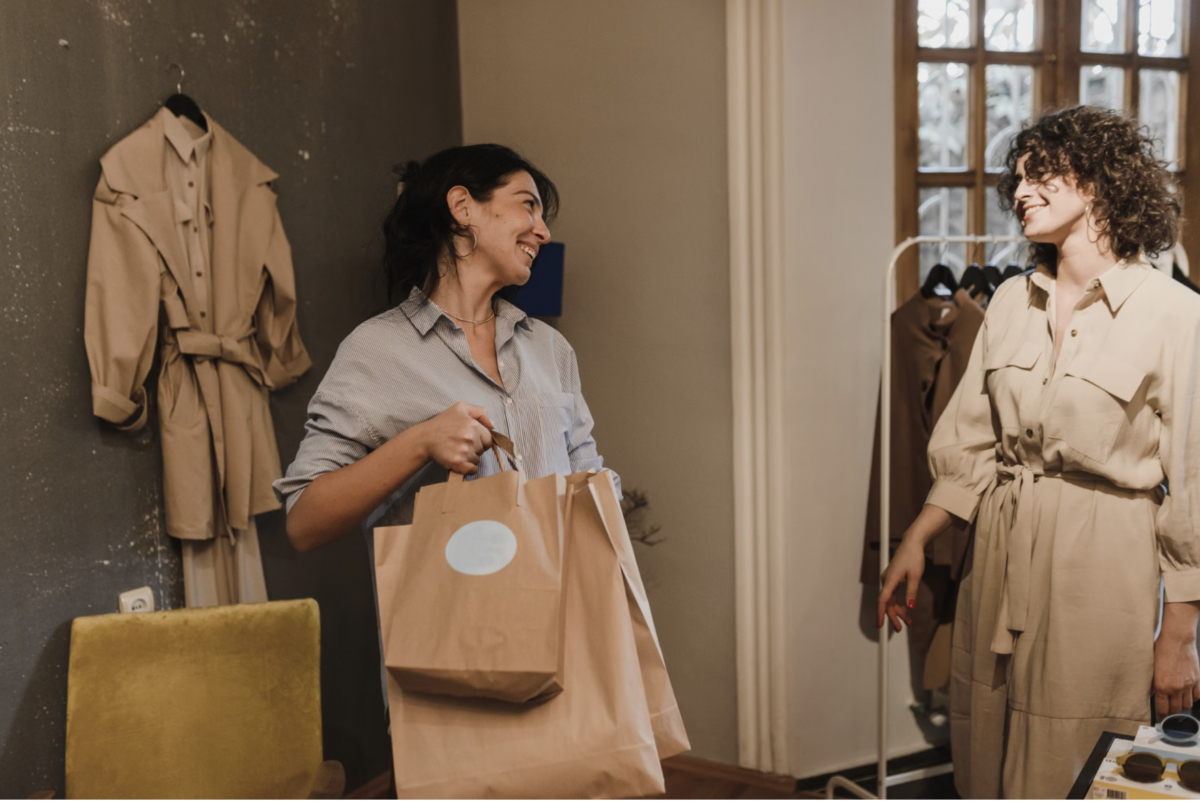
The report also found independent retailers were often early adopters of emerging product trends.
According to Faire, searches on its platform for “squishy” toys increased about six weeks before the products received broader attention in mainstream media. The company said it observed similar patterns for Mahjong sets and Dubai chocolate.
Faire also introduced the concept of “Scouts” in the report, describing them as established, high-volume retailers that are consistently among the first to place orders with new and unproven brands. The company said those retailers play an important role in identifying new products before they become more widely available.
More from Retail Insider: