

New research from the Canadian Federation of Independent Business (CFIB) reveals that the jobs most commonly filled by Temporary Foreign Workers (TFWs) are exactly the ones young Canadians are least willing to take.
The CFIB said nearly half of youth said they wouldn’t look for jobs that require regular overnight shifts or jobs that require frequent and heavy physical effort. More than a third are unwilling to look for jobs that are mainly outdoors and exposed to weather conditions, or jobs that pay at or near minimum wage.
Many small businesses that rely on TFWs involve jobs with these exact characteristics to keep their doors open, highlighting a labour mismatch in Canada, said Canada’s largest association of small and medium-sized businesses with 103,000 members across every industry and region.
“The Temporary Foreign Worker Program has become a convenient scapegoat for a tighter job market for Canadian youth, but the argument just doesn’t hold up. Canada’s youth are not looking for overnight kitchen shifts or work in rural and remote communities,” said Dan Kelly, CFIB president. “Cutting the program doesn’t hand jobs to youth, it creates staffing crises and puts even more Canadian jobs in jeopardy.”
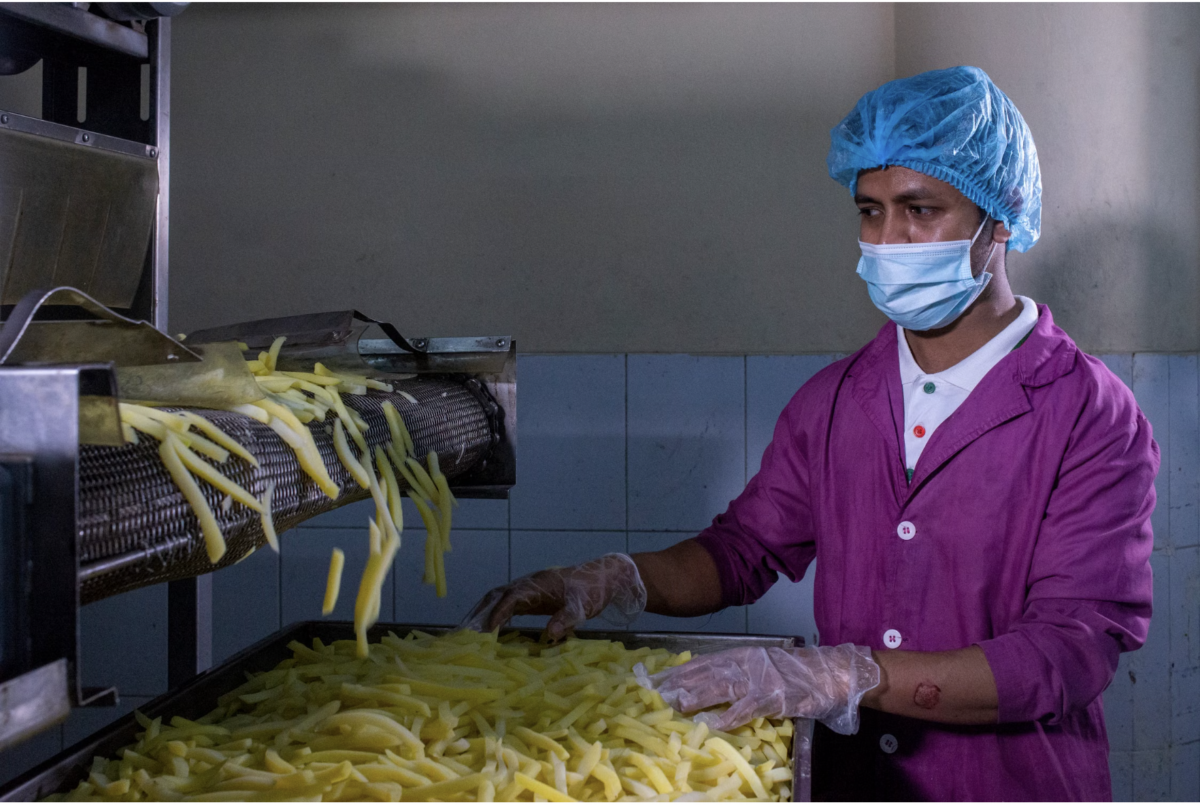
The CFIB said harvesting labourers alone account for nearly a third (32%) of all temporary foreign worker positions in Canada, work that’s physically demanding, outdoor and seasonal. The other top jobs filled by TFWs – many of which involve irregular hours, seasonal work or rural locations – are nursery and greenhouse labourers, food service supervisors, cooks, and livestock labourers. Nine in 10 small businesses relying on the TFW program say they cannot fill those positions with local employees, it explained.
Even when youth are open to certain roles, most want to stay close to home. Only 19% would relocate to a different city or town for a service-sector job, just 8% would move to a small town or rural community, and only 3% would consider a remote or isolated community, noted the new research.
“There’s no lineup of young people from urban areas applying for a 5 a.m. bakery shift in rural Saskatchewan. Pretending otherwise and limiting access to labour doesn’t get those jobs done,” said Molly MacCormack, CFIB policy analyst. “High youth unemployment does not guarantee a readily available local workforce. It’s time to recognize that the TFW program fills critical gaps that, left unfilled, would serve to dry up other jobs for Canadians. Canadian kids may be willing to serve food in a nearby restaurant, but unless there are staff to start early, work late or deal with a hot kitchen, the system breaks down.”
In June, nearly half of rural small businesses (46%) reported a labour shortage, compared to 38% of urban businesses. Although rural businesses face greater staffing pressures, labour shortages still exist in cities, where many businesses struggle to recruit workers for non-standard jobs. More than half (52%) of small firms using the program say the TFWP has helped them stay open and keep employing Canadians. That figure rises to 76% among hospitality businesses, a sector that is a common entry point for young workers, said the CFIB.
To improve the TFWP, CFIB said it is calling on the federal government to introduce occupation-based flexibility within the TFWP by creating a category for consistently hard-to-fill jobs (e.g., overnight, physically demanding, or high-turnover roles), with adjusted caps and wage rules to reflect persistent shortages regardless of location; and, ensure consistent rules nationwide, recognizing its economy-wide impact rather than allowing provincial adoption to shape its implementation.
“The small businesses that rely on the TFW program are the same ones hiring young Canadians whenever they can for front-of-house roles, entry-level positions, and seasonal work. When businesses close, everyone loses, including the young Canadians who work there,” said Bérengère Fouqueray, CFIB research analyst.
More from Retail Insider:












I’ve never understood why 15-17 year olds are included. Sure, I worked at McDonald’s from 16-17 years old, after school and on weekends. But this was for spending money, and my primary occupation was school.
Like this article points out, what 15-17 year old is going to be looking for overnight jobs, or rural jobs?