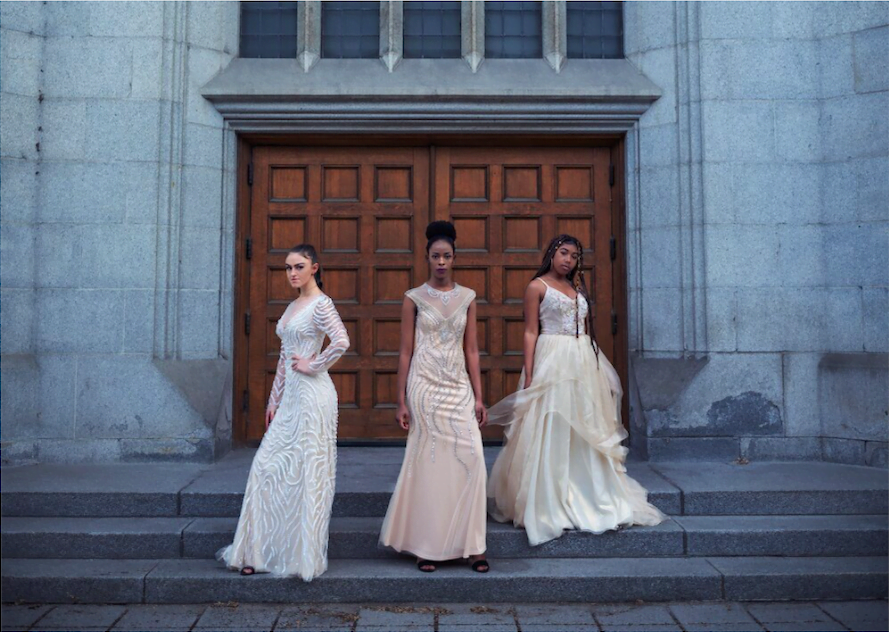
Marilyn Brooks, the influential designer, retailer and mentor who helped reshape Canadian fashion over a career spanning more than four decades, has died at the age of 93 in Toronto.
Brooks died Saturday of natural causes, according to Norma Meneguzzi Spall, a friend and spokesperson for the family.
Her death has prompted tributes to a woman remembered for bringing the energy of London’s mod era to Toronto, creating imaginative boutiques, staging theatrical fashion events and mentoring people who went on to build careers across Canadian fashion and retail.
Brooks was also an important retail entrepreneur. Decades before vertically integrated fashion brands became a major force in global retail, she built a business that combined design, manufacturing, wholesale and her own stores. She understood fashion as both a creative and commercial enterprise and believed shopping should deliver a memorable experience.
“Retail is the closest to show business,” Brooks once wrote when asked for her best retailing tip. “Make the shopper happy and give each person a moment of magic when they shop at your store.”
That philosophy ran through a career that helped change the way fashion was presented and sold in Canada.
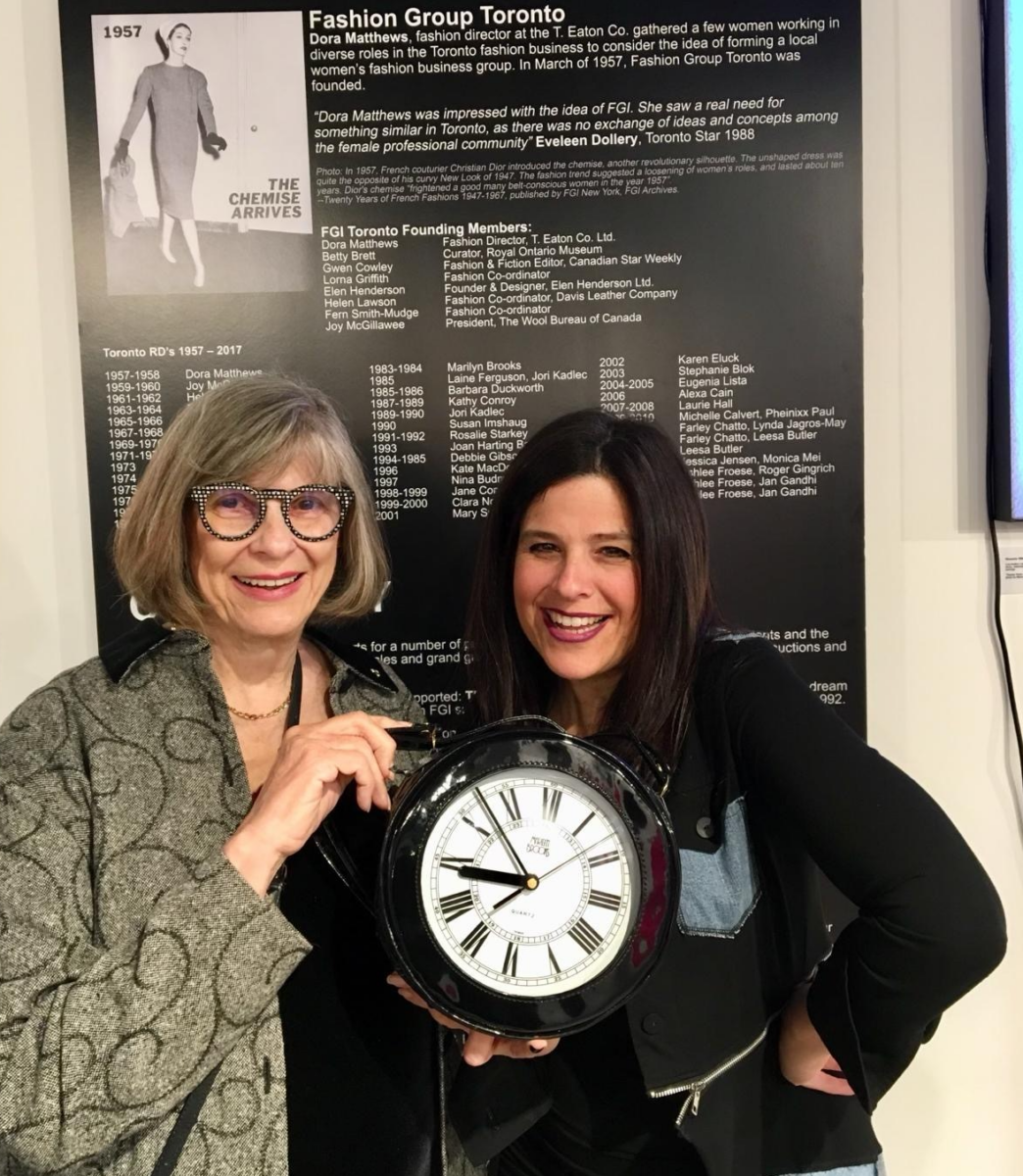
A New Kind of Fashion Store
Born in Albany, New York, and raised in Detroit, Brooks came to Toronto after working in the United States and built her career in a Canadian fashion market still developing its own identity.
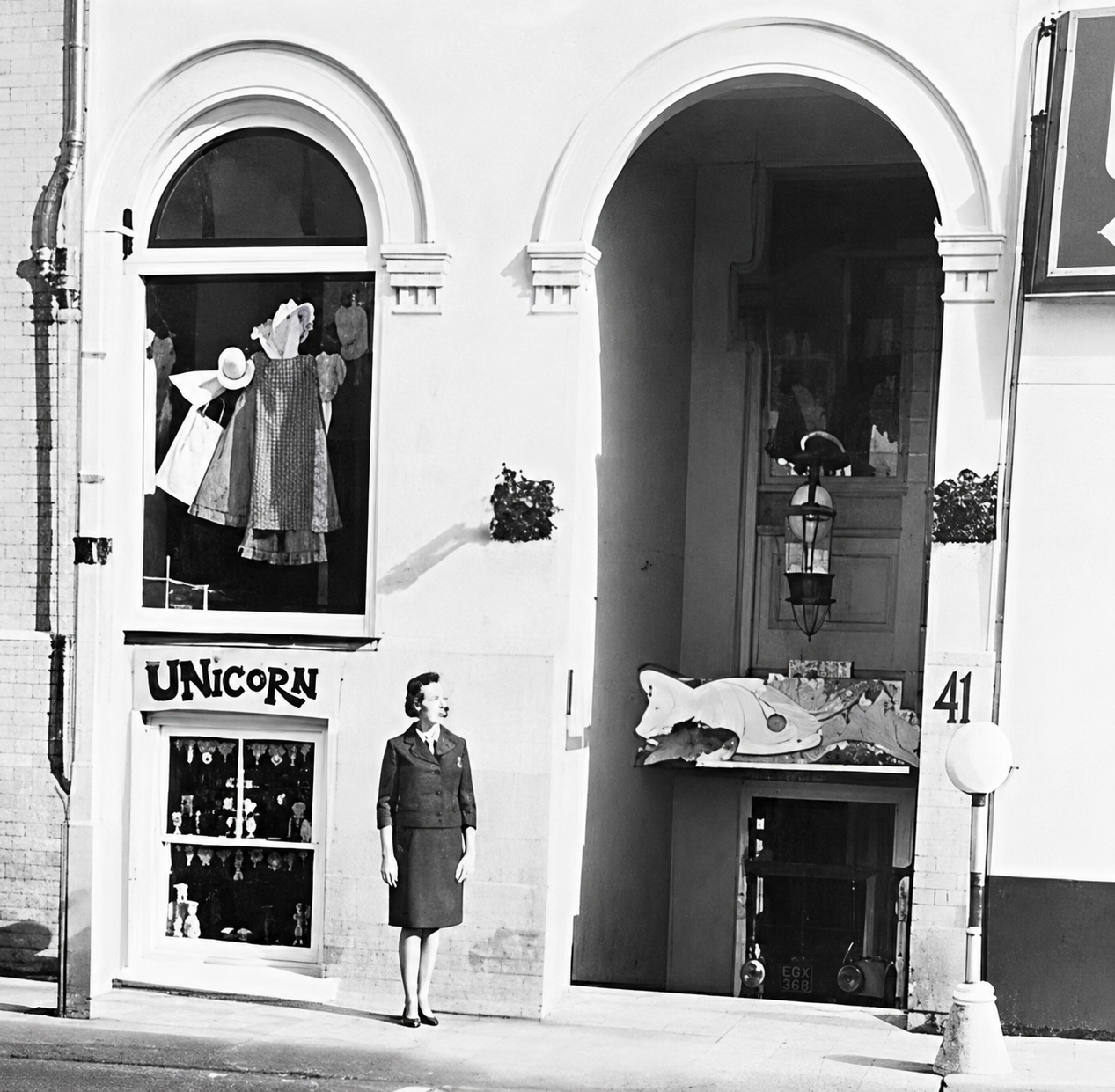
In 1963, she opened The Unicorn on Gerrard Street West with her husband. The boutique became associated with the colourful, polished and provocative mod style emerging from 1960s Britain.
For young Toronto shoppers accustomed to a more conservative retail landscape, The Unicorn offered something different.
Fashion journalist Jeanne Beker told The Canadian Press that she remembered the boutique as the city’s most exciting place to shop when she was a teenager, describing it as a destination for progressive fashion that was otherwise difficult to find in Canada.
The store channelled the energy of London’s Carnaby Street era and reflected a broader idea of fashion as identity, entertainment and cultural participation.
Brooks closed The Unicorn in 1970, but the boutique became an early chapter in a much larger business career.
She went on to develop Marilyn Brooks boutiques and a model spanning several parts of the fashion industry. The official citation accompanying her Order of Canada recognition later credited Brooks with transforming fashion retailing in Canada and described her vertical business model as a game-changer.
Brooks was appointed to the Order of Canada in 2022.
Designing, Making and Selling Under One Roof
Brooks’ significance to Canadian retail came partly from the breadth of the company she built.
Her operation combined the roles of designer, manufacturer, wholesaler and retailer. Brooks created fashion, participated in its production, sold through wholesale channels and operated boutiques of her own.
That integration connected product development with merchandising, store presentation, selling and direct relationships with customers.
Toronto designer and retailer Naomi Shapiro saw the business at close range.
Shapiro, who later built Rock ’N Karma with her sister Devorah, first entered Brooks’ orbit as a young designer and street vendor. A teacher introduced the two when Brooks was looking for ways to bring new energy to parts of her collection.
Shapiro began tie-dyeing and embellishing Brooks’ clothing.
“I took her line of clothing. I tie-dyed it,” Shapiro told Retail Insider, recalling how she worked with knitwear and other pieces to make them more distinctive.
Brooks gave the young designer room to experiment, displayed the work in store windows and brought her into fashion shows.
Shapiro later worked part-time for Brooks while studying fashion, managed her Queen Street store and spent time in the studio doing everything from sewing and pattern drafting to the everyday tasks required inside a working fashion company.
It gave her exposure to the full business.
“In life, you need to know a little bit about everything,” Shapiro remembers Brooks telling her.
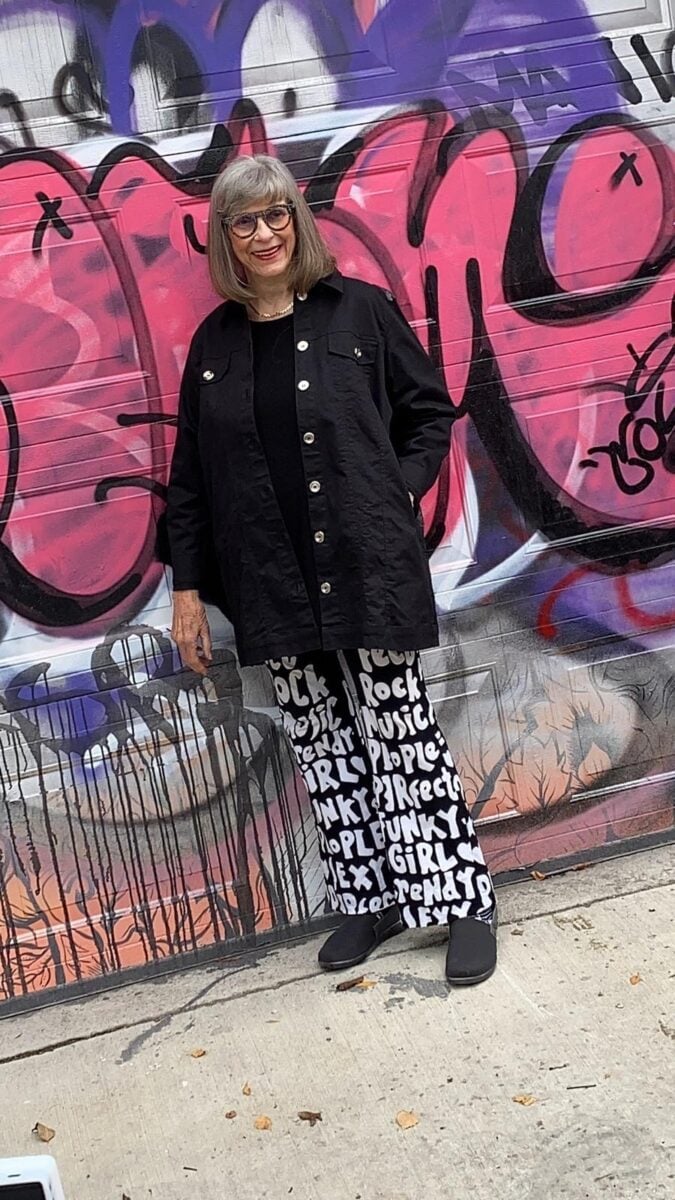
Retail as Show Business
Brooks placed customer emotion at the centre of retail.
Her advice about retail being the closest thing to show business stayed with Crissi Giamos, a long-time Toronto fashion public relations professional who knew Brooks as a mentor.
Before moving into public relations, Giamos managed stores for Town Shoes. She said she repeatedly passed Brooks’ lesson along to her own teams, with one adaptation suited to the business: she changed “show business” to “shoe business.”
Brooks’ original advice urged retailers to give shoppers a memorable moment of happiness, comparing a powerful store experience to a wonderful taste that a person wants to experience again.
For Brooks, spectacle extended far beyond metaphor.
Her fashion presentations became known for theatricality and scale. Historical accounts document large productions drawing audiences in the thousands, with elaborate staging that pushed fashion beyond a conventional runway presentation.
Giamos remembers one Brooks fashion extravaganza in the park along Cumberland Street in Yorkville as a formative moment in Toronto’s fashion community.
“Marilyn also introduced me to the excitement and magic of the fashion runway,” Giamos said. “It wasn’t just a runway show. It was where so many of us who were just beginning our careers met one another, learned from the best, and became part of Toronto’s fashion community.”
The significance of those gatherings became clearer with time.
“Looking back, I realize Marilyn wasn’t just producing fashion shows,” Giamos said. “She was building a community.”
Pushing a Young Designer Out on Her Own
For Shapiro, Brooks’ mentorship was direct, demanding and transformative.
Shapiro worked for Brooks in her early twenties and eventually managed the Queen Street store for about a year and a half. When the location was closing, Brooks allowed her to rent space at the front and sell merchandise she was making herself.
Shapiro later worked in Brooks’ studio. Then Brooks told her it was time to leave.
“Naomi, there is no room for you in this establishment,” Shapiro recalls her saying.
The message came with a larger point. Brooks believed the young designer had gained experience across enough parts of the business to build something herself.
“You should go out on your own and open your own business,” Shapiro remembers Brooks telling her.
Shapiro did. She opened at Queens Quay Terminal and continued along the entrepreneurial path that would eventually lead to the long-running Rock ’N Karma brand.
“She was a great mentor,” Shapiro said. “She was never short of ideas.”
The relationship continued long after Shapiro’s relatively brief period as an employee. The two remained close, attended fashion events together and shared parts of their professional and personal lives.
During Toronto Fashion Week years ago, Shapiro said she would take time off and attend shows with Brooks.
“She was a real dude,” Shapiro said with a laugh.
Brooks could also be intimidating.
“She was a tough cookie, and if you could work for Marilyn, you could work for anybody.”
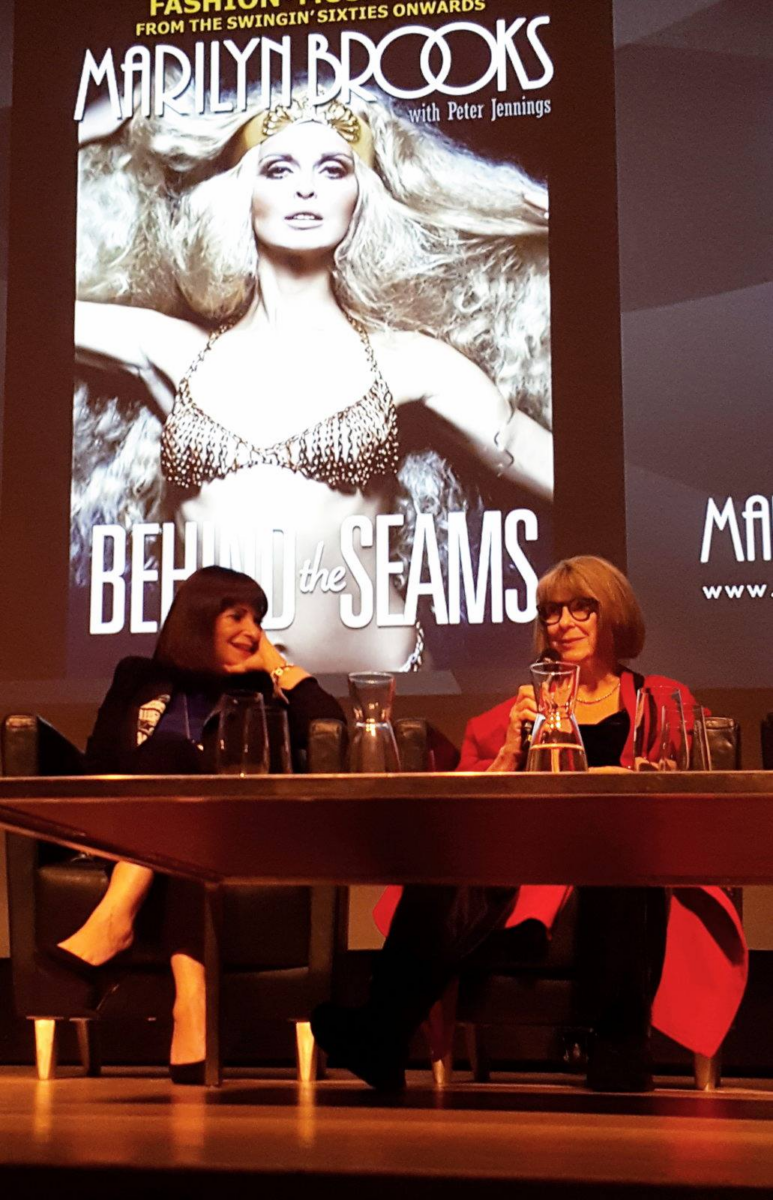
A Designer With a Retailer’s Instinct
Shapiro’s memories reveal Brooks as a demanding commercial operator with a keen understanding of selling.
Brooks cared about how employees presented themselves, how merchandise performed and how teams were motivated. Shapiro remembers that staff were generally not supposed to wear jeans, though she was given more flexibility because of her ability to connect with customers and sell.
“I could sell anything,” Shapiro said. “I was one of her best salespeople she ever had. And that’s not a thought, it’s a fact.”
Brooks also ran sales incentives.
Shapiro remembers competitions in which employees collected different coloured stars for performance in categories such as jewelry sales. Decades later, she still has them.
The details offer a glimpse into a retail culture built around performance, personality and customer engagement.
Brooks could be strict, Shapiro said, while recognizing when a talented salesperson needed room to be herself.
That commercial instinct extended into a broader culture of resourcefulness. Shapiro remembers Brooks finding new purposes for fabric scraps and store fixtures and encouraging people to solve problems creatively without spending heavily.
When one of Brooks’ stores closed, Shapiro bought decorative pillars from the space and continued hauling them to her own exhibition booth at the Canadian National Exhibition for years.
“She always tried to take any scrap of fabric and reuse it,” Shapiro said.
Her conclusion is direct.
“She was well out ahead of her time.”
Building Canada’s Fashion Community
Brooks’ influence reached well beyond her own company.
Historical accounts document her role in bringing Canadian designers together at a time when the industry was still building institutions and a stronger collective identity.
In 1977, Brooks invited a group of Toronto designers to her home to discuss the creation of an organization that could support them collectively. The gathering included figures who would become prominent names in Canadian fashion, and Toronto Ontario Designers was formally launched the following year.
Brooks also contributed to fashion merchandising education, serving for years on an advisory committee connected to Seneca’s program.
That broader record aligns closely with the memories of people she mentored.
Giamos said Brooks believed in emerging talent and created opportunities for younger people to enter the industry, learn and form professional relationships.
“Many of us who met through those early events are still friends and colleagues today,” she said.
Shapiro remembers the same instinct from another perspective.
“She was a real creative person who did her own thing, who inspired other people to do theirs,” she said.
Brooks also played an early role in Linda Evangelista’s modelling career. Historical accounts linked to Brooks describe her spotting the young model while casting for a fashion show, and Brooks’ archives document Evangelista appearing in one of her Toronto runway presentations in the early 1980s.
Her contributions eventually received national recognition. Beyond her Order of Canada appointment, the City of Toronto declared Feb. 4 Marilyn Brooks Day in 1988 in recognition of her impact on fashion and retail.
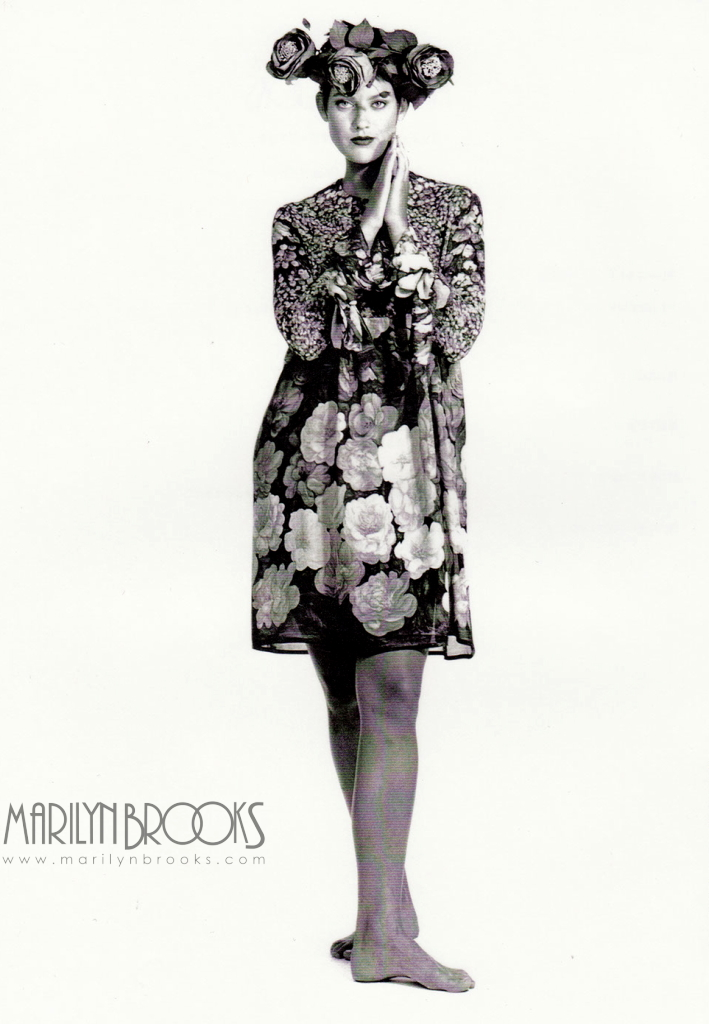
A Legacy Returns to Cumberland Street
One of the most tangible expressions of Brooks’ influence can now be found in Yorkville. Rock ’N Karma operates at 132 Cumberland Street, an address previously occupied by Marilyn Brooks.
The connection runs deeper than a shared storefront. Shapiro says she personally helped Brooks open the store there.
Throughout her own retail career, Shapiro would tell Brooks about each new location. She remembers moving Rock ’N Karma to 789 Queen Street West and driving with Brooks, who delighted in the rhythm of the address.
“Seven eight nine,” Shapiro recalls her saying. “That just rolls off my tongue.”
The two drove together singing along to Queen and David Bowie.
Years later, Shapiro found herself at 132 Cumberland Street, operating her own designer-led retail business from a space once occupied by the woman who had encouraged her to go out and build something of her own.
When Shapiro told Brooks’ husband, Kennedy Coles, and niece Darilyn Coles about the address, she said they were overjoyed.
“To me, that is like it was just meant to be,” Shapiro said.
The connection brings Brooks’ legacy back to a physical storefront.
A young designer entered her world by embellishing clothes, worked in her stores and studio, learned to sell, managed a location and was eventually pushed toward entrepreneurship. Decades later, the business Shapiro built arrived at one of Brooks’ former Yorkville addresses.
Shapiro remembers Brooks as demanding, funny, inventive and relentlessly original.
She recalls once discussing a provocative Katy Perry stage look over brunch at the Hazelton Hotel. Brooks immediately challenged the idea that such fashion was new, directing Shapiro back to what she herself had been doing decades earlier.
For Shapiro, the exchange captured something essential about her mentor.
“She really was the original of originals.”