Online clothing purchases are returned more often than any other product category, with an estimated 60 per cent of garments bought on the internet being returned, according to a June 2026 study commissioned by eyewear brand Overnight Glasses.
The research, based on a survey of 1,882 online shoppers, examined which products consumers return most frequently, the reasons for those returns, how quickly shoppers decide to send items back and how often retailers refuse refund requests. The findings come as consumers return nearly US$1 trillion worth of online purchases annually, according to a news release.
Clothing accounted for 38.3 per cent of all reported online returns in the survey, making it the largest return category by a wide margin. The study estimated that 60 per cent of clothing purchased online is returned, with incorrect sizing or poor fit identified as the primary reason. Most clothing returns occur within one to two weeks of delivery.
Among clothing items, T-shirts and tops had the highest estimated return rate at 72 per cent, while maternity clothing was returned about three out of five times because of changing sizing during pregnancy, according to the report.
Footwear ranked second, representing 13.9 per cent of reported returns. The study estimated that 56 per cent of shoes and boots purchased online are returned, largely because of sizing issues. Fashion shoes recorded the highest return rates within the category, while ankle boots and combat boots were also frequently returned because of calf-width mismatches. Retailers accepted about 90 per cent of footwear returns, said Overnight Glasses.
Electronics accounted for 11.5 per cent of reported returns, with an estimated return rate of 26 per cent. Phone cases were identified as the most frequently returned electronic product because customers often selected the wrong model for their devices. Screen protectors and charging accessories also recorded relatively high return rates when buyers ordered incompatible products.
Automotive products represented 5.4 per cent of reported returns, with an estimated return rate of 30 per cent. The study found that incorrect vehicle fit was the leading reason for returns, accounting for most send-backs in the category. Retailers were estimated to refuse 16 per cent of automotive return requests, often when parts showed signs of installation.
Home products made up 3.1 per cent of reported returns and had an estimated return rate of 31 per cent. The report said some returns were linked to products purchased for one-time events, including party decorations and novelty items, contributing to a higher retailer refusal rate than many other categories.
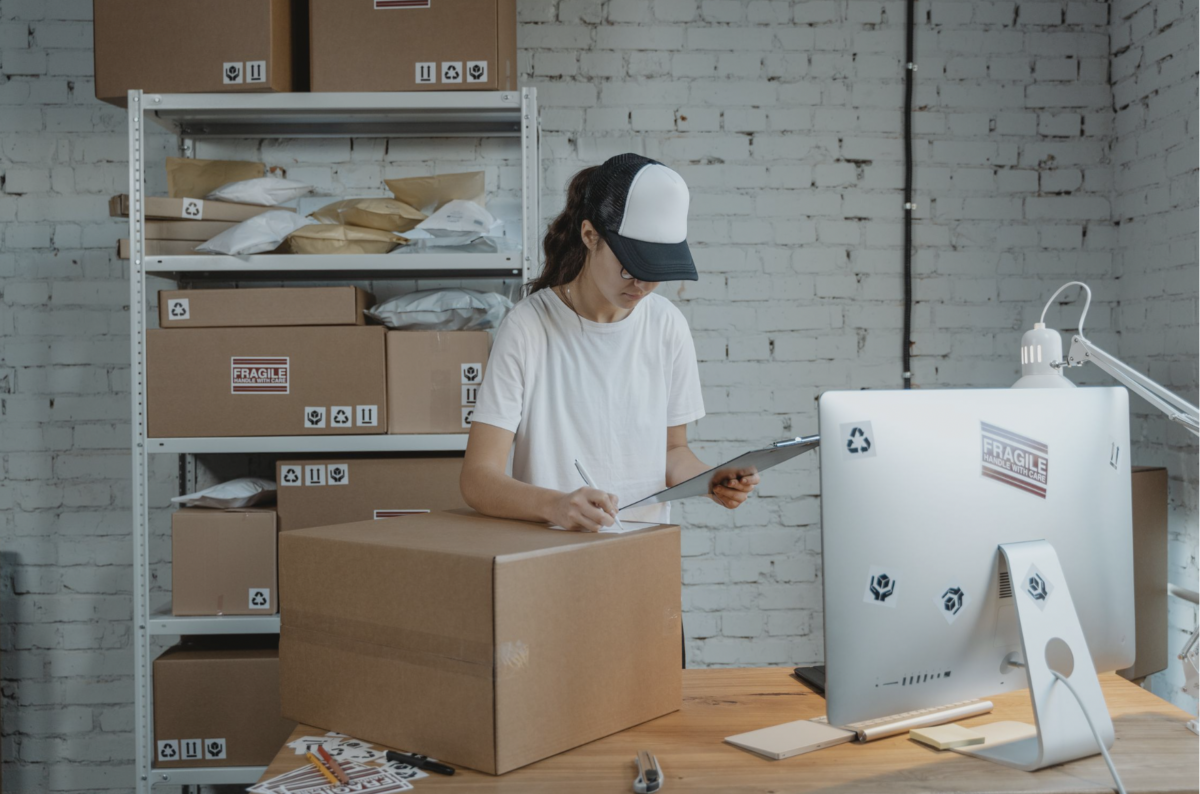
The study also identified several other categories with notable return rates. Accessories had an estimated return rate of 34 per cent, while baby and children’s products were estimated at 45 per cent. Beauty and personal care products had a lower estimated return rate of 21 per cent but the highest retailer refusal rate at 37 per cent because opened cosmetic products are often ineligible for return. Watches and collectibles had an estimated return rate of 19 per cent, while hardware and tools were estimated at 22 per cent.
Overall, the report found that clothing, footwear and electronics accounted for the largest share of reported online returns, with product fit, sizing and compatibility emerging as the most common reasons shoppers sent purchases back.
Gidon Sadovsky, chief executive of Overnight Glasses, said inconsistent sizing remains a significant contributor to clothing returns.
“The real problem is sizing. Brands can’t agree on what a medium or size 8 actually means, so shoppers end up ordering three sizes of the same shirt just to find one that fits. That’s not the customer’s fault. Other products have clear standards that work. For example, light bulbs show exact wattage. Tires list exact dimensions. Eyeglasses follow precise prescriptions from your eye doctor, so you know exactly what you’re getting. When measurements are standardized, returns drop.”
More from Retail Insider: