Sysco plans to bring Restaurant Depot to Canada, potentially introducing one of the largest restaurant-focused cash-and-carry warehouse operators in North America to the Canadian foodservice market.
The Houston-based foodservice distribution giant outlined the Canadian opportunity while discussing its proposed US$29.1-billion acquisition of Jetro Restaurant Depot during its fiscal 2026 fourth-quarter earnings call. The transaction, announced in March, would give Sysco control of a large network of warehouse stores geared primarily to independent restaurants and other foodservice operators.
Sysco Chair and CEO Kevin Hourican told analysts that Canada forms part of the company’s longer-term expansion plans for Restaurant Depot. Sysco intends to use its existing supply-chain capabilities to take the format into additional markets following completion of the acquisition.
“We really believe that going to Canada is a compelling opportunity for the long term,” Hourican said, arguing that there is room in the Canadian market for a larger-scale restaurant-focused cash-and-carry operator.
No Canadian locations, opening dates or investment figures have been disclosed, and the acquisition itself remains subject to regulatory review in the United States. Sysco continues to expect the transaction to close by the third quarter of its 2027 fiscal year.
Restaurant Depot Built Around Independent Restaurants
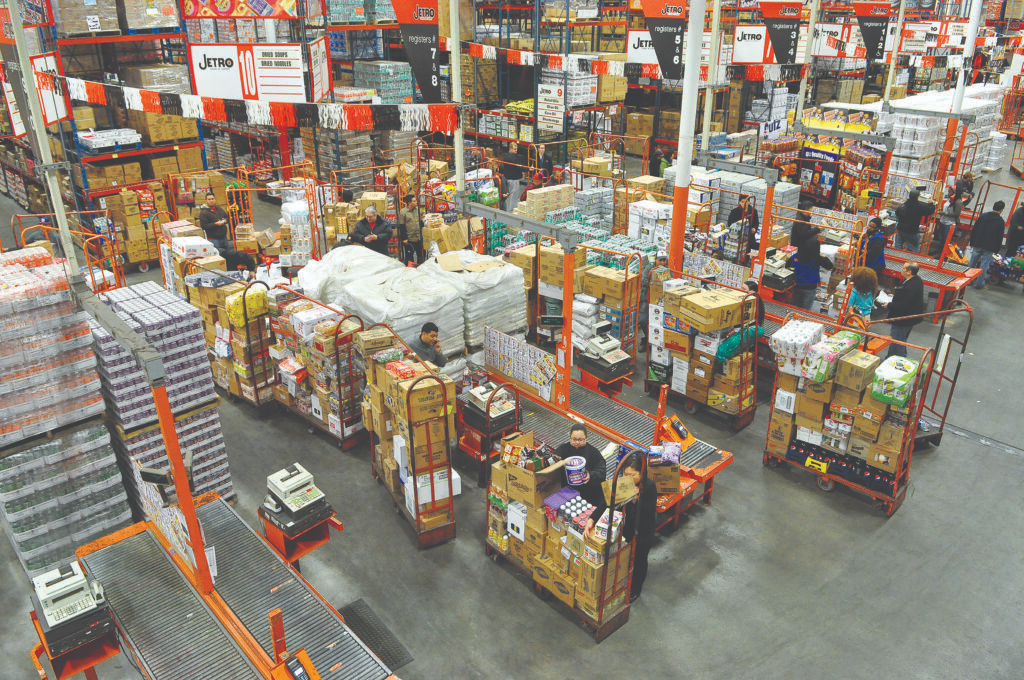
Restaurant Depot operates a different model from the delivered foodservice business for which Sysco is best known. Customers visit large-format warehouses to purchase food, beverages, equipment, packaging and other supplies, typically in commercial quantities, giving restaurants another option alongside scheduled deliveries from conventional distributors.
The company operates 166 warehouses across 35 U.S. states and serves more than 725,000 independent restaurants and foodservice operators. Restaurant Depot generated approximately US$16 billion in revenue in calendar 2025 and about US$2.1 billion in EBITDA, according to Sysco.
Its warehouses carry fresh and frozen meat, seafood, produce, dairy products, grocery items, disposables, kitchen equipment and other products required to operate a restaurant or commercial kitchen. The model can be particularly useful to independent operators looking to compare prices, supplement regular distributor orders or obtain products immediately when an unexpected need arises.
Sysco announced March 30 that it would acquire Jetro Restaurant Depot in a transaction valued at approximately US$29.1 billion, including US$21.6 billion in cash and 91.5 million Sysco shares. Restaurant Depot is expected to continue operating as a standalone business segment following completion of the deal.
The acquisition would move Sysco into what it estimates is a US$60-billion to US$70-billion U.S. cash-and-carry market while increasing its exposure to independent restaurant customers. The company plans to take Restaurant Depot into more than 125 additional U.S. geographies over time, with Canada among the longer-term expansion opportunities management has now identified.
Sysco Sees an Opportunity in Canada
Hourican characterized Canada as a market without a leading restaurant-focused cash-and-carry operator comparable to Restaurant Depot. There are already several national and regional companies supplying restaurants through warehouse and self-service formats, although none currently operates a restaurant-specialist cash-and-carry network nationally at anything approaching Restaurant Depot’s U.S. scale.
Sysco would also enter with an infrastructure advantage that few new international entrants could readily replicate. Sysco Canada already operates an extensive distribution network serving restaurants, hotels, healthcare facilities and other foodservice customers across British Columbia, Alberta, Saskatchewan, Manitoba, Ontario, Quebec and Atlantic Canada.
That existing network is central to the Canadian opportunity. Hourican said Sysco could eventually take Restaurant Depot into Canada by leveraging the company’s inbound supply chain, allowing the warehouse business to benefit from purchasing relationships and distribution infrastructure that Sysco already has in place.
A Canadian rollout could therefore look considerably different from a conventional international retail expansion. Sysco already buys, warehouses and distributes food at scale across the country and has longstanding relationships with Canadian restaurant operators. Restaurant Depot would add another way of serving some of those customers.
A Growing Canadian Warehouse Market
Restaurant Depot would arrive at a time when warehouse-style food distribution is attracting increased investment in Canada.
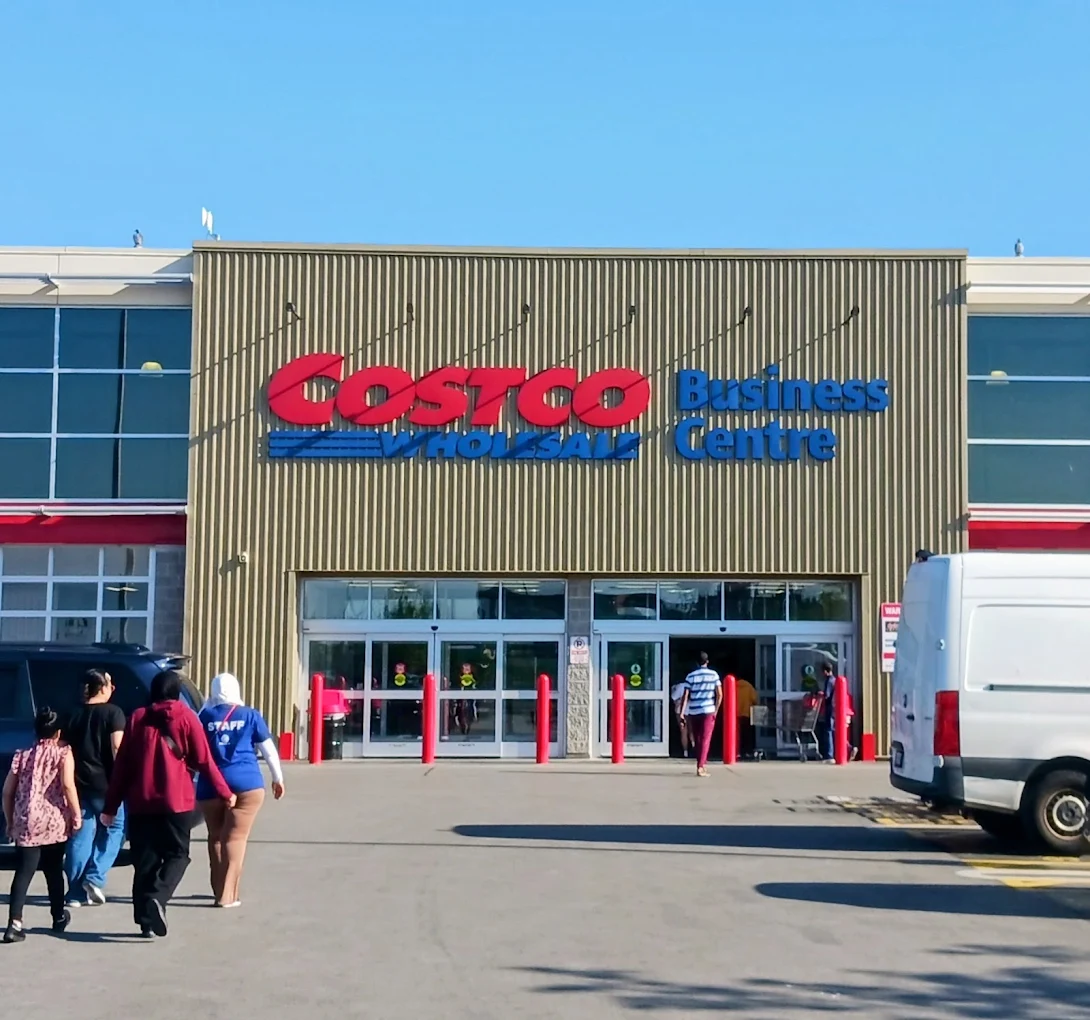
Costco has been expanding its Business Centre format, which offers commercial quantities of food, restaurant supplies, disposables and other products alongside delivery options. Its Canadian Business Centre network now extends across several major markets in Ontario, Quebec, Alberta, British Columbia and Manitoba.
Some of that expansion is recent. Costco opened Business Centres in Mississauga and New Westminster in late 2025, followed by East Gwillimbury in December and Winnipeg in March 2026. The stores are available to Costco members generally but carry a large assortment aimed at restaurants and other commercial customers, creating considerable overlap with foodservice purchasing needs.
Loblaw Companies Ltd. also participates in the warehouse channel through Wholesale Club, which sells bulk food along with restaurant and catering supplies. The banner has an established Canadian store network serving businesses and other customers.
Quebec has an especially developed restaurant warehouse market. Mayrand Food Group operates large-format locations in Anjou, Laval, Brossard and Saint-Jérôme serving retail and foodservice customers. Empire Company Ltd., the parent of Sobeys, agreed earlier this year to acquire Mayrand, describing the transaction as an entry into Quebec’s discount and warehouse food market. The deal has since received the required court and regulatory approvals.
Montreal-based Distribution Alimentaire Aubut is another longstanding player, supplying restaurants and other commercial customers through self-service warehouse locations.
The opportunity for Restaurant Depot is therefore more specific than filling an unserved market. Sysco would be introducing a restaurant-focused warehouse operator with considerable purchasing scale and the potential to build a national network, while competing with Costco, Wholesale Club and regional businesses that already have relationships with Canadian foodservice customers.
Taken together, the recent activity points to growing strategic interest in the commercial warehouse channel. Costco has been expanding its Business Centre network, Empire is acquiring Mayrand, and Sysco is proposing one of the largest transactions in its history partly to gain exposure to cash-and-carry foodservice distribution.
Cost Pressure Changes Restaurant Purchasing
The timing is notable as Canadian restaurant operators continue to contend with difficult economics. Restaurants Canada has reported that affordability pressures and weak consumer confidence are leading some Canadians to seek lower-priced menu choices or reduce how frequently they eat out. At the same time, rising food, labour and other operating expenses continue to weigh on restaurant profitability.
More recent industry research has highlighted additional pressure from transportation costs. Restaurants Canada reported in July that 86 per cent of surveyed operators were experiencing higher food and ingredient costs related to rising gasoline prices, with the same proportion reporting supplier fuel surcharges. More than half were also seeing reduced customer traffic or lower spending per visit.
For restaurant operators with limited room to keep raising menu prices, purchasing becomes an increasingly important part of managing margins. Operators can look for savings by changing suppliers, substituting products, buying different quantities or moving some purchases toward lower-priced private-label alternatives.
Lower procurement costs do not necessarily translate directly into cheaper restaurant meals. Savings can help absorb higher wages, rent, utilities, insurance and other expenses, while giving operators more room to maintain portions, preserve accessible menu prices or rebuild margins.
Restaurant Depot’s proposition fits into that environment. An independent restaurant could use a cash-and-carry warehouse when a product is needed immediately or when warehouse pricing makes sense, while continuing to rely on conventional distributors for larger scheduled orders.
Sysco Sees a Multichannel Foodservice Model
Sysco’s longer-term strategy extends beyond operating Restaurant Depot and its existing distribution business as separate channels. Hourican described a scenario in which Restaurant Depot stores could help serve existing Sysco delivery customers when products are needed between scheduled orders. A restaurant that unexpectedly runs out of an ingredient or essential supply could potentially be served from a nearby Restaurant Depot warehouse if it is closer than a Sysco distribution centre.
That would give restaurants several ways to purchase from the combined company. Regular bulk orders could continue to arrive through Sysco’s delivery network, while supplemental purchases could be made directly at Restaurant Depot and, over time, warehouse locations could potentially support rapid local fulfilment for urgent orders.
The strategy brings some of the omnichannel thinking familiar to consumer retail into foodservice distribution, where purchasing has traditionally been divided more clearly between delivered wholesale and self-service warehouse formats.
Sysco also sees opportunities to share products between the two businesses and combine their purchasing volumes. Management expects approximately US$250 million in procurement-related cost synergies from the acquisition, while additional sales opportunities are not included in its original transaction model.
For Sysco, physical Restaurant Depot locations could help address circumstances where a scheduled delivery network is less flexible. Regular distribution works well for predictable purchasing, but a restaurant that unexpectedly runs out of cooking oil, meat, takeout containers or another essential item may need a solution within hours. A nearby warehouse could provide another way for Sysco to serve that customer.
Acquisition Faces Regulatory Review
Whether that strategy moves forward depends first on regulatory approval. Sysco said during its August earnings call that it had received a second request from the U.S. Federal Trade Commission as part of its review of the Restaurant Depot transaction. The process allows regulators to conduct a more detailed examination of the proposed acquisition and typically requires the companies to provide additional documents, data and other information.
The review comes amid concerns from some independent restaurant advocates in the United States about further concentration in foodservice distribution. Critics have questioned whether combining a major broadline distributor with a large restaurant-focused cash-and-carry operator could reduce competition for independent businesses.
Sysco rejects that argument. Hourican told analysts that Restaurant Depot and traditional foodservice delivery largely serve different purchasing needs: cash-and-carry customers choose to visit warehouses and transport their own goods, while Sysco’s delivery customers place greater value on having orders brought directly to their restaurants. He also reiterated that Sysco has no intention of raising prices at Restaurant Depot stores and argues that expanding the format would give more restaurant operators access to its low-cost model.
Sysco has faced major antitrust scrutiny before. The company abandoned its proposed acquisition of US Foods in 2015 after the FTC successfully challenged the transaction. The Restaurant Depot deal involves a different combination of businesses, but regulators are again examining a major transaction involving significant participants in the foodservice supply chain.
Sysco maintains that it expects to secure approval and complete the Restaurant Depot acquisition during fiscal 2027.
Canadian Details Still to Come
A Canadian expansion would come later. Sysco has not identified where Restaurant Depot would open its first Canadian warehouse, how many locations could eventually operate in the country or how quickly it would seek to establish a network.
The company has also not disclosed expected Canadian store sizes, capital investment or employment levels, or whether every element of Restaurant Depot’s U.S. format would be replicated in Canada.
Any expansion would take place against a Canadian competitive landscape that is already evolving. Costco is investing in its Business Centre network, Empire is moving into Quebec’s warehouse food market through Mayrand, Loblaw maintains Wholesale Club, and regional wholesalers continue to serve independent restaurant operators.
Restaurant Depot would bring another major participant into that market if Sysco completes the acquisition and follows through on its Canadian plans. Its longer-term opportunity may ultimately depend on how effectively Sysco can combine Restaurant Depot’s low-cost warehouse model with the foodservice distribution network it already operates across Canada.