One of the most recognizable stores on Toronto’s Bloor Street is approaching its final days.
Harry Rosen will permanently close its flagship at 82 Bloor Street West on Saturday, September 12, ending nearly four decades in a building that grew considerably during the retailer’s tenure and became a fixture of the Bloor-Yorkville shopping district. The closure also brings to an end more than 55 years of Harry Rosen operating directly on Bloor Street.
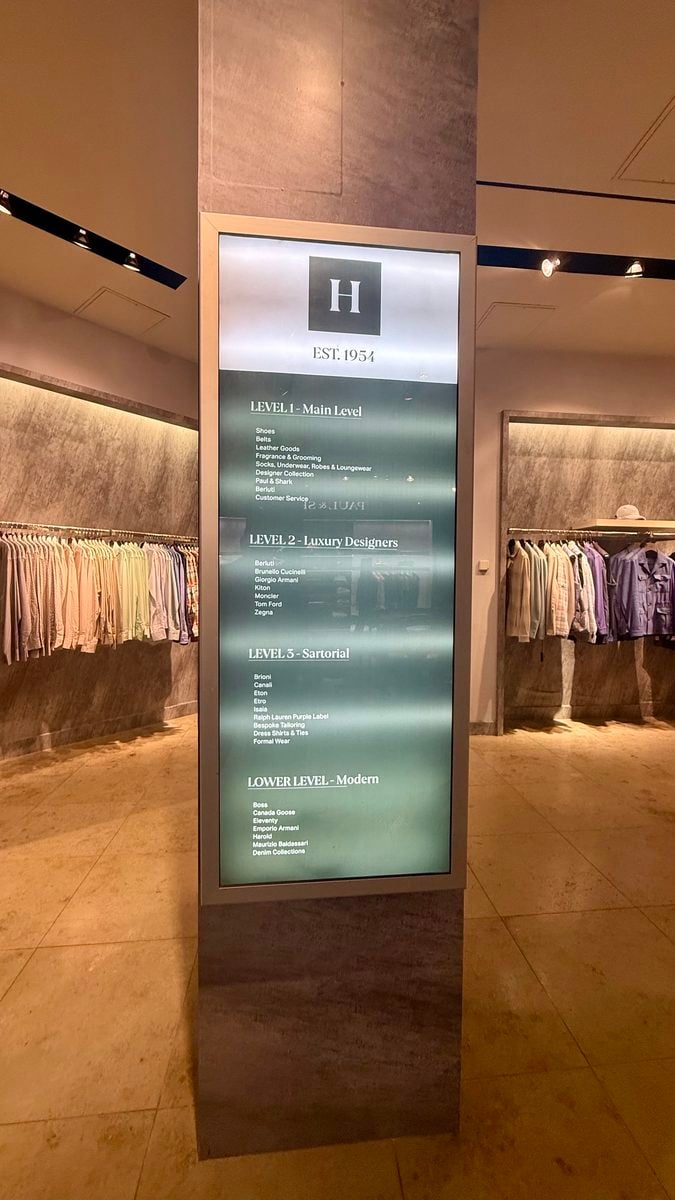
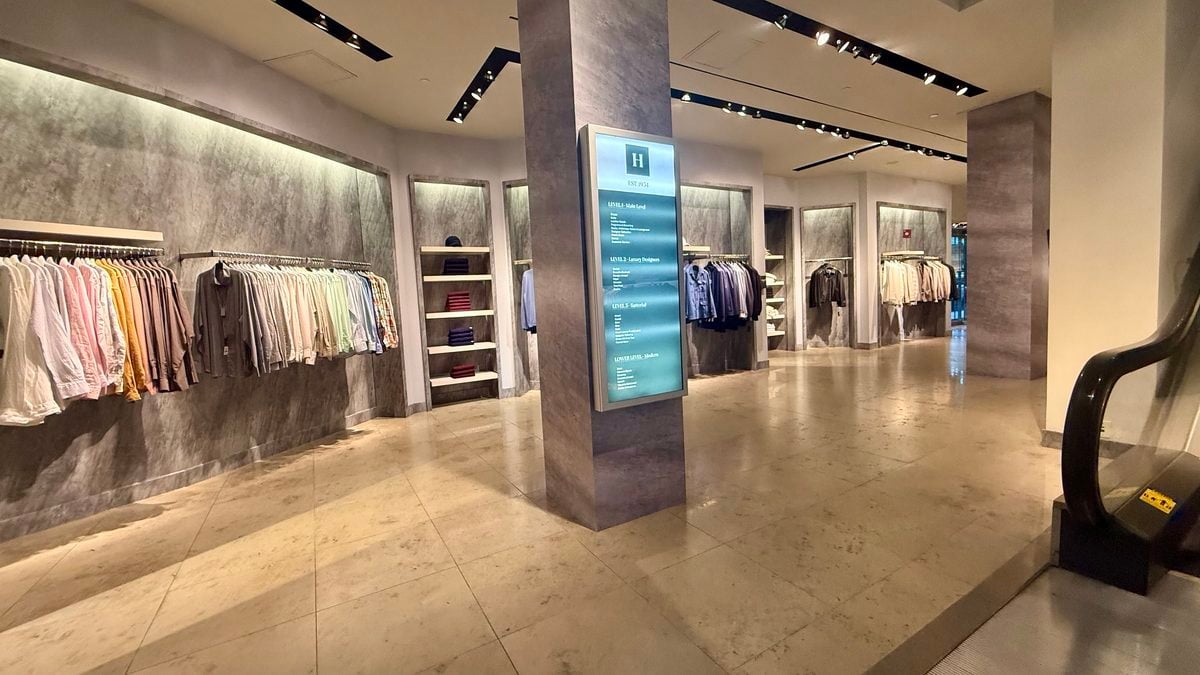
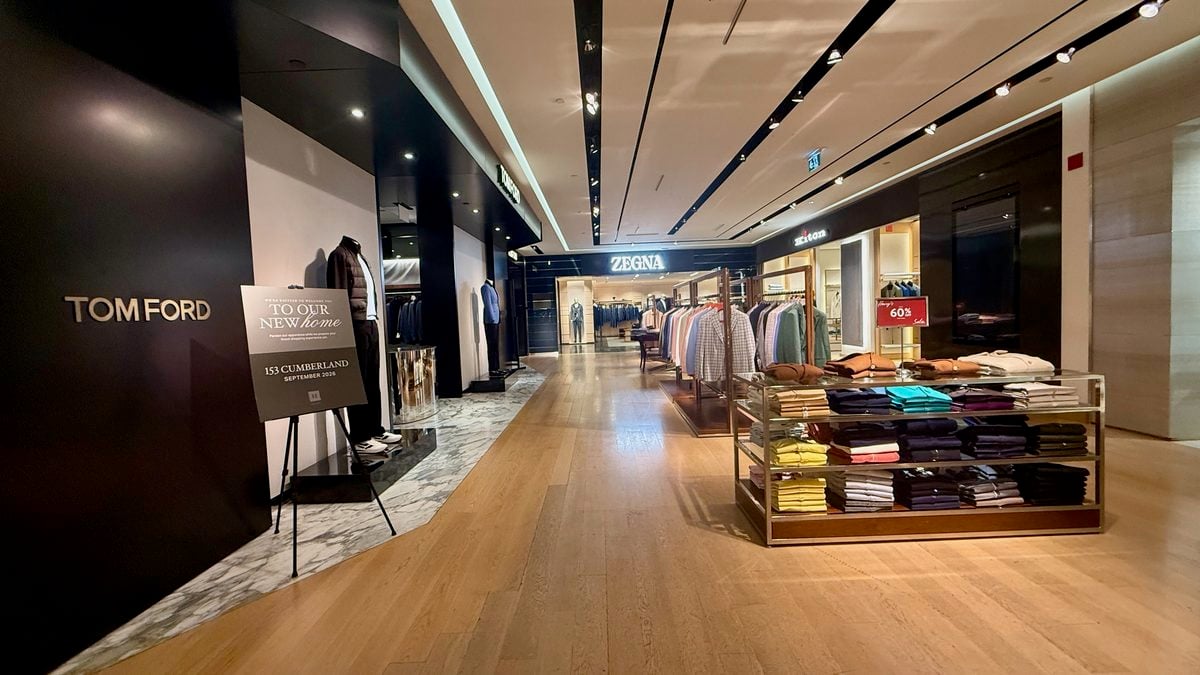
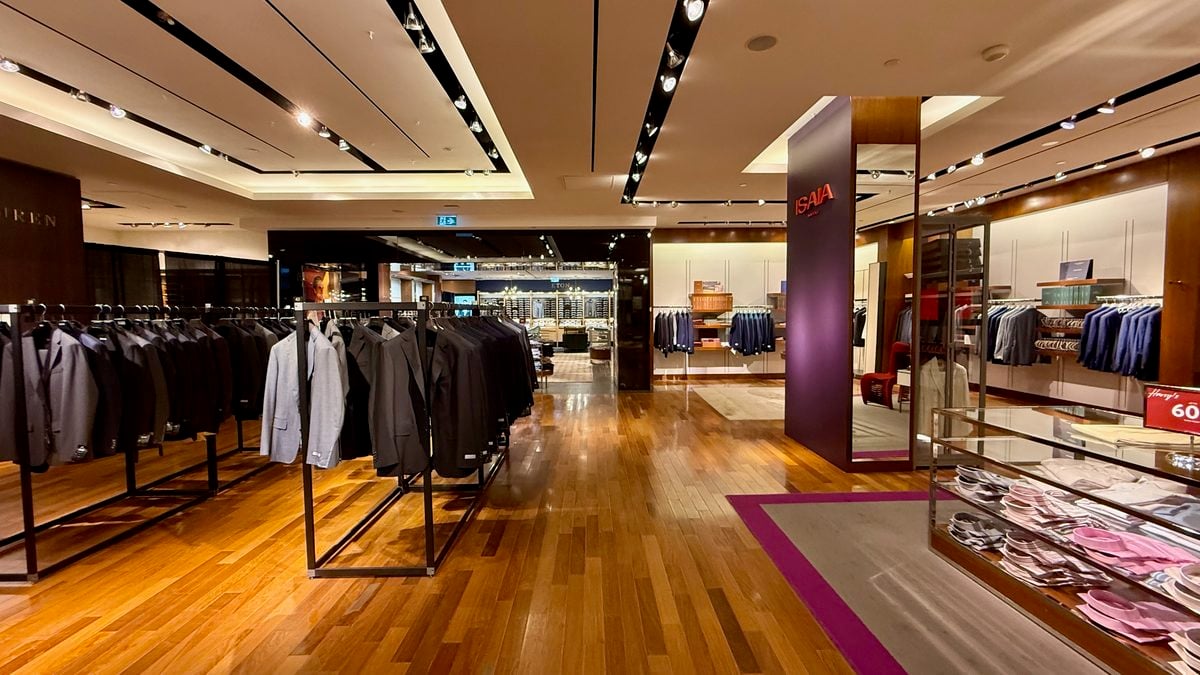
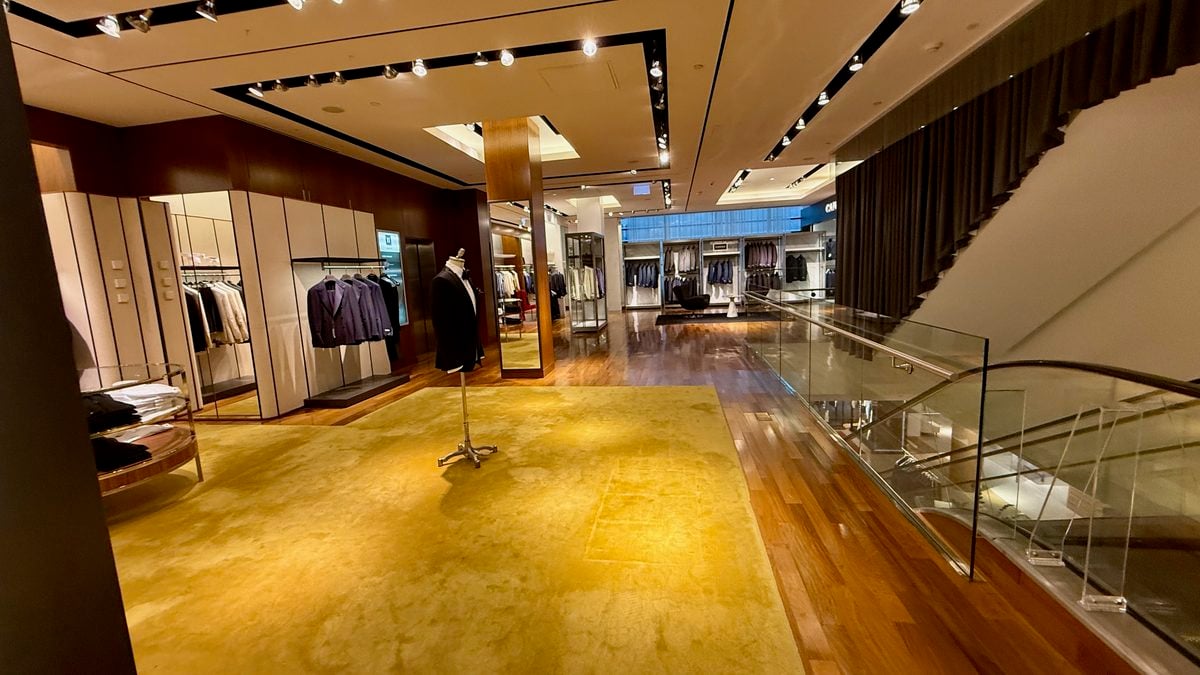
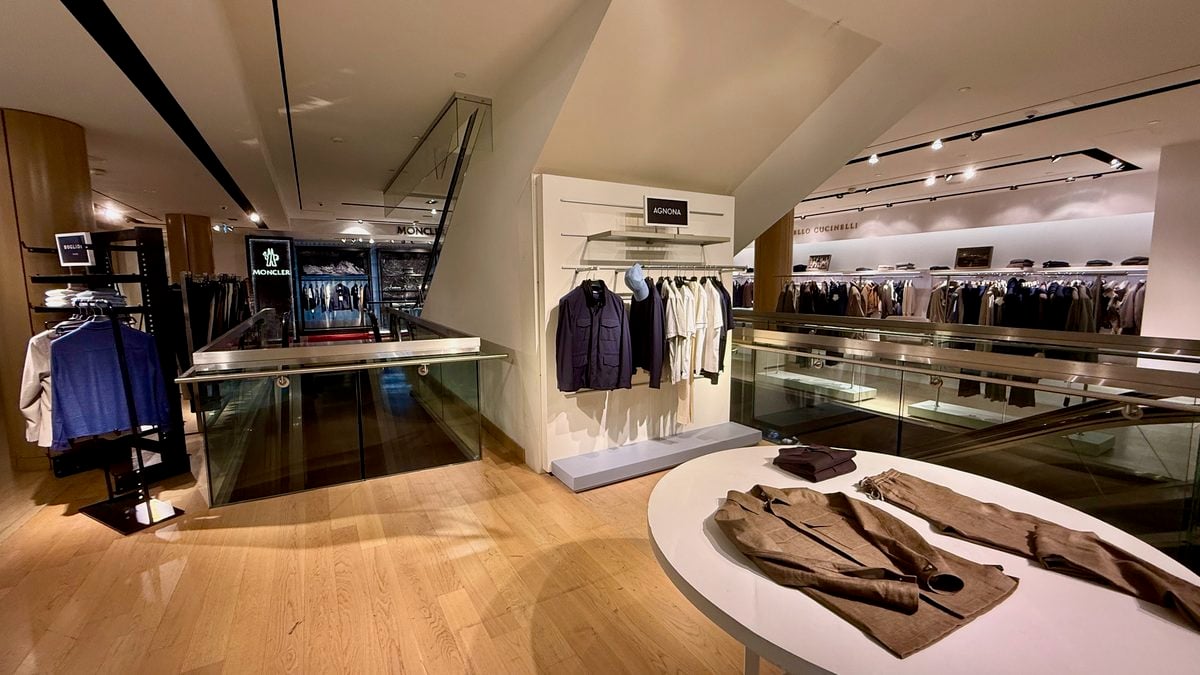
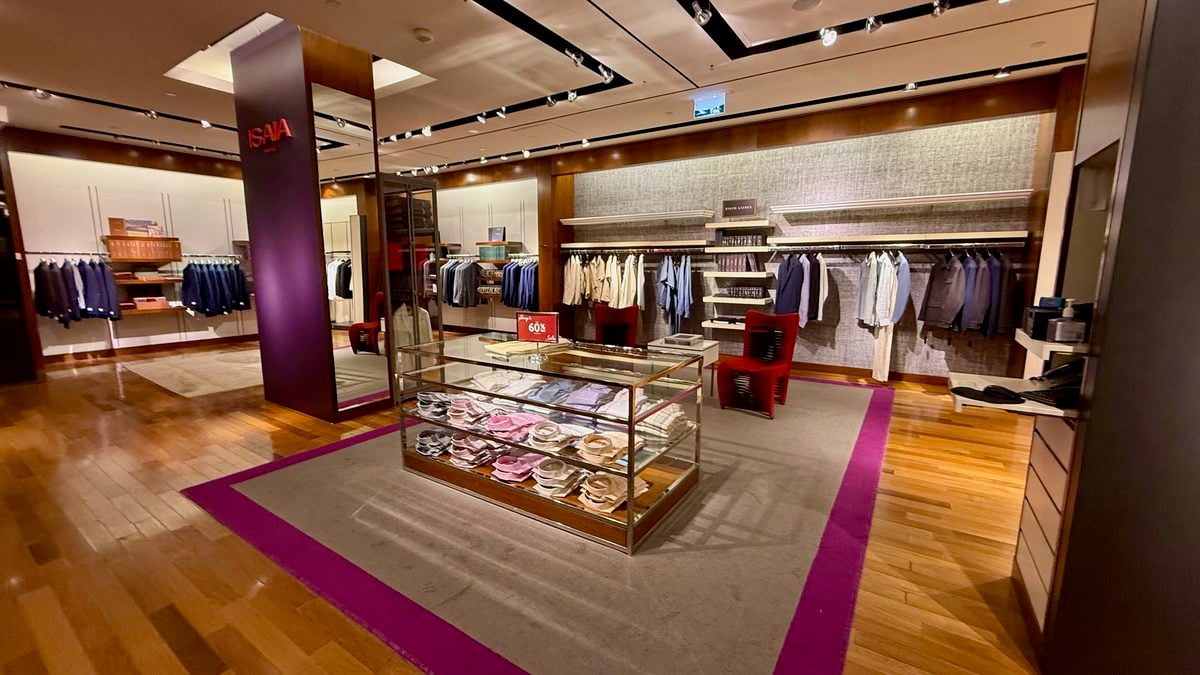
The five-level flagship spans more than 50,000 square feet and remains open during its final week. Its escalators connect floors filled with designer boutiques, tailored clothing, sportswear, footwear and accessories, alongside the made-to-measure services, tailoring and Style Advisors that have long been central to Harry Rosen’s business.
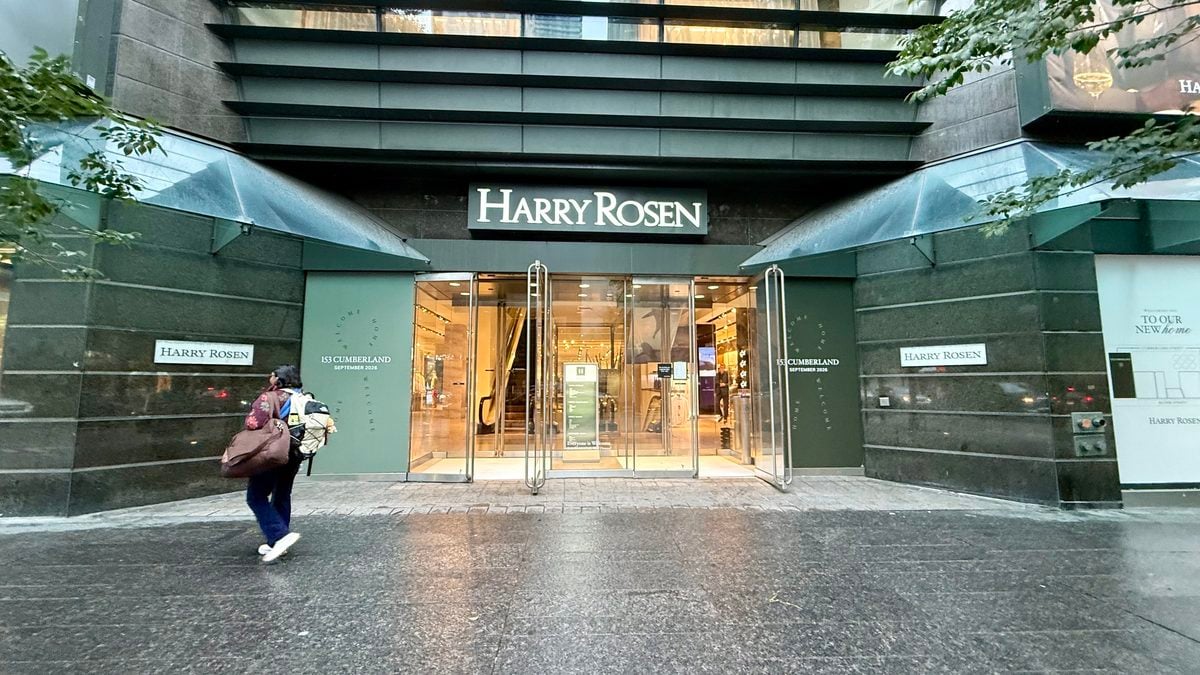
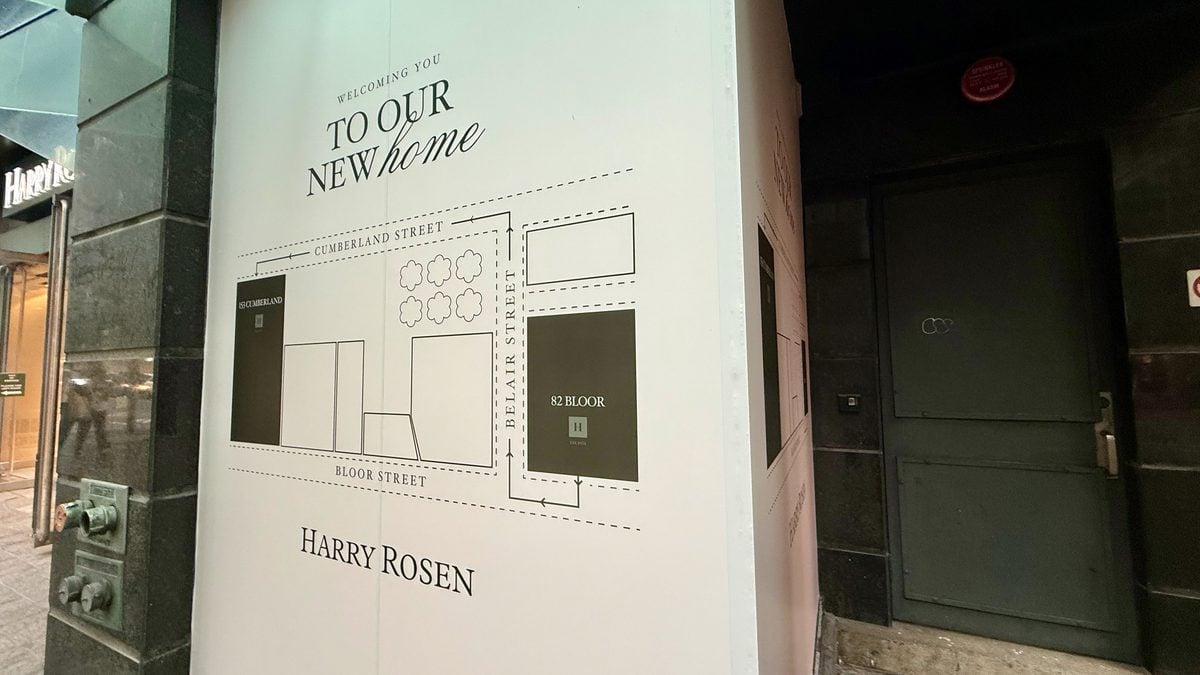
The company is staying in Yorkville. Harry Rosen is moving less than 200 metres away to a new three-level flagship at 153 Cumberland Street, where customer pickups and alterations will resume September 23. Style Advisors from the Bloor Street store are making the move as well.
The short relocation closes a much longer chapter in Toronto retail history. Harry Rosen has occupied 82 Bloor since 1987, while the company’s relationship with Bloor Street stretches back to 1970.
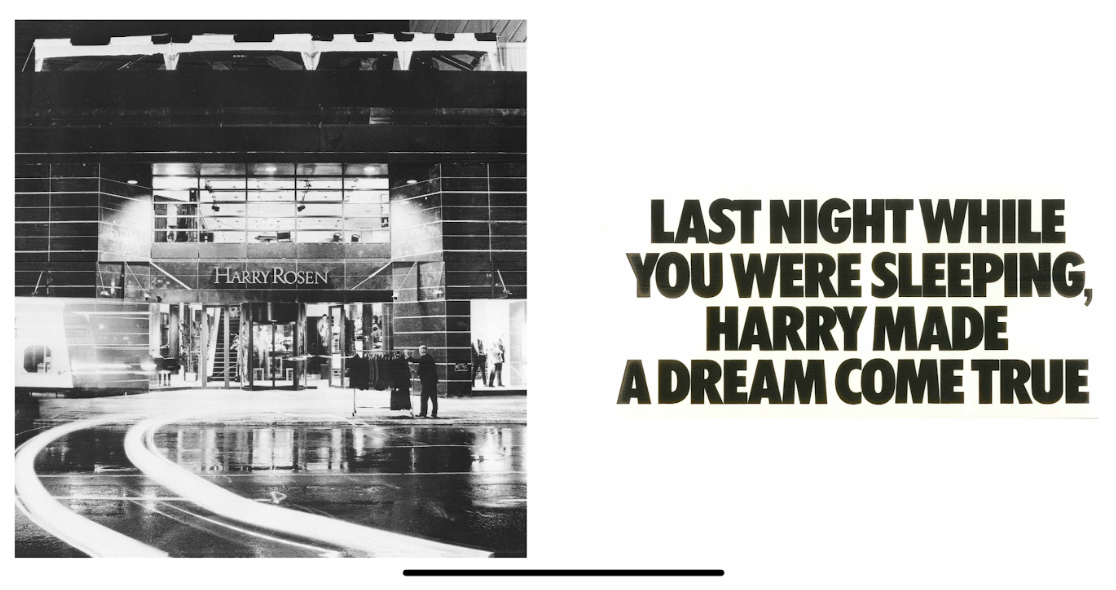
Harry Rosen Arrives on Bloor Street
Harry Rosen’s story began in 1954, when Harry and his brother Lou Rosen opened a roughly 500-square-foot made-to-measure menswear shop on Parliament Street in Toronto. From those modest beginnings, the company expanded as Harry Rosen developed a reputation around fit, tailoring and personal service.
The company entered a relationship with Canadian retail conglomerate Dylex in the late 1960s, providing additional resources for expansion. Harry Rosen subsequently reacquired an interest in the business, and the Rosen family returned the company to full family ownership in 1995.
Bloor Street became part of the story in 1970, when Harry Rosen opened a store at 80 Bloor Street West, immediately beside the site of the present flagship. At approximately 4,000 square feet, it was considerably larger than the original Parliament Street shop but still a fraction of what Harry Rosen would eventually build next door.
The timing coincided with a transformation of the surrounding neighbourhood. Yorkville had become internationally known during the 1960s for its bohemian culture and music scene, but its commercial identity shifted substantially during the following two decades. Upscale retailers increasingly clustered around Bloor Street, Hazelton Lanes and Yorkville Avenue, establishing the foundations of what would become Canada’s best-known luxury shopping district.
Harry Rosen was part of that evolution alongside retailers including Holt Renfrew and Creeds. At the same time, the company was expanding nationally and developing relationships with prominent European fashion houses. By the mid-1980s, its relatively small Bloor Street premises no longer reflected the scale or positioning of the business.
A New Flagship at 82 Bloor
In the fall of 1987, Harry Rosen moved next door into a substantially larger home.
The company opened its flagship at 82 Bloor Street West, occupying an entire building near Bloor and Bay. The new store at the time was approximately 32,000 square feet, representing an eightfold increase from the roughly 4,000-square-foot Bloor store that preceded it.
Spread across three levels, the flagship provided considerably more room for tailored clothing, sportswear, accessories and an expanding collection of international designer labels. It gave Harry Rosen a physical presence suited to a company that had grown well beyond its Toronto origins.
Harry Rosen himself was closely involved in creating the store. By then, the retailer had become an important Canadian partner for European menswear brands while continuing to distinguish itself through tailoring and personal service.
For roughly two decades, the three-level building served as the company’s principal Toronto showcase. Eventually, Harry Rosen decided it needed substantially more room again. Rather than leave the address, the company went up.
Harry Rosen Expands Vertically
Planning for a major expansion was underway by the mid-2000s. After more than two years of planning, design and construction, Harry Rosen unveiled the enlarged Bloor Street flagship in the fall of 2008.
Two complete storeys were added above the existing building, providing almost 20,000 square feet of additional space. Harry Rosen also extensively remodelled the original store, transforming the three-level, approximately 32,000-square-foot flagship into a five-level destination of more than 50,000 square feet.
The project represented the largest capital investment Harry Rosen had undertaken at that point in the company’s history.
The additional space allowed the retailer to expand its made-to-measure and bespoke operations, introduce larger private selling areas and devote considerably more room to footwear, leather goods, accessories and grooming. Individual designer environments became increasingly prominent, with shop-in-shops for names including TOM FORD, Armani Collezioni, Dolce & Gabbana, Ermenegildo Zegna, Canali and BOSS Hugo Boss over the period.
The expansion established the physical format that would define 82 Bloor for much of its remaining life: a vertically organized menswear destination with categories, designer brands and services unfolding as customers moved through the building.
Inside the Five-Level Flagship
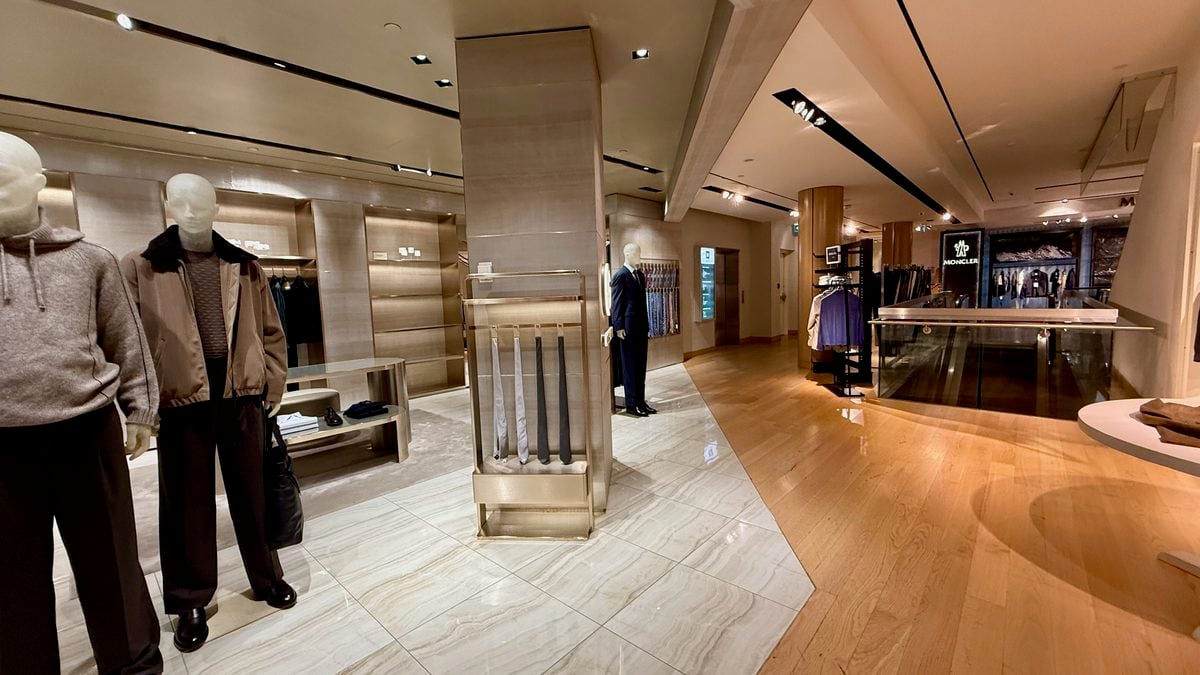
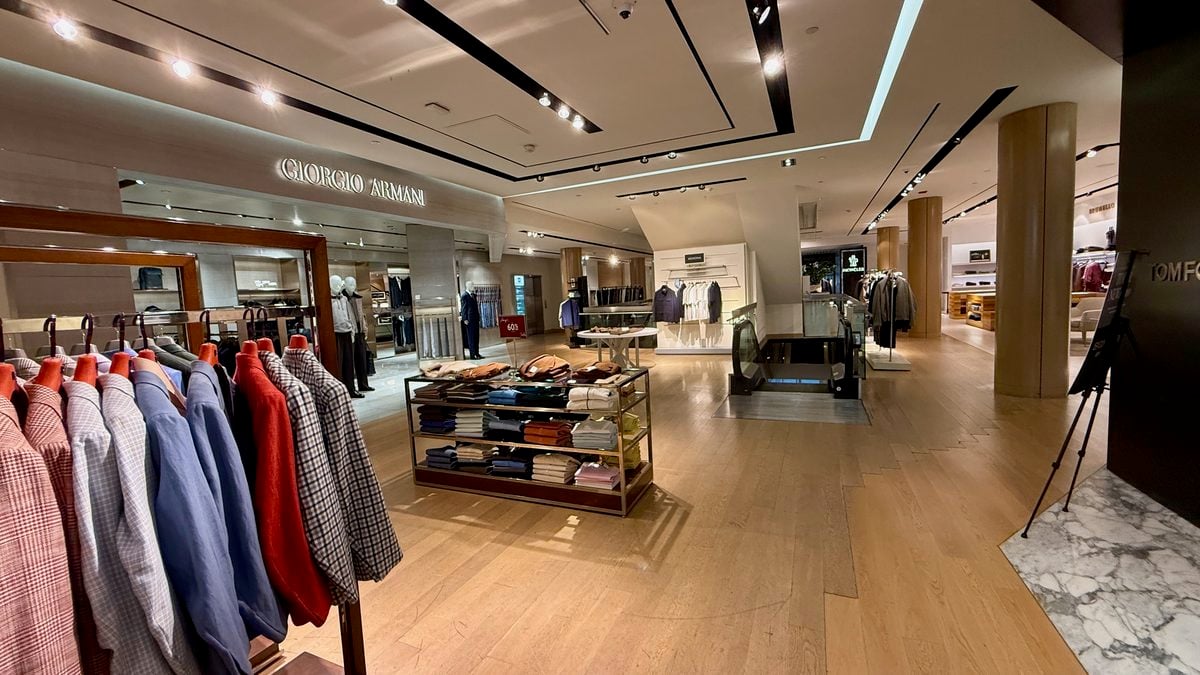
The enlarged store gave Harry Rosen enough space to organize merchandise by category while allowing major fashion houses to create distinct environments of their own.
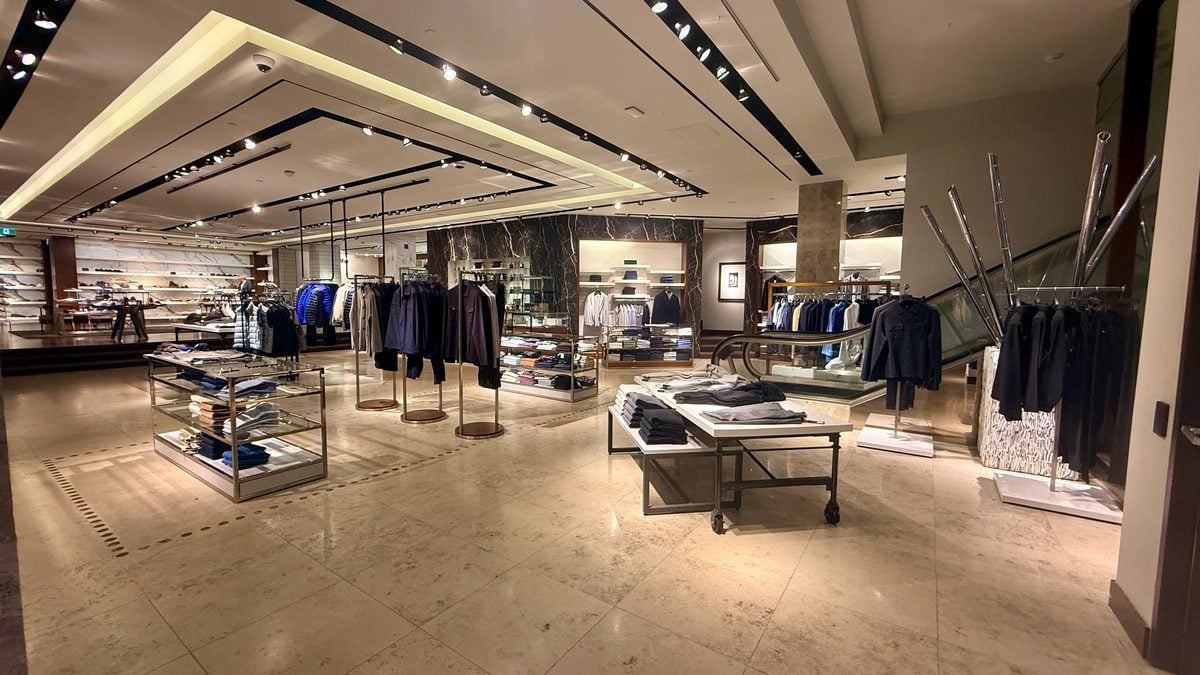
Following the 2008 project, the main floor carried a broad assortment including sportswear, outerwear, dress furnishings, leather goods, footwear, bags, jewellery, cufflinks and accessories. Fragrance and skincare also became more prominent categories. The lower level had a more casual character, including denim and sportswear, while upper floors became increasingly associated with designer collections, tailored clothing and specialized services.
Made-to-measure and bespoke tailoring occupied an important position within the flagship, supported by fitting areas, alterations and private selling spaces. The breadth of merchandise and services gave 82 Bloor some of the characteristics of a specialized men’s department store, with customers able to move from casual clothing and footwear to international designer boutiques and bespoke tailoring without leaving the building.
The store also reflected Harry Rosen’s longstanding emphasis on Style Advisors. The company encouraged advisors to develop continuing relationships with clients, often working with the same customers over many years as their wardrobes and needs changed.
That combination of scale, brands and service made Bloor Street distinctive within Harry Rosen’s Canadian network.
Another Major Investment
The 2008 transformation was followed by another substantial round of investment less than a decade later. Beginning around 2017, Harry Rosen undertook an approximately $5-million renovation program touching several areas of the flagship.
Much of the initial work focused on the second floor, where new or renovated boutiques were created for Ermenegildo Zegna, Moncler, Giorgio Armani, Brunello Cucinelli and Loro Piana. Zegna’s boutique was designed by prominent architect Peter Marino, while other fashion houses brought updated international concepts into the store. TOM FORD’s shop-in-shop was also targeted for further renovation.
Harry Rosen simultaneously reorganized other departments. Men’s furnishings moved from the main floor to the third level, freeing additional room for footwear downstairs. The third floor included an Eton shop and Harry Rosen’s bespoke department, which at the time was the only permanent bespoke operation within the company’s store network.
The investment came approximately 30 years after the flagship first opened and less than a decade after two additional floors had been constructed. Harry Rosen was still committing significant capital to 82 Bloor as the surrounding luxury district entered another period of rapid change.
A Store Built Around Service
The designer boutiques were among the flagship’s most visible features, but much of Harry Rosen’s business at Bloor Street continued to revolve around service.
Style Advisors developed long-standing client relationships, while tailoring, alterations, made-to-measure and bespoke clothing gave customers reasons to return beyond individual purchases. The size of the Bloor flagship allowed Harry Rosen to bring those services together with a broad assortment of international brands.
That approach remains evident during the store’s final days. Those relationships will continue after the building closes. Style Advisors are moving to Cumberland Street, while orders and alterations that have not been collected by September 12 will be transferred to the new flagship.
An Uncertain Future for the Bloor Street Site
Development pressure along Bloor Street has intensified considerably since Harry Rosen completed its vertical expansion in 2008, and the future of the 80 and 82 Bloor properties has been examined through several redevelopment concepts.
A proposal that emerged in 2019 contemplated a major mixed-use redevelopment at 80 Bloor Street West that would have incorporated the Harry Rosen building into the podium of a new tower. Planning material associated with that proposal measured the Harry Rosen premises at 50,280 square feet.
Other possibilities were subsequently explored. At one stage, discussions contemplated a luxury mixed-use redevelopment that could have included a Mandarin Oriental hotel and residential component, according to a commercial real estate source familiar with the property. That concept did not move forward.
What ultimately happens to the site remains uncertain. Toronto’s condominium market has weakened, while construction costs, financing conditions and wider economic uncertainty have complicated the economics of major development projects across the city.
Previous concepts demonstrate the redevelopment potential of the prominent Bloor Street property but should not be taken as an indication of what will ultimately be built. For now, Harry Rosen’s departure has a firm date while the longer-term future of its longtime flagship site remains unresolved.
A New Flagship Around the Corner
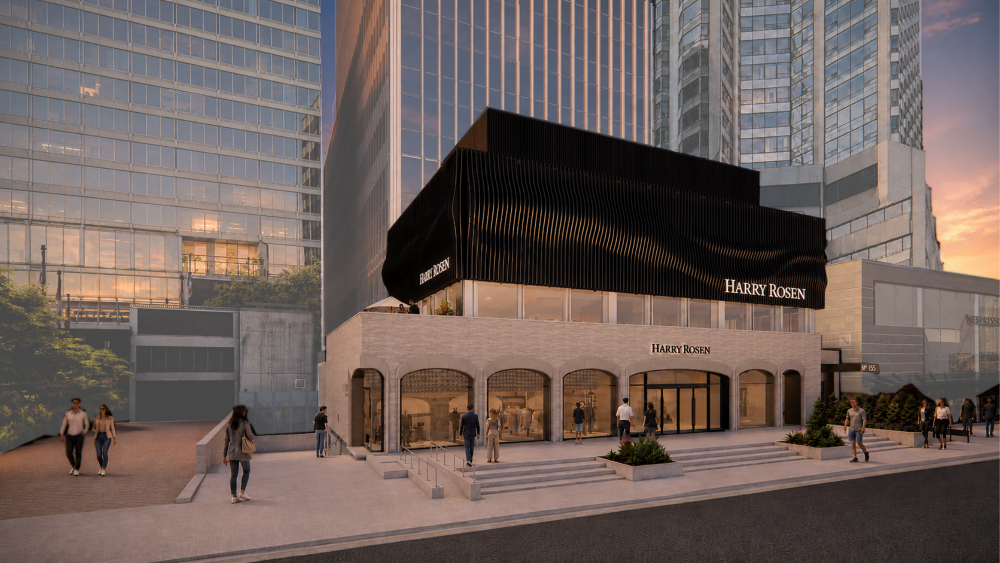
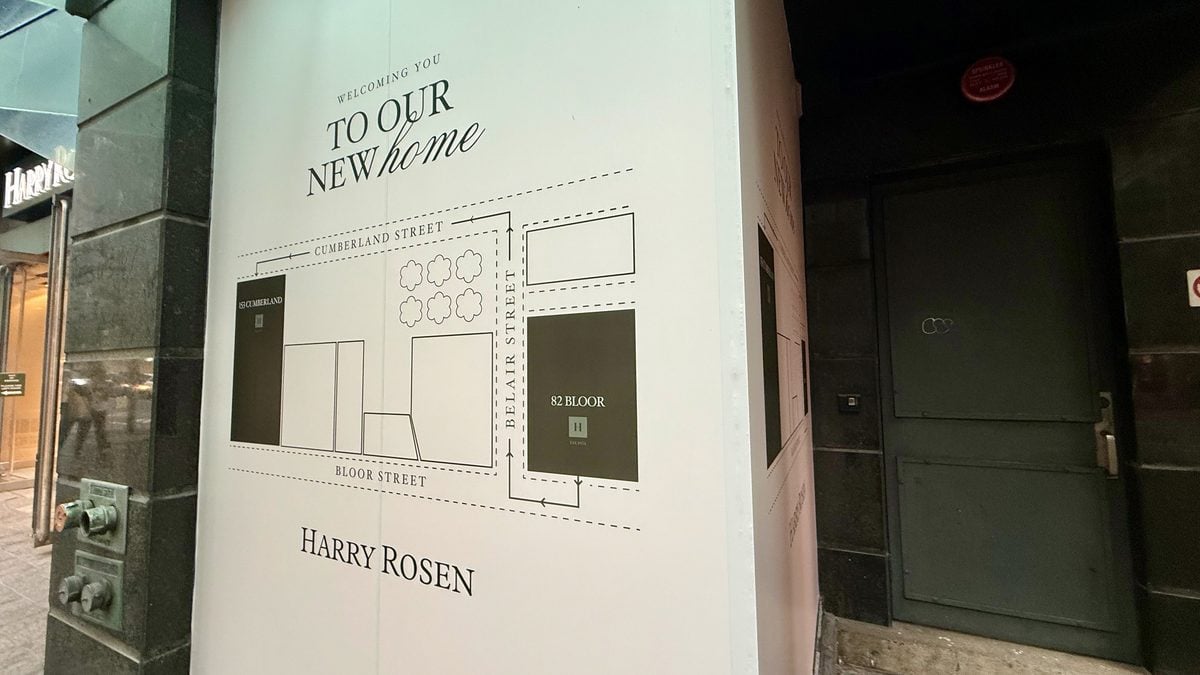
Harry Rosen announced in March 2024 that it would relocate the flagship to 153 Cumberland Street, less than 200 metres from 82 Bloor. The project formed part of a broader $50-million, five-year investment program across the company’s Canadian store network.
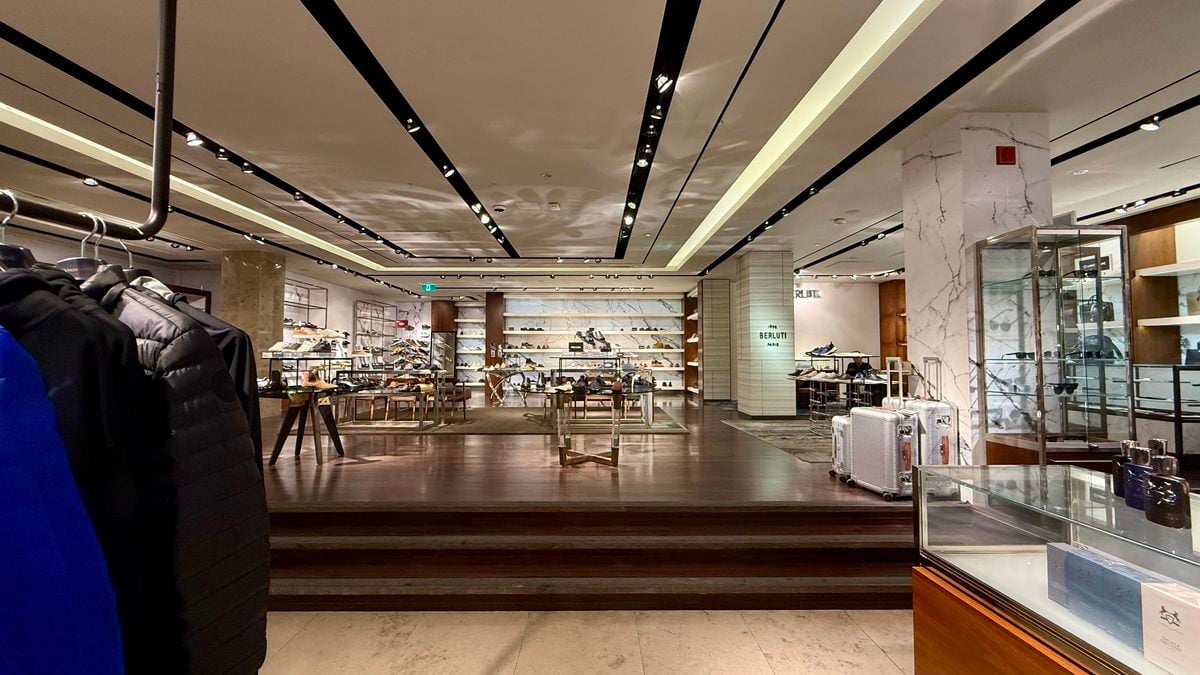
The Cumberland location represents a significant change in physical format. At approximately 38,000 square feet over three levels, it is smaller than the five-level Bloor flagship, which exceeds 50,000 square feet.
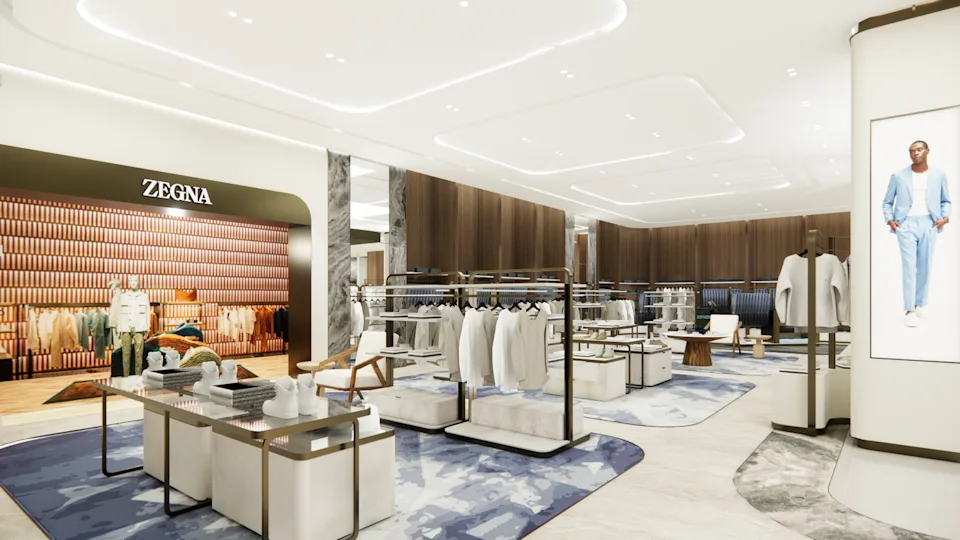
When Harry Rosen announced the relocation, the company described the project as an opportunity to rethink its most important store around the way customers interact with the brand. DK Studio designed the new flagship with a modern aesthetic influenced by Italian design and Harry Rosen’s tailoring heritage.
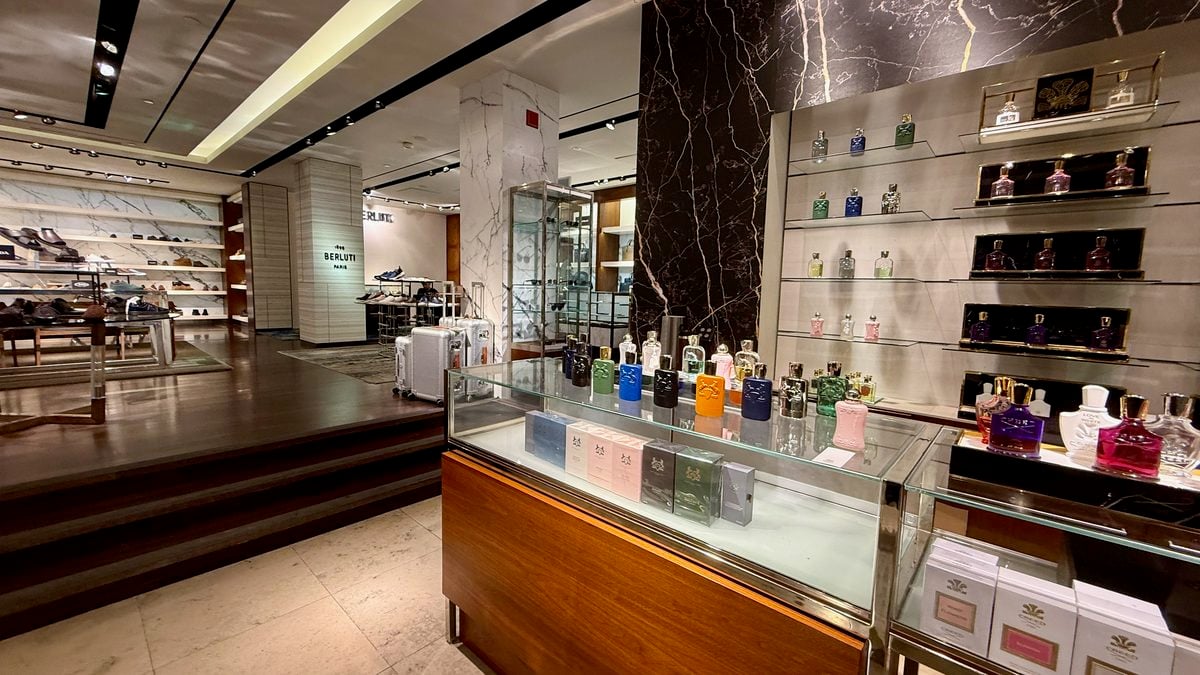
Dedicated boutiques will include Zegna, TOM FORD, Canali, Giorgio Armani, Kiton and Berluti. The flagship will also feature a Creed fragrance shop and fragrance bar, private tailored-clothing salon, client coffee bar and pop-up patio.
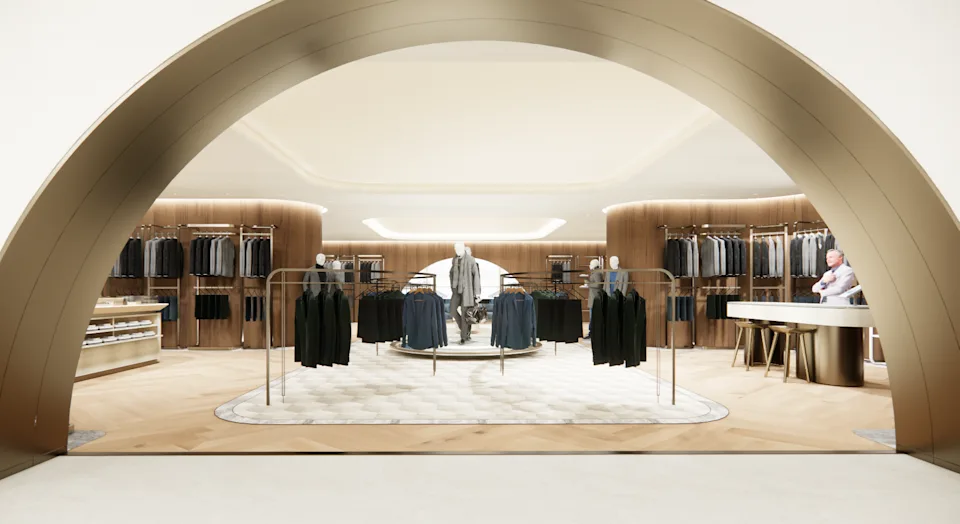
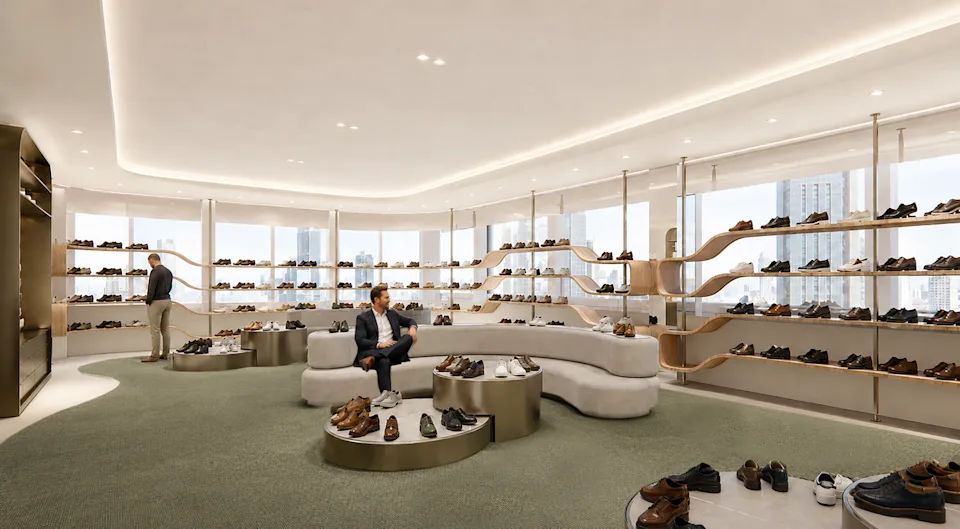
Plans announced for the project have also included hospitality and client-service elements intended to extend the experience beyond conventional merchandise displays.
The new format makes for an interesting comparison with Harry Rosen’s investment at 82 Bloor in 2008. That project enlarged the flagship by constructing two additional floors and adding almost 20,000 square feet. At Cumberland Street, Harry Rosen is concentrating its flagship operation within three levels and approximately 38,000 square feet, with designer boutiques, tailoring, hospitality and private-client services occupying prominent roles.
The two stores reflect different periods in Harry Rosen’s history and different approaches to what a flagship menswear store can be.
The Final Days at 82 Bloor
Harry Rosen will continue operating at 82 Bloor Street West through Saturday, September 12. Customers have until then to collect completed alterations and online orders from the store.
Pickups will be unavailable between September 13 and September 19 as operations are transferred around the corner. Beginning September 20, pickups and alterations will resume at 153 Cumberland Street, where Harry Rosen’s Style Advisors will also welcome clients.
Geographically, it is a remarkably short move. The new flagship is only a few minutes’ walk from the store Harry Rosen has occupied since 1987.
The history contained within that short distance is considerably larger. Harry Rosen arrived on Bloor Street in 1970 with a store of approximately 4,000 square feet. Seventeen years later, the company moved next door into a 32,000-square-foot, three-level flagship. In 2008, it built upward, adding two storeys and creating the five-level store that stands at 82 Bloor today.
Over nearly four decades, the building changed repeatedly as Harry Rosen grew, international menswear brands expanded their presence in Canada and Yorkville developed into a substantially larger luxury retail district.
On September 12, the doors at 82 Bloor will close for the final time, ending nearly 39 years at the address.
Harry Rosen will remain in Yorkville, with many of the people, services and designer brands associated with the old flagship making the short journey to Cumberland Street. The move nevertheless closes a chapter that began when Harry Rosen himself opened the Bloor flagship in 1987 and concludes more than 55 years of the retailer operating directly on Bloor Street.
Beginning September 23, the next chapter will unfold only steps away.