Montréal-based outerwear brand Quartz Co. is preparing to open a new boutique on Notre-Dame Street this fall as the company lays the groundwork for a broader expansion of its physical retail network in Canada.

The approximately 1,200-square-foot store will become Quartz Co.’s second permanent Montréal boutique, joining its existing Mile End flagship. The company also operates a temporary location at Royalmount, which President Jean-Philippe Robert says has been performing increasingly well. The new store is targeting a late-October opening, although the timing remains subject to construction.
More significantly, Robert told Retail Insider that Quartz Co. will spend the coming year assessing opportunities for additional stores, with Toronto among the markets under consideration. The company has spent the past several years adapting its product mix for a direct-to-consumer environment, giving management greater confidence as it considers its next phase of growth.
“This is what we’ll be working on in the next twelve months,” Robert said of the broader retail expansion. “We really hit the targets with our existing store.”
New Store on Notre-Dame Street
Quartz Co. deliberately chose another street-front location for the new boutique, continuing an approach established with its Mile End flagship. The store will be located on Notre-Dame Street West near Atwater Market, an area Robert said gives the company access to a strong existing customer base and a neighbourhood environment that fits the brand.
“We have a very strong consumer base here in Montreal,” he said, describing the area as lively and well aligned with Quartz Co.’s target customer.
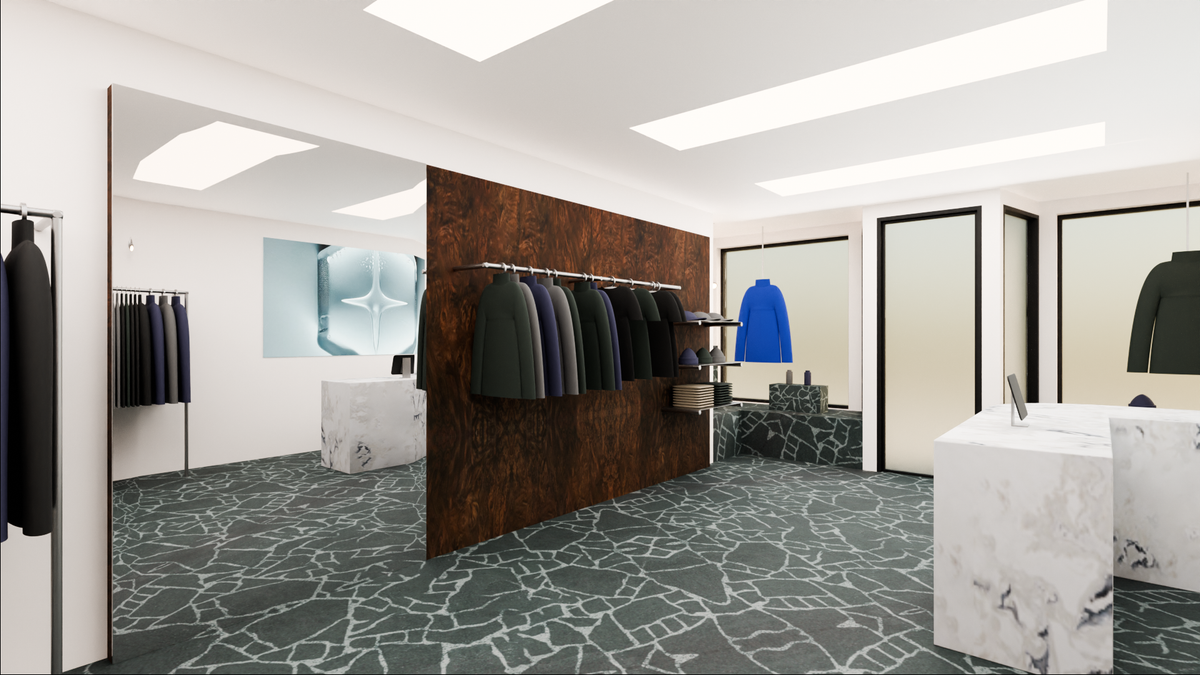
The roughly 1,200-square-foot boutique will introduce an evolution of the design language used at the company’s existing store. Robert said the space will feature warmer materials and contemporary references to Canadian nature, reflecting what he sees as a close relationship between urban life in Canada and the country’s climate and landscape.
“Even if we live in the city, it’s almost like we live in nature,” he said. “The elements are so harsh, and the daily life of a Canadian in the city is always very connected to nature.”
Quartz Co. opened its first permanent store in Montréal’s Mile End in 2020, at 5445 Avenue de Gaspé. The company later added its temporary boutique at Royalmount, which Robert said has performed better with each season. Six years of operating its own retail spaces have also changed how Quartz thinks about its assortment and the role stores can play in the business.
Toronto Among Markets Under Consideration
Robert said management intends to conduct strategic assessments over the coming months as it determines where Quartz Co. could expand next. Toronto is specifically on the company’s radar, although Robert stressed that Quartz has not committed to a location or opening date.
“We’re looking west, Canada West,” he said, indicating that Toronto would likely be among the first markets examined before Quartz considers other parts of the country.
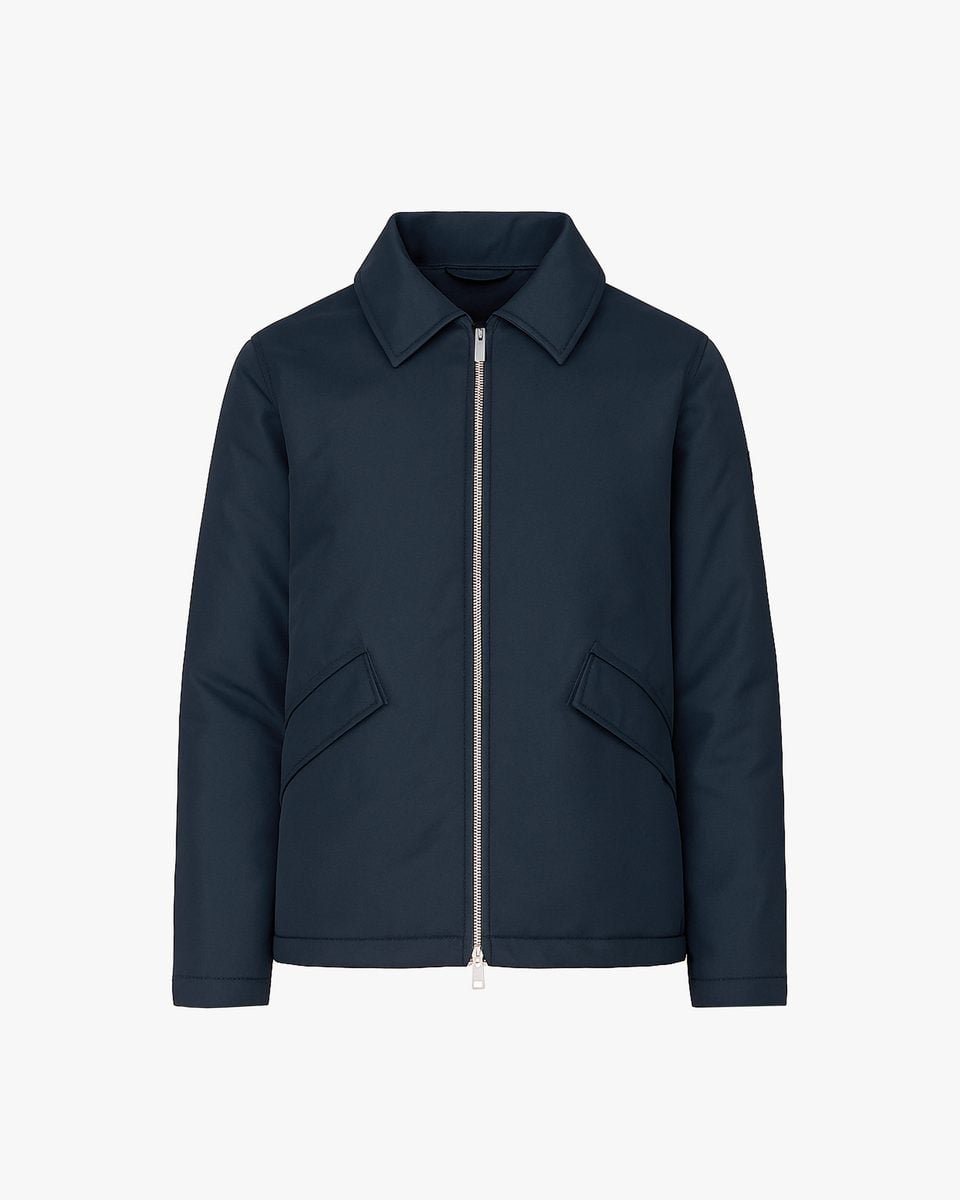
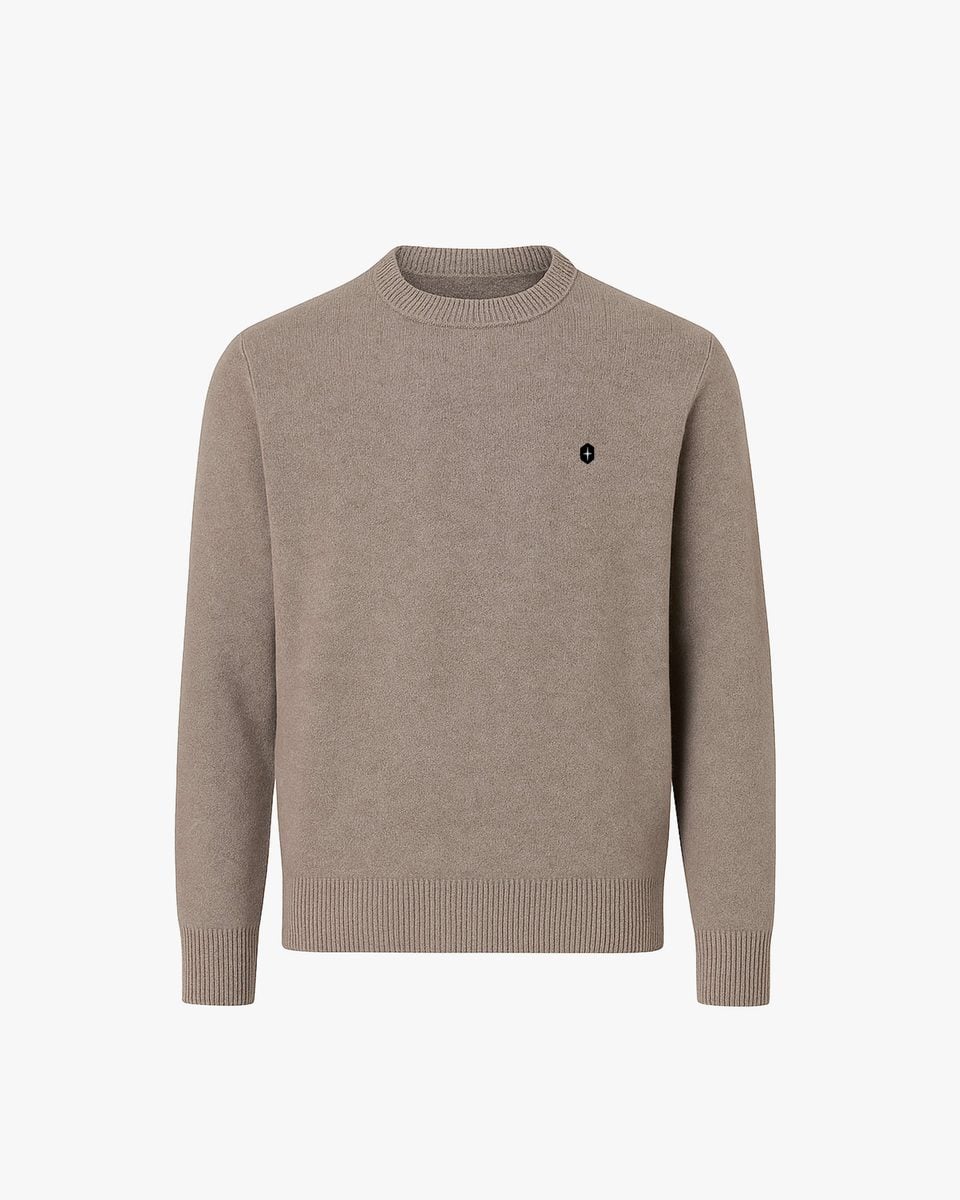
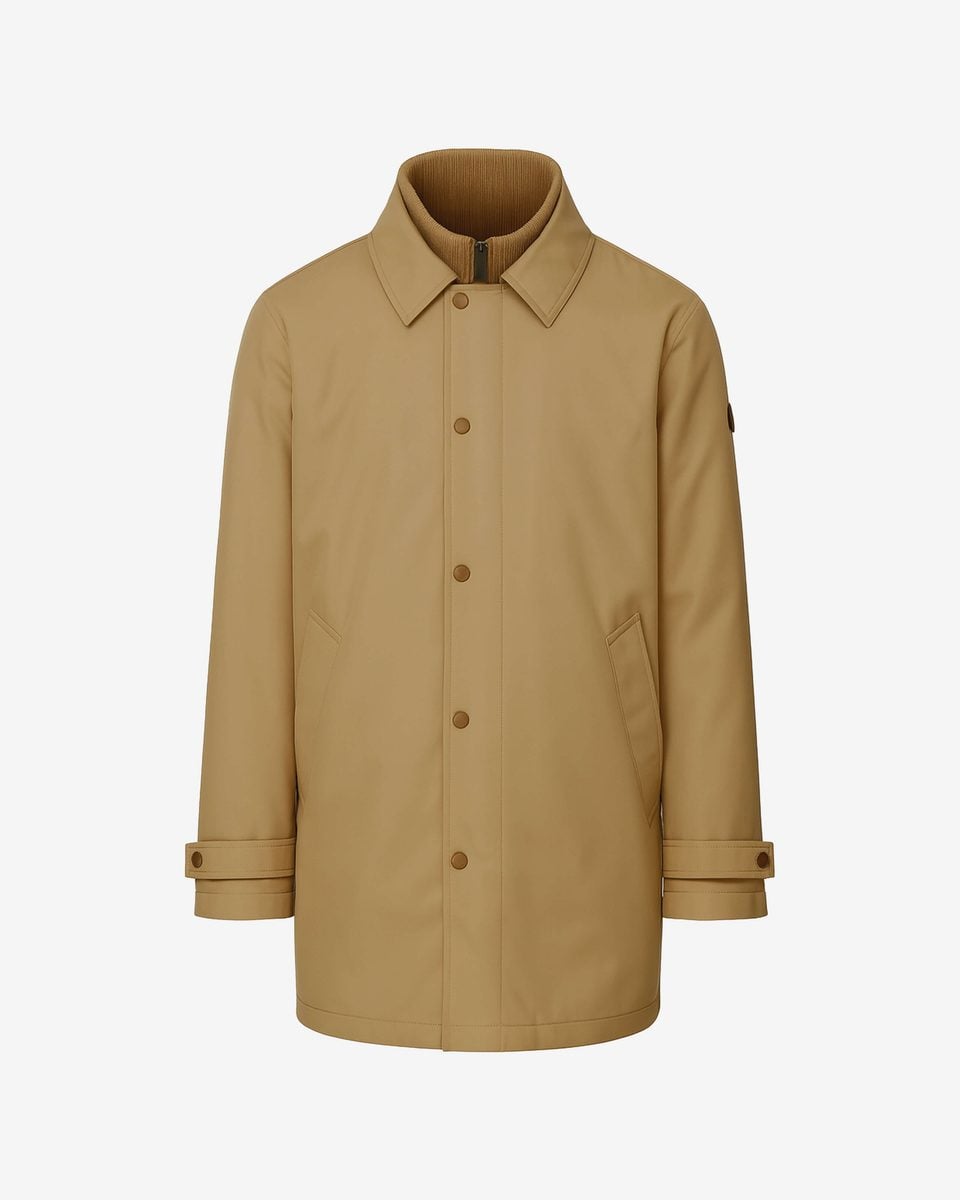
The potential expansion comes as Quartz develops a larger assortment than the one traditionally presented through its wholesale network. Robert said wholesale partners tend to concentrate on the heavyweight, Canadian-made parkas for which Quartz is best known, while its own stores can carry a broader assortment of lightweight outerwear, ready-to-wear, knitwear and accessories.
“The store offers a much broader range,” he said. “It’s worthwhile to visit the store and be able to have a full and comprehensive vision of the brand and the collection because it’s really evolved.”
Quartz Co. says its products are available through more than 300 stores in over 20 countries. Its growing direct-to-consumer business gives the company another way to present categories that may receive less exposure through traditional wholesale distribution.
Physical Retail Complements E-Commerce
Quartz Co.’s investment in stores comes alongside continued growth in e-commerce. Robert said parkas have proven particularly well suited to online purchasing, with the company encountering relatively little resistance from customers buying outerwear digitally.
Physical stores serve a different role, allowing shoppers to experience a wider assortment and discover products they may not have been searching for online. Robert said the boutiques give customers a better understanding of the broader Quartz brand as its offering moves beyond the heavyweight parkas for which it is best known.
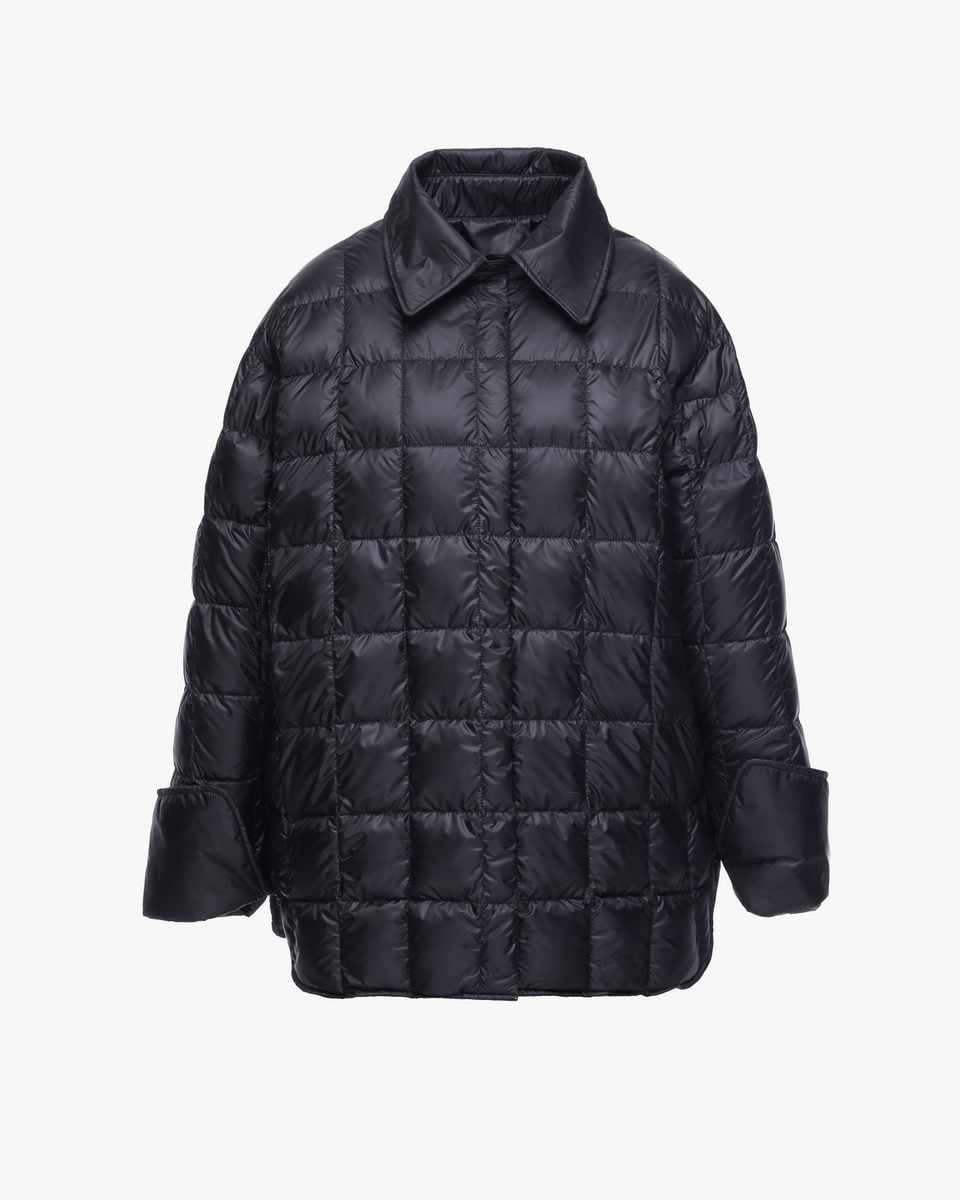
Women’s Category Becomes a Bigger Focus
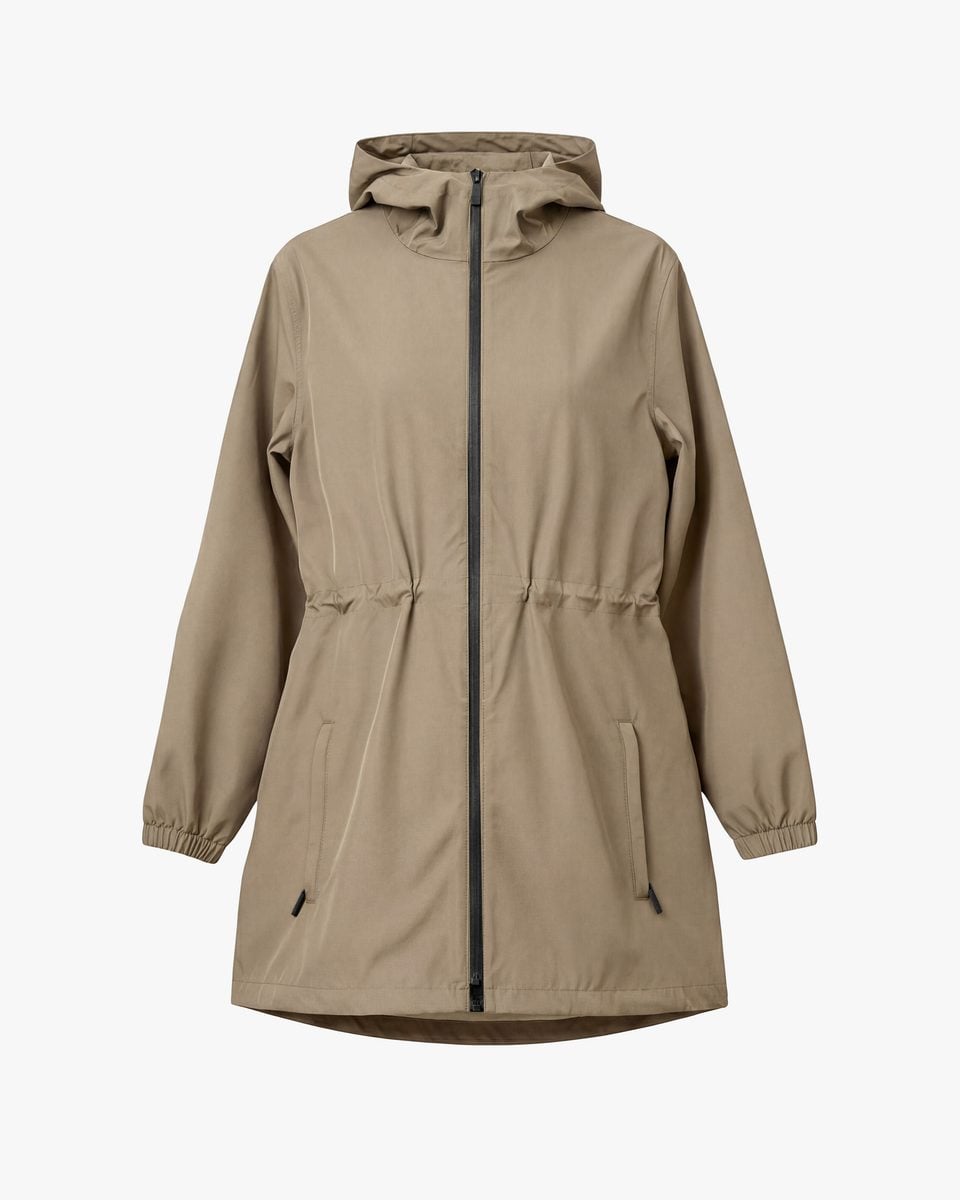
Women already account for the majority of Quartz Co.’s sales, according to Robert, and the company sees room to expand that side of the business further. This fall, Quartz is introducing Soleil d’Hiver, a limited collection designed to explore a more fashion-oriented expression of the brand.
“Women is a big focus for us,” Robert said. “It’s already a majority of our sales, but we just feel the women’s market could be a bigger driver for us.”
Robert described Soleil d’Hiver as a more “poetic” expression of Quartz Co., with inspiration drawn from the colours and skies of Canadian winters. The collection introduces different silhouettes and shapes alongside brighter colours and includes a parka, ready-to-wear pieces, knitwear and accessories.
Quartz is also using Soleil d’Hiver to explore smaller product drops and limited editions. The initiative forms part of a wider effort to develop categories beyond the extreme-cold parkas historically associated with Quartz, while retaining outerwear as the foundation of the business.
Montréal Manufacturing Remains Important
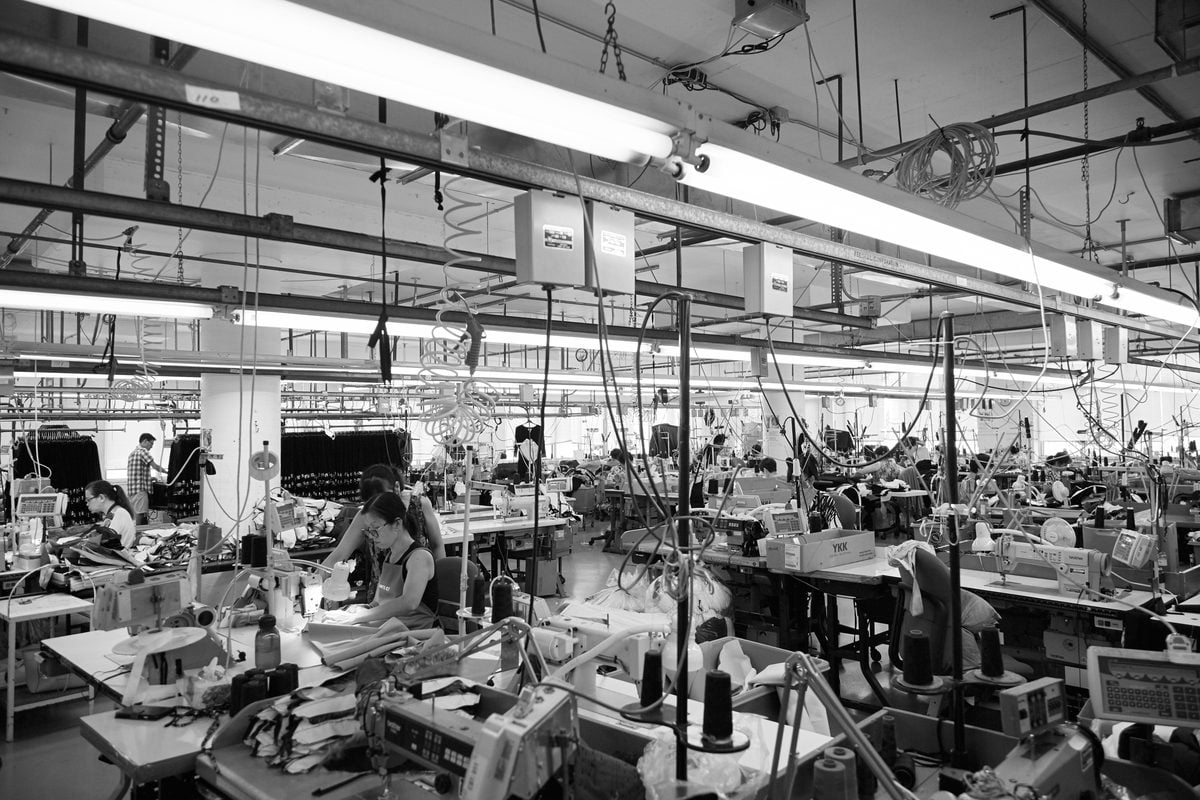
Quartz Co. continues to manufacture its core Canadian-made outerwear in Montréal, maintaining domestic production at a time when much of the apparel industry’s manufacturing capacity has moved offshore. Robert acknowledged that operating in Canada requires continued effort, but said the expertise remains an important part of Quartz’s positioning at home and internationally.
“It’s a huge pride for us,” he said. “It’s a consistent effort. It’s not easy, but it’s really appreciated by our customer in general here and abroad.”
Not everything sold by Quartz is manufactured domestically. The company also works with overseas factories on categories including lighter-weight products, but Robert said maintaining its Montréal operation gives Quartz technical expertise that carries into those relationships.
“Even for collections that we make abroad, the fact that we have the factory here really gives us that credibility because we understand the product inside out,” he said, pointing to the technical team in Montréal and its work with partner factories.
Quartz traces its roots to 1997, when the business was established as Quartz Nature. Jean-Philippe Robert and his brothers acquired the company in 2015 and subsequently repositioned it as Quartz Co., while expanding its distribution internationally.
U.S. Tariffs Complicate Growth
The United States represents approximately 15 per cent of Quartz Co.’s sales, according to Robert. The company had been seeing strong growth in the market and had plans to expand further, particularly in the U.S. Northeast, before changes to the cross-border trading environment complicated that strategy.
Robert said changes to U.S. de minimis treatment initially added complexity to cross-border e-commerce. More recently, tariffs have created a direct financial challenge for the company.
“It’s really the unpredictability,” he said. “We had strong plans for U.S. because we saw good traction and growth. Now it feels like we have to hold back a little bit.”
Robert said some Quartz products are currently subject to tariffs of 50 per cent and have consequently been removed from the company’s U.S. website. He said the result has included lost revenue and additional inventory that the company must manage. The wider tariff measures introduced by the United States in August include clothing and apparel among the categories facing new duties.
Despite the disruption, Robert continues to see considerable potential in the United States, particularly in the Northeast. Quartz is not abandoning the market, but the uncertainty has increased the importance of developing business elsewhere.
Looking Beyond Canada Again
Europe is among the regions Quartz intends to examine as it considers its next stage of growth. The company already has wholesale accounts in countries including France and Germany and serves international customers through e-commerce, but does not currently operate its own stores in Europe.
Robert said markets outside Canada accounted for approximately 40 per cent of Quartz Co.’s sales before the COVID-19 pandemic. Following several years of stabilization, he believes the company is again positioned to pursue larger international opportunities.
“We’re really hungry to go again after these big markets,” he said.
The product assortment has changed considerably since Quartz’s earlier international expansion. Robert said the company was once much more heavily associated with its “minus-30 made-in-Canada parka,” while today’s collection covers a wider range of climates and product categories. The heavyweight Canadian parka remains important to Quartz’s identity and provides credibility when the company approaches international retailers and distributors.
“The Canadian parka credibility is really potent,” Robert said. “It gives you a seat at the table.”
For Quartz Co., the next phase will be about using that recognition to grow a broader business, beginning with the new Notre-Dame store and potentially extending to additional retail locations in Canada and renewed expansion internationally.
“Now it’s a matter of pressing the gas on these initiatives and being more aggressive,” Robert said. “We’re ready to do that.”