Canadian restaurants are facing mounting cost pressures, reshaping everything from menu prices to equipment investments, according to new research from EconoLease, a leading Canadian provider of equipment financing solutions to the hospitality industry.
The majority (80%) of Canadian operators have raised menu prices in the past 12 months, while nearly half (49%) plan to raise them again over the next year. Ongoing financial strain is forcing hard trade-offs, with about half (46%) of operators delaying a planned equipment upgrade in the past year because they can’t afford it, even though it’s critical to their business, said the report developed in partnership with Leger. The report surveyed 250 Canadian foodservice and hospitality operators to determine the top financial strains impacting their businesses today and their outlook for the year ahead.
Rising costs are putting more pressure on profits
EconoLease said the past year has been marked by continued economic disruption, increasing operating costs for restaurants already working with thin budgets. Compared to their U.S. peers, fewer Canadian operators saw profitability improve.
Over the past 12 months:
- The typical Canadian operator reports a median overall cost increase of 7.5%, but three types of establishments — cafés or bakeries, fast-casual, and full-service or casual dining restaurants — each report a higher median increase of 15.5%†.
- Operators saw the steepest cost increases in food and beverage supply (64%), labour and wages (55%) and rent and occupancy (32%).
- Fewer Canadian operators saw improvement in their margins compared to their U.S. peers (42% in Canada vs. 64% in the U.S.)
- Despite the pressure, 83% of Canadian operators feel optimistic about the year ahead, though the results are mixed across the different establishment types.
- Fine dining operators (89%†) and full-service or casual dining operators (88%†) are most optimistic, while 27%† of franchise operators are pessimistic, roughly double the national pessimism rate of 14%.
Over the next 12 months, Canadian operators’ top business threats are rising food and beverage costs (55%), economic uncertainty or recession risk (41%), labour shortages or rising wages (37%), declining consumer spending (35%), and tariffs or supply chain disruptions (19%), it said.
Operators can’t afford to fix the equipment they need most
Every restaurant depends on working, reliable equipment to serve its communities. However, many operators can’t afford to fix their most critical equipment, increasing their risk of lost profit when that equipment breaks down during service, added the report.
- Cooking equipment such as ovens, ranges and fryers is the biggest bottleneck for operators, cited by 28%, followed by refrigeration (14%).
- Operators name refrigeration (60%), cooking equipment (58%), and point-of-sale and technology hardware (38%) as the most critical to their daily operations, so the categories they can’t afford to lose are also among the most failure-prone.
- The typical Canadian operator spends a median of $22,500 CAD a year on equipment maintenance and repair.
- With the high price tag, 29% of operators who want to upgrade their equipment said they can’t afford it, and 46% delayed a planned equipment upgrade in the past year due to costs.
- The upgrades that operators want the most are energy-efficient cooking equipment (44%), smart refrigeration with monitoring and alerts (41%), and integrated POS and kitchen-display systems (37%).
- The majority (80%) of Canadian operators say the ability to change or upgrade equipment at any time, without paying full price upfront, would help their operations run more smoothly.

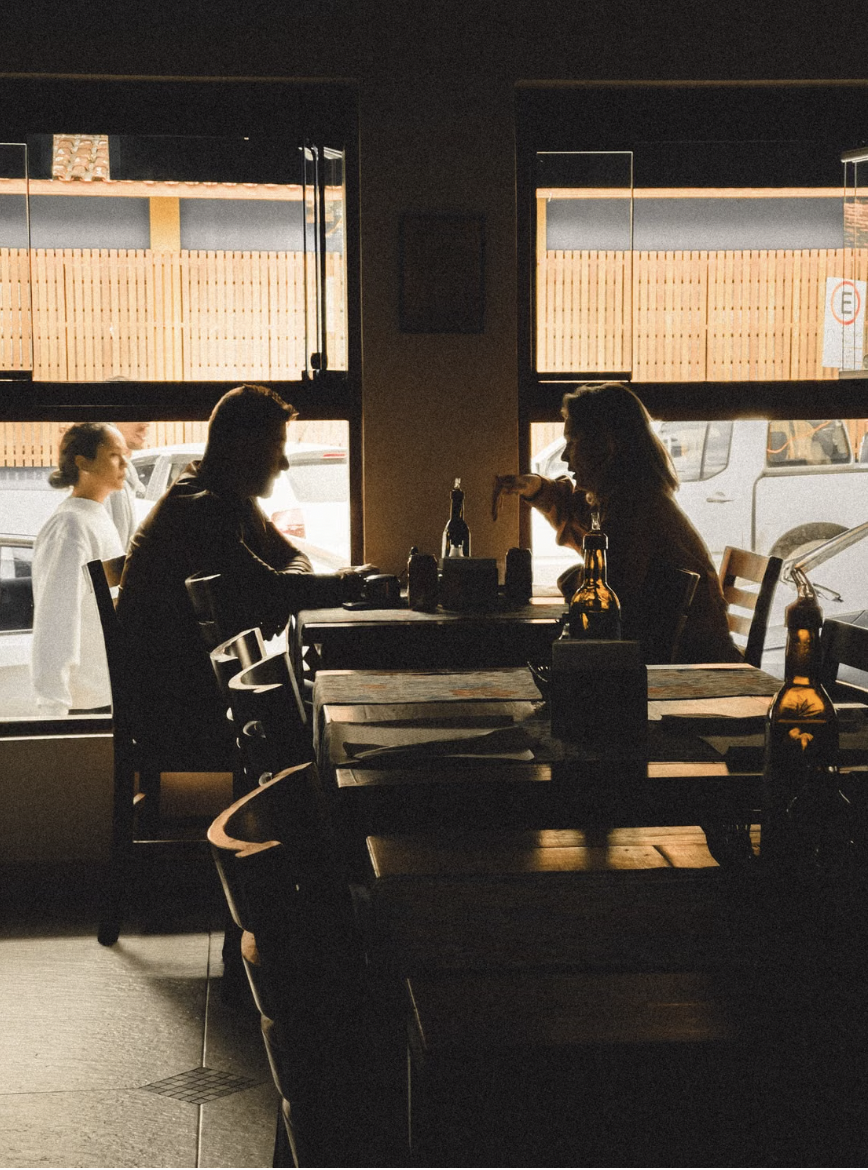
“I ran a café of my own before I ever worked in financing, so I understand the risks when a piece of equipment fails, or you’ve outgrown your current appliances, and you don’t have the cash to fix it or upgrade,” said Tyrone Ho, President of EconoLease. “As bills continue to pile up, operators need the flexibility to get the equipment when they actually need it and to adjust as their business changes. That’s the problem Rent-Try-Buy was built to solve.”
Opening a hospitality business in Canada comes with surprise costs
The financial pressure begins before operators ever open their doors, with many overshooting their budgets as they face surprise costs, said the report.
- The median cost to open a hospitality business in Canada is $325,000 CAD, with café or bakery, fast-casual and full-service or casual dining operators all reporting the same median startup cost.
- The most expensive types of establishments to open are hotels with food and beverage operations ($750,000 CAD†) and franchise operations ($750,000 CAD†). Meanwhile, the least expensive is a catering company at $212,500 CAD†.
- Opening a café or bakery in the U.S. is cheaper than in Canada ($325,000 CAD† in Canada vs. about $139,00 CAD† in the U.S.).
- More than one in four (26%) of Canadian operators said their startup costs exceeded their original budget by 10% or more, while 88% were surprised by at least one startup cost.
- Commercial kitchen equipment (41%), fit-out and renovations (37%), and rent, lease and loan deposits (28%) were the expenses most likely to catch operators off guard.
- Only 37% of Canadian operators turned a profit within their first year, compared to 59% of their U.S. peers.
Despite persistent cost pressures, the findings show that Canadian operators are focused on optimizing their cash flow through smarter pricing strategies and equipment investments. As they navigate higher expenses, equipment needs, and significant startup costs, access to flexible financing options can help businesses preserve cash flow while continuing to invest in the tools they need to operate and grow, said EconoLease, which is part of SilverChef Group, an Australian-founded hospitality equipment financier established in 1986 by equipment dealer Allan English.
Pressures facing restaurants
Ho said restaurants are being squeezed from several directions at once. Food and beverage costs remain the most widespread concern, while labour, rent, utilities, insurance and equipment expenses have also increased. At the same time, economic uncertainty is making it harder for restaurant operators to predict demand and plan confidently.
“These pressures are not sustainable if restaurants are expected to absorb them indefinitely. Operators have already responded by raising prices, adjusting menus, renegotiating with suppliers, and finding efficiencies wherever possible. The restaurants best positioned to manage these pressures will be those that can protect their cash flow while continuing to invest in the equipment and technology needed to operate efficiently,” he said.
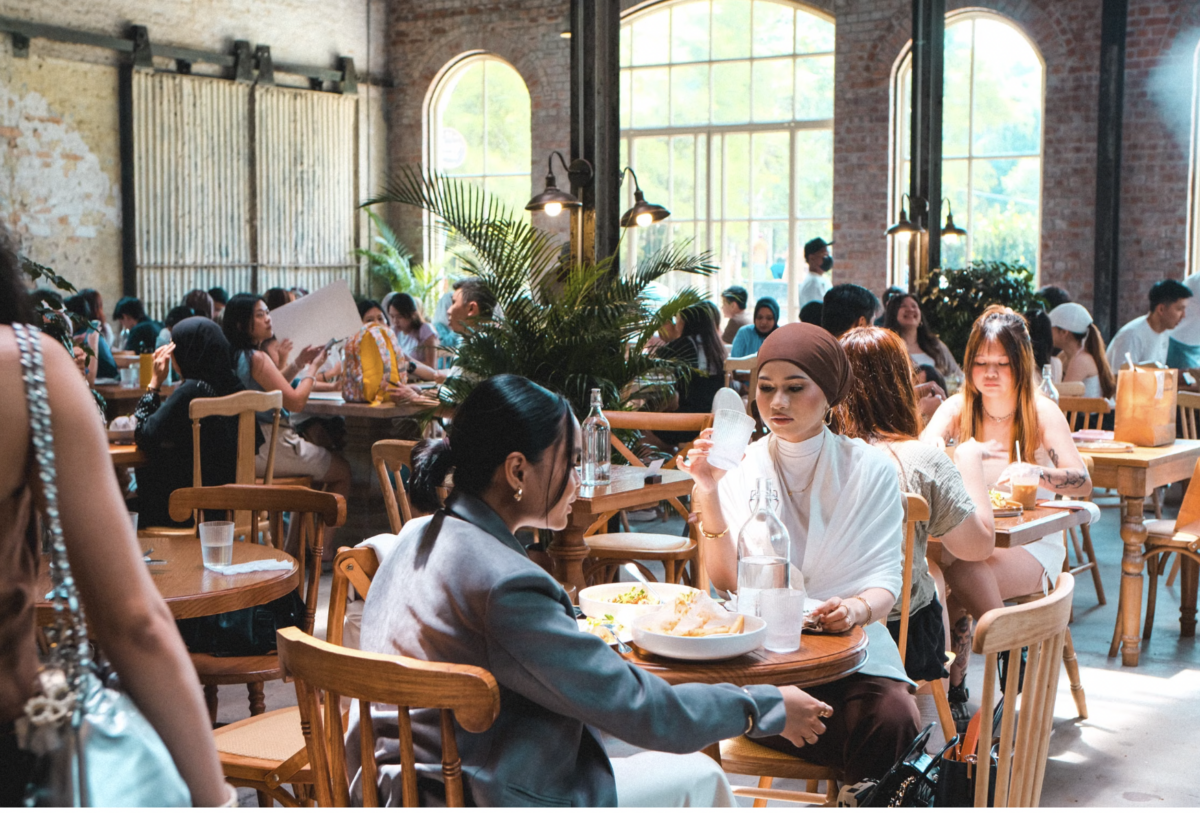
How much more pricing pressure can restaurants put on consumers?
Ho said there is no single tipping point for how much restaurants can hand off to consumers because pricing power varies by restaurant, market, and customer base. However, consumers have become increasingly value-conscious, and many restaurants are approaching the limit of what they can pass along without affecting visit frequency, order size or overall traffic.
“Further increases need to be highly strategic rather than applied across the entire menu. Operators can focus on specific items, introduce different portions or price options, refine their menus, and improve back-of-house efficiency. Menu pricing can be part of the response, but it cannot be the only lever restaurants rely on,” he noted.
Financial health of the industry
Canada’s restaurant industry is feeling the pressure; delaying critical equipment upgrades is just one symptom. It shows that many otherwise viable restaurants are facing real cash-flow constraints. Delaying an upgrade may preserve capital in the short term, but it can also indicate that operators do not have enough financial flexibility to make investments that are important to their businesses, explained Ho.
“This creates a difficult cycle. Older equipment can require more maintenance, consume more energy and become less reliable, adding further costs and operational risk. Restaurants need access to financing options that allow them to obtain essential equipment without tying up the working capital they need for payroll, inventory and day-to-day operations,” he said.
The most important equipment investments
The most important investments are those that directly improve reliability, productivity and cost efficiency. That can include refrigeration, cooking equipment, dishwashing systems, ventilation, point-of-sale technology, and equipment that reduces energy use or helps teams work more efficiently, said Ho.
“Continuing to delay these upgrades can lead to higher utility and repair costs, slower service, food waste, and unexpected downtime. A major equipment failure can be especially damaging because it may force a restaurant to reduce its menu or temporarily close. The right investment should help strengthen the operation without putting unnecessary pressure on its cash reserves,” he said.
Biggest challenges facing the industry over the next 12 months
Over the next 12 months, the biggest challenge in Canada’s restaurant industry will be protecting already-thin margins while consumers remain cautious and nearly every major operating expense stays elevated. Restaurants will also have to manage labour pressures, economic uncertainty, aging equipment, and limited access to working capital, said Ho.
“Restaurant operators cannot control the broader economy, but they can focus on the parts of the business within their reach: simplifying menus, reducing waste, improving productivity through smart equipment decisions, and making disciplined investments. Despite the challenges, our research found that 83% of operators remain optimistic about the next 12 months. That resilience is encouraging, but restaurants will need practical financial tools and the flexibility to adapt as conditions change,” he said.
More from Retail Insider: