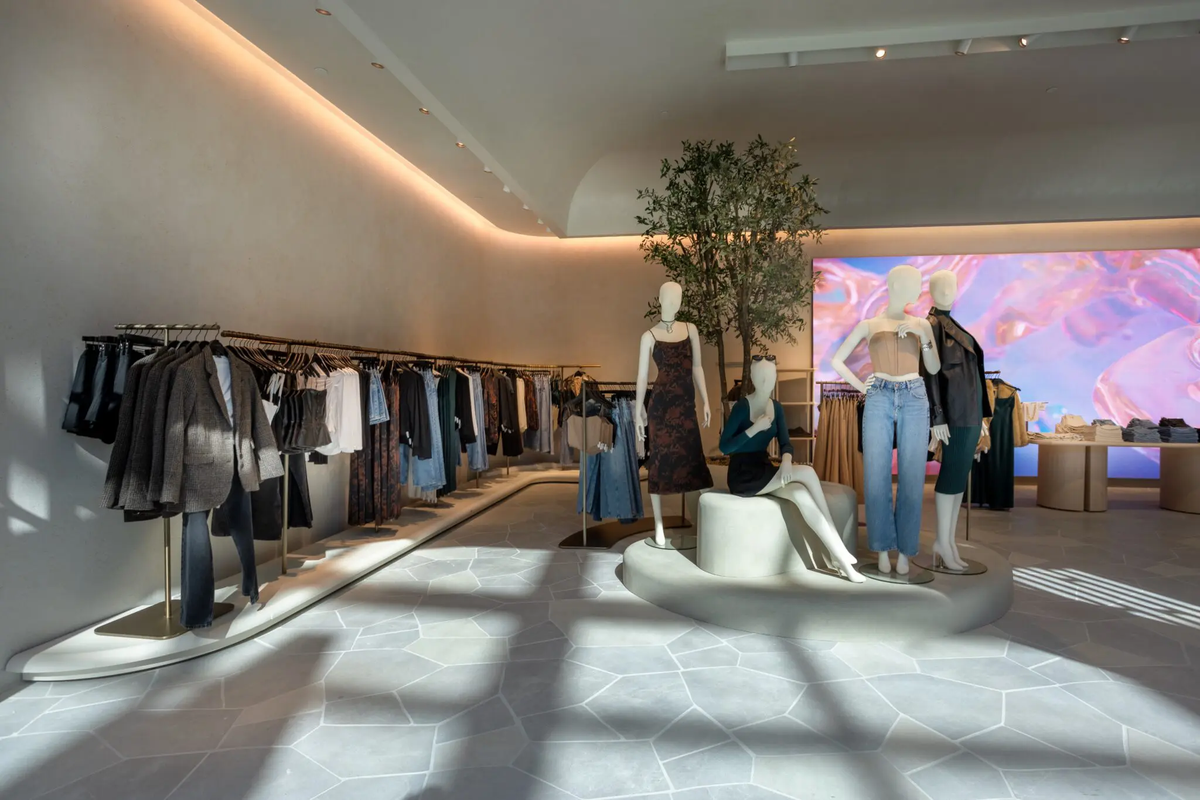
At Royalmount in Montreal, Groupe Dynamite has given its established Dynamite fashion banner a new look. The store, spanning more than 8,000 square feet, combines contemporary interior design, curated merchandise and personal styling services in a setting influenced by premium fashion boutiques.
Opened in September 2024, the Royalmount location introduced the company’s new flagship direction, commonly known as Dynamite 3.0. The concept has since expanded to other Canadian shopping centres as the retailer works to strengthen Dynamite’s position in the competitive women’s fashion market.
The approach reflects Groupe Dynamite’s emphasis on improving the performance of its physical retail network. For Dynamite, the opportunity lies in making established locations more productive through merchandise presentation, customer service and store design.
A New Direction for Dynamite
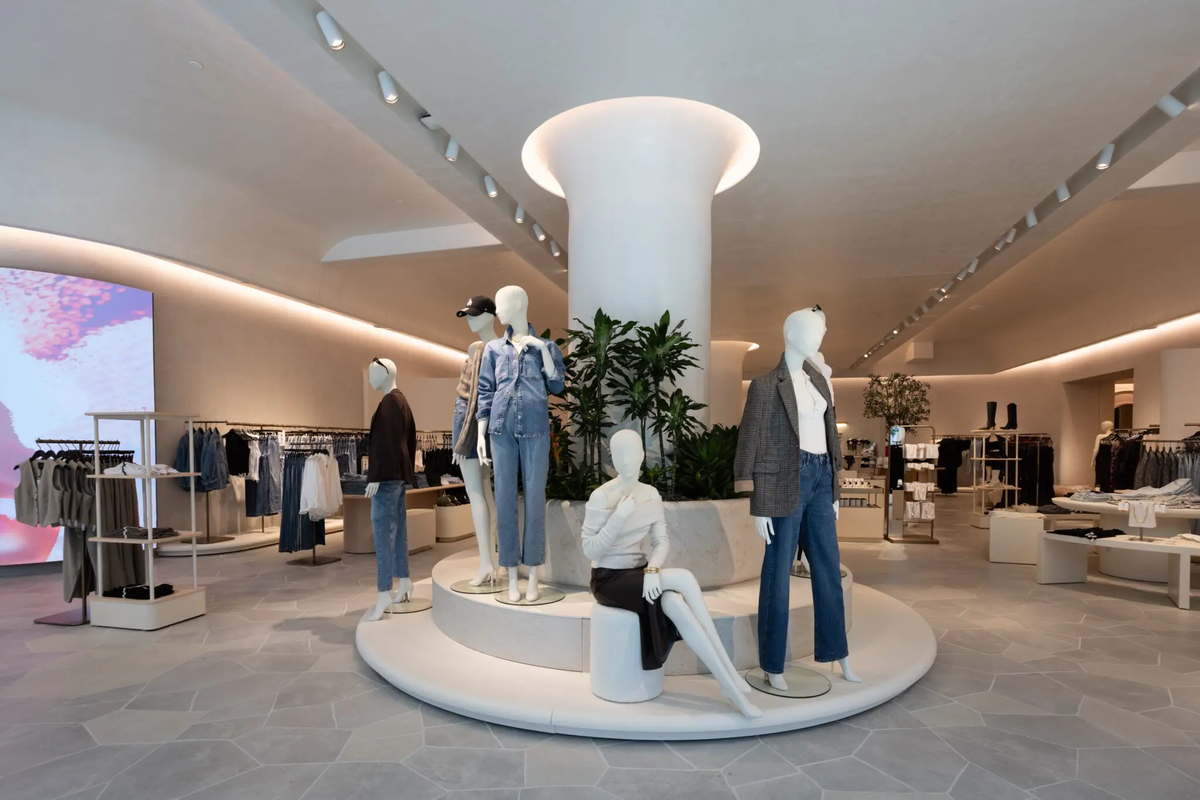
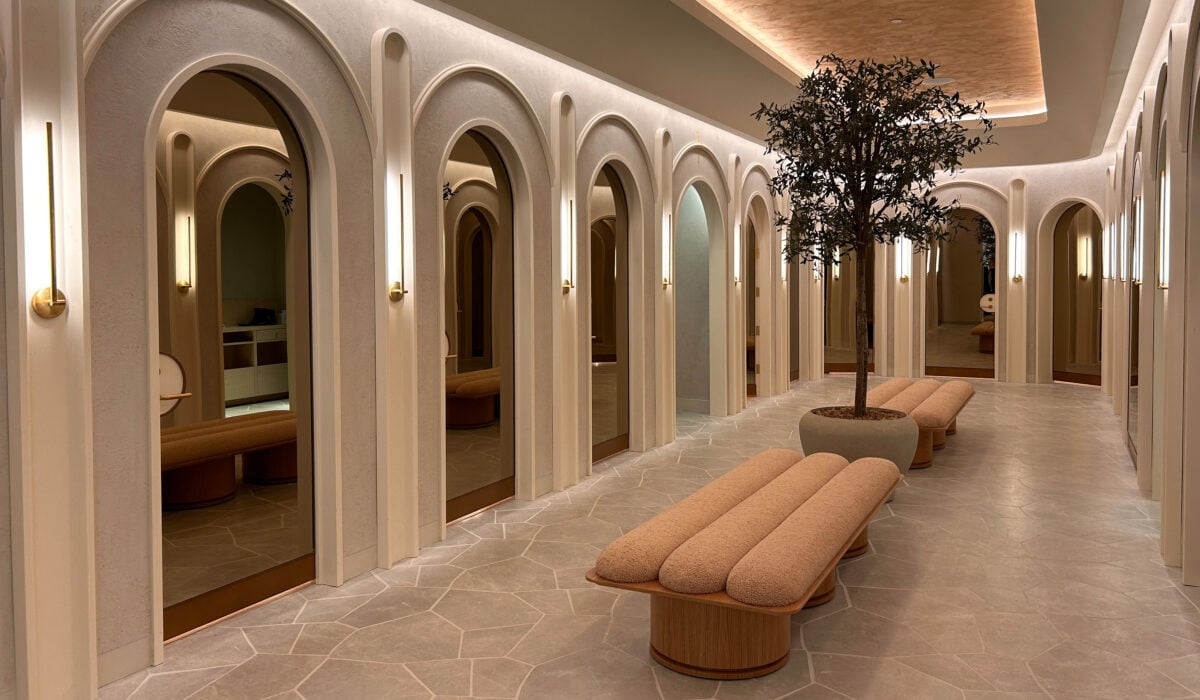
Dynamite 3.0 brings elements of higher-end fashion retail into an accessible contemporary clothing business. At Royalmount, the concept features curated collections, exclusive merchandise capsules, on-site stylists and fitting rooms designed to accommodate personalized service.
The investment accompanies a shift in Dynamite’s merchandise positioning. When Royalmount opened, the company described an increased emphasis on trend-driven clothing and versatile wardrobes, moving beyond the traditional workwear assortment with which the brand had long been associated.
Personal styling is a tangible part of that strategy. Dynamite offers complimentary appointments covering outfit selection, wardrobe refreshes and gift shopping, with sessions generally lasting between 30 and 60 minutes and no minimum purchase required.
The service gives associates an opportunity to work more closely with customers while introducing merchandise across different categories. For a retailer seeking to build repeat business, that relationship can be valuable, provided the additional labour contributes to stronger sales.
Store design serves a similar commercial purpose. Merchandise presentation influences how products are perceived, while a cohesive environment can help reinforce the brand’s identity across locations.
These improvements carry costs. Larger stores, more elaborate interiors and additional services require investment, making the sales generated by upgraded locations central to evaluating their performance.
Dynamite 3.0 Expands Across Canadian Shopping Centres
Royalmount established the direction for the new concept, with Groupe Dynamite subsequently introducing upgraded locations elsewhere in Canada. The company opened an approximately 8,000-square-foot flagship at West Edmonton Mall, bringing curated collections and personalized styling services to the Western Canadian market.
The newer concept has also appeared at Promenades St-Bruno and CF Carrefour Laval in Quebec. The Carrefour Laval store reopened in its updated format by December 2025, extending the retailer’s investment in more sophisticated shopping environments.
The rollout fits Groupe Dynamite’s wider emphasis on strengthening its retail portfolio. The company has been concentrating investment in stronger shopping centres and improving selected locations as it seeks higher productivity across its network.
For an established retailer, renovating or relocating a store can offer a different growth opportunity from entering an unfamiliar market. Existing customer recognition provides a foundation, allowing the investment to concentrate on the shopping environment, merchandise presentation and use of selling space.
The approach also carries implications for shopping centre owners. Retailers investing in upgraded stores can strengthen a property’s fashion offering, particularly in centres competing to attract brands capable of generating sustained customer traffic.
The economics still depend on sales performance, occupancy costs and the return generated by the capital invested. An attractive store may improve a shopping centre’s presentation, but the retailer must generate enough additional business to justify the expenditure.
The Business Case for Better Stores
Groupe Dynamite’s financial performance provides context for its investment in physical retail. The company has reported substantial growth while pursuing a strategy focused on stronger locations, merchandise management and store productivity.
During the second quarter of fiscal 2026, revenue reached $423.6 million, an increase of 29.8% from a year earlier. Comparable-store sales grew 10.3%, while retail sales productivity increased 28.9% to $1,056 per square foot.
Those figures cover Groupe Dynamite’s broader operations, including Garage and Dynamite. They do not establish the financial contribution of Dynamite 3.0 independently.
Sales per square foot indicates how effectively a retailer generates revenue from its space, but it does not account for the full cost of developing and operating a store. Larger locations can accommodate broader assortments and more elaborate merchandise displays, although they may also carry higher construction, staffing and occupancy expenses.
For Dynamite 3.0, the commercial opportunity is to improve conversion, encourage larger purchases and give customers more reasons to return. The company has not publicly established how much of its recent sales growth can be attributed to the updated format.
Groupe Dynamite’s broader merchandise strategy adds another consideration. The company has focused on improving inventory turnover and responding quickly to consumer demand, supporting its efforts to limit excess merchandise and maintain regular-price selling.
A more sophisticated store environment can complement that approach by improving how products are presented. Its financial value will depend on the results achieved at individual locations.
Two Brands, Different Growth Priorities
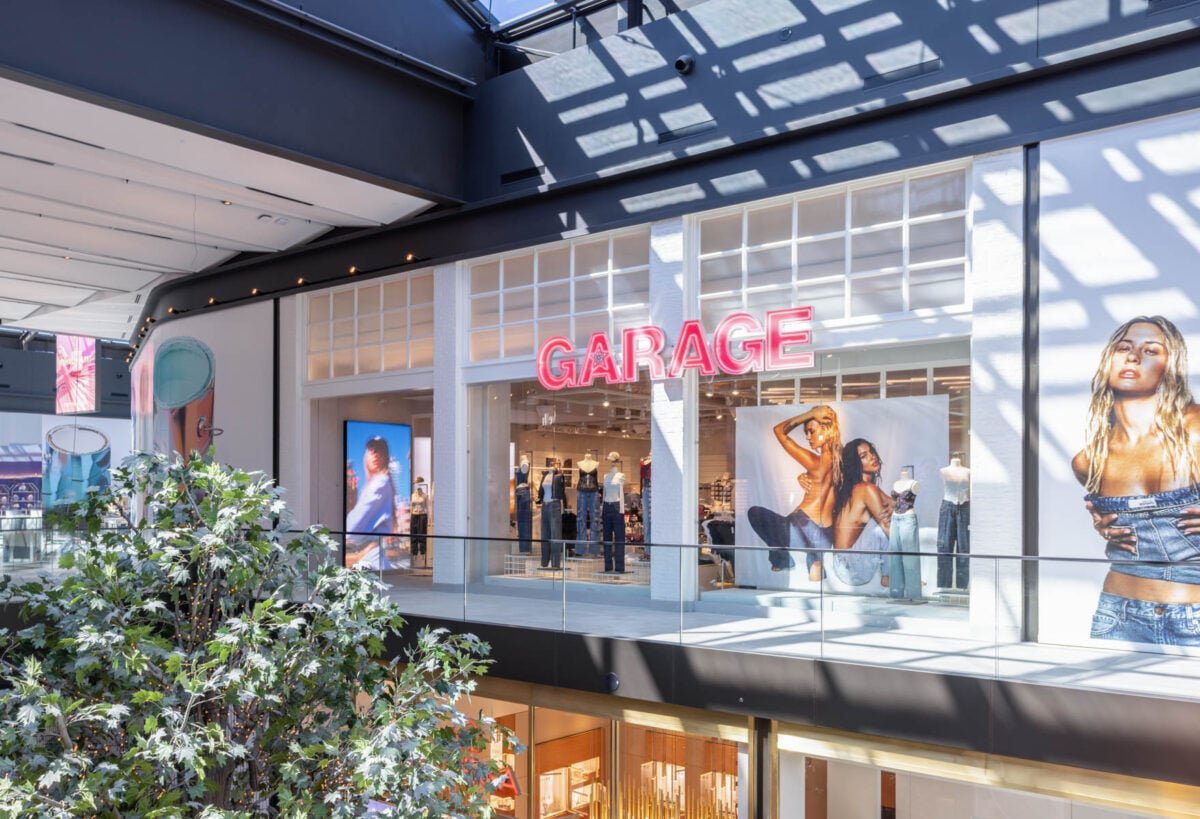
The investment in Dynamite’s Canadian stores comes as Groupe Dynamite continues expanding Garage internationally. The two banners are pursuing different opportunities within the company’s broader growth strategy.
Garage has become a major growth vehicle, particularly in the United States. During the second quarter, Groupe Dynamite opened seven Garage stores, including six in the U.S. and one in the United Kingdom.
Dynamite’s current transformation is more closely tied to its established Canadian business. Its upgraded stores are intended to strengthen the brand’s appeal in shopping centres where it already has considerable recognition.
Garage is extending its reach into new markets, while Dynamite is concentrating on the quality and performance of its existing retail presence. Both strategies depend on the company’s ability to maintain productive stores and respond effectively to customer demand.
Measuring the Return on Dynamite 3.0
Dynamite 3.0 represents a substantial investment in the customer experience, bringing more sophisticated interiors and personalized services to an established Canadian fashion brand. The concept gives Groupe Dynamite another way to compete for customers within the country’s major shopping centres.
The next measure of success will be financial. Higher conversion rates, stronger transactions and improved store profitability would provide evidence that the investment is delivering a return beyond a more attractive shopping environment.
For Canadian shopping centre owners, the rollout illustrates the value of retailers willing to reinvest in established locations. Those investments can strengthen a property’s fashion offering, although their long-term success depends on sustainable economics for both landlords and tenants.
Groupe Dynamite has demonstrated strong sales productivity across its broader business. The performance of Dynamite 3.0 will offer a more specific indication of whether its investment in a premium-inspired shopping experience can deliver comparable results for the Canadian banner.