Corby Spirit and Wine Limited, a Canadian manufacturer, marketer and importer of spirits, wines and ready-to-drink cocktails (RTDs), announced Wednesday its financial results for the three-month period ended September 30, 2026, calling Q1 a solid performance with continued RTD revenue growth offsetting a soft spirits market.
Highlights:
- Q1 Organic Revenue of $70.1 million (+1% year-over-year) and reported Revenue of $72.5 million (-4% year-over-year)
- Strict cost discipline leading to Q1 Adjusted EBITDA of $22.2 million (+10%)
- Q1 Adjusted Net Earnings of $13.0 million (+18%) (Reported +171%)
- Quarterly Dividend declared of $0.25 per share
“Fiscal 2027 is off to a solid start, with topline continuing to benefit from the diversity of our portfolio as growth in RTD brands offsets softness in spirits performance. We expect the spirits market to remain uncertain and volatile for the foreseeable future, especially given the potential for U.S. products to return to shelves. We remain disciplined in managing our cost base while continuing to invest behind our strategic priorities, with a focus on delivering profitable growth, maintaining a strong balance sheet and supporting a sustainable dividend for shareholders,” said Corby’s President and Chief Executive Officer, Florence Tresarrieu.

Financial Results
“Organic revenue, which excludes the contributions in both the current period and the comparable period from disposed brands (i.e., Lamb’s, Ace Hill and Liberty Village), was $70.1 million, an increase of $1.0 million or 1%, lapping very strong Q1 revenue growth in the prior year of 16%. Reported revenue for the first quarter of fiscal 2027 was $72.5 million, a decrease of $2.9 million or 4% compared to the same period last year primarily due to the sale of the Lamb’s rum brand in the quarter,” said the company.
“Organic revenue was influenced by:
- Organic domestic case goods revenue was $58.8 million, up 3% year-over-year due to continued growth in the RTD brands driven by pricing gains from mark-up changes in Ontario and Alberta. This offset soft domestic spirits performance lapping a strong prior year period that benefitted from the removal of U.S-origin products across various provincial liquor boards.
- Commissions revenue was $9.0 million, a 10% increase year-over-year, reflecting the addition of CDMI commissions and higher agency commissions under the Vinarchy representation agreement which more than offset soft performance in PR brands.
- Organic export revenue totaled $1.4 million, a decrease of 44% year-over-year, driven by the transition of U.S distribution and unfavourable order phasing in Sweden and Turkey.”
Market Trends
Corby said it has operated in an evolving beverage alcohol environment characterized by ongoing moderation trends and heightened value-seeking behaviour.
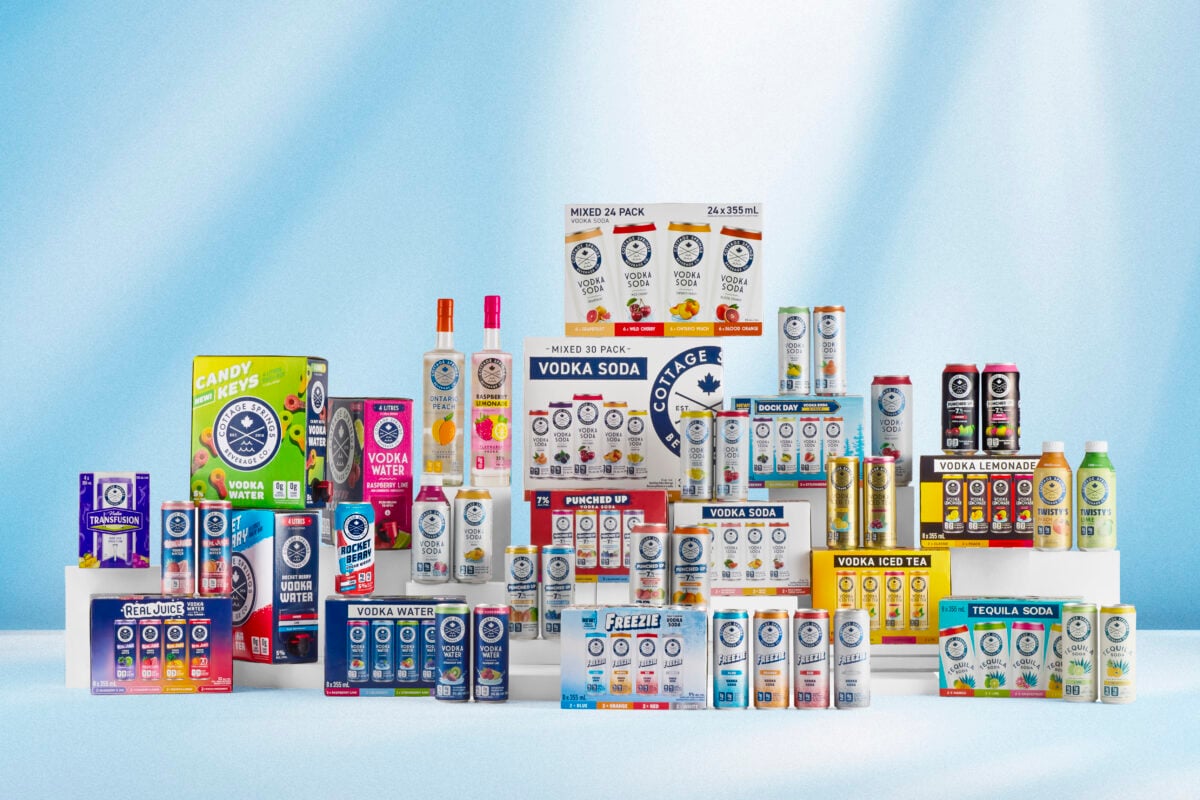
“The overall spirits category declined -3.7% in value year-over-year, while Corby’s total spirit brands declined -6.0% in retail value, cycling an elevated baseline comparative from consumer-driven stock-up post the US product ban implementation, coupled with enhanced competitive pressure in vodka and Canadian whisky categories and a shifting pricing landscape. In parallel, Corby’s RTD brands softened, declining -1.3% in volume terms over the same period, while the overall RTD industry contracted -2.3%, largely reflecting the normalization of benefits from Ontario’s Grocery and Convenience channel expansion over the last two fiscal years,” it said.
“On a rolling twelve-month basis ended August 31, 2026, the overall spirits industry declined -4.5% in value year-over-year, while Corby’s total spirit brands declined -2.0% in retail value, with the US product ban and “Proudly Canadian” sentiment boosting portfolio performance. Corby RTD brands grew +7.7% in volume outpacing the total RTD category growing +2.7%. While recent performance reflects a more challenging and competitive operating environment, Corby’s brand strength, commercial capability, and disciplined portfolio choices will support continued ability to compete profitably as growth shifts from access expansion to execution-led advantage.”
More from Retail Insider: