Corby Spirit and Wine Ltd. is leaning into the fast-growing ready-to-drink beverage market while working to strengthen consumer loyalty to its Canadian whisky brands as changing drinking habits and shifting market conditions reshape the alcohol industry.
Five months into her role as chief executive, Florence Tresarrieu said the company is benefiting from long-term changes in consumer behaviour that favour convenience, portion control and premium products, trends she expects will continue rather than reverse.
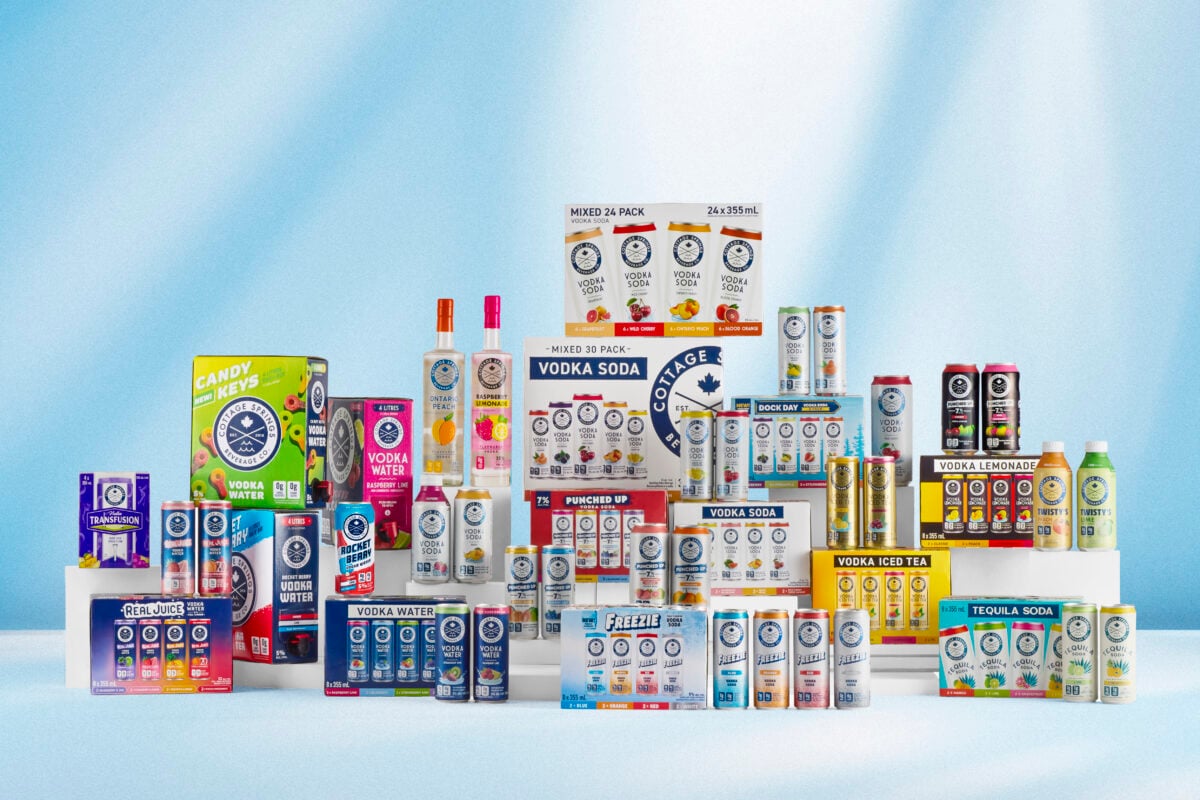
“We see a massive growth in ready-to-drink, the cocktail in the cans,” Tresarrieu said in an interview. “This is growing extremely fast.”
The shift is central to Corby’s strategy because the category represents a significant share of the company’s business and continues to outpace more traditional segments of the alcohol market.

Tresarrieu, who joined Corby after eight years with majority shareholder Pernod Ricard, said she was drawn to the opportunity to lead an operating business after spending much of her career in finance, capital markets and investor relations.
Before joining Pernod Ricard, she spent two decades in investment banking, working in London, Asia and Dubai. She said she had been seeking an opportunity to run a business and accepted the Canadian position as soon as it was offered.
“I was super eager to be on the field and then to be running an affiliate, so a country by myself,” she said. “Putting my feet on the ground and seeing it for myself, going to the stores, and being very operational was definitely something that I was super keen on doing.”
Consumer preferences continue to evolve
Tresarrieu said Canadian consumers are following many of the same purchasing trends seen elsewhere in the world.
People are generally drinking less alcohol overall, she said, but placing greater emphasis on quality rather than quantity. At the same time, consumption is shifting away from beer and wine toward ready-to-drink beverages.
While spirits have also experienced some decline, she said the category has held up better than beer and wine.
According to Tresarrieu, consumer research points to several reasons behind the rapid growth of ready-to-drink products.
Convenience remains the primary driver, with canned cocktails offering portability and ease of consumption. She also said improvements in product quality have helped distinguish the category from earlier coolers and seltzers.
Economic pressures are also influencing purchasing decisions.
“Alcohol is not a must-have — it’s something you do to treat yourself,” she said. “People have less money, so they’re making choices.”
Portion control has also become increasingly important, she said, with consumers appreciating clearly labelled serving sizes, alcohol content and sugar levels.
For those reasons, Tresarrieu said she expects the category to remain a permanent part of the alcoholic beverage market.
“I don’t think it’s a fad,” she said. “I think lifestyle choices are something we’re seeing across the board in consumable products, not just alcohol.”
Younger consumers changing how they drink
Tresarrieu said younger consumers are often viewed as drinking substantially less than previous generations, but she believes the reality is more nuanced.
Rather than abandoning alcohol altogether, younger adults are drinking less frequently and making more deliberate purchasing decisions.
“It’s much more intentional,” she said. “They want to drink on specific occasions.”
That group also places greater emphasis on quality, convenience and knowing exactly how much they are consuming, she said.
Cost pressures are playing an important role as well.
Tresarrieu said younger consumers consistently identify affordability as the biggest reason for reducing wine consumption, followed by lifestyle changes and spending less time socializing in person.
“They are the ones we feel are under the most pressure because everything is getting a lot more expensive,” she said.
Those factors, she said, continue to reinforce demand for ready-to-drink products.
Canadian whisky sees boost amid trade tensions
Corby has also experienced stronger demand for its Canadian whisky portfolio during trade disruptions affecting U.S. products.
Tresarrieu said the company’s flagship Canadian whisky brands have benefited as consumers and hospitality operators shifted purchasing decisions.
She said Lot 40 recorded a 120 per cent increase in sales over the past 12 months.
“It’s not a huge brand, but the increase is very telling,” she said.
She also pointed to changing inventories in bars and restaurants, where Canadian whisky has replaced bourbon in some cases.
The company has also seen stronger sales of Jameson Irish Whiskey, she said.
Despite those gains, Tresarrieu said Corby is planning with the expectation that U.S. products will eventually return to store shelves.
“We don’t expect U.S. products to be off the shelf forever,” she said.
The company’s focus now is on converting temporary purchasing changes into longer-term customer loyalty.
“We need to build loyalty toward Canadian whisky and the portfolio, making sure it sticks.”

Positioning for long-term growth
Tresarrieu said Corby’s early investment in ready-to-drink beverages continues to differentiate the company within the spirits industry.
The company entered the category through an acquisition three years ago, giving it what she described as an early-mover advantage in a rapidly evolving market.
Today, she said, ready-to-drink products account for roughly 40 per cent of Corby’s revenue, while spirits generate the remaining 60 per cent.
She said the company continues to gain market share in spirits while participating in one of the industry’s fastest-growing segments.
“What is very specific with Corby… is that almost 30 per cent of our sales are in RTD,” she said, adding that the category has become a defining part of the company’s business strategy.
Looking ahead, Tresarrieu said her priority is ensuring investors and the broader market understand Corby’s position as consumer preferences continue to evolve.
“It’s a great story to tell in the spirits business, or in the alcoholic beverages business, which is a big challenge at the moment.”
More from Retail Insider: