French sporting goods retailer Decathlon is moving ahead with two new Quebec stores, continuing its Canadian expansion little more than a year after closing all five of its Greater Toronto Area locations. The company is also exploring smaller store formats and further growth in Western Canada, suggesting its approach to the Canadian market is changing.
A 30,000-square-foot store is planned for Fleur de Lys in Quebec City, with an opening scheduled for summer 2027. Another location is set to open in Saint-Bruno-de-Montarville on November 14, adding to a network that remains heavily concentrated in Quebec.
The contrast with Ontario is striking. Decathlon withdrew from five GTA locations in 2025, but its latest investments suggest the company still sees room to expand in Canada, provided it can find the right combination of store size, location and customer demand.
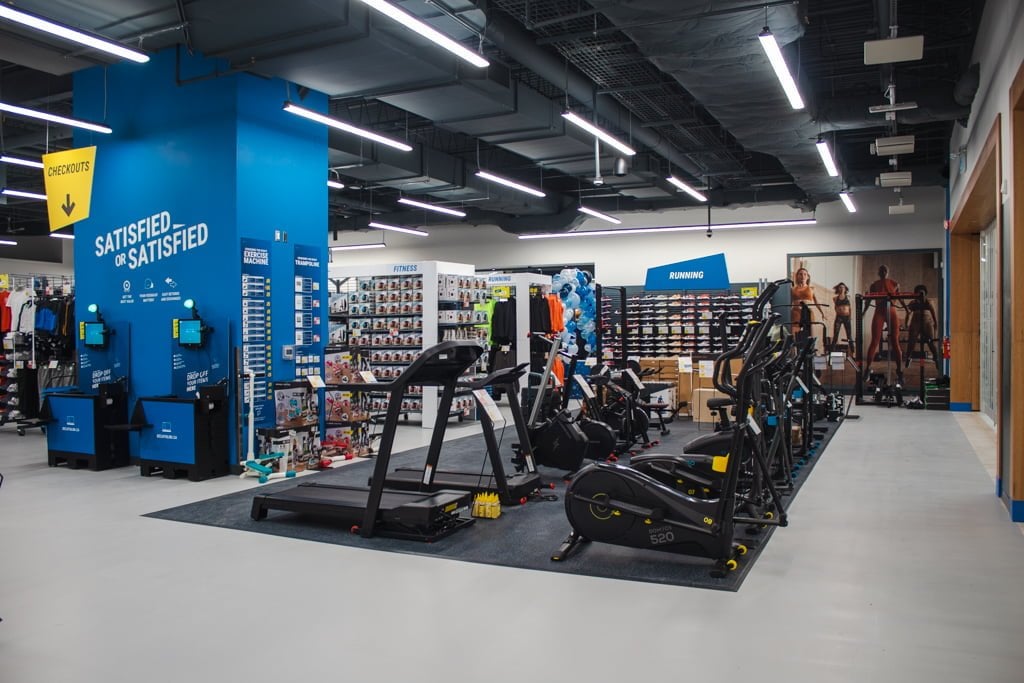
Two New Quebec Stores
The Fleur de Lys store will occupy approximately 30,000 square feet in the former Sears building at the Quebec City shopping centre, which is undergoing a $2-billion mixed-use redevelopment led by Trudel.
The location is expected to create about 30 jobs and open in summer 2027. It will become Decathlon’s third store in the Quebec City area.
The new store will carry sporting goods across multiple categories in a smaller space than Decathlon’s Sainte-Foy location. Elements of the former Sears building, constructed between 1960 and 1963, will be preserved as part of the redevelopment.
Decathlon is also preparing to open a roughly 36,000-square-foot store in Saint-Bruno-de-Montarville on November 14. The location occupies a former Toys “R” Us building near Promenades Saint-Bruno, which the retailer reportedly purchased for $14.8 million earlier this year.
The Saint-Bruno store is expected to employ between 60 and 70 people. Unlike Fleur de Lys, where Decathlon will occupy space within a larger redevelopment, the Saint-Bruno project involves the acquisition of an existing retail property.
Decathlon said 2026 has been a strong year for Decathlon, with sporting goods sales exceeded expectations. The company does not publicly disclose Canadian sales figures, however, making it difficult to assess how that performance compares across provinces or store formats.
The two openings are expected to bring Decathlon’s Quebec network to 13 locations, according to the regional representative.
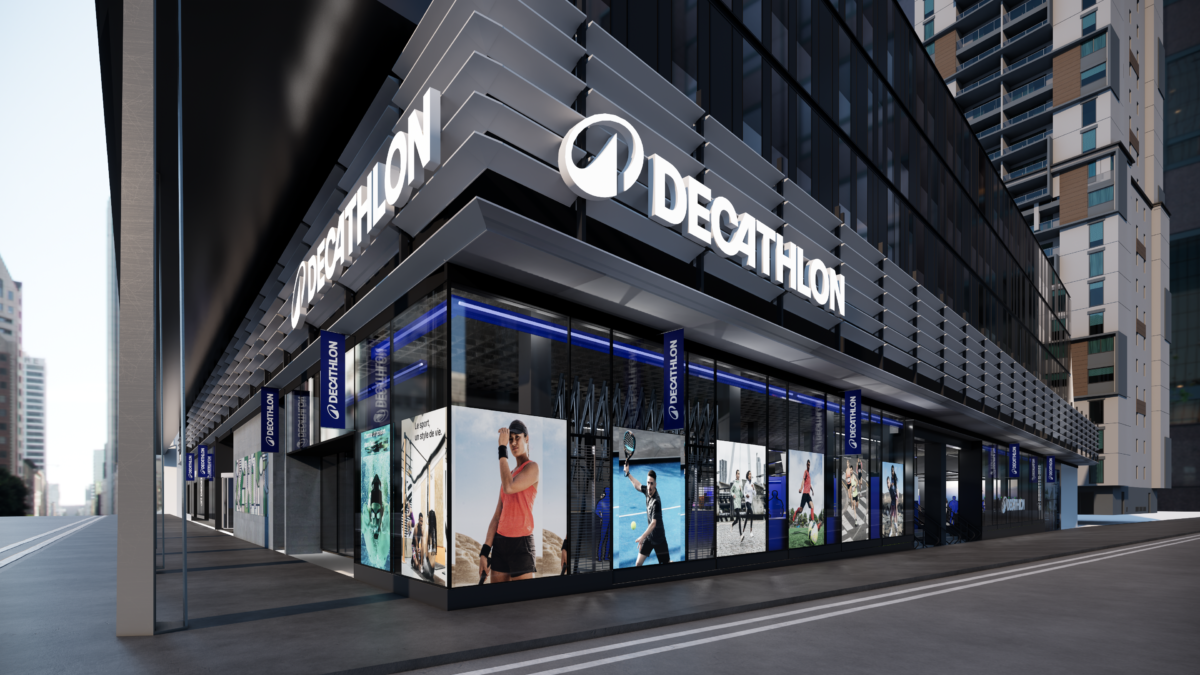
Ontario Closures Reshaped the Retail Network
The Quebec expansion follows a substantial contraction in Canada’s largest metropolitan retail market.
In June 2025, Decathlon announced the closure of its five GTA stores in Brampton, Burlington, Markham, Scarborough and Vaughan. The decision ended its existing large-format presence in the region after several years of expansion.
Decathlon entered Canada in 2018 with a store in Brossard, Quebec, introducing a concept built around an extensive assortment of sporting goods, equipment and private-label merchandise. Its subsequent expansion included large stores in shopping centres and other commercial properties, with some locations exceeding 60,000 square feet.
The company cited changing shopping habits and discussed alternative approaches to serving customers, including smaller stores, online fulfilment and wholesale partnerships. Toronto nevertheless remains a market of interest for the company. No replacement locations or opening dates have been confirmed.
Smaller Stores Could Change the Economics
Decathlon’s planned Quebec stores provide an indication of how its Canadian real estate requirements may be evolving.
Reports have identified a search for locations measuring approximately 20,000 to 30,000 square feet, compared with former GTA stores ranging from roughly 35,000 to more than 60,000 square feet.
The 30,000-square-foot Fleur de Lys location fits the upper end of that reported range, while Saint-Bruno is somewhat larger.
For a retailer selling products across dozens of sporting categories, smaller stores offer potential savings but also introduce constraints. Less floor space can reduce occupancy requirements and some operating expenses, although it limits how much inventory and equipment can be displayed.
Decathlon’s assortment spans cycling, camping, hiking, fitness, team sports and outdoor apparel. Its larger stores have traditionally allowed customers to compare equipment and browse a broad selection of merchandise, an important part of the company’s retail proposition.
Operating within a smaller footprint requires decisions about which categories deserve space, how much inventory to carry and which purchases can be supported through online ordering. The financial benefits depend on whether lower operating costs compensate for any reduction in sales capacity.
Sam Winberg and Justin Pearlstein of Aurora Realty Group have been retained to identify Canadian locations, including opportunities in enclosed shopping centres and power centres.
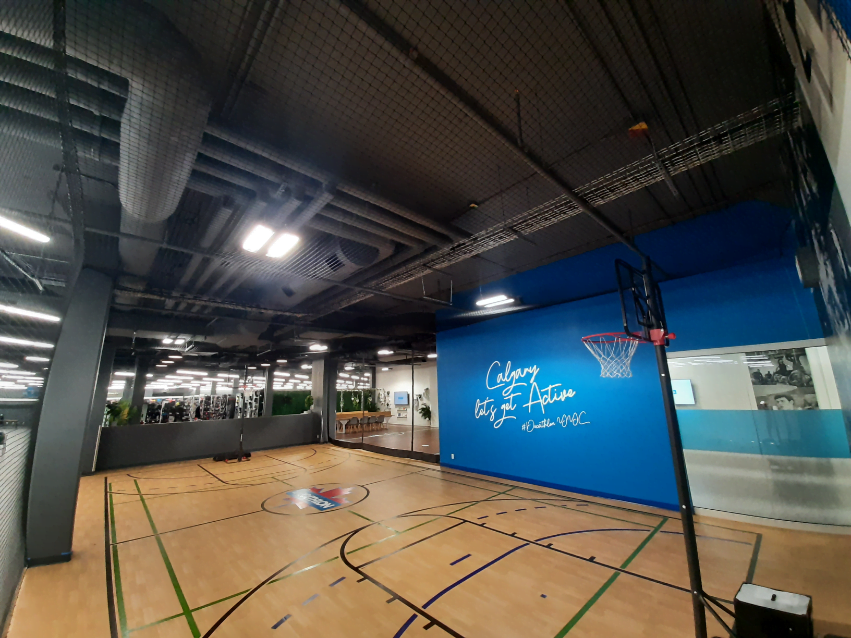
Western Canada and Toronto Remain Growth Opportunities
Western Canada is another market Decathlon is considering for further expansion, building on its existing presence in Alberta and British Columbia.
The retailer operates stores at CF Market Mall and Southcentre Mall in Calgary, along with a location at Metropolis at Metrotown in Burnaby. Its western network remains relatively small compared with Quebec, where the company has concentrated much of its Canadian expansion.
Toronto also remains a potential market despite the closures in 2025. A return with different store sizes or locations would provide a clearer test of whether Decathlon can establish a sustainable business in the region.
For now, the distinction between confirmed openings and possible future markets is important. The company’s Canadian ambitions extend beyond Quebec, but its announced store pipeline remains more limited.
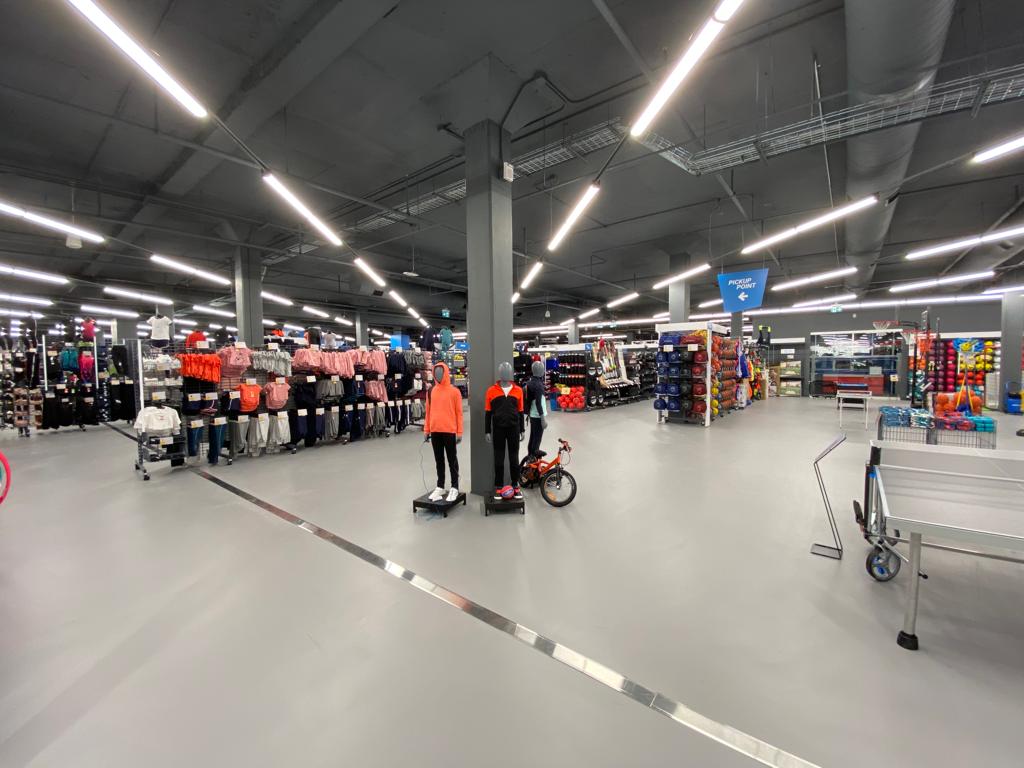
Fleur de Lys Redevelopment Brings a New Customer Base
Decathlon’s Quebec City location will be part of a redevelopment that is changing Fleur de Lys from a conventional shopping centre into a mixed-use district.
Trudel acquired the property in 2018 for approximately $60 million and is undertaking a redevelopment valued at about $2 billion. Plans include roughly 4,500 residential units, with more than 1,000 already completed or expected to be delivered in the near term.
Existing retailers including Walmart and Maxi are remaining at the property, while Decathlon is the first newly confirmed retail partner for the redeveloped district.
David Chabot, Trudel’s head of communications and director of the president’s office, told Le Journal de Québec that negotiations with additional retailers were progressing. No further agreements were identified in the report.
The residential component could eventually give Decathlon access to a substantial nearby customer base, alongside shoppers from the wider Quebec City market. The commercial benefit will depend on the pace of residential occupancy, access to the site and how effectively the store serves local demand.
The reuse of the former Sears building is also notable. Across Canada, former department store properties have presented landlords with the challenge of finding new tenants capable of occupying large spaces, often requiring substantial renovations or subdivision.
Decathlon’s planned location illustrates one approach, placing a sporting goods retailer within an older building that is being incorporated into a much larger redevelopment.
Competition and the Next Phase of Canadian Growth
Decathlon’s expansion comes amid changes in Quebec’s sporting goods market.
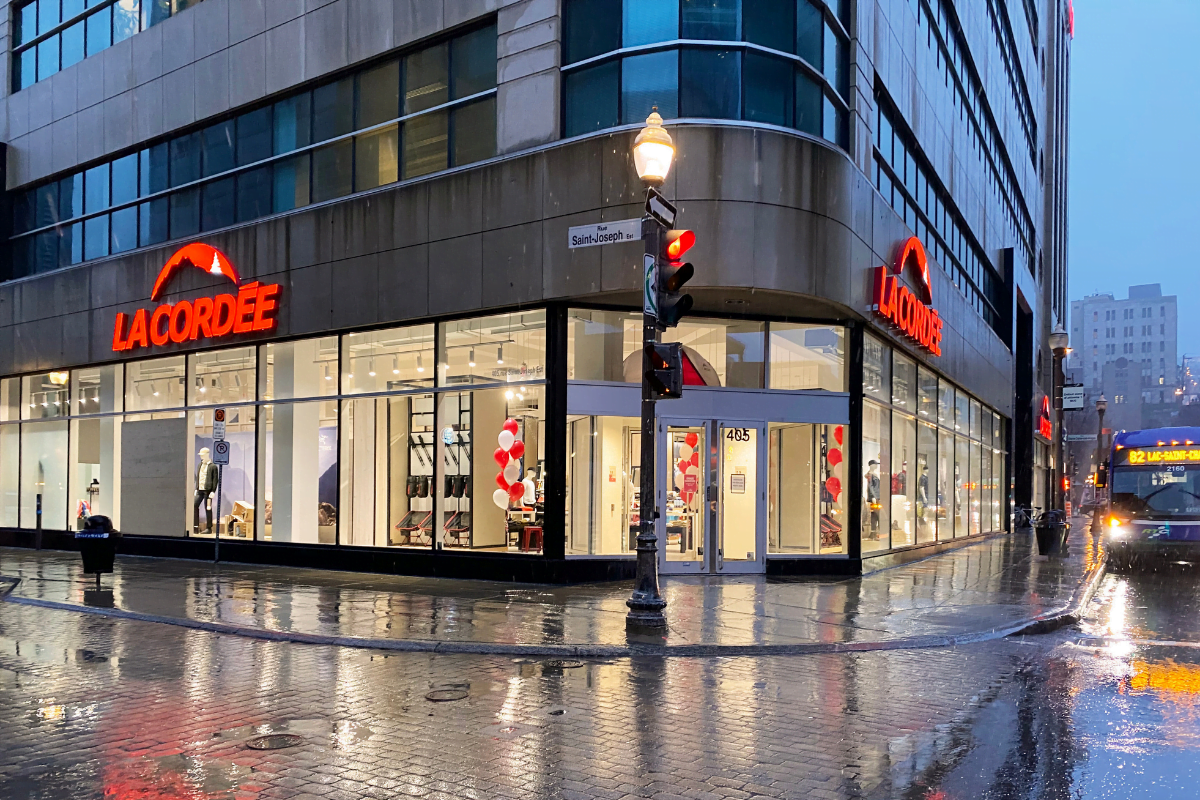
Outdoor equipment retailer La Cordée announced its closure in September after more than 70 years in business, potentially leaving customers looking for alternative suppliers of camping, hiking and outdoor equipment. Decathlon sells products in many of those categories, although its broader assortment and value-oriented positioning differ from La Cordée’s specialized approach.
Decathlon has the resources of a substantial international retailer, reporting approximately €16.8 billion in worldwide net sales for 2025. Its Canadian operations are not separately disclosed, leaving little public information about store profitability or performance by market.
The latest Quebec openings confirm that Decathlon remains committed to physical retail in Canada, despite its Ontario withdrawal. They also suggest that the retailer is prepared to pursue different property types and store sizes rather than rely exclusively on the large-format approach that characterized its earlier expansion.
The next meaningful test will come outside Quebec. If Decathlon returns to Toronto or expands further in Western Canada, those stores will provide a clearer indication of whether its evolving real estate strategy can support a broader national network.