RioCan Real Estate Investment Trust recently reported record retail occupancy of 98.9 per cent as strong demand for retail space, rising rents and limited new supply drive leasing activity across its Canadian portfolio. The Toronto-based real estate investment trust completed approximately 1.1 million square feet of leasing in the third quarter, including about 900,000 square feet in lease renewals, while retaining almost 90 per cent of tenants whose leases came up for renewal.
In an interview with Retail Insider, Oliver Harrison, senior vice-president of leasing and tenant experience at RioCan, said demand is coming from a broad range of retailers, particularly grocery, value-oriented retail, fitness, restaurants, health care and childcare. RioCan recorded a blended leasing spread of 17 per cent in the third quarter, while new leasing spreads reached 19.1 per cent, reflecting the difference between rents on new and existing leases.
Harrison said the company sees further growth opportunities through rent increases as leases mature, retail infill projects and improvements to existing properties. RioCan invested $77.5 million in retail infill and asset enhancement projects during the first nine months of 2026 and expects to spend approximately $100 million on those initiatives for the full year, with plans to continue adapting its properties to changing retailer requirements and consumer needs heading into 2027.

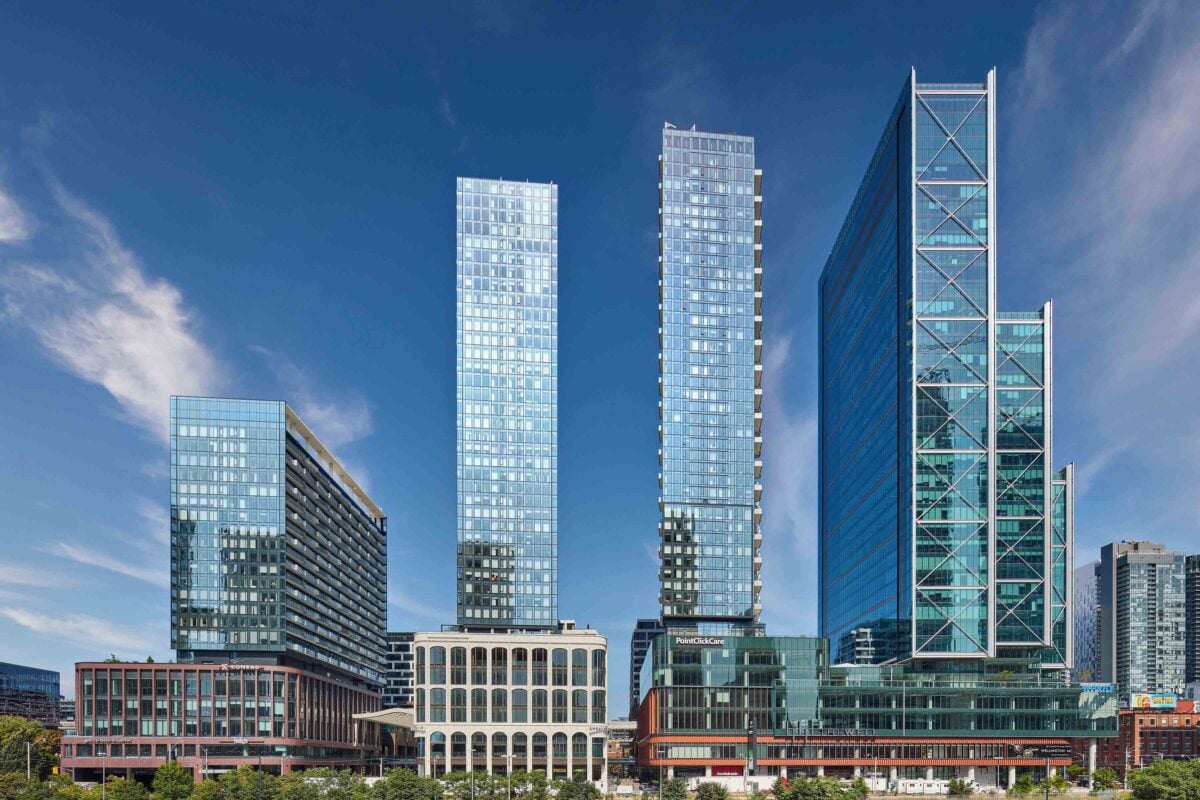
In an interview with Retail Insider, spoke about the company’s most recent financial results.
What is driving retail occupancy at RioCan reaching a record 98.9 per cent, and what does this milestone say about the strength of demand for retail space in Canada’s major markets?
Our record occupancy reflects a combination of strong retail fundamentals, the quality of our portfolio and the strength of our team. Retailer demand remains robust while new supply of high-quality retail space in Canada’s major markets is limited. RioCan’s well-located portfolio positions us to capture that demand, while our leasing team continues to drive retention and strengthen the tenant mix across our properties. Together, those factors helped drive retail committed occupancy to a record 98.9% in the third quarter.
We also retained almost 90% of tenants whose leases came up for renewal and completed approximately 1.1 million square feet of leasing during the quarter, including about 900,000 square feet of renewals. To us, those numbers reinforce that demand is not isolated to a handful of transactions. It is broad-based demand for quality retail real estate in the markets where RioCan operates.
Which retail categories and types of tenants are currently generating the strongest leasing demand, and are you seeing any changes in the mix of retailers seeking space across RioCan’s portfolio?
We are seeing broad-based demand across the portfolio, but the most active categories are those that serve everyday needs and increasingly, everyday experiences. Grocery remains a particularly important part of that story, alongside value-oriented retail, fitness, restaurants and QSR, healthcare, childcare and experiential concepts. These are uses that give customers more reasons to visit our centres more often and, importantly, complement one another.
Grocery is a great example of the strength we are seeing. Over the last 12 months, we completed 11 grocery renewals representing more than 400,000 square feet, at an average blended leasing spread of approximately 35%, and added nearly 200,000 square feet of new grocery uses to the portfolio.
What is particularly interesting is how the retail landscape itself is evolving. We are not only seeing retailers expand their footprints, but we are also seeing established retailers think differently about how they reach customers, introducing new banners, formats and concepts designed for different customer segments and markets. That creates another source of demand and gives us more opportunities to evolve the merchandising mix within our existing portfolio.
Ultimately, retailers are being very deliberate about where they invest. They want locations with strong demographics, residential density, household income, proven traffic and complementary co-tenancy, often supported by a strong grocery anchor. Those characteristics align very well with RioCan’s portfolio. So, for us, it is less about betting on one category and more about continually curating the right mix of uses to make each property more relevant to its community, more productive for our tenants and ultimately more valuable over time.
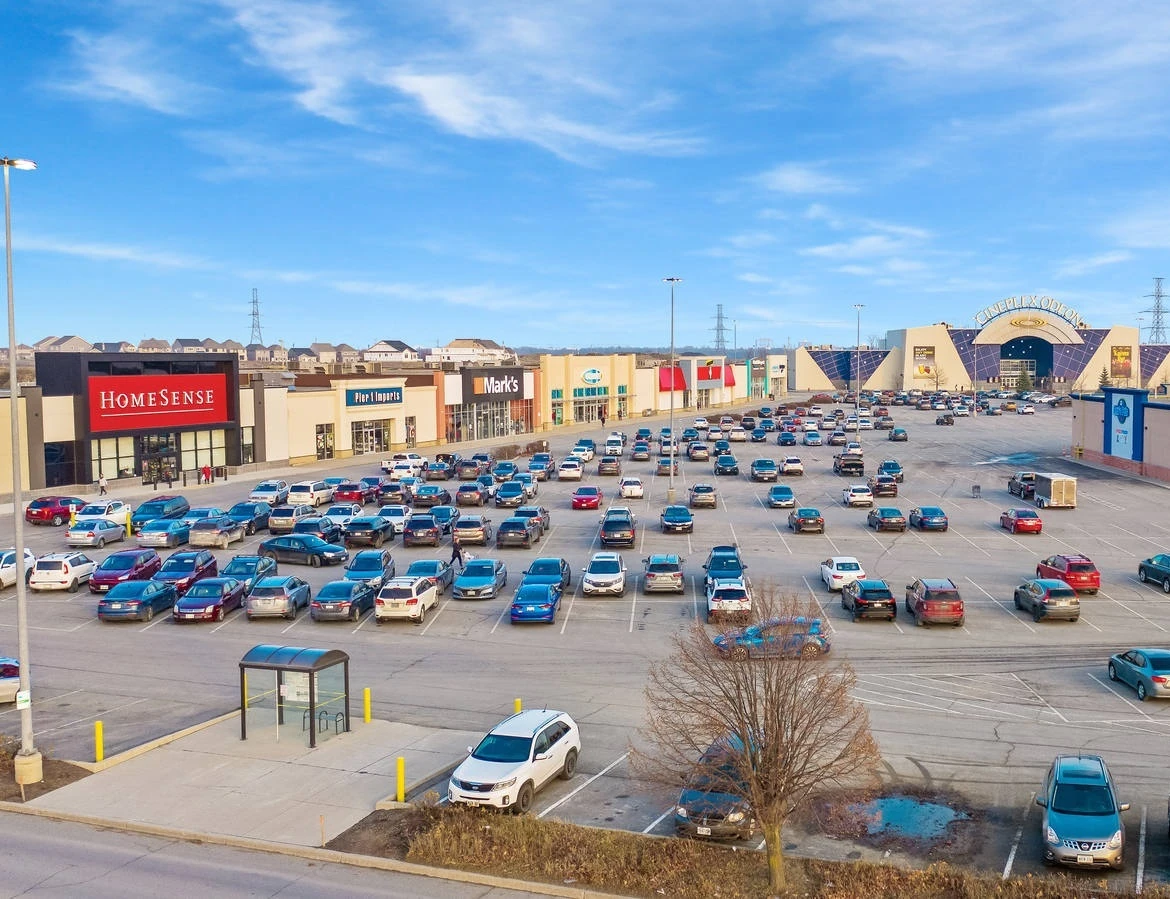
RioCan reported a 17 per cent blended leasing spread in the third quarter, with new leasing spreads reaching 19.1 per cent. What does this indicate about rental pricing power, and how are retailers responding to higher occupancy costs?
The leasing spreads demonstrate the strength of demand for high-quality retail real estate and the value retailers place on being in the right locations. New supply in Canada’s major markets remains constrained and retailers continue to compete for space in established centres with strong demographics, proven traffic and complementary co-tenancy. Those are characteristics that are very well represented across RioCan’s portfolio.
For us, that creates meaningful pricing power. In the third quarter, RioCan’s blended leasing spread was 17%, and the average rent on new leases was $31.45 per square foot, 32% above the average rent on occupied space across the portfolio at quarter end. With approximately 15% of our leases rolling each year, there is a significant embedded opportunity to continue moving rents toward market as leases mature.
But I think an equally important point is that we are achieving those spreads while maintaining record retail committed occupancy of 98.9% and retaining almost 90% of the tenants whose leases come up for renewal. That reinforces the value retailers see in RioCan’s well-located, high-quality retail portfolio and their continued commitment to these locations. Retailers are being disciplined about where they invest, but they are prepared to pay for productive real estate that gives them access to a strong customer base and supports the performance of their stores.
How are consumer spending patterns, economic uncertainty and changing shopping habits influencing retailers’ expansion plans, store formats and decisions about renewing or relocating leases?
Consumer behaviour is evolving, and retailers are responding. They are more disciplined about capital and expansion in an uncertain economic environment, but at the same time, we are seeing innovation in how they think about their physical networks.
That includes established retailers introducing new banners and concepts, testing different store sizes and formats, and using their physical presence in different ways depending on the customer and the market.
For RioCan, that evolution creates opportunity. A diverse portfolio and tenant base give us the ability to work with retailers as their businesses change, whether that means expanding an existing store, opening a new location, introducing a new banner, changing formats or relocating within the portfolio. Our job is to understand how those needs are evolving and adapt our properties and merchandising mix, so they remain relevant to retailers and the communities they serve.
Looking ahead to 2027, where do you see the greatest opportunities for retail growth across RioCan’s portfolio, and what types of retail concepts, brands or services do you expect will drive demand for physical retail space?
A significant part of the opportunity is already within the portfolio we own. With occupancy at record levels and market rents running ahead of in-place rents, there is embedded growth as leases mature. At the same time, we see opportunities to add retail density, enhance the merchandising mix and unlock more value from underutilized space at existing properties.
We are already investing in that opportunity. In the first nine months of 2026, RioCan invested $77.5 million in retail infill and asset enhancement projects and expects to deploy approximately $100 million for the full year. That includes projects such as the reinvention of Yonge Eglinton Centre, with an expanded Metro, relocated LCBO and the introduction of RBC, Jump+ and Kioki, as well as new retail GLA at nine existing RioCan sites and the new Costco at RioCan Burloak.
Looking ahead, we expect the strongest demand to come from retail and services that give people more reasons to visit our properties more often. Grocery and value-oriented retail will continue to be important, and we also see opportunity in areas such as fitness, food service, healthcare, childcare and experiential concepts. Those categories reflect the increasingly broad role that physical retail plays in people’s daily lives.
The opportunity is to have great real estate in growing communities and the flexibility to continually evolve the mix of uses around what those communities want, what retailers need and the highest use for the property. That is where we think there is significant runway for growth across the portfolio.
More from Retail Insider: