

As consumers are finding loyalty programs less rewarding, overwhelming, and too rigid, Lia Grimberg discusses the death of loyalty programs by sharing insights on loyalty mistakes, ‘set and forget’ failures, and flexible program models.
“In an era marked by rapid technological advancements and evolving consumer expectations, the traditional models of loyalty programs no longer suffice. Consumers are seeking immediate benefits and experiences that resonate more deeply with their personal values and lifestyles. As a result, businesses must pivot towards a more dynamic and response strategy to maintain customer loyalty and engagement,” says Lia Grimberg, Principal and Consultant at Radicle Loyalty .
The decline in traditional loyalty programs
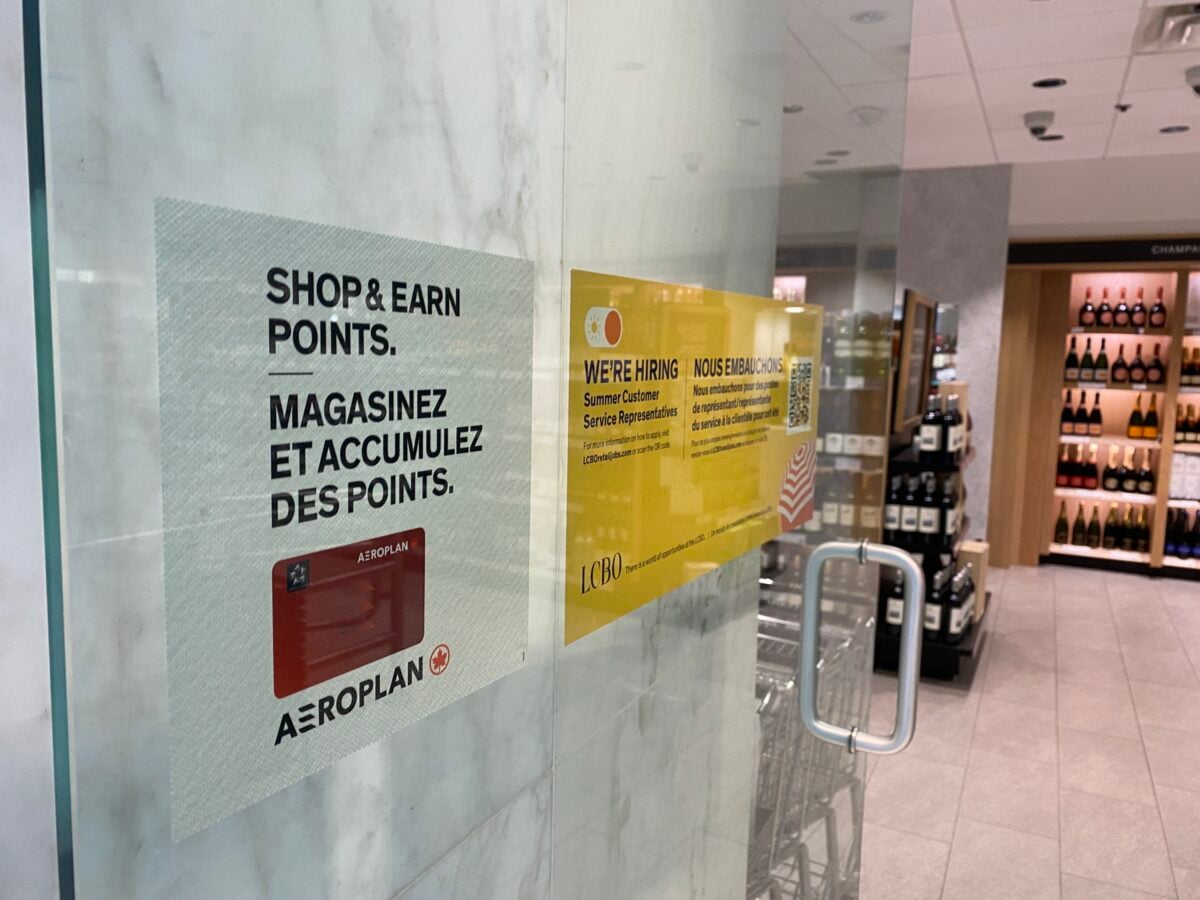
In recent years, Grimberg says the landscape of loyalty programs have undergone significant changes. As traditional models are failing to keep up with consumer preferences and expectations – retailers are seeing a decline within loyalty programs as they are becoming less effective.

As consumers today are more demanding and informed, they are seeking instant benefits, personalized experiences, and rewards offering greater value. Traditional programs are failing to meet these expectations and are leading consumers to be disengaged and less satisfied with the brand.
Three programs Grimberg mentions that are facing a decline in effectiveness and have seen a decline in popularity are AIR MILES, SCENE+, and Aeroplan.
“Representatives from traditional loyalty programs like Air Miles have been very upfront, openly admitting the significant challenges they have encountered, including notably declining consumer engagement and decreasing interest from retail partnerships in maintaining these collaborations.”
Making a shift towards flexible programs

Grimberg says retailers are shifting towards flexible, short-term partnerships which quickly adapt to consumer needs and industry changes. These programs focus on fast reward redemption, personalization, and increased consumer engagement.
“In the past, loyalty programs were all about the set and forget model, where once a consumer was signed up – minimal effort was made to keep consumers active and engaged. However, this approach is no longer viable in today’s market. Consumers are now looking for more from their loyalty experiences, including more frequent and meaningful interactions that demonstrate real value. As a result, we are seeing a significant shift towards more dynamic strategies that require ongoing engagement and adjustment.”
As loyalty programs transition to include more flexible and dynamic strategies, consumers and retailers will see significant changes.
For consumers:
A shift towards flexible loyalty programs and faster reward systems has significantly improved consumer experiences. Grimberg says consumers will enjoy more immediate rewards – ensuring loyalty programs will remain relevant and valuable, preventing disinterest.
“These minable, adaptive approaches allow us to quickly respond to consumer demand and market trends, ensuring that loyalty programs are not only relevant, but also highly engaging. This shift is crucial as it keeps consumers interested and invested in our programs, preventing disinterest and maintaining their relevance over time.”
For retailers:
Grimberg says if retailers implement these strategies of short-term flexible partnerships and focus on meaningful reward benefits, they can attract and retain customers in the competitive loyalty market.
Retailers can also have a better understanding of consumers by targeting audiences better and continuing to adapt to consumer needs. To meet these changes, Grimberg says retailers need to invest more in technology to make these programs effective, but this does not come without an increase in operational costs.
Overall, the impact of an enhanced loyalty program comes with an increase in consumer engagement and loyalty. While retailers will have higher costs for these technological advancements, the long-term benefits outweigh the challenge.
Mistakes on Loyalty
The biggest mistake Grimberg says retailers are making is relying on traditional program strategies like point systems that don’t provide enough value to customers – leading to low consumer engagement: “So what we are seeing – is not good results. Consumers are not earning enough to be able to collect for something valuable within a reasonable period of time.”
To improve loyalty programs, retailers should focus on creating meaningful relationships with customers through personalized interactions, innovative rewards, and new partnerships.
In the future, Grimberg says trends such as short-term partnerships and an increased focus on value for customers are expected to shape loyalty programs. To be successful and to stand out, retailers must avoid repetitive models and make customer engagement its top priority.
Overdue for an update
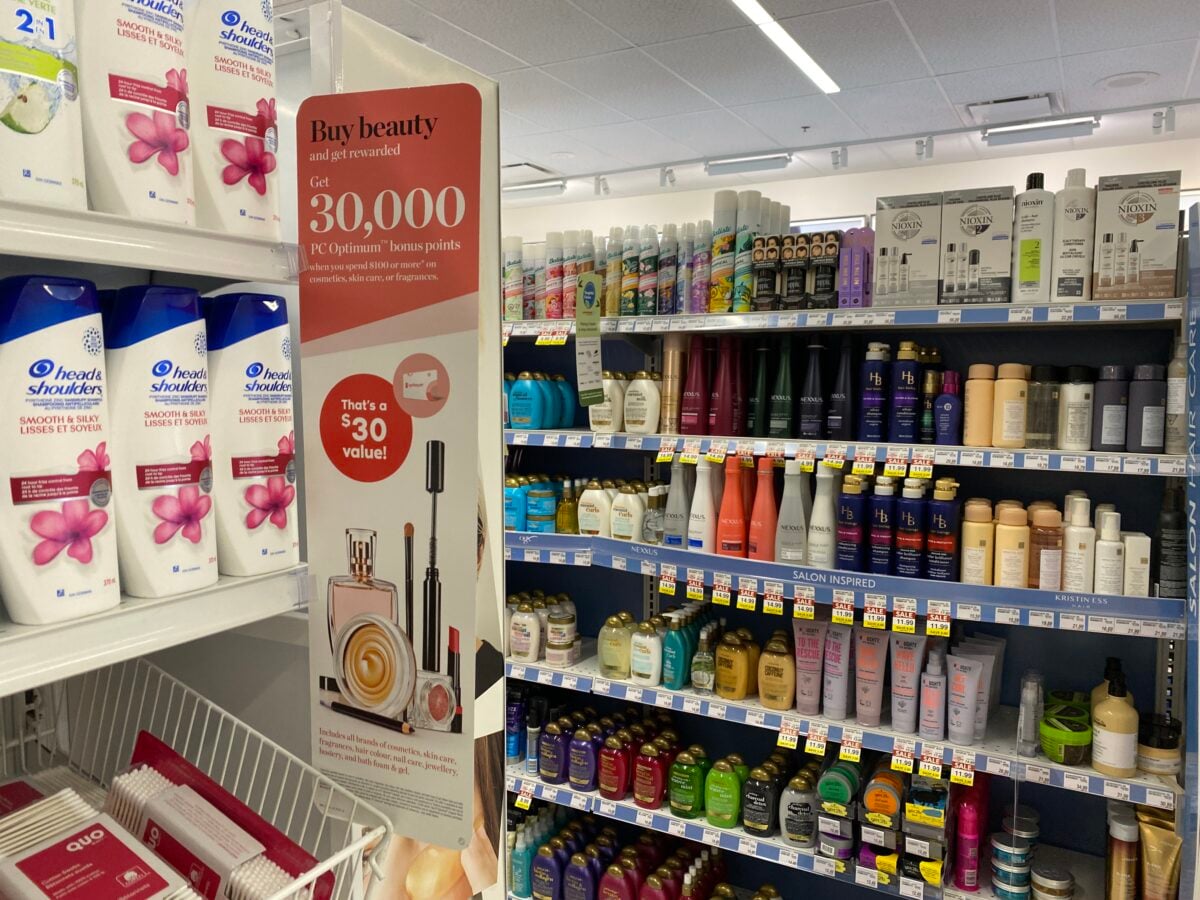
“We go back to the same tricks that we have tried for 40, 50 years. We started with punch cards, then graduated to points – there hasn’t been necessarily a new program. We have not, as an industry, innovated in a very, very long time.”
To remain relevant, Grimberg says retailers need to focus more on innovation in loyalty programs.
“The lack of innovation in loyalty programs is a major issue, with many programs failing to engage consumers effectively. Retailers need to focus on providing ongoing value, engaging customers consistently, and offering meaningful rewards to keep loyalty programs successful. The lack of innovation is leading to negative ROI for retailers and a lack of perceived value for customers. To improve loyalty programs, retailers need to invest in ongoing promotional activities, drive incremental behaviour through promotions, and open up the ecosystem to more partners for earning and redemption opportunities. These changes are affecting both consumers and retailers, with a need for more innovative and engaging loyalty strategies.”
Retailers must focus on personalization and the use of technology. With the use of AI and machine learning – retailers have the available tools to collect data, understand consumer behaviours on a deeper level, personalize offers, and have effective communication strategies.
“From a consumer perspective, they are seeing the same program over and over again and they are overwhelmed and underwhelmed with the offers – they are no longer seeing the need to stay with one retailer over a long period of time just because they are never going to accumulate enough value to be used.”
Resuscitating loyalty programs
Grimberg provides three strategies retailers should take on to improve their loyalty program.
- Allocate resources wisely: “Dedicate 20 to 30 per cent of your rewards budget to promotional activities and ongoing engagement. Invest in meaningful interactions and value exchange across all touchpoints of the customer lifecycle.”
- Make redemption meaningful: “Ensure customers can earn and redeem rewards within a reasonable timeframe, typically a few months. Open your ecosystem to partners to enhance earning and burning opportunities.”
- Embrace card-linked offers: “Instead of coalitions, consider short-term card-linked offer partnerships, such as Drop, Neo, or AIR MILES, that offer access to new audiences on your terms. The flexible arrangements allow for targeted promotions and can be adjusted to align with your promotional calendar, while still addressing your customer acquisition goals.”
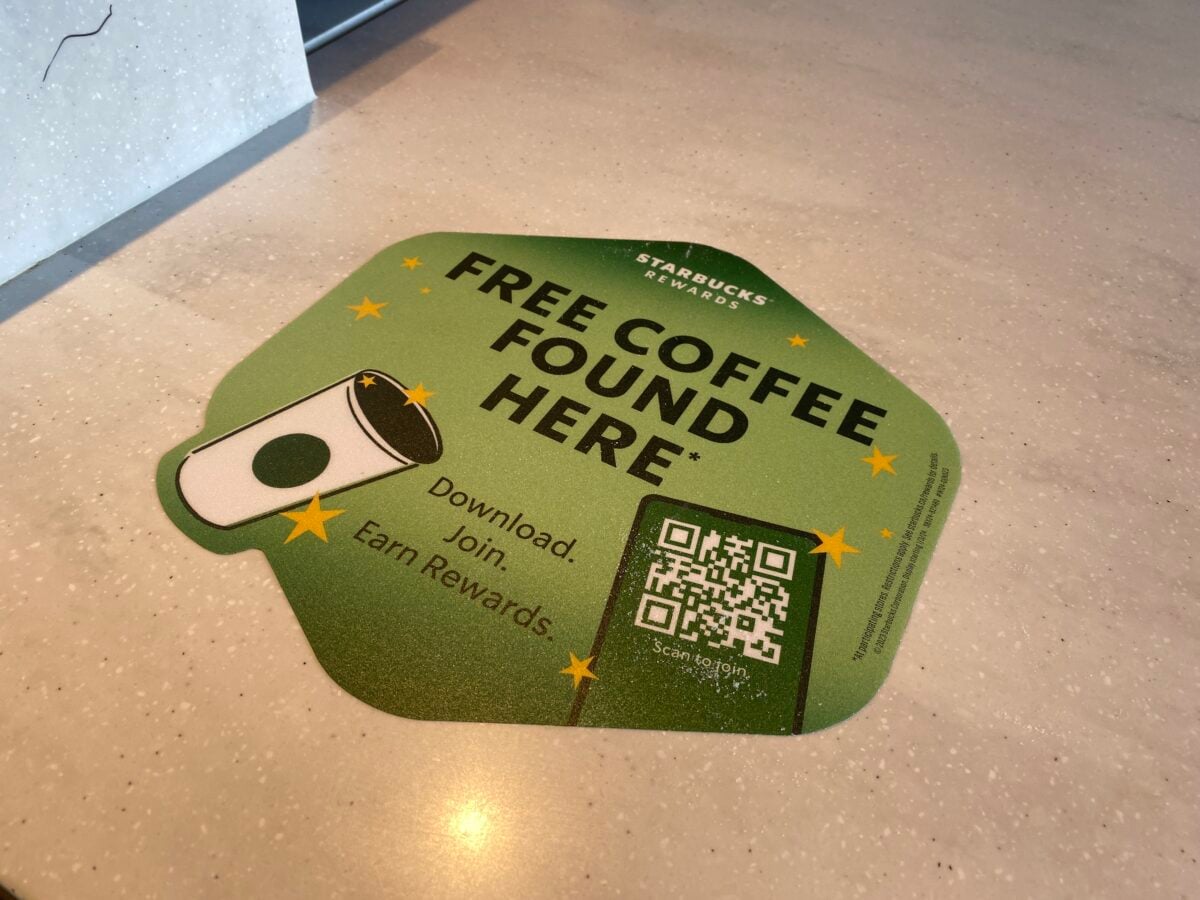
The future of loyalty programs is in need of innovation. Grimberg says technology will play a key role in shaping new innovations, making it easier to personalize communication strategies and rewards.
To improve loyalty programs, Grimberg suggests retailers consider member-only pricing, rewards for non-transactional behaviours, and partnerships with other businesses to provide a variety of earnings and redemption options. Additionally, using technology to personalize experiences can help improve engagement and brand loyalty.
Ultimately, Grimberg says the key to success is continually evolving and providing value to the customers: “It is not about the system being broken, but how we can continuously engage and provide more meaningful value to our customers through loyalty programs.”












I work for Harry Rosen any ideas on how we can make our rewards program more relevant please and thank you.