By Liza Amlani and Raj Dhiman, Retail Strategy Group
Acquiring customers isn’t costly, losing them is. And, they can be lost when a company fails to deliver on what the customer is looking for.
But, why should that even happen in the first place? Especially since companies can get more information and insights about their customers than ever before.
The issue is twofold:
First, customer insights commonly reside in the bailiwick of marketing. Doesn’t matter where the insights come from, a loyalty program for example. These are viewed as a tool for marketing, creating customer segments and delivering targeted offers.
Second, different functions within an organization are often focused on different (and sometimes competing) goals. As such, functions don’t share information with one another that can help elevate the brand as a whole.
For retailers and brands, this is exemplified by the disconnected relationship between marketing and merchandising. They operate in isolation and only come together when a product assortment has been finalized.
The problem is that the customer is dynamic. Therefore, insights about the customer need to be fed back to merchandising to inform product creation. But, as described above, there is no opportunity to do so before the products are ready to hit the shop floor.
Brands then find themselves in trouble by putting either too many or irrelevant products into their assortment. Customers don’t buy the products and the brand sits on excess inventory which needs to be cleared out at a discount. This in turn hurts profitability and gross margins.
The trick here is for companies to change how they view insights and loyalty programs. No longer are they just marketing tools, they are tools for product creation. Brands can use the data they have on hand to conduct focus groups, cut underperforming products, and validate new offerings.
We offer three examples showcasing how insights can drive profitable assortment decisions.
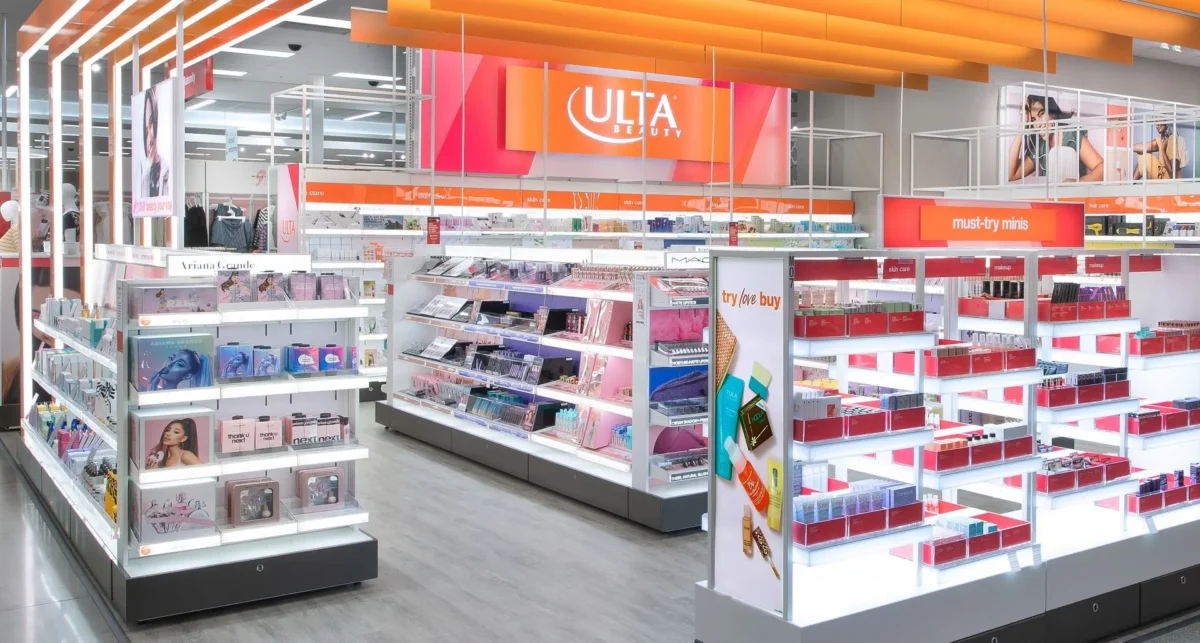
First, ULTA Beauty’s success is reflective of the connection between marketing and merchandising. In fact, according to Business of Fashion, 96% of ULTA Beauty’s sales come from loyalty program members. Personalized marketing and product recommendations translate to sales. Further, merchandising teams track purchasing behaviour to inform product assortments and allocation strategies.
Second, the puzzle maker Jiggy discovered the value of using direct, loyalty insights. At first, the intention of the loyalty program was to drive repeat purchases. As membership grew, the CEO of Jiggy (Kaylin Marcotte) would call customers to ask them what was important to them in the product mix. Kaylin refers to her loyalty program members as her focus group. She pulls insights from her data and then follows up with customers for real-time conversations. Kaylin then forms new offerings based on that feedback. As such, she hedges the bet in her favor that customers will buy from her informed product assortment.
Finally, Coach used customer testing to become the top handbag brand for female teens in the US. The Tabby Bag is an example of taking an archived style and using insights to make it a powerhouse product. The bag was inspired by a style from the 1970’s and developed using Gen Z customer validation and testing. Only when the initial release of the bag proved to be a hit did design get the green light to develop new versions. These versions have different sizes, materials and price points. As they are developed, they are tested with customers to ensure Coach was hitting the mark. The brand generated demand with a target demographic and is poised to create a new segment of loyal customers.
In all three examples, connecting the insights about the customer to product creation proves to be a success.
Conclusion
The importance of data and customer insights for brands and retailers cannot be understated. However, the true power of that information does not lie in the information itself. Instead, organizational issues must be overcome. Namely, for data to not just reside with marketing and for the insights to be fed back to product creation. This way, products are created that customers truly want and brands can drive profitability and preserve gross margins.
Bio

Liza Amlani and Raj Dhiman are Co-Founders of Retail Strategy Group. The firm works with retailers and brands, helping them to improve profitability and increase organizational effectiveness. Even in turbulent times, market leading brands turn to Retail Strategy Group to deliver breakthrough results.
References:
- https://www.modernretail.co/technology/how-brands-use-loyalty-programs-as-a-focus-group-to -drive-growth/
- https://digiday.com/marketing/ulta-beauty-evolved-merchandising-strategy-compete-crowded- market/
- https://www.businessoffashion.com/articles/technology/how-coach-used-data-to-make-its-tabb y-bag-a-hit/
- https://www.businessoffashion.com/case-studies/beauty/building-loyalty-programme-playbook-c ustomer-retention-beauty-fashion-ulta-dior-chanel/